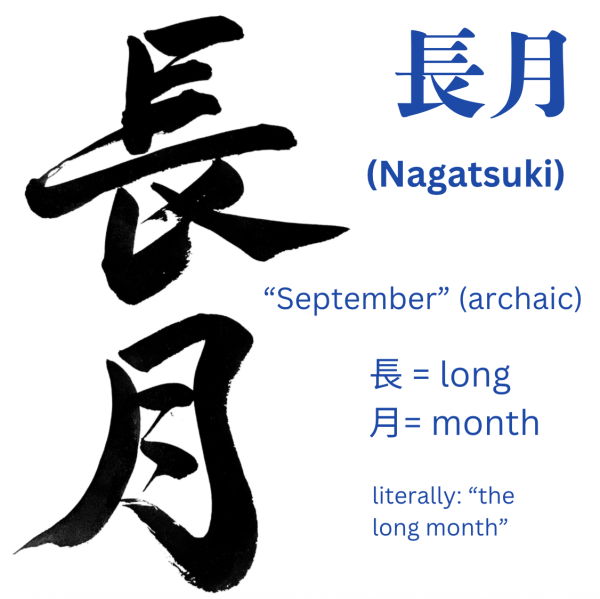
Like many countries, Japan uses a 12-month calendar. The names are very simple. January is literally “Month one”, February is “Month two”, etc: 一月 = January 二月 = February However, before the Meiji Restoration (mid-1800s) it was common to use an older 12-month system. These months’ names referenced the weather and the seasons (similar toContinueContinue reading “長月 (Nagatsuki) “September” (archaic)”
Tag Archives: Japanese history
夏至 (ge-shi) “summer solstice”
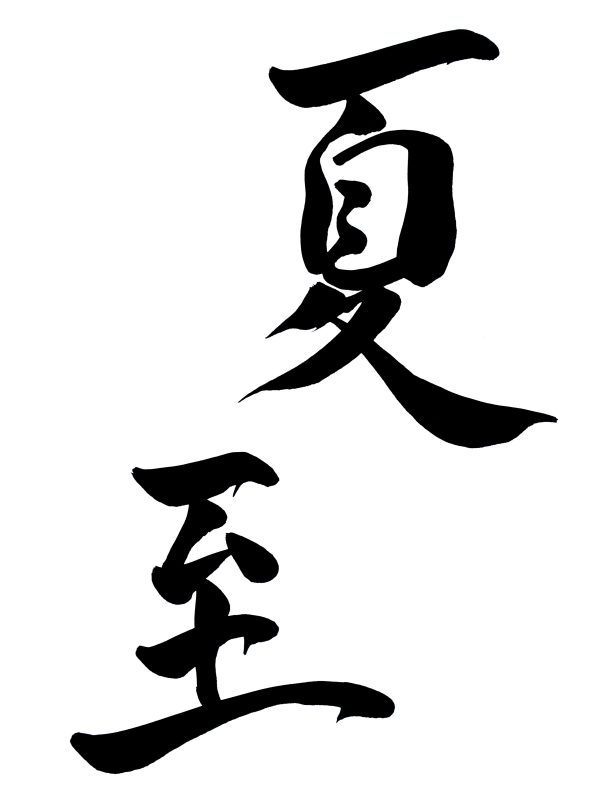
June 21st was the summer solstice, the longest day of the year. 夏 = summer 至 = arrive Whilst not an official holiday in Japan, it is nevertheless important as it is one of the “24 solar terms”. These 24 solar terms are mini seasons dating from ancient times, which reference the weather, agriculture, andContinueContinue reading “夏至 (ge-shi) “summer solstice””
芒種 (bō-shu) “Grain beards and seeds”
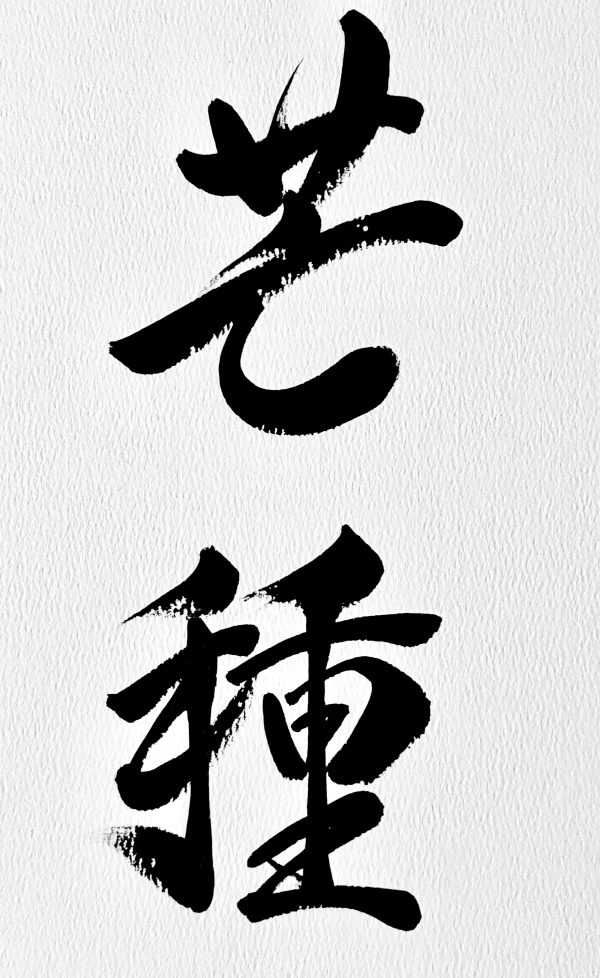
As well as having 4 seasons (spring, summer, autumn, winter), in Japan the year can also be divided into 24 節気 (sekki), or solar terms. The solar terms include terms that are familiar to English-speakers, such as the solstices and equinoxes. They also include references to the weather, the temperature, and the beginning of theContinueContinue reading “芒種 (bō-shu) “Grain beards and seeds””
水無月 (mi-na-tsuki) “The month of water”
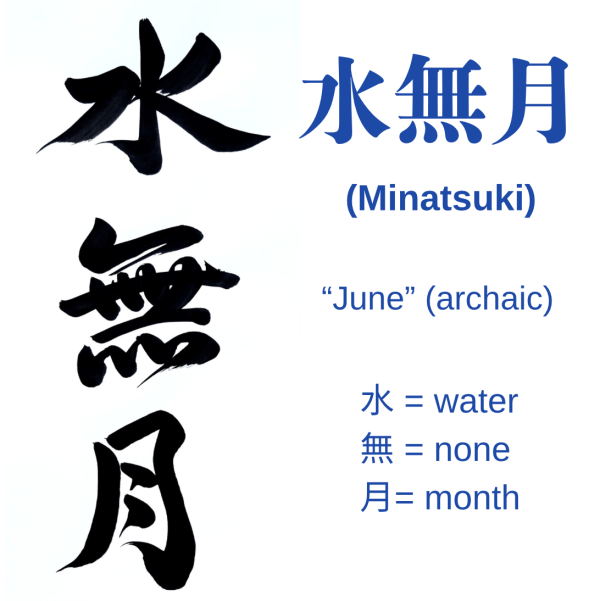
Like many countries, Japan uses a 12-month calendar. The names are very simple. January is 一月 (ichi-gatsu, literally “Month one”), February is 二月 (ni-gatsu, “Month two”), etc. However, before the Meiji Restoration (mid-1800s) it was common to use an older 12-month system. These months’ names referenced the weather and the seasons (similar to the FrenchContinueContinue reading “水無月 (mi-na-tsuki) “The month of water””
渋味 (shibumi) “elegant simplicity”
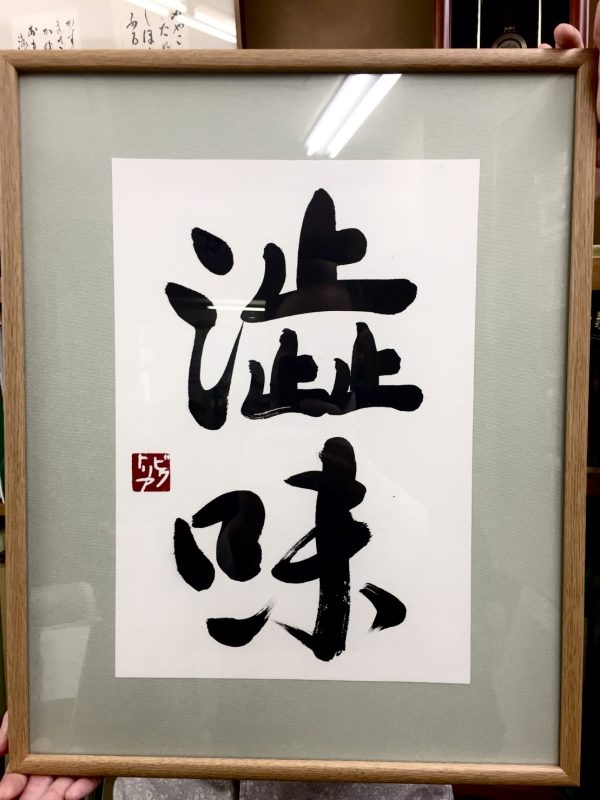
渋味 (shibumi) is a word which is a little difficult to translate directly. It’s more of a vibe than a meaning. My dictionary says: “austere elegance; elegant simplicity; subdued style; quiet taste; refinement”. It’s also the name of a Florence-based men’s fashion boutique, where this artwork is displayed. This was my very first commission. YouContinueContinue reading “渋味 (shibumi) “elegant simplicity””
紅花栄 (Benibana sakau) “Safflowers bloom”
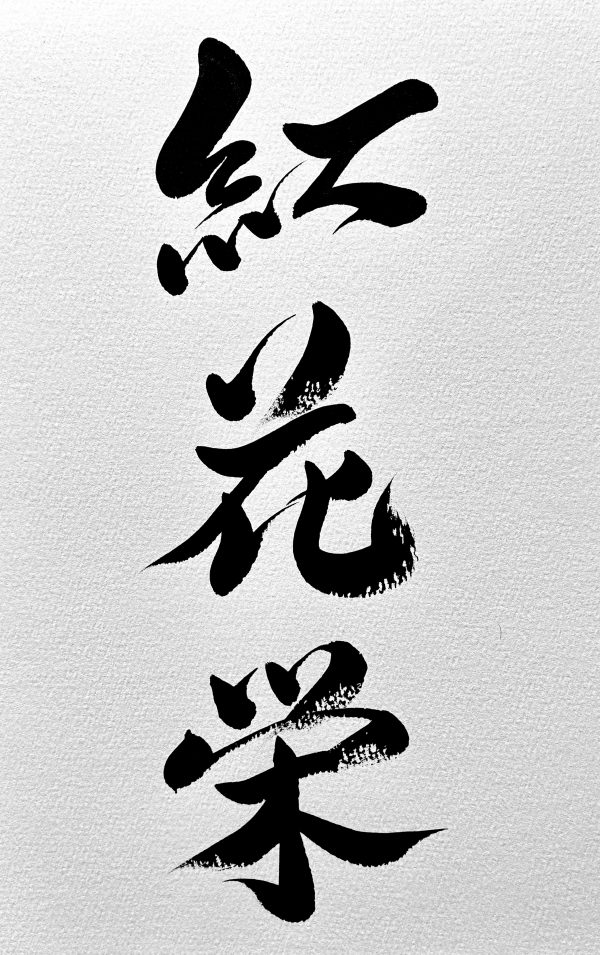
Like many countries, Japan has 4 seasons. It also has 72 micro-seasons! Traditionally the Japanese year was divided into 72 seasons of roughly 5 days each. Each of these micro-seasons was named after the changes in the natural world that could be observed at the time, or the current agricultural activities. Next week (from MayContinueContinue reading “紅花栄 (Benibana sakau) “Safflowers bloom””
皐月 (sa-tsu-ki) “May” (archaic)
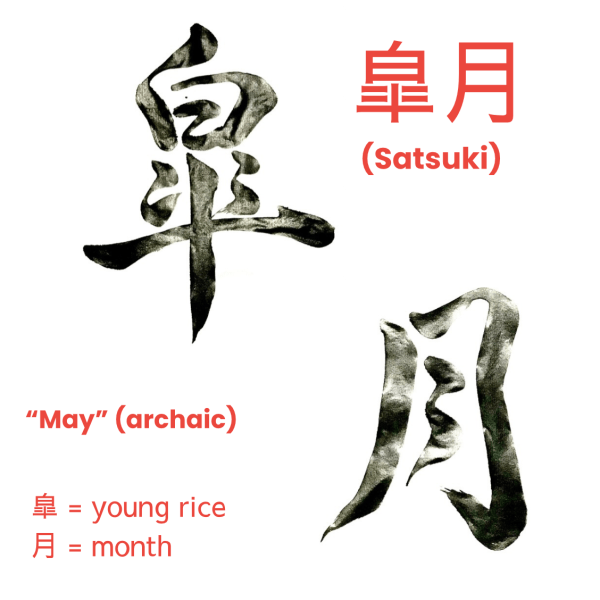
Like many countries, Japan uses a 12-month calendar. The names are very simple. January is 一月 (ichi-gatsu, literally “Month one”), February is 二月 (ni-gatsu, “Month two”), etc. However, before the Meiji Restoration (mid-1800s) it was common to use an older 12-month system. These months’ names referenced the weather and the seasons (similar to the FrenchContinueContinue reading “皐月 (sa-tsu-ki) “May” (archaic)”
卯月(uzuki) “April” (archaic)
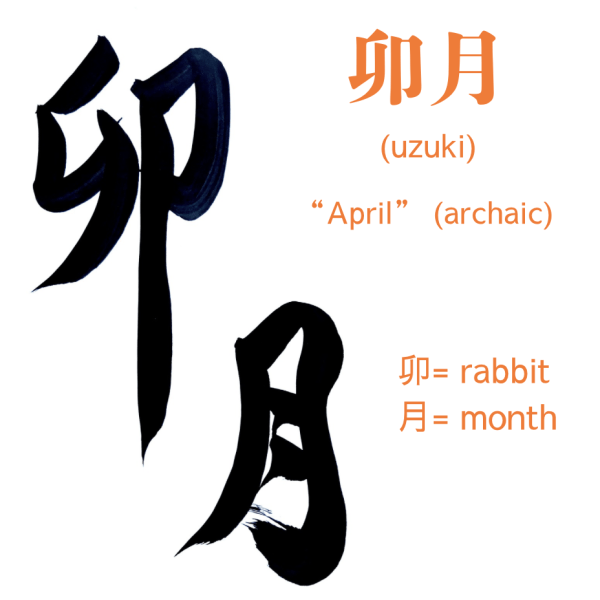
Like many countries, Japan uses a 12-month calendar. The names are very simple. January is literally “Month One”, February is “Month Two”, etc: 一月 = January 二月 = February However, before the Meiji Restoration (mid-1800s) it was common to use an older 12-month system. These months’ names referenced the weather and the seasons (similar toContinueContinue reading “卯月(uzuki) “April” (archaic)”
睦月 (mu-tsu-ki) “January” (archaic)
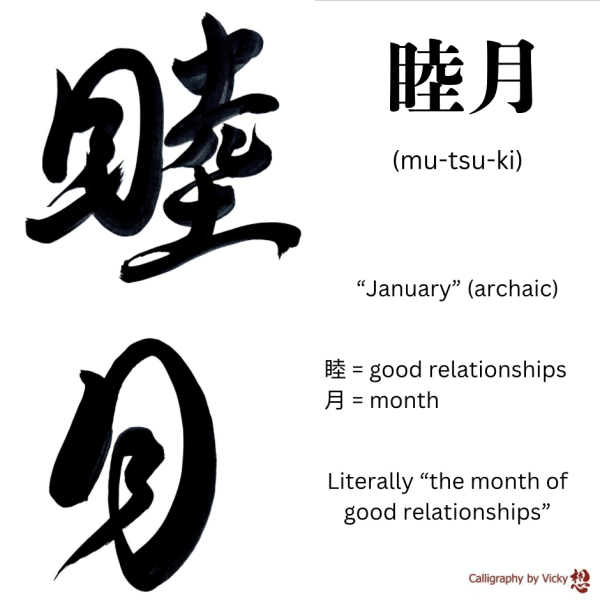
Like many countries, Japan uses a 12-month calendar. The names are very simple. January is literally “Month One”, February is “Month Two”, etc: 一月 = January 二月 = February However, before the Meiji Restoration (mid-1800s) it was common to use an older 12-month system. These months’ names referenced the weather and the seasons (similar toContinueContinue reading “睦月 (mu-tsu-ki) “January” (archaic)”
抱負 (hō-fu) resolution
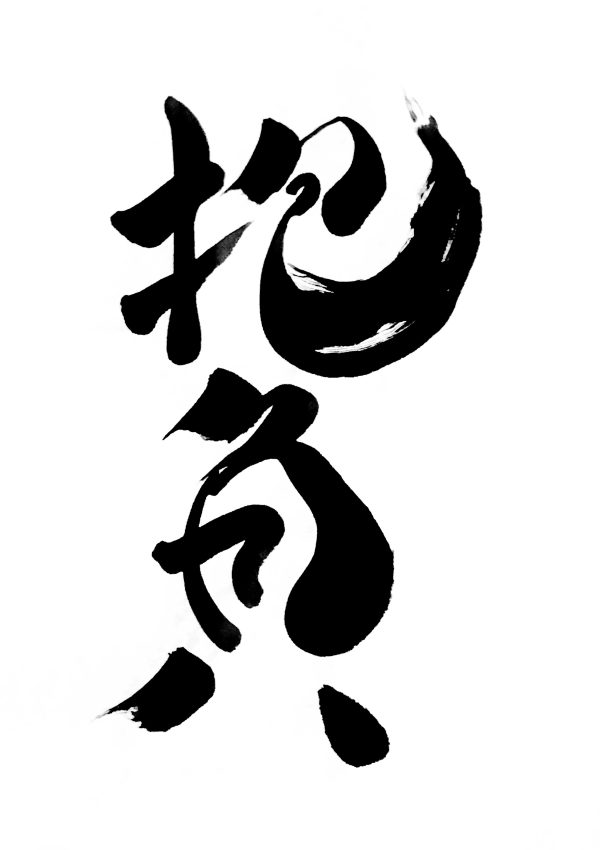
New Year’s resolutions are just as popular in Japan as they are in western countries. In Japanese “New Year’s resolution” is 新年の抱負 (shin-nen-no-hō-fu). 新年 = New Year (shin-nen) 抱負 = resolution (hō-fu)

