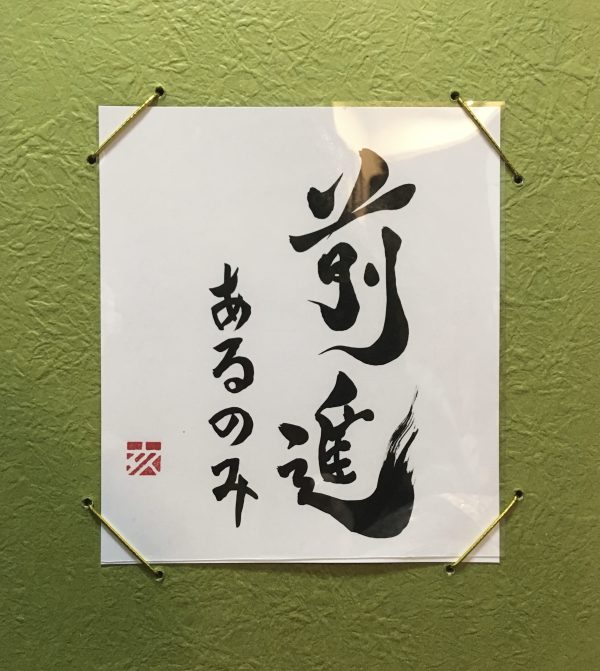
A motivational message for the client to hang in their room, with the option of turning it into a tattoo design. This was my first calligraphy commission 😊
Tag Archives: kanji
How many writing systems does the Japanese language use?
kanji (left side), hiragana (top right) and katakana (bottom right) When you begin learning Japanese, chances are you’ll find yourself coming up against not only one writing system, but multiple. The text below is taken from Wikipedia’s entry on kanji. I’ve coloured each of the writing systems in a different colour: また、英語圏やフランス語圏で「Kanji」と言う場合は、日本の漢字、狭義では新字体を指す。 As you canContinueContinue reading “How many writing systems does the Japanese language use?”
一葉知秋 (ichi-yō-chi-shū) “from just one leaf one can know that autumn has come”
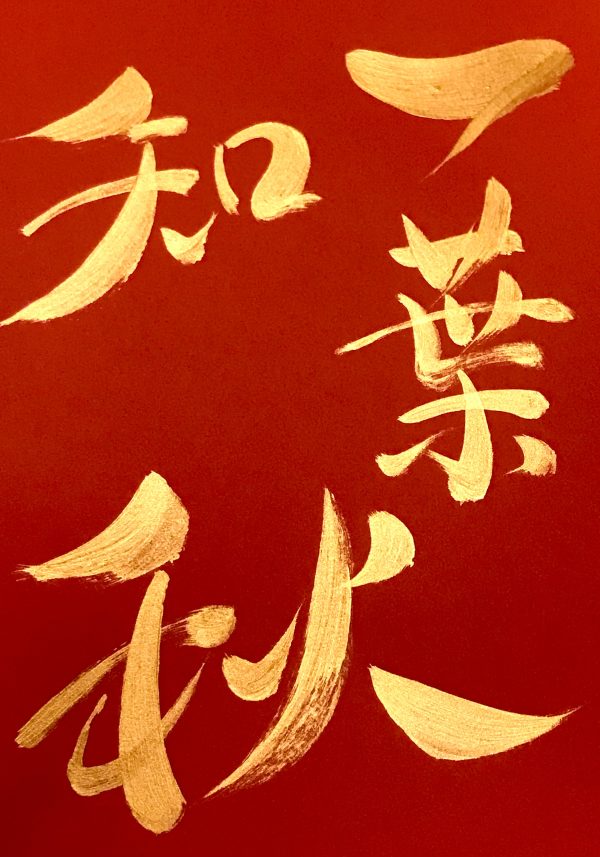
一 = one 葉 = leaf 知 = to know 秋 = autumn This phrase is about understanding the essence, changes, or decline of things from noticing slight signs or phenomena. It refers to realising the arrival of autumn by observing a single leaf fall.
花火(hanabi) “fireworks”
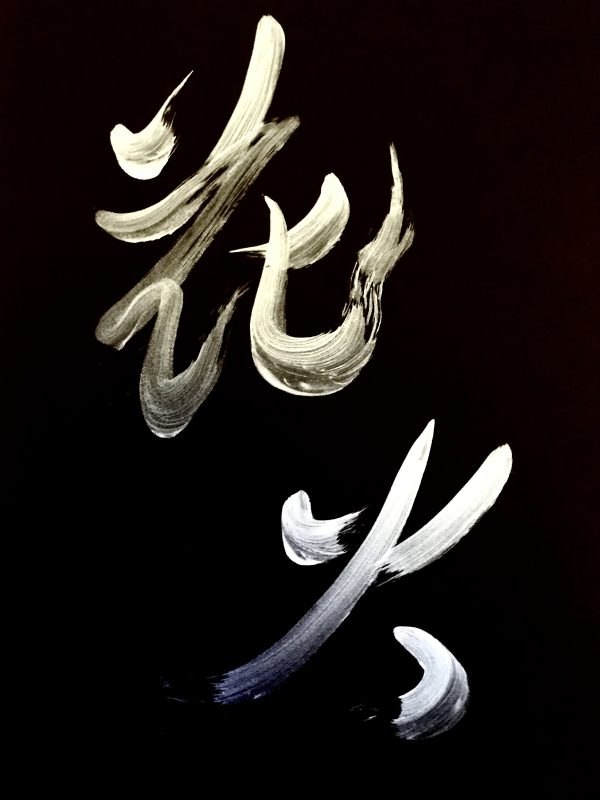
Like many celebrations across the world, fireworks often play a part in Japanese festivities. In Japan, they are most commonly associated with summer festivals. I chose to write this word because in my home country of the UK it was Bonfire Night (Guy Fawkes’ Night) on November 5th. This night marks the anniversary of aContinueContinue reading “花火(hanabi) “fireworks””
春分 (shun-bun) “Spring Equinox”
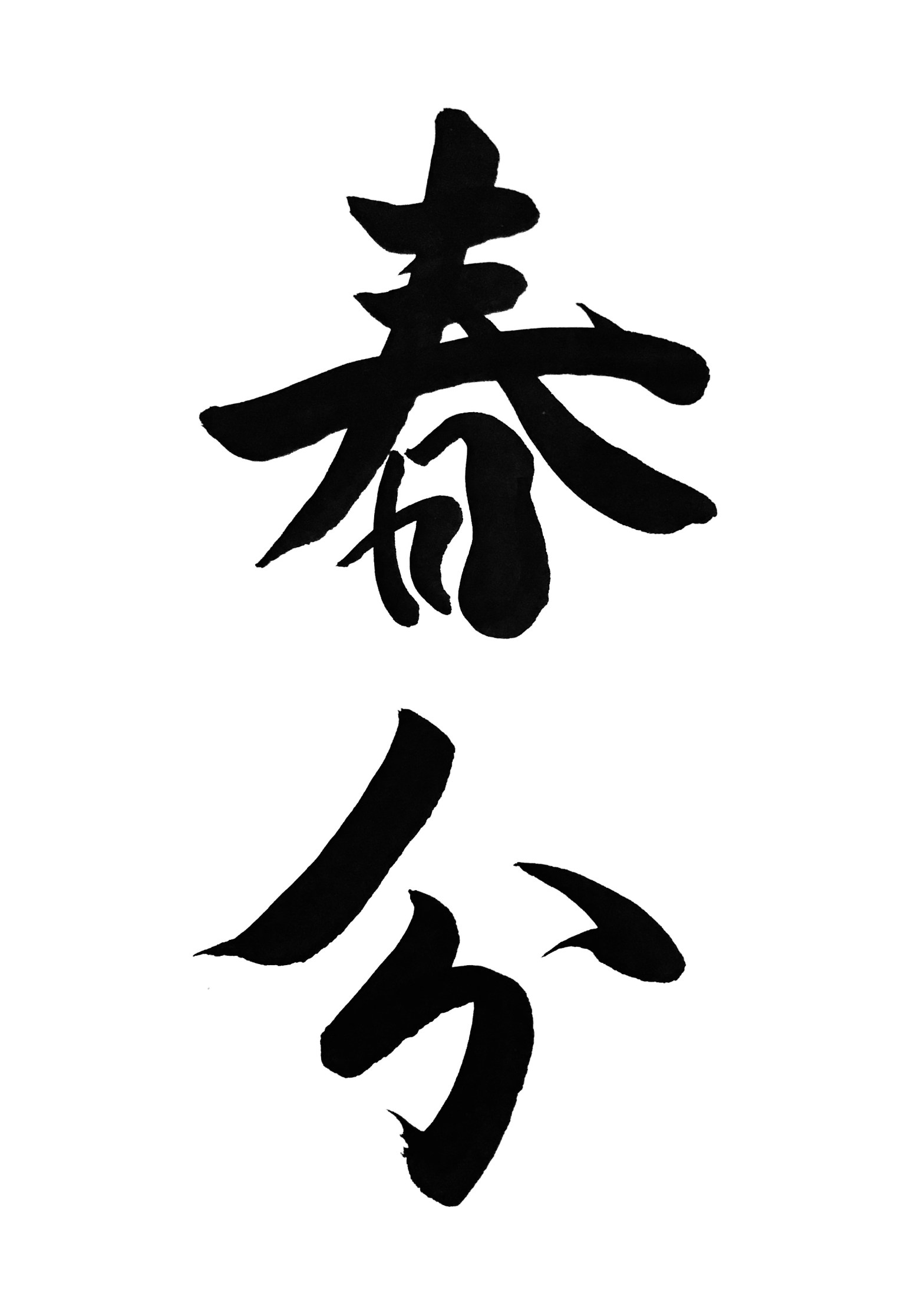
In Japan, 春分 (shun-bun) spring equinox is a national holiday. The week which contains spring equinox is called “o-higan”. This has connections with Buddhism, and on this day many people visit spend time with their families and visit their family grave. “Bota-mochi” (rice cake covered in sweet bean paste) is traditionally eaten on this day.
影 (ka-ge) “shadow”
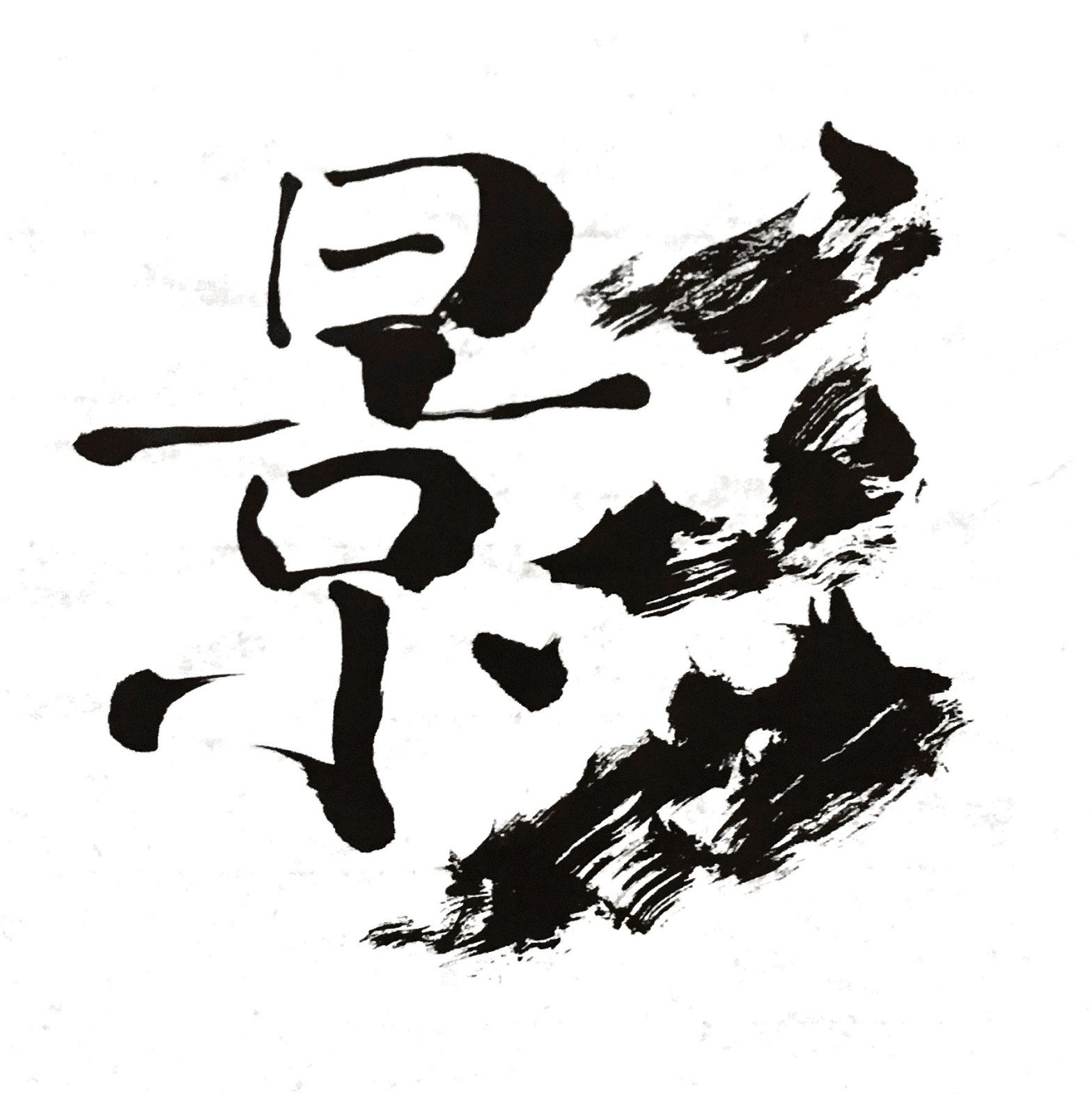
Japanese kanji characters are made up of smaller parts. The left hand side of a kanji is called then “hen”. In the case of 影, the “hen” is 景, which means “scenery” and can be a complete kanji by itself. The right hand side of a kanji is called the “tsukuri”. In this case theContinueContinue reading “影 (ka-ge) “shadow””
愛は勝つ (ai wa katsu) “love wins”
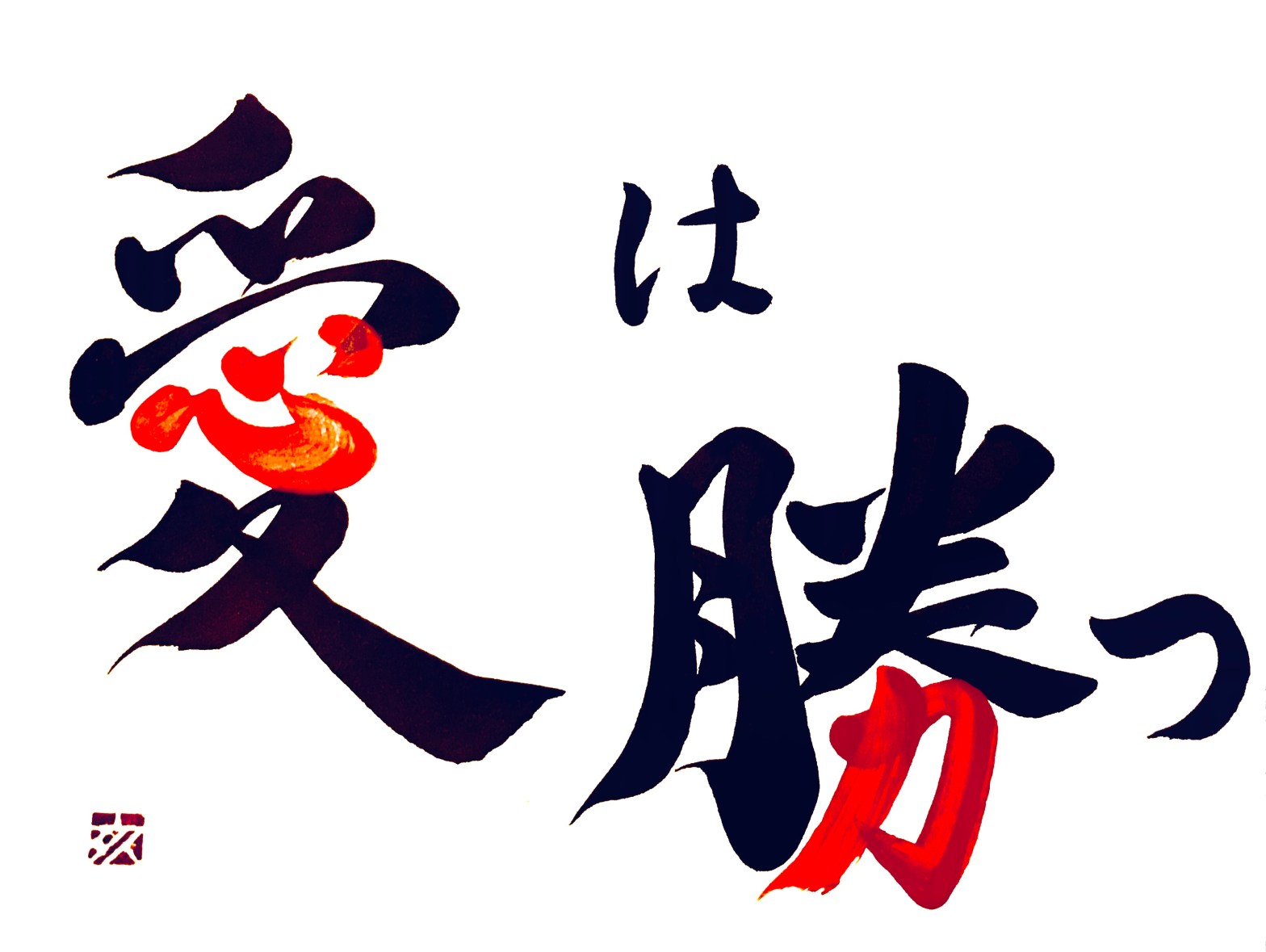
I created this as a commission for a friend who wanted to give it as part of a gift. Before writing, I double checked the Japanese with my Japanese teacher to make sure it sounded natural (I *always* do this – it saves embarrassing mistakes!). She said that as well as sounding natural, it isContinueContinue reading “愛は勝つ (ai wa katsu) “love wins””
臥虎藏龍 Crouching Tiger, Hidden Dragon
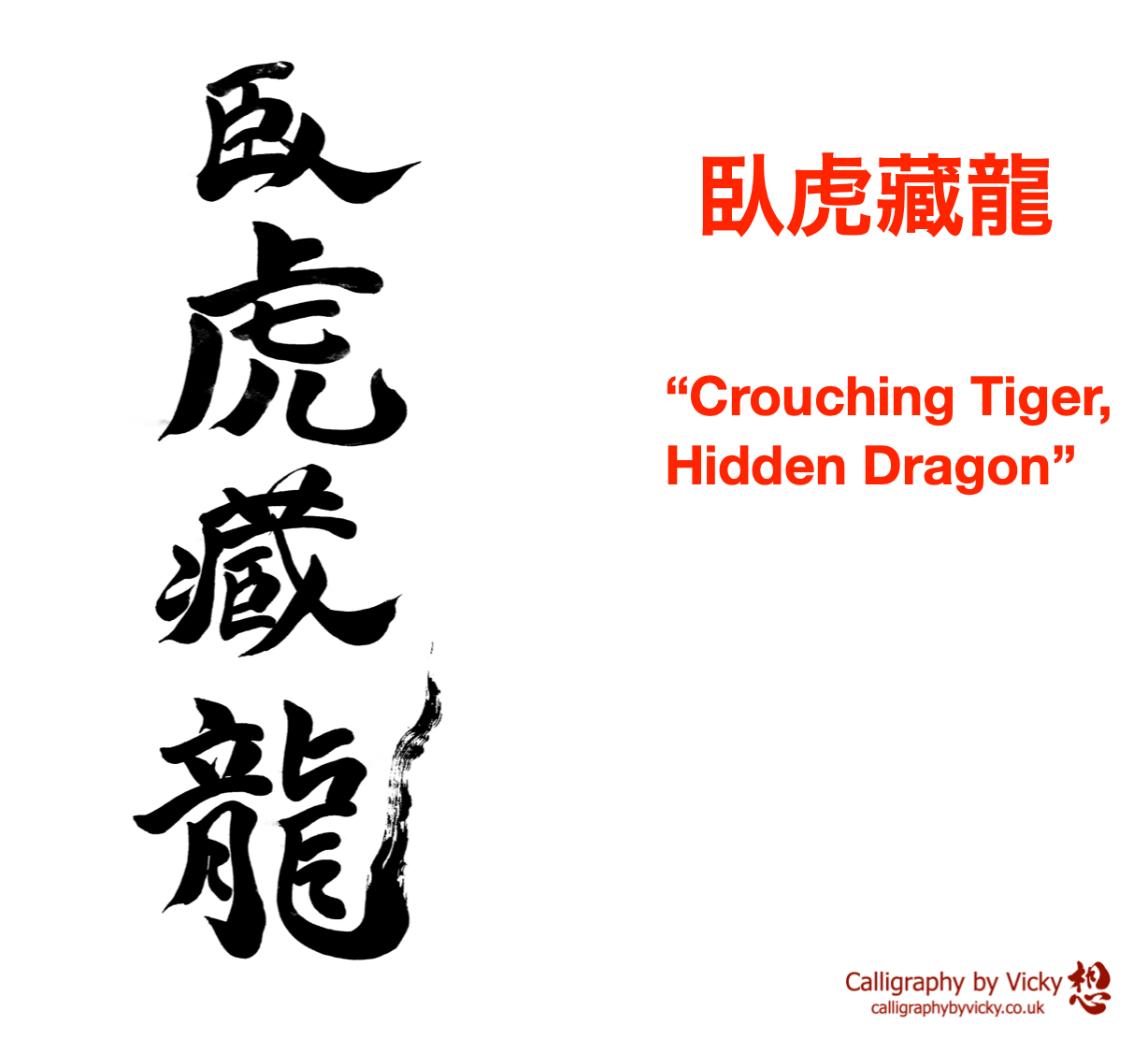
This is a Chinese idiom which describes a place that is full of talented or extraordinary people who remain hidden and undiscovered. It’s also the name of the 2000 Chinese martial arts movie starring the amazing Michelle Yeoh.
Do you Really Need to Learn Kanji for a Short Trip to Japan?
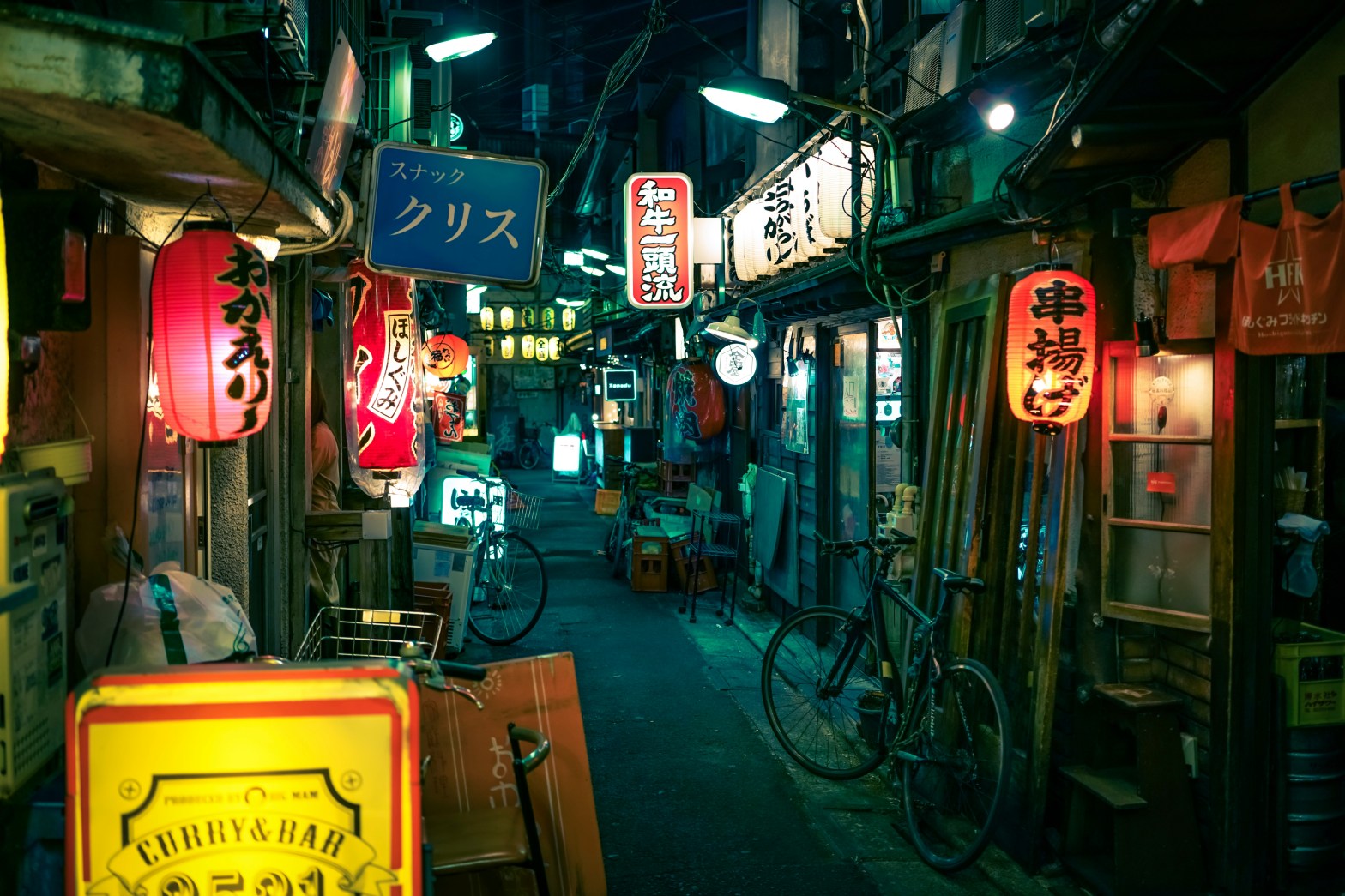
Do you need to learn these kanji? Photo by Alex Knight on Unsplash Originally posted on Medium here. Kanji, hiragana, katakana, romaji. The Japanese language uses four writing systems. (Five if you count emoji, a Japanese invention.) Hiragana and katakana are syllabaries — each character represents a phoneme rather than a word or semantic unit. They are relatively easy to learn; both syllabaries contain about 50ContinueContinue reading “Do you Really Need to Learn Kanji for a Short Trip to Japan?”
桜 (sakura) “cherry blossom”
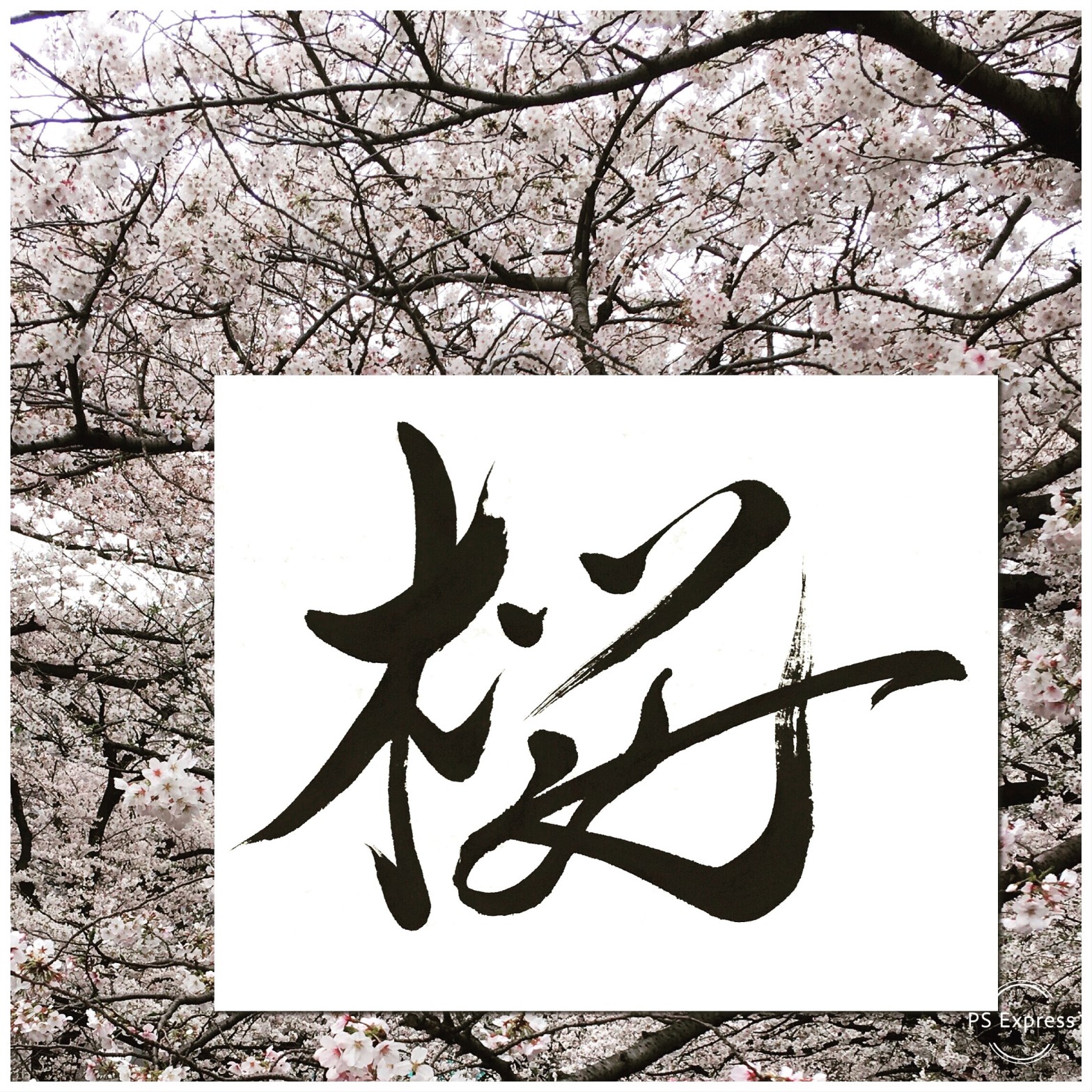
Here’s some seasonal calligraphy. It’s cherry blossom season in most of Japan at the moment. Cherry blossom is a sign of new life and new beginnings. In Japan the academic year begins in April, when the cherry blossoms are in full bloom. I took this picture on the banks of the Meguro River, a veryContinueContinue reading “桜 (sakura) “cherry blossom””
 Calligraphy by Vicky