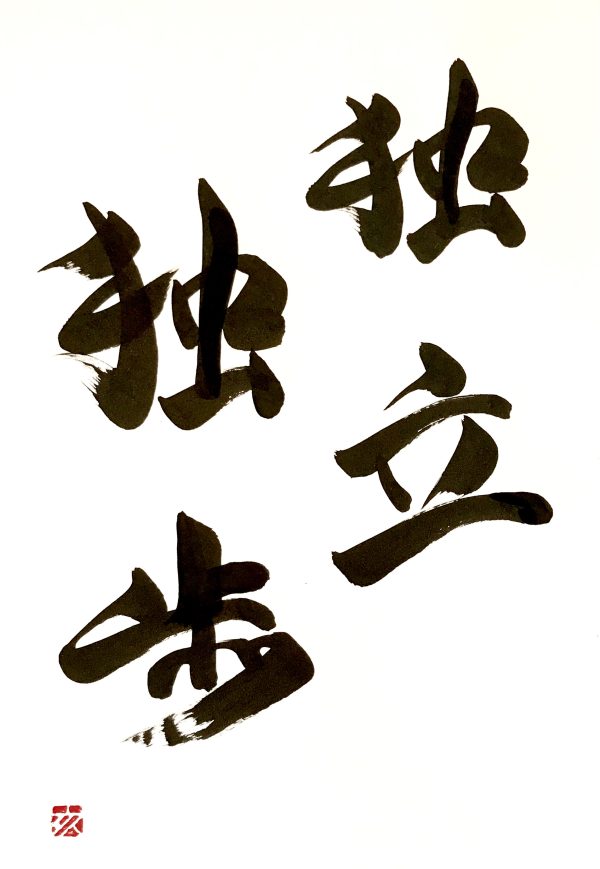
The kanji:独 (1st and 3rd kanji) = independence立 = standing歩 = walking This phrases refers to following the path you believe in on your own, without relying on others.The second kanji means “standing”, so perhaps a more elegant English translation is “standing on one’s own two feet”.独立独歩 is a special kind of Japaneses idiom knownContinueContinue reading “独立独歩 (doku-ritsu-dop-po) “To be independent and do things one’s own way””
Tag Archives: Japanese language
迷悟一如 (mei-go-ichi-nyo)

The kanji: 迷 being lost, confused, considering 悟 enlightenment 一 one 如 same So… “being confused and being enlightened are one and the same” In traditional Japanese culture, it is considered ethical to take a long time to reach a decision and come to a conclusion. Quick decisions are seen as rash and may leadContinueContinue reading “迷悟一如 (mei-go-ichi-nyo)”
水無月 (mi-na-tsuki) “The month of water”
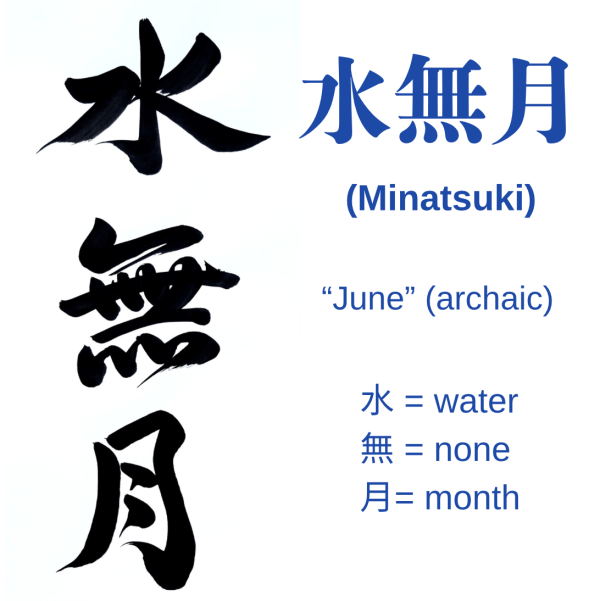
The kanji: 水 = water 無 = none / not any 月 = month 無 means “not any”, not “of”. So why doesn’t this mean “the month with no water”? According to wikipedia, this 無 is used purely as an ateji, which is a kanji used for its pronunciation rather than its meaning. 無 isContinueContinue reading “水無月 (mi-na-tsuki) “The month of water””
Excerpt from the Heart Sutra
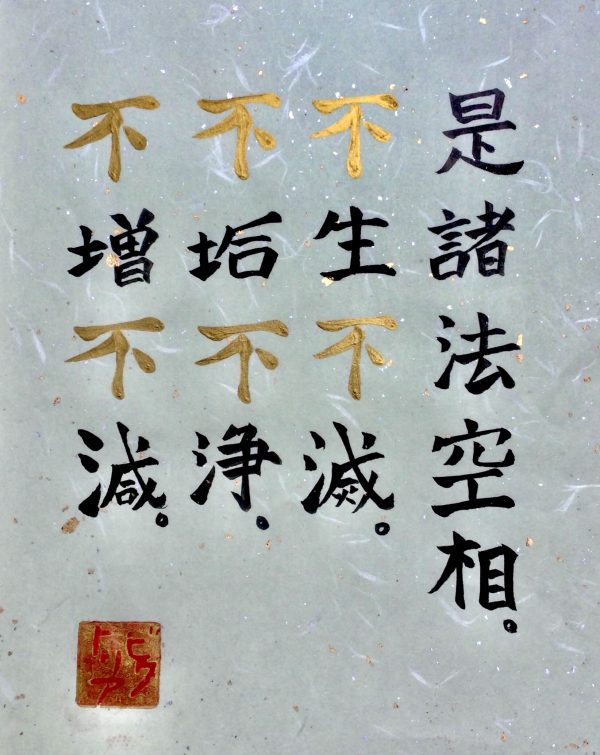
是諸法空相 = All phenomena bear the mark of Emptiness 不生不滅 = no Birth no Death 不垢不浄 = no Defilement no Purity 不増不減 = no Increasing no Decreasing (Translation by Thich Nhat Hanh) The Heart Sutra is one of the most important sutras (religious texts) in Buddhism. It celebrates the idea that all things of theContinueContinue reading “Excerpt from the Heart Sutra”
珈琲 (kōhī) “coffee”
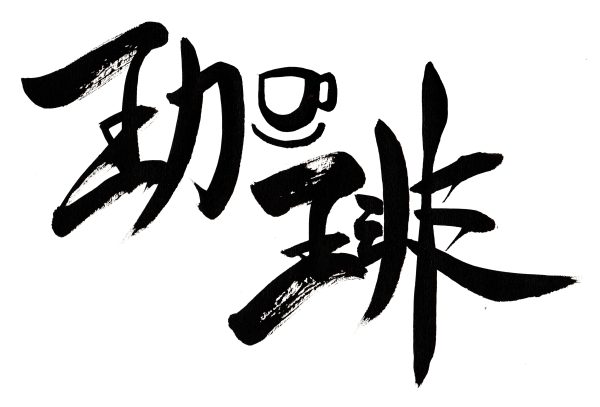
Image by Rebecca (client) Japanese language students will know that “coffee” is usually written in katakana: コーヒー However it does have a kanji! (Or rather, it’s made of 2 kanji): 珈琲 These kanji are what is known as ateji – kanji which are used to phonetically represent foreign loan words. In many cases, the atejiContinueContinue reading “珈琲 (kōhī) “coffee””
日進月歩 (nisshin geppō) “steady progress” 🐢

Tried to do something different from my usual style here. It was challenging but I like the result.The kanji in this idiom:日 = day (or sun)進 = progress月 = month (or moon)歩 = walking / steps 日進月歩 is a special kind of Japaneses idiom known as a 四字熟語 (よじじゅくご、yo-ji-juku-go), or 4-character idiom. As the nameContinueContinue reading “日進月歩 (nisshin geppō) “steady progress” 🐢”
笑門来福 (shōmonraifuku)”Good fortune comes to a happy home”
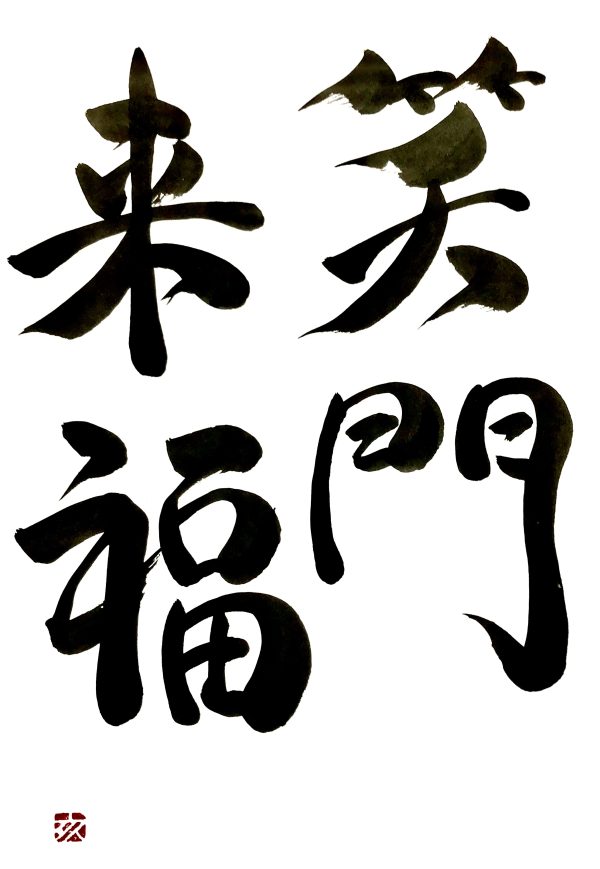
The kanji in this phrase are: 笑 = laughing, smiling 門 = gate, door 来 = comes 福 = good luck In other words, good luck will come to the door of those who are smiling. This phrase is an abbreviation of 笑う門には福来る (warau mon ni wa fuku kuru). Shortened to 笑門来福, it becomes aContinueContinue reading “笑門来福 (shōmonraifuku)”Good fortune comes to a happy home””
無常 (mujō) “impermanence”
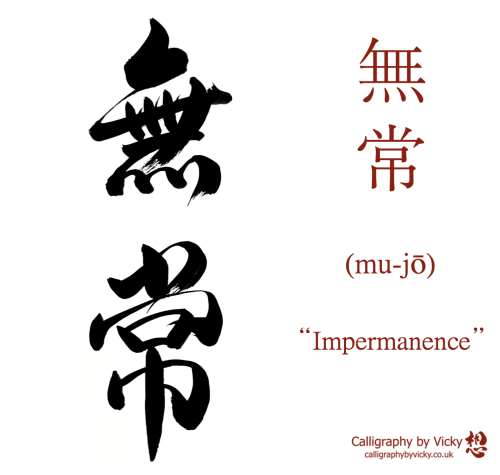
“Western aesthetics is sometimes familiar with simplicity, asymmetry and suggestion, but the idea that beauty lies in its own vanishing is an idea much less common. Perishability remains, however, what [Donald] Keene has called the ‘the most distinctively Japanese aesthetic ideal’. It is certainly among the earliest, being based on the Buddhist concept of “mujō”…ContinueContinue reading “無常 (mujō) “impermanence””
心 (kokoro) “heart/mind”
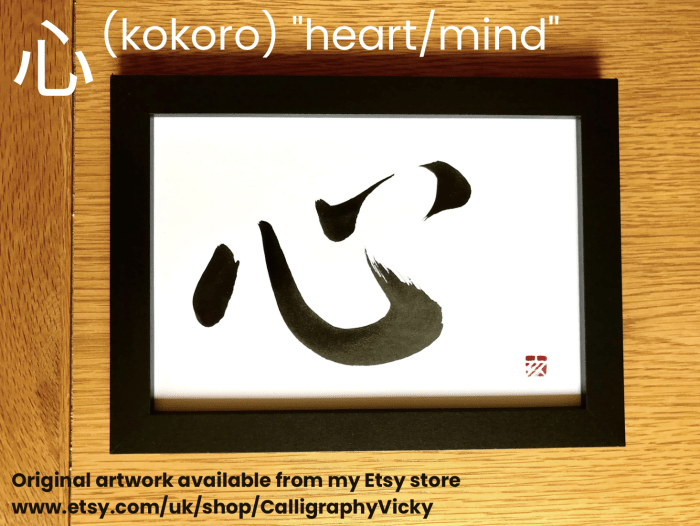
Unlike in English, where “heart” and “mind” are typically separated (emotion vs. logic), 心 kokoro refers to both feelings and thoughts, and even one’s will or intent. It combines thoughts, feelings, intentions and even morality in a way that the English word “heart” does not, which is probably why the translators of Natsume Soseki’s famous novel Kokoro chose to leaveContinueContinue reading “心 (kokoro) “heart/mind””
一生懸命 (is-shō-ken-mei) “to do something to the utmost of one’s ability”
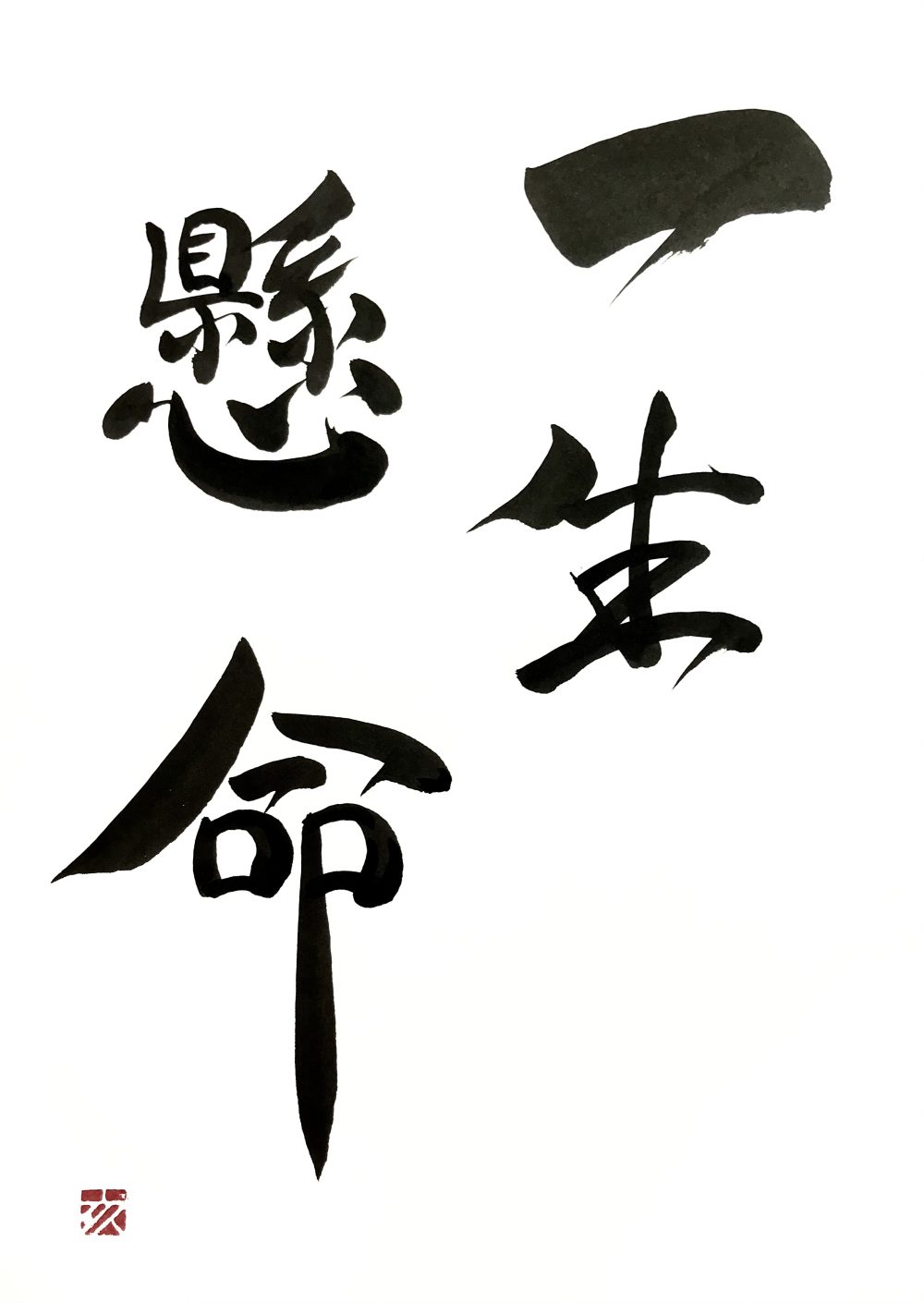
一生懸命 (is-shou-ken-mei) is usually translated as something like “with utmost effort”. The kanji are: 一 = one 生 = life 懸 = depends (amongst other meanings…) 命 = fate A more literal translation might be: “doing something as if your life depends on it”. Fun fact, 一生懸命 is actually a 四字熟語 (yo-ji-juku-go), or 4-character idiom! This isContinueContinue reading “一生懸命 (is-shō-ken-mei) “to do something to the utmost of one’s ability””
 Calligraphy by Vicky