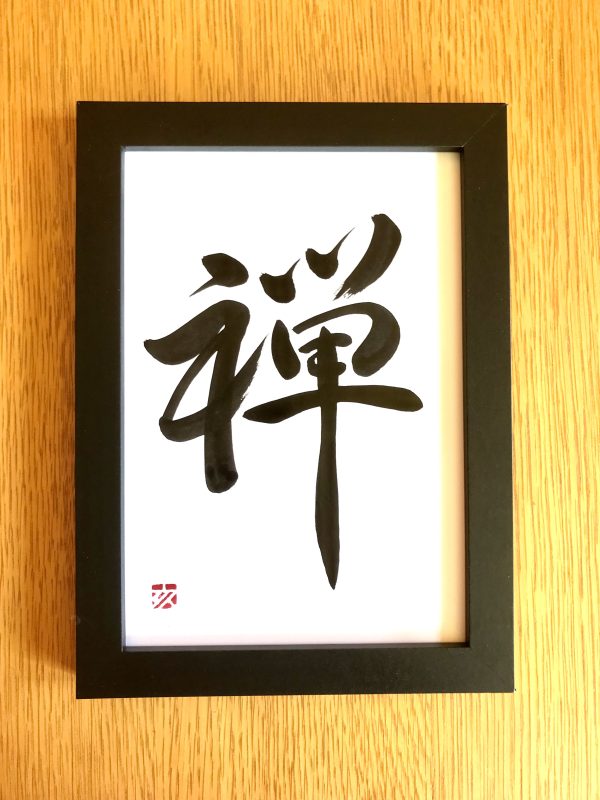
“There is no way to enlightenment; enlightenment is the way”. – Thich Nhat Hanh, Zen Master This one-off calligraphy work is available on my Etsy store here
Tag Archives: Japanese language
以心伝心(i-shin-den-shin)“communication without words”
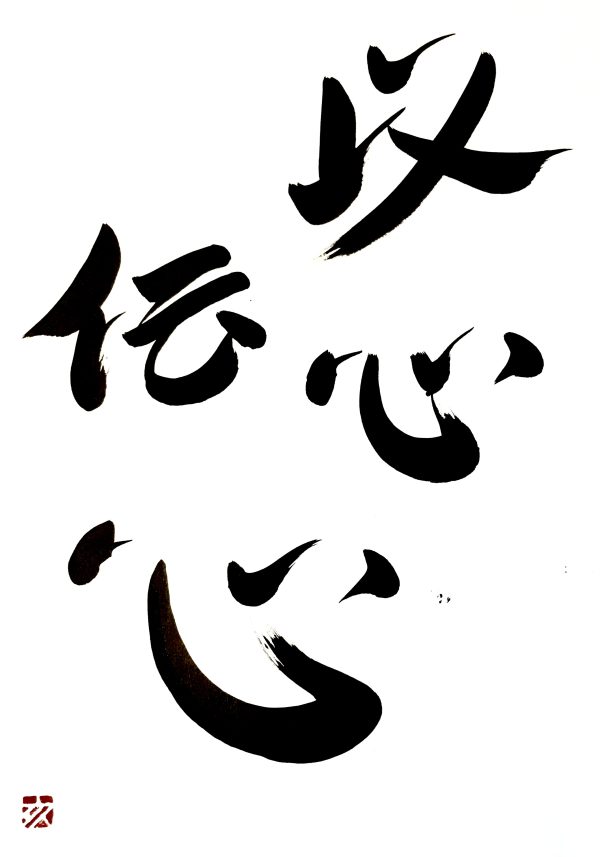
The kanji: 以 = by 心 = heart 伝 = to communicate 心 = heart This idiom refers to heart-to-heart communication; speaking without words. It is often said that the typical Japanese communication style has a tendency to leave certain things unsaid, to not say every word, and to read between the lines. “i-shin-den-shin” capturesContinueContinue reading “以心伝心(i-shin-den-shin)“communication without words””
初心 (shoshin) “beginner’s mind”
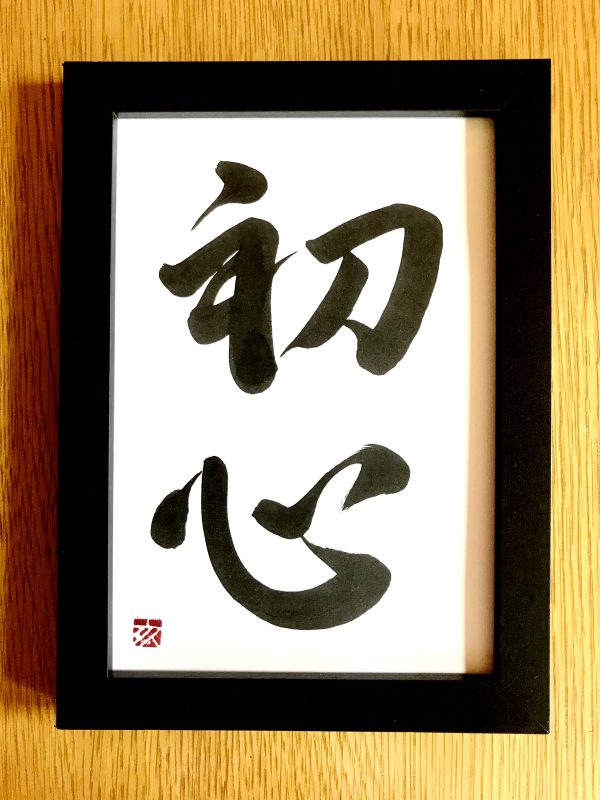
初 = for the first time, in the beginning. (This is the same kanji as 初め hajimé, meaning “for the first time”, as in the common Japanese greeting 初めまして hajimémashité.) 心 = heart, mind Having a “Beginner’s Mind” means viewing a situation from a fresh perspective, staying humble, and understanding that there is always moreContinueContinue reading “初心 (shoshin) “beginner’s mind””
森林浴 (shin-rin-yoku) “forest-bathing”

森林 = forest (look at all the 木 trees in these 2 kanji!) 浴 = bathing Literally translating as “forest-bathing”, 森林浴 shin-rin-yoku refers to spending time in a forest for mental and physical relaxation.
一日一歩 (ichi-nichi-ip-po) “Moving forwards, one step every day”

一 = one 日 = day 一 = one 歩 = step This is a special kind of Japaneses idiom known as a 四字熟語 (よじじゅくご、yo-ji-juku-go), or 4-character idiom. As the name suggests, these are idiomatic phrases made of 4 kanji characters. They often contain a small life lesson or moral message, similar to English sayingsContinueContinue reading “一日一歩 (ichi-nichi-ip-po) “Moving forwards, one step every day””
夢 (yumé) “dream”

Do you remember your dreams? According to Japanese tradition, the things you dream about in your first dream of the new year can foretell what’s going to happen in the coming year. It is believed that the 3 most auspicious things to dream of are: Mount Fuji 🗻 A hawk 🦅 An eggplant / aubergineContinueContinue reading “夢 (yumé) “dream””
晴耕雨読 (sei-kō-u-doku) “in fine weather do work; when it’s rainy, read”
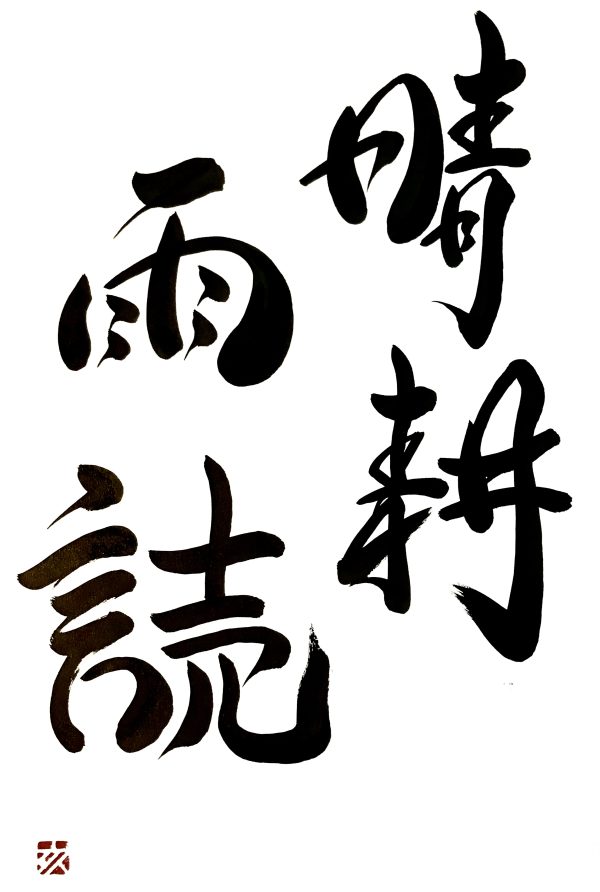
晴 = sunny 耕 = ploughing 雨 = rainy 読 = reading The message here seems to be to do everything at its proper time. Work when it’s sunny, and rest when it rains. This is a special kind of Japaneses idiom known as a 四字熟語 (よじじゅくご、yo-ji-juku-go), or 4-character idiom. As the name suggests, theseContinueContinue reading “晴耕雨読 (sei-kō-u-doku) “in fine weather do work; when it’s rainy, read””
道 (dō) “Way”, “Route”, “The Tao”
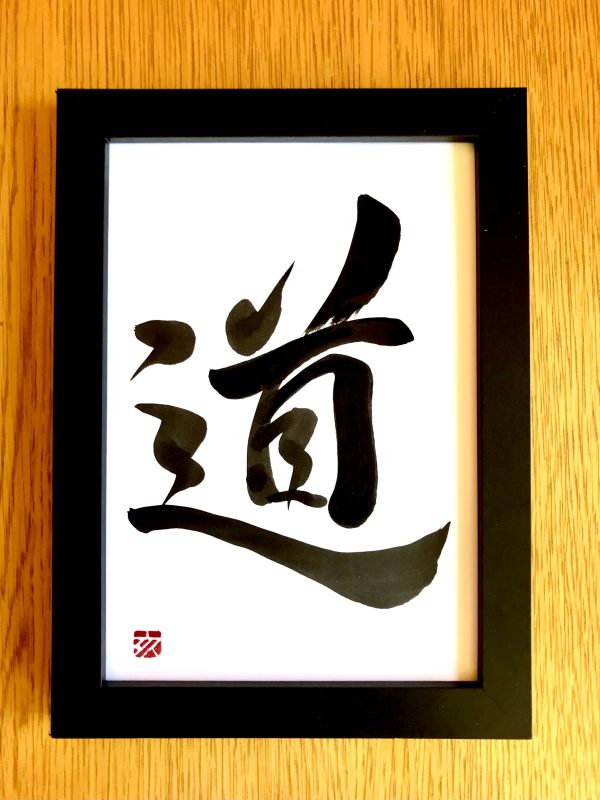
This is the “-dō” in the Japanese martial arts of judō, kendō and aikidō, as well as shodō (calligraphy), sadō (tea ceremony) and many others. Loosely translated, it means “way”, “route”, “path” or “doctrine”. My calligraphy teacher said that studying a Japanese art is considered similar to taking a journey up a mountain. The summitContinueContinue reading “道 (dō) “Way”, “Route”, “The Tao””
葉月 (hazuki) “August” (archaic)

Like many countries, Japan uses a 12-month calendar. The names are very simple. January is literally “Month one”, February is “Month two”, etc: 一月 = January 二月 = February However, before the Meiji Restoration (mid-1800s) it was common to use an older 12-month system. These months’ names referenced the weather and the seasons (similar toContinueContinue reading “葉月 (hazuki) “August” (archaic)”
陰陽 (in-yō) “yin-yang”

Yin is dark, cold, receptive, magnetic. Yang is light, hot, giving, active. Yin and Yang are relative. The element of water is usually considered very Yin, but fast-moving water is Yang compared to still water. Both are present in everything. Rather than being opposites, they are two sides of the same coin. A cup isContinueContinue reading “陰陽 (in-yō) “yin-yang””
 Calligraphy by Vicky