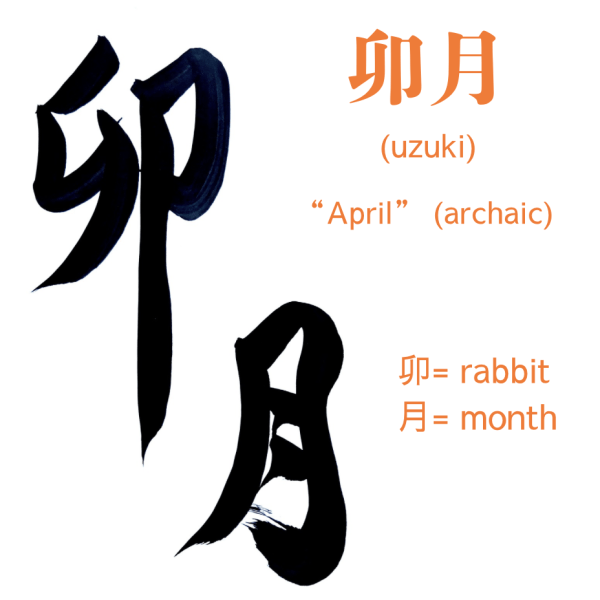
Like many countries, Japan uses a 12-month calendar. The names are very simple. January is literally “Month One”, February is “Month Two”, etc: 一月 = January 二月 = February However, before the Meiji Restoration (mid-1800s) it was common to use an older 12-month system. These months’ names referenced the weather and the seasons (similar toContinueContinue reading “卯月(uzuki) “April” (archaic)”
Tag Archives: Japanese history
睦月 (mu-tsu-ki) “January” (archaic)
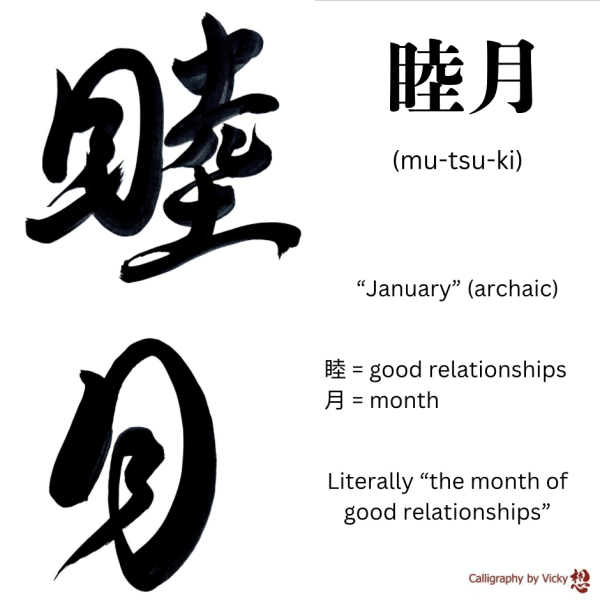
Like many countries, Japan uses a 12-month calendar. The names are very simple. January is literally “Month One”, February is “Month Two”, etc: 一月 = January 二月 = February However, before the Meiji Restoration (mid-1800s) it was common to use an older 12-month system. These months’ names referenced the weather and the seasons (similar toContinueContinue reading “睦月 (mu-tsu-ki) “January” (archaic)”
抱負 (hō-fu) resolution
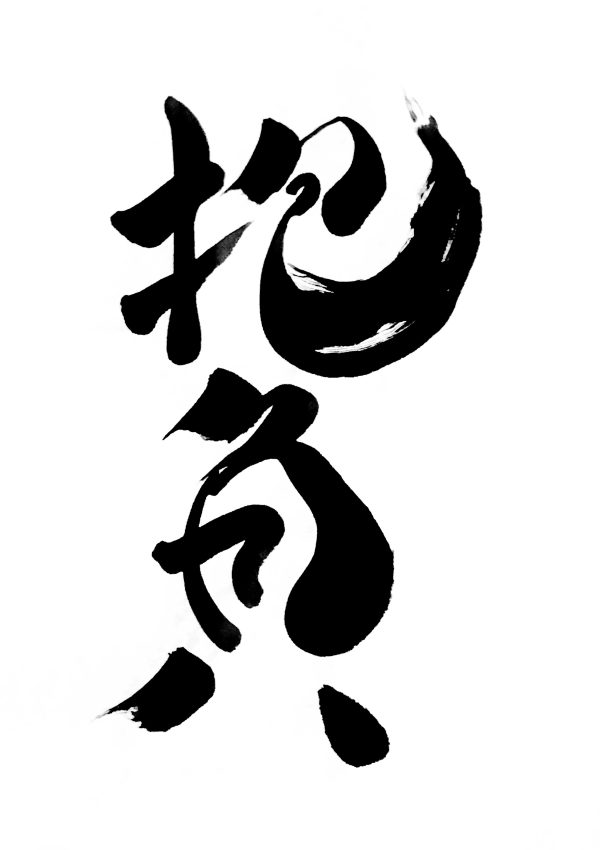
New Year’s resolutions are just as popular in Japan as they are in western countries. In Japanese “New Year’s resolution” is 新年の抱負 (shin-nen-no-hō-fu). 新年 = New Year (shin-nen) 抱負 = resolution (hō-fu)
初心 (shoshin) “beginner’s mind”
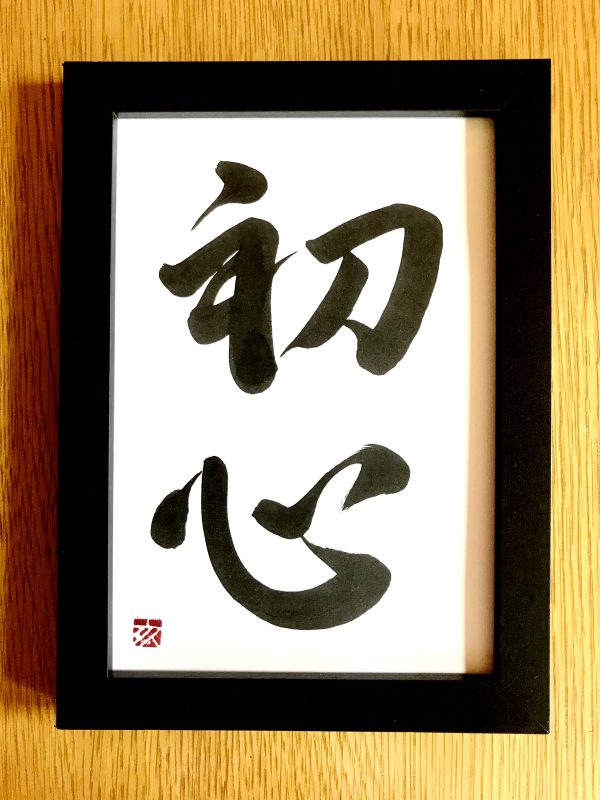
初 = for the first time, in the beginning. (This is the same kanji as 初め hajimé, meaning “for the first time”, as in the common Japanese greeting 初めまして hajimémashité.) 心 = heart, mind Having a “Beginner’s Mind” means viewing a situation from a fresh perspective, staying humble, and understanding that there is always moreContinueContinue reading “初心 (shoshin) “beginner’s mind””
守破離 (shu-ha-ri) “Follow the rule, break the rule, be the rule!”
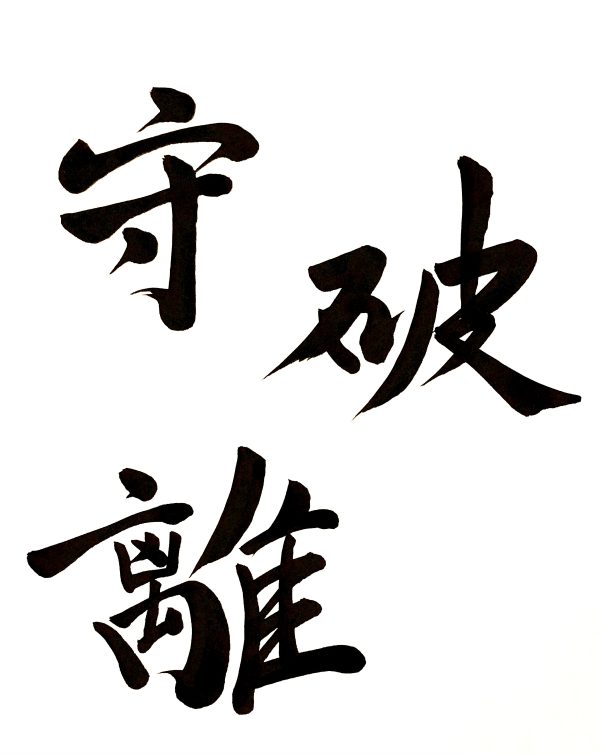
守破離 “Shu-ha-ri” describes the 3-stage process of learning a skill or discipline. This 3-character idiom was originally a martial arts concept, but can apply to pretty much any discipline. The 3 stages are as follows: Stage 1: 守 = follow This is the beginning stage, when the student is learning the techniques. This stage isContinueContinue reading “守破離 (shu-ha-ri) “Follow the rule, break the rule, be the rule!””
茶 (cha) “tea”
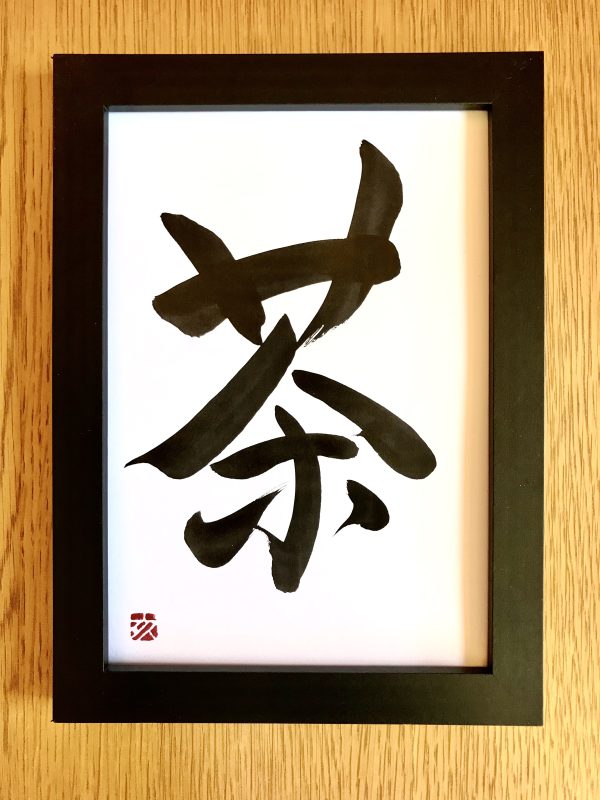
As in my home country of the UK, tea is an important part of Japanese culture and everyday life. The Japanese tea master Sen no Rikyū developed the traditional Japanese tea ceremony, elevating the tea-drinking and the tea room to a philosophy and an art form: “The simplest object, framed by the controlled simplicity ofContinueContinue reading “茶 (cha) “tea””
夏雲奇峰 (natsu-gumo-ki-hou) “Summer clouds shaped like strange mountains”
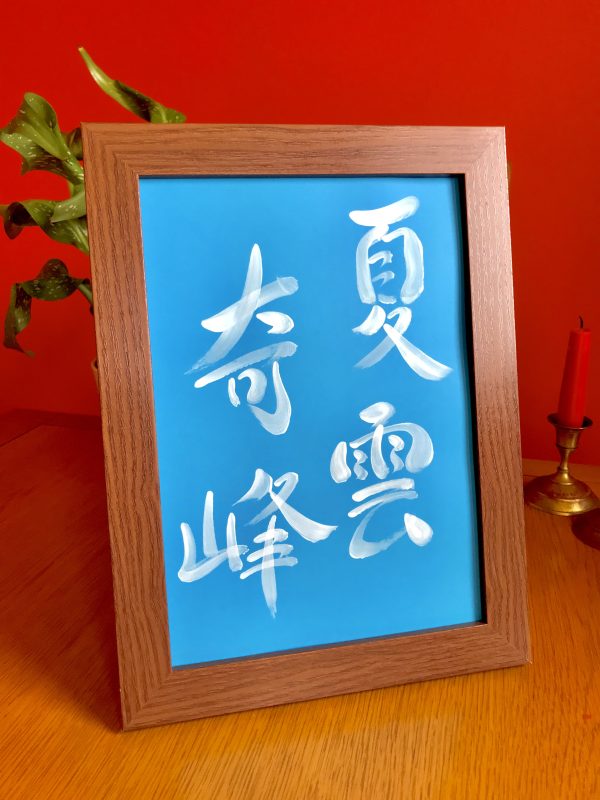
Some seasonal calligraphy specially for summertime! The kanji are: 夏 = summer 雲 = cloud(s) 奇 = strange 峰 = peak It references the white fluffy clouds of summer which take many different shapes, including strange mountains! This phrase is a special kind of Japaneses idiom known as a 四字熟語 (よじじゅくご、yo-ji-juku-go), or 4-character idiom. AsContinueContinue reading “夏雲奇峰 (natsu-gumo-ki-hou) “Summer clouds shaped like strange mountains””
七夕 (Tanabata) The Japanese star festival
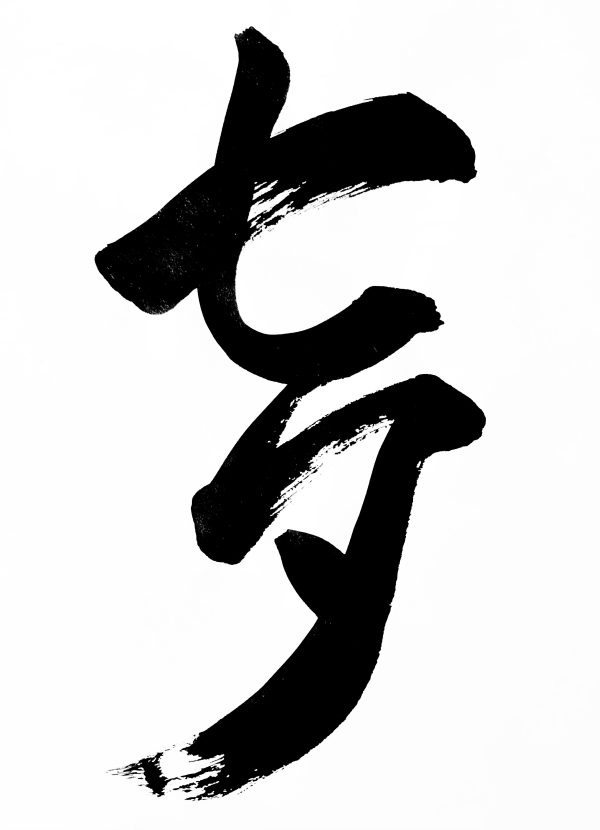
Often translated into English as the “Star Festival”, Tanabata celebrates the annual meeting of the stars Vega and Altair, believed to be separated lovers who are permitted by the gods to meet only once a year, in early July. People celebrate this festival by writing wishes on small coloured pieces of paper and tying themContinueContinue reading “七夕 (Tanabata) The Japanese star festival”
珈琲 (kōhī) “coffee”
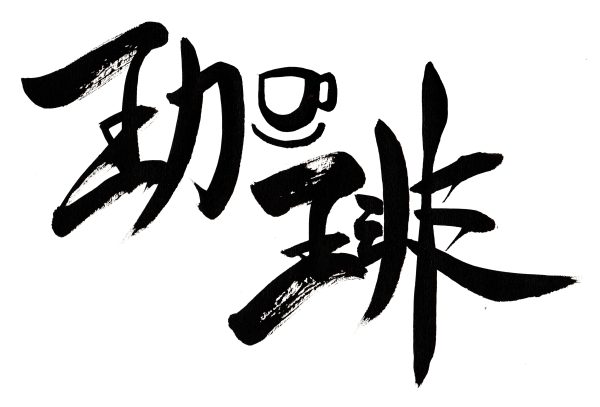
Image by Rebecca (client) Japanese language students will know that “coffee” is usually written in katakana: コーヒー However it does have a kanji! (Or rather, it’s made of 2 kanji): 珈琲 These kanji are what is known as ateji – kanji which are used to phonetically represent foreign loan words. In many cases, the atejiContinueContinue reading “珈琲 (kōhī) “coffee””
卯月(uzuki) “April” (archaic)
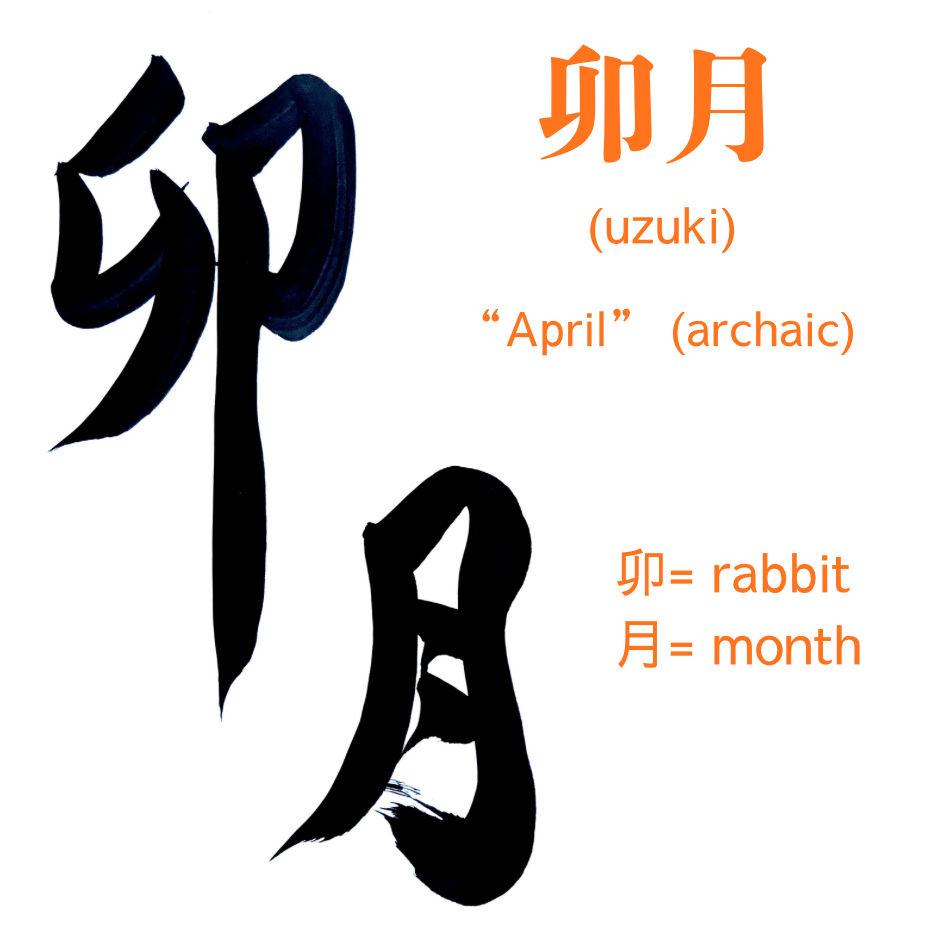
Like many countries, Japan uses a 12-month calendar. The names are very simple. January is literally “Month One”, February is “Month Two”, etc: 一月 = January 二月 = February However, before the Meiji Restoration (mid-1800s) it was common to use an older 12-month system. These months’ names referenced the weather and the seasons (similar toContinueContinue reading “卯月(uzuki) “April” (archaic)”
 Calligraphy by Vicky