kanji (left side), hiragana (top right) and katakana (bottom right) When you begin learning Japanese, chances are you’ll find yourself coming up against not only one writing system, but multiple. The text below is taken from Wikipedia’s entry on kanji. I’ve coloured each of the writing systems in a different colour: また、英語圏やフランス語圏で「Kanji」と言う場合は、日本の漢字、狭義では新字体を指す。 As you canContinueContinue reading “How many writing systems does the Japanese language use?”
Tag Archives: japanese
An Introduction to Japanese Calligraphy (by my teacher)
I spent a long time thinking about what to write for my first article about Japanese calligraphy. There is so much to say, it’s difficult to know where to start. Then I remembered that my teacher had once written a short introduction to Japanese calligraphy, which I had translated into English. What better way toContinueContinue reading “An Introduction to Japanese Calligraphy (by my teacher)”
縁 (en) “destined (to be together)”
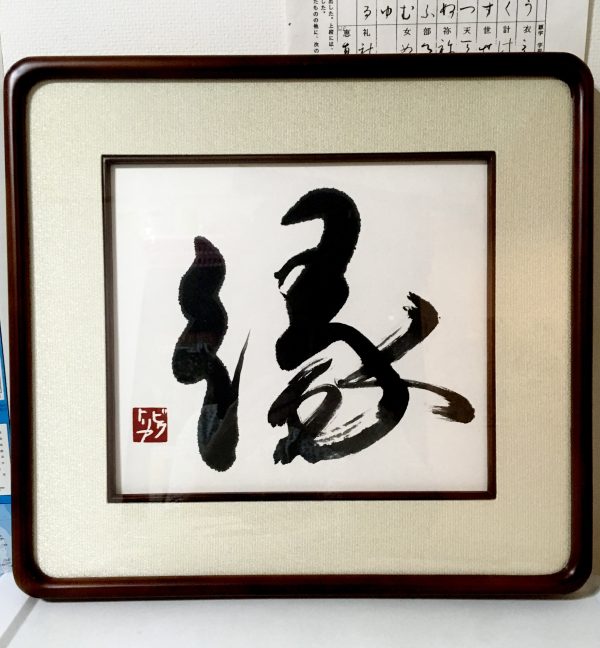
This work was a wedding gift. 縁 (en) can refer to destiny in general, but it often has romantic connotations…. something like “star-crossed lovers”, destined to be together for all eternity.
十人十色 (jū-nin-tō-iro) “Each to their own”
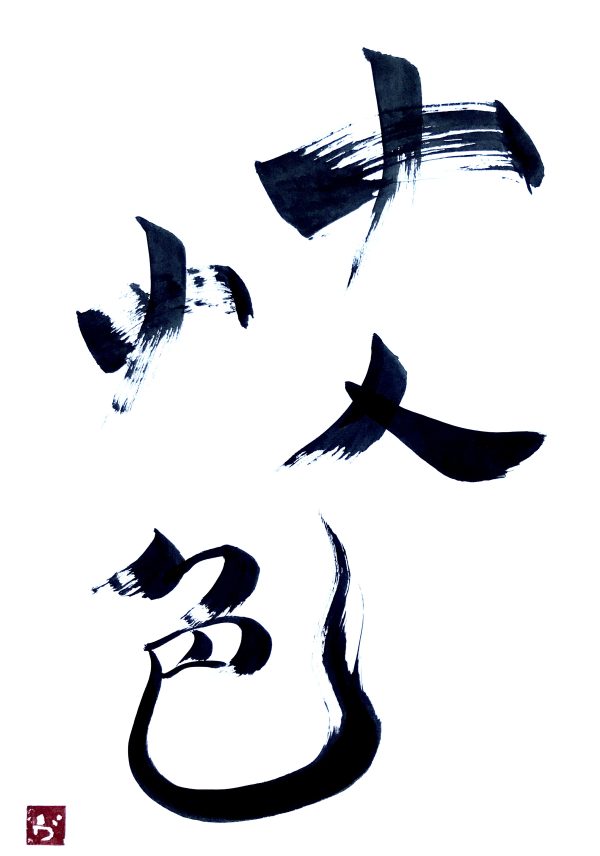
The kanji in this well-known Japanese idiom are: 十 = ten 人 = people 十 = ten 色 = colour(s) So literally: “ten people, ten colours”
一葉知秋 (ichi-yō-chi-shū) “from just one leaf one can know that autumn has come”
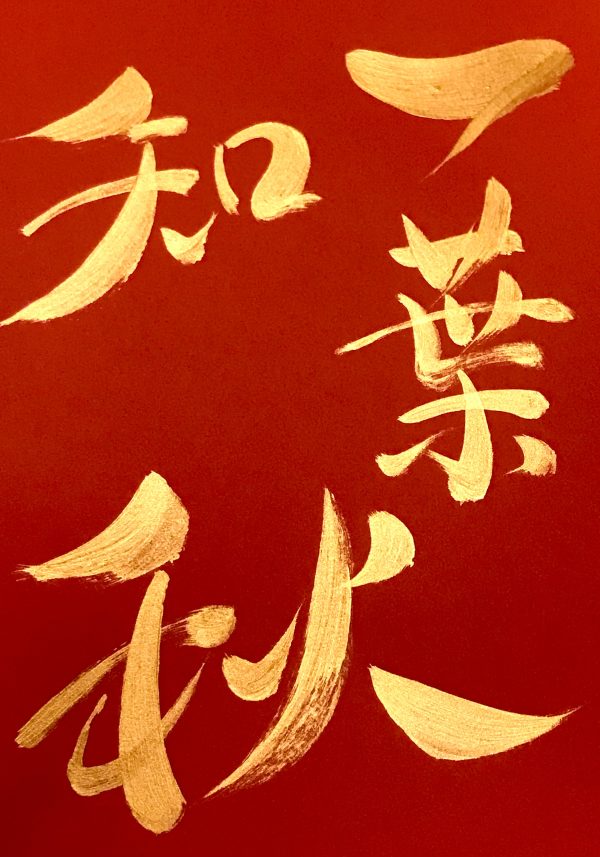
一 = one 葉 = leaf 知 = to know 秋 = autumn This phrase is about understanding the essence, changes, or decline of things from noticing slight signs or phenomena. It refers to realising the arrival of autumn by observing a single leaf fall.
書初め (kakizomé) The First Calligraphy of the New Year
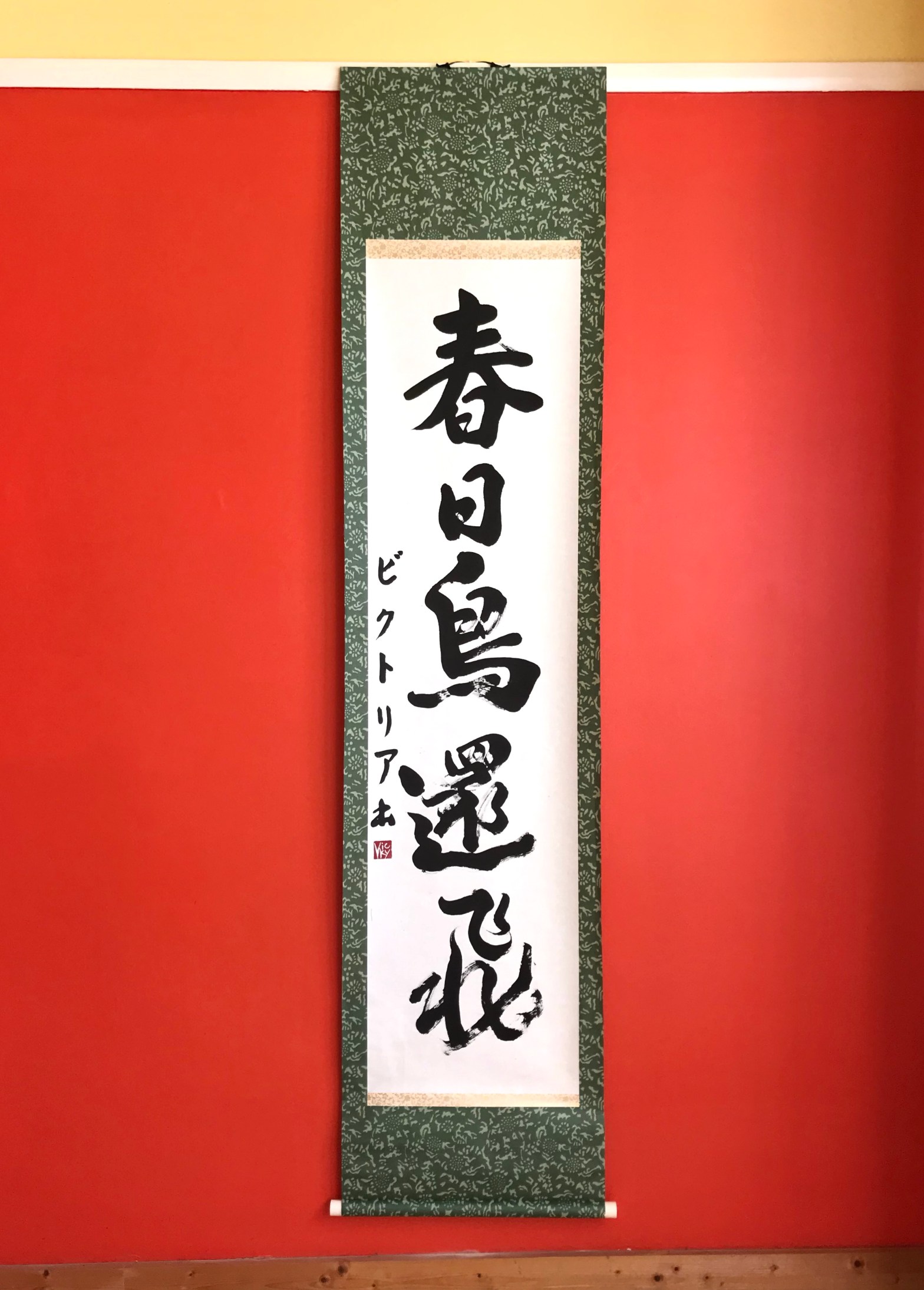
New Year’s is the biggest festival in Japan. As a time for new beginnings, it is often observed by doing activities “for the first time in the new year”. The first calligraphy of the new year is called 書初め (kakizomé). 書 = writing (as in 書道 – Japanese calligraphy, or “the way of writing”) 初ContinueContinue reading “書初め (kakizomé) The First Calligraphy of the New Year”
影 (ka-ge) “shadow”
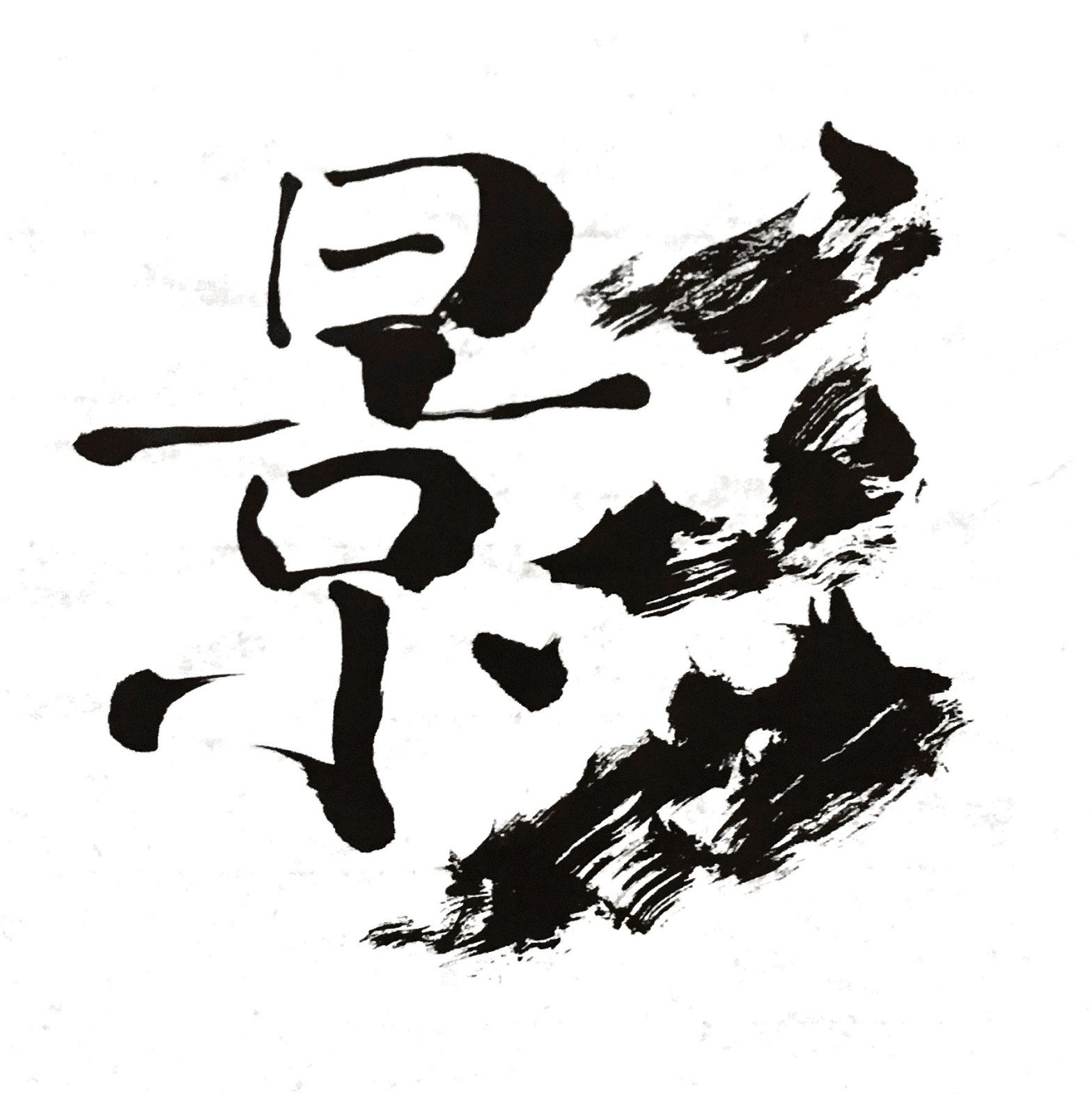
Japanese kanji characters are made up of smaller parts. The left hand side of a kanji is called then “hen”. In the case of 影, the “hen” is 景, which means “scenery” and can be a complete kanji by itself. The right hand side of a kanji is called the “tsukuri”. In this case theContinueContinue reading “影 (ka-ge) “shadow””
Five Ways Japan is Inconvenient for Foreign Travellers — Food and Drink Edition
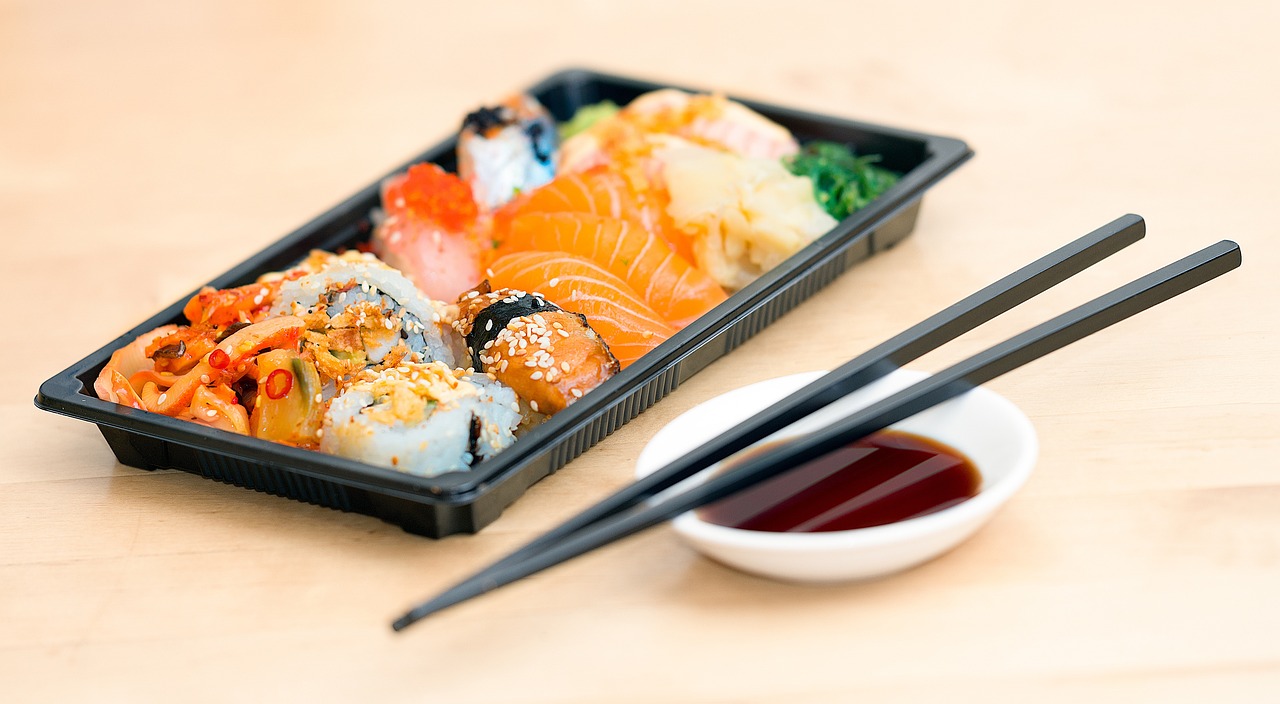
Image by Arek Socha from Pixabay Originally posted on Medium. World-famous for its unique and varied cuisine, Japan is a foodie’s paradise. There are so many must-try dishes, from home-grown dishes such as sushi and udon, to those adopted from other countries such as ramen, curry-rice and tonkatsu (fried pork cutlet). Unfortunately nowhere is perfect, and Japan can present someContinueContinue reading “Five Ways Japan is Inconvenient for Foreign Travellers — Food and Drink Edition”
Which Japanese Camera Company is Named after the Buddhist Goddess of Mercy?

The inspiration for the name of a famous camera company. Image by ftanuki from Pixabay. This article was originally published on Medium here. Mitsubishi. Kikkoman. Nintendo. Many Japanese companies are household names in the West. This article looks at the intriguing background behind the names of five of the most globally successful Japanese brands. Read on to findContinueContinue reading “Which Japanese Camera Company is Named after the Buddhist Goddess of Mercy?”
Three Mindset Shifts that will Fast-Track your Japanese Language Learning

image by andsproject from pixabay Article originally published on Medium in Japonica publication Mindset Shift Level 1: Learning Japanese > Practicing Japanese. A lot. “Learning” is a misnomer. You don’t so much learn a language as practice it. Becoming fluent in a foreign language has less in common with academic study and more with learning a sport, a dance, or a martial art:ContinueContinue reading “Three Mindset Shifts that will Fast-Track your Japanese Language Learning”
 Calligraphy by Vicky