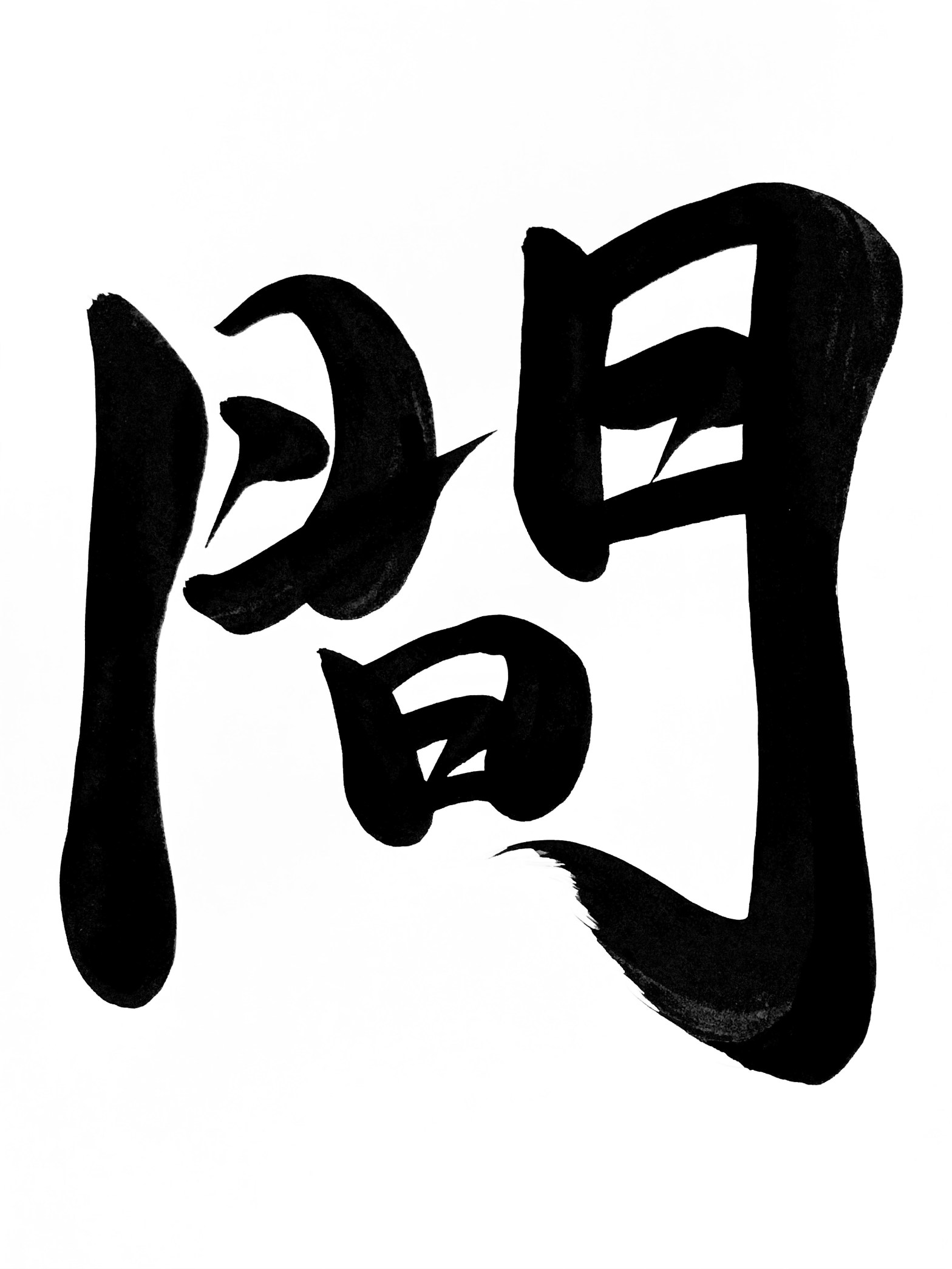
I told Miyazaki I love the “gratuitous motion” in his films; instead of every movement being dictated by the story, sometimes people will just sit for a moment, or they will sigh, or look in a running stream, or do something extra, not to advance the story but only to give the sense of timeContinueContinue reading “間 (ma) “emptiness, space, interval””
Tag Archives: Japan
Onoré-sho (writing as one likes)
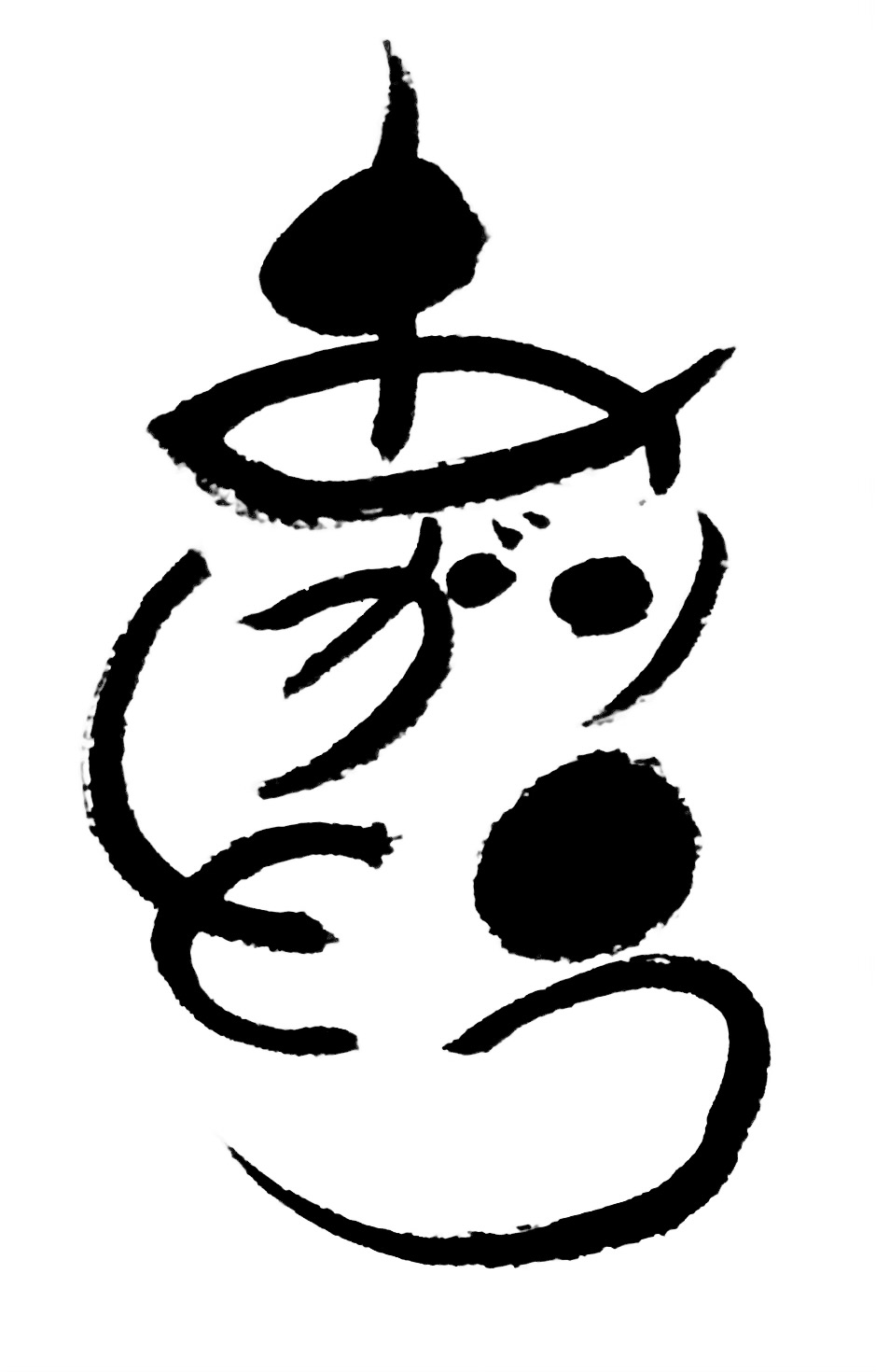
Here’s an example of a Japanese calligraphy style that’s easy to do! The style is called “onoré-sho”. “Onoré” is an old-fashioned and rather forceful way to refer to oneself. Onoré-sho emphasises a sense of freedom, doing things in one’s own way. With onoré-sho the artist is free to play around with the relative size, shapeContinueContinue reading “Onoré-sho (writing as one likes)”
臥虎藏龍 “Crouching Tiger, Hidden Dragon”
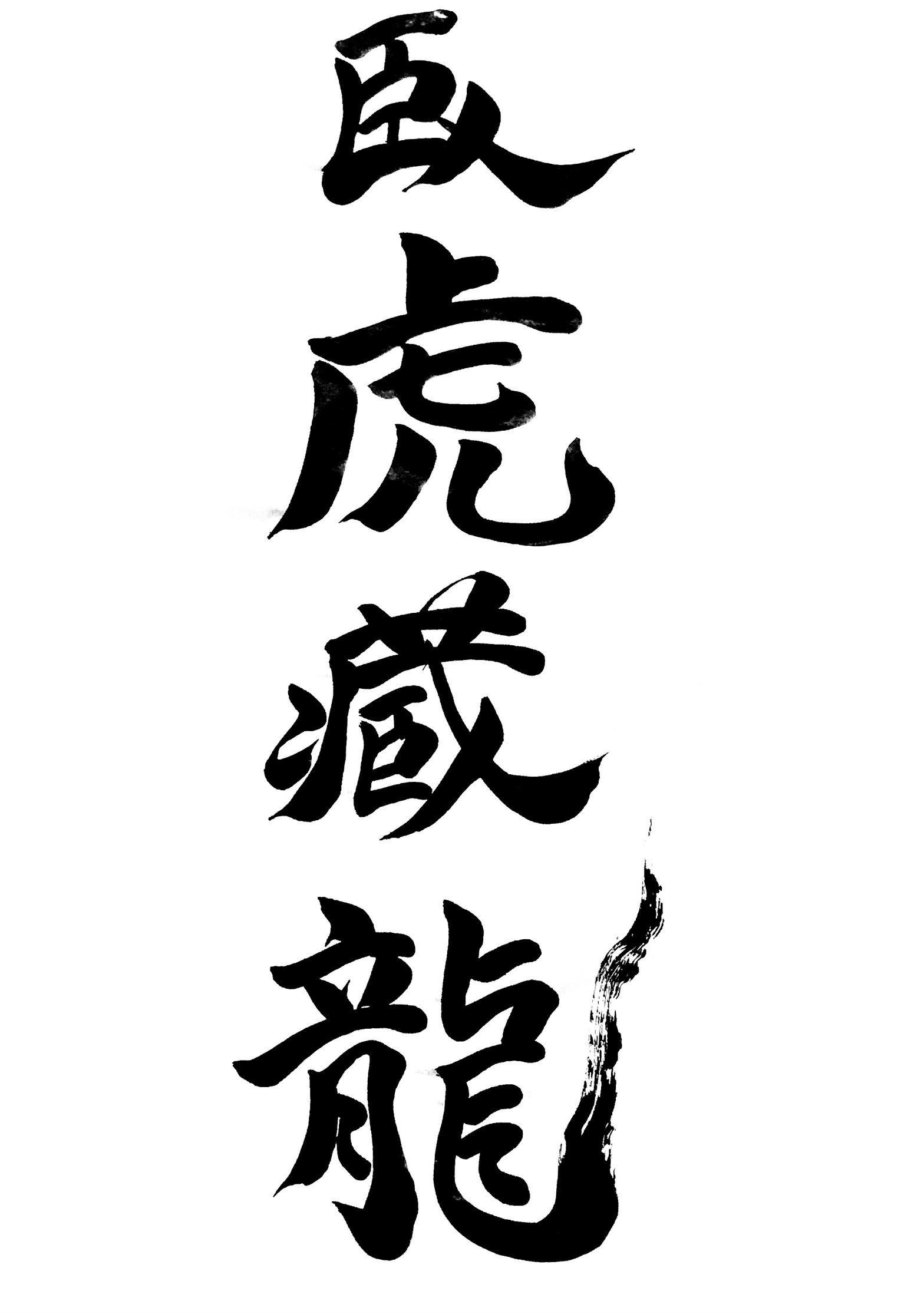
This Chinese idiom describes a place that is full of talented or extraordinary people who remain hidden and undiscovered. It’s also the name of the 2000 Chinese martial arts movie starring the talented and extraordinary Michelle Yeoh!
気 (ki) “energy” / “life-force” / “spirit”
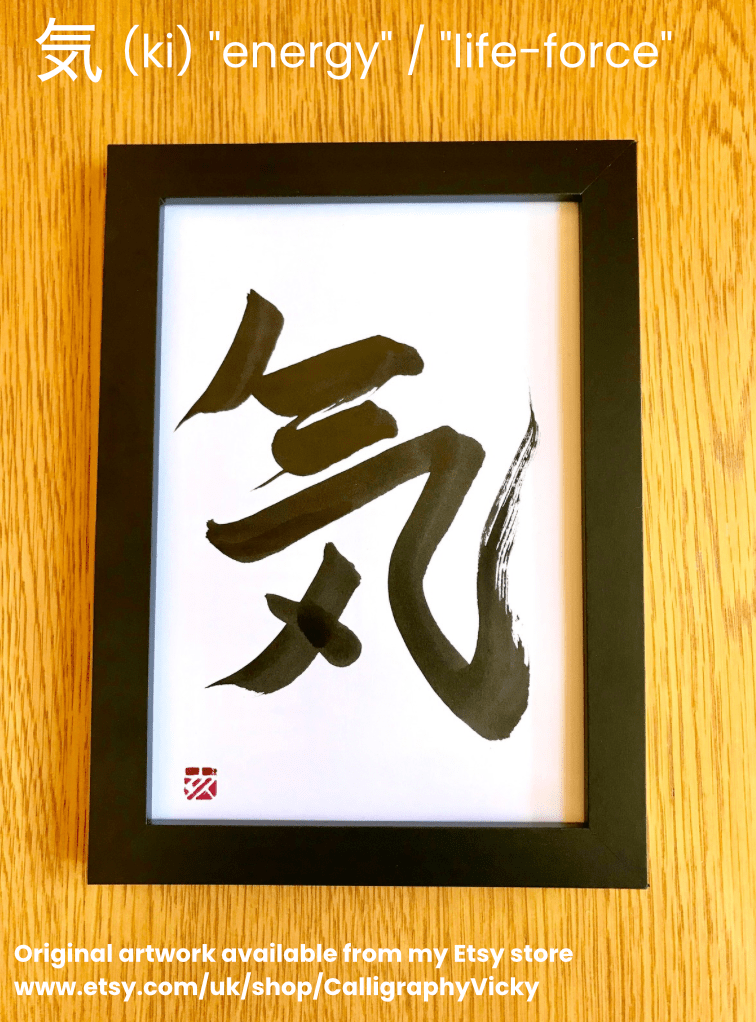
Japanese martial arts practitioners often give a loud quick shout as they perform an attacking move. This shout is a 気合 (ki-ai), often translated as “meeting of spirit”. This ki is the ki in aikido, qigong, and reiki. Ki is a central principle in traditional Chinese medicine and Eastern martial arts. It has been translated variously as energy, life force, vitalContinueContinue reading “気 (ki) “energy” / “life-force” / “spirit””
卯月(uzuki) “April” (archaic)
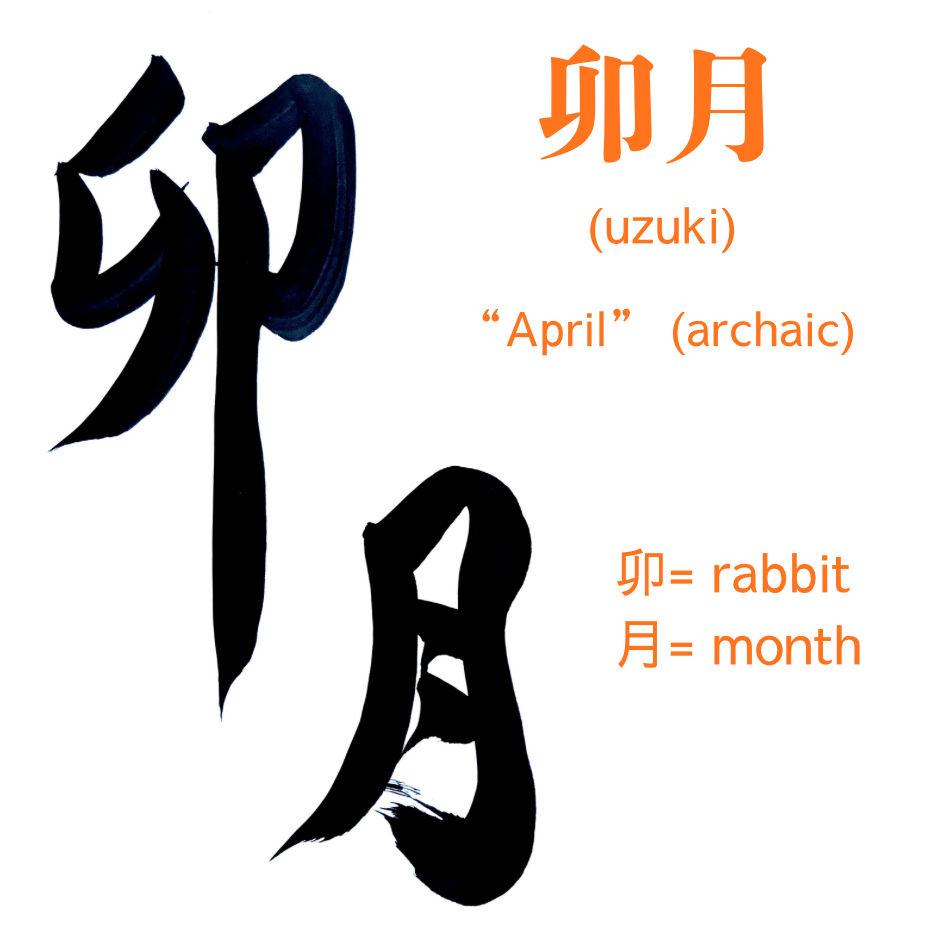
Like many countries, Japan uses a 12-month calendar. The names are very simple. January is literally “Month One”, February is “Month Two”, etc: 一月 = January 二月 = February However, before the Meiji Restoration (mid-1800s) it was common to use an older 12-month system. These months’ names referenced the weather and the seasons (similar toContinueContinue reading “卯月(uzuki) “April” (archaic)”
限 (gen) “boundary, limit”
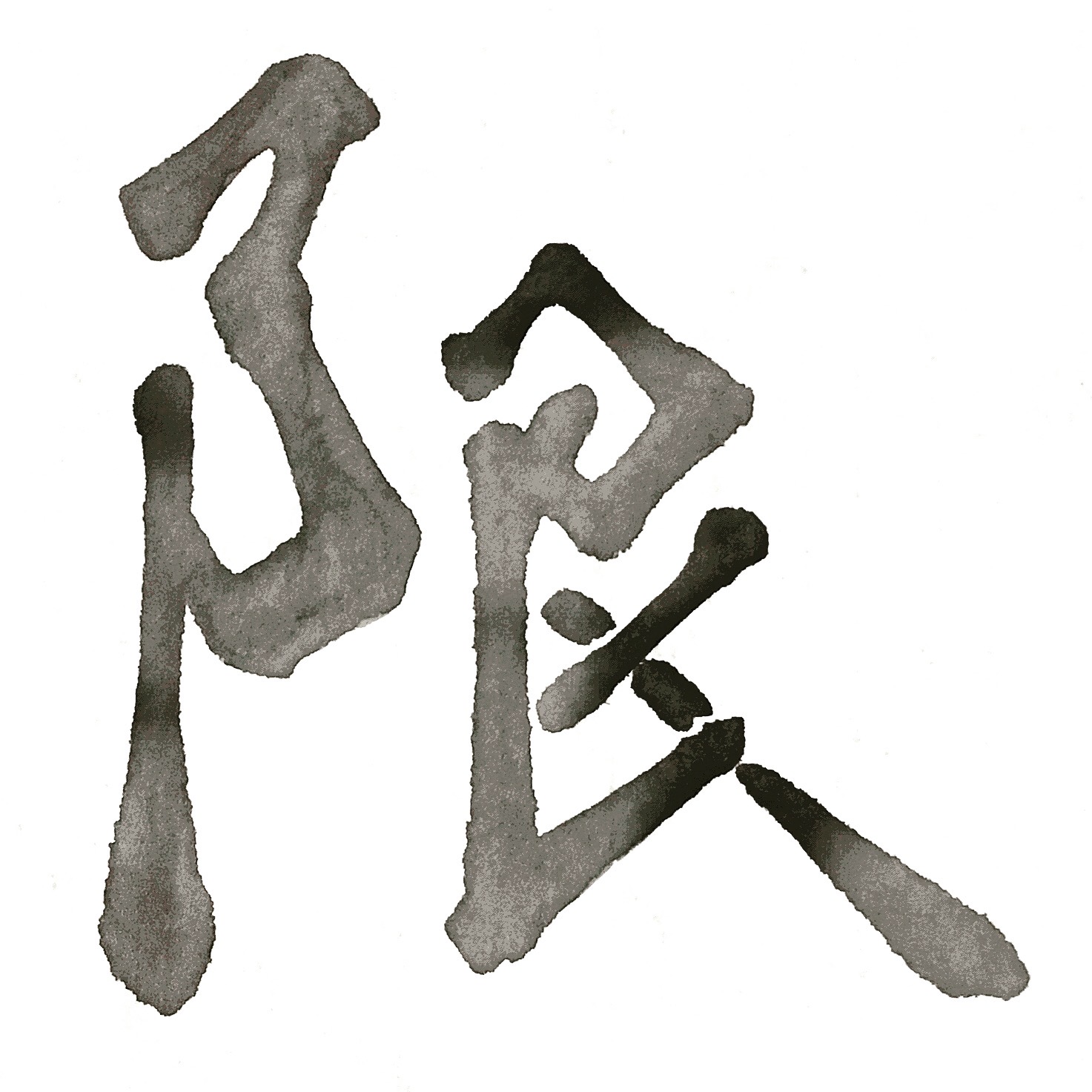
We tend to think of creativity as something that is free from limits. But what if the opposite was also true? The benefit of working within limits is that it is precisely the act of pushing against these limits, stretching them, bending them, playing with them, which leads to interesting artistic expression. In other words,ContinueContinue reading “限 (gen) “boundary, limit””
無限 (mu-gen) “unlimited / no limits”
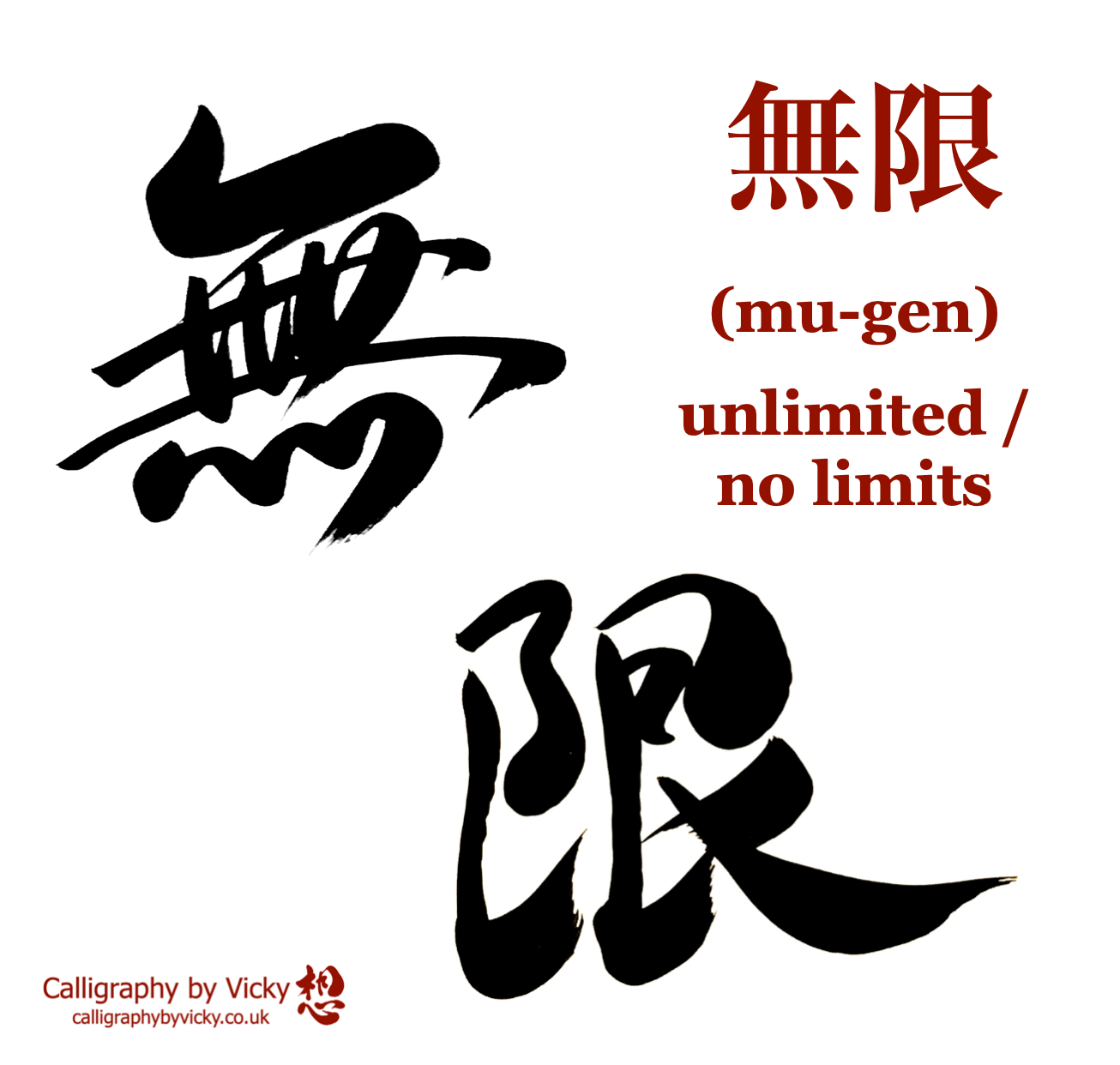
The idea of no limits, or infinity, can represent divine eternal consciousness. It is an important concept in Buddhism, often represented by an endless knot that is strikingly similar to Celtic designs. It can also represent samsara, the endless cycle of death and rebirth. It is similar to the symbol of the ouroboros – theContinueContinue reading “無限 (mu-gen) “unlimited / no limits””
春分 (shun-bun) “Spring Equinox”
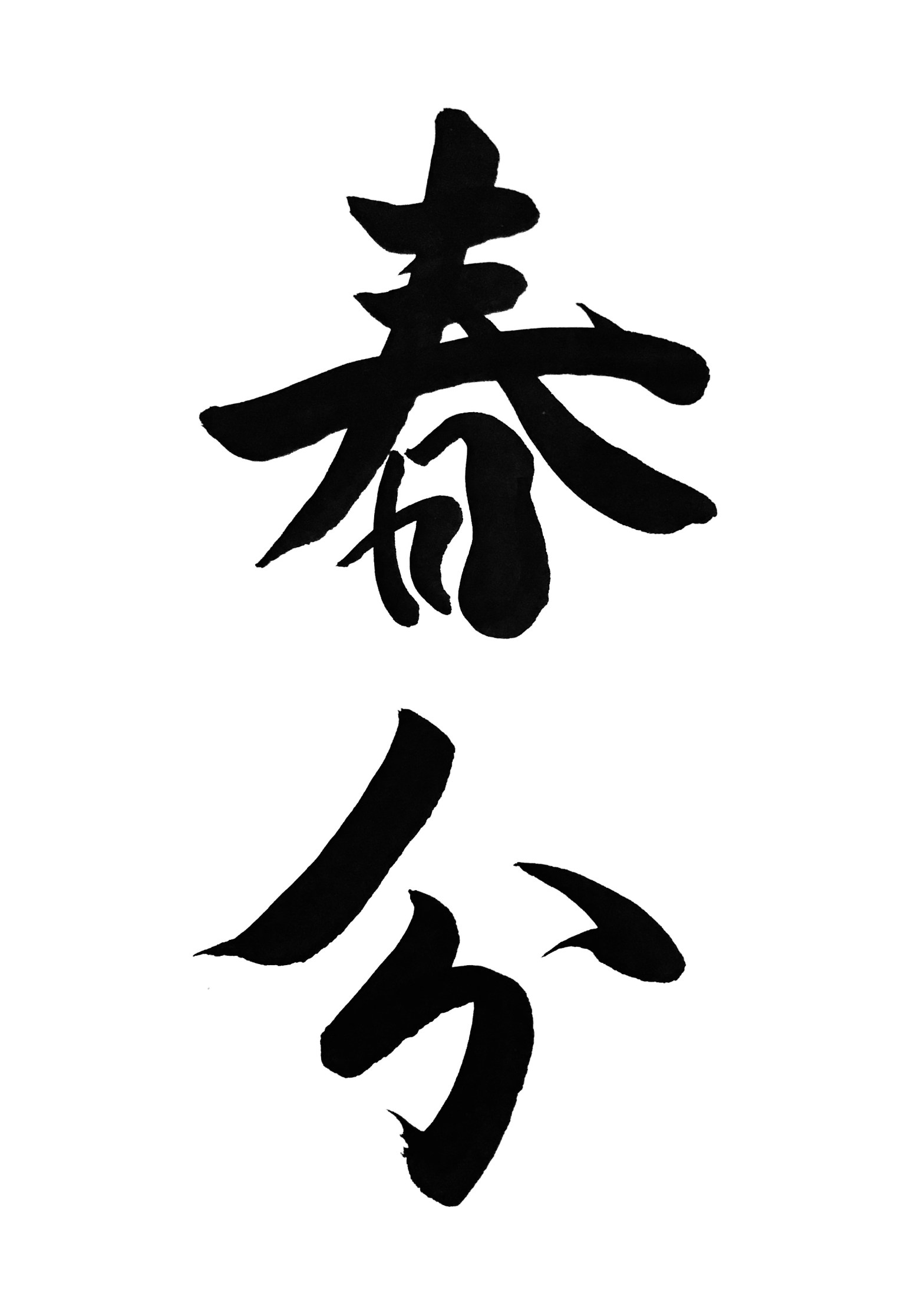
In Japan, 春分 (shun-bun) spring equinox is a national holiday. The week which contains spring equinox is called “o-higan”. This has connections with Buddhism, and on this day many people visit spend time with their families and visit their family grave. “Bota-mochi” (rice cake covered in sweet bean paste) is traditionally eaten on this day.
彗星 (suisei) comet
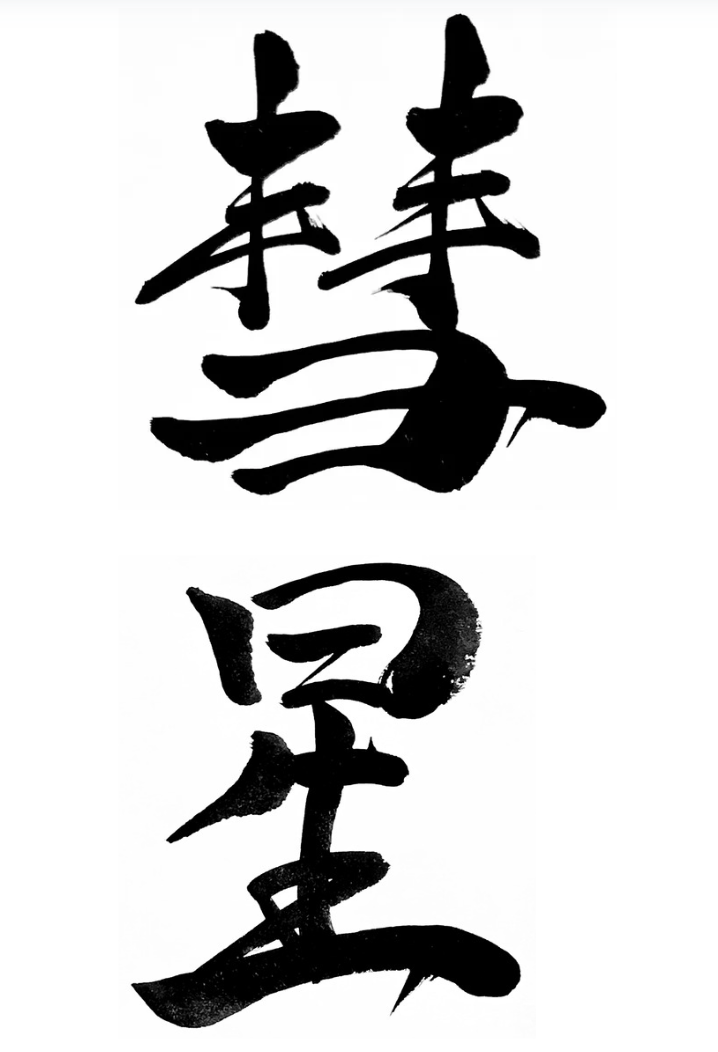
Those of you who like to learn Japanese through watching anime will recognise 彗星 from the movie “Your Name” (君の名は, Kimi no na wa). Whilst I love that movie, I wrote this word purely because I love the first kanji 彗. When I first saw it I was surprised I’d never encountered it before. It’sContinueContinue reading “彗星 (suisei) comet”
起死回生 (kishikaisei) recovering from a hopeless situation
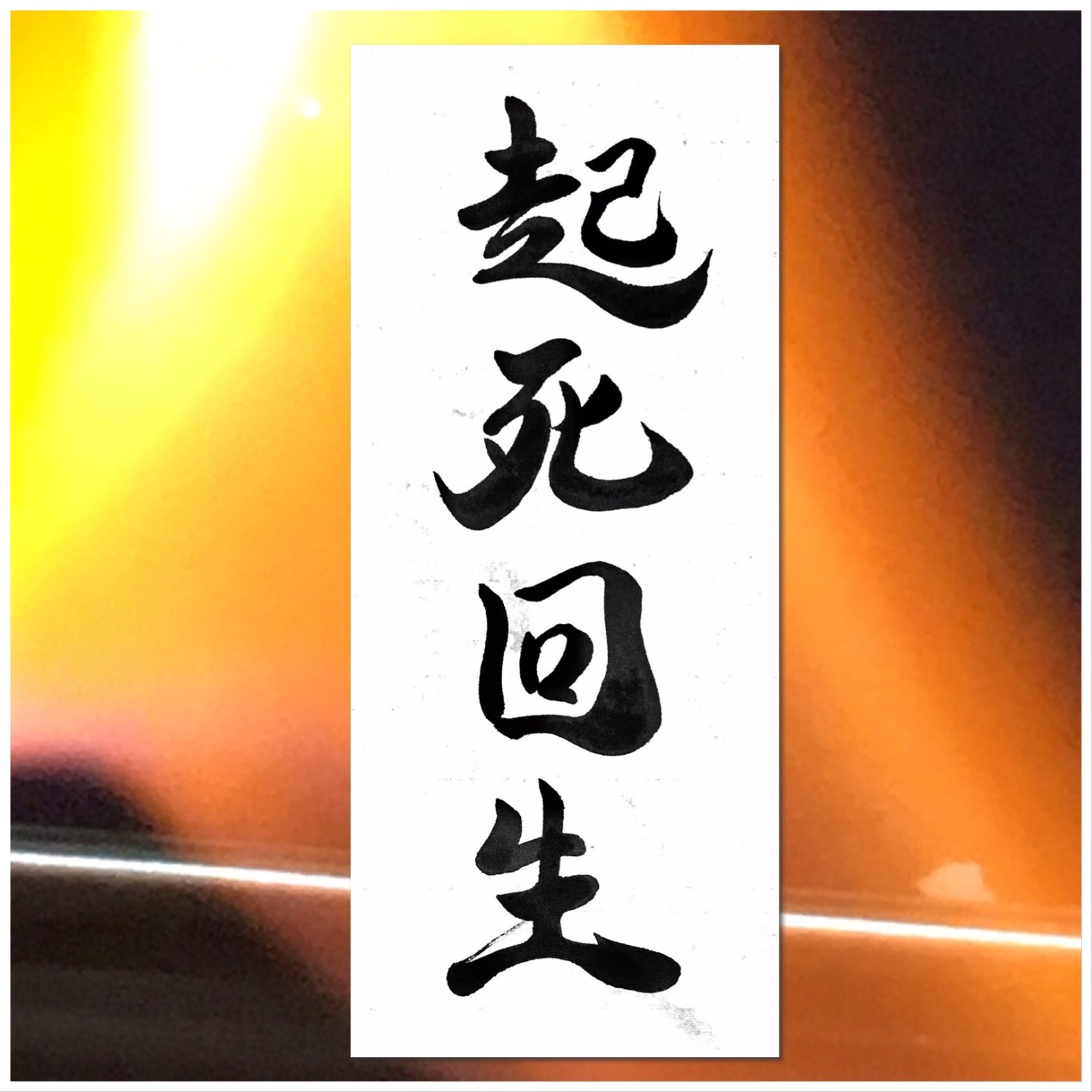
起死回生 = recovering from a hopeless situation 起 = to get up 死 = death 回 = revolve 生 = life One of the first calligraphy works I posted online, I like the message of hope in this idiom. This is a special kind of Japaneses idiom known as a 四字熟語 (よじじゅくご、yo-ji-juku-go), or 4-character idiom.ContinueContinue reading “起死回生 (kishikaisei) recovering from a hopeless situation”
 Calligraphy by Vicky