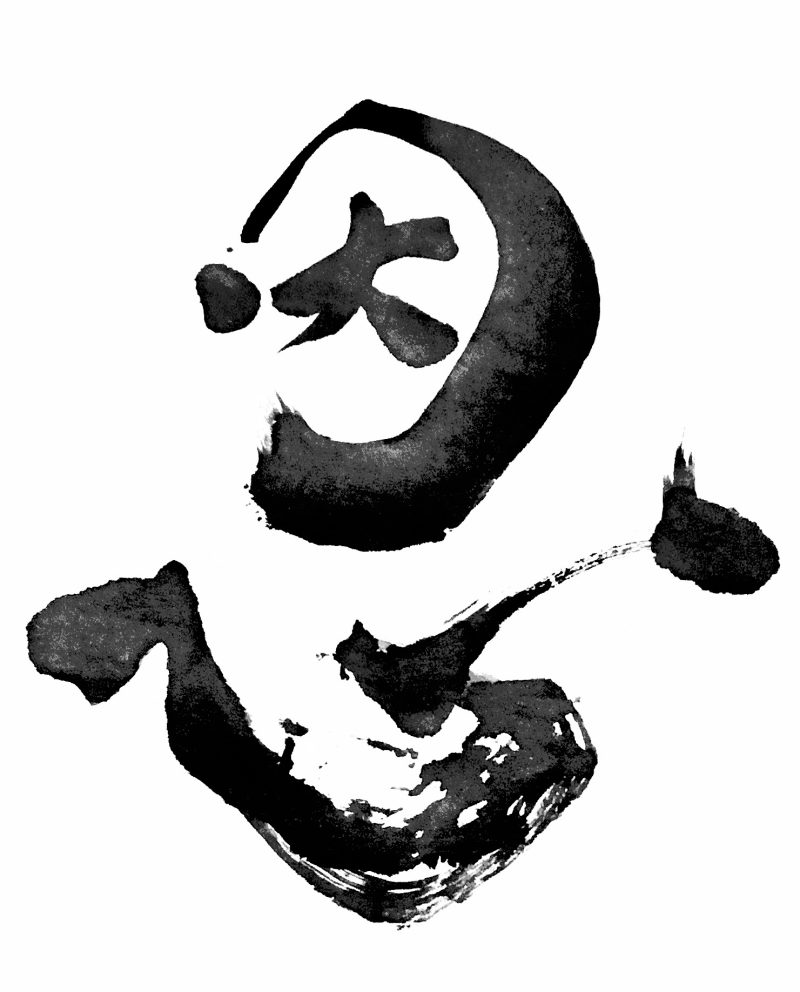
“On” is the concept of having received a great favour, feeling grateful, and knowing that you owe somebody a lot. The way it is used in Japanese makes it seem like less of a subjective feeling, and more of a tangible object, like a thing that you now possess because somebody helped you greatly. InContinueContinue reading “恩 (on) “favour, gratitude, obligation””
Tag Archives: Calligraphy
神 (kami) “god”/“divine spirit”
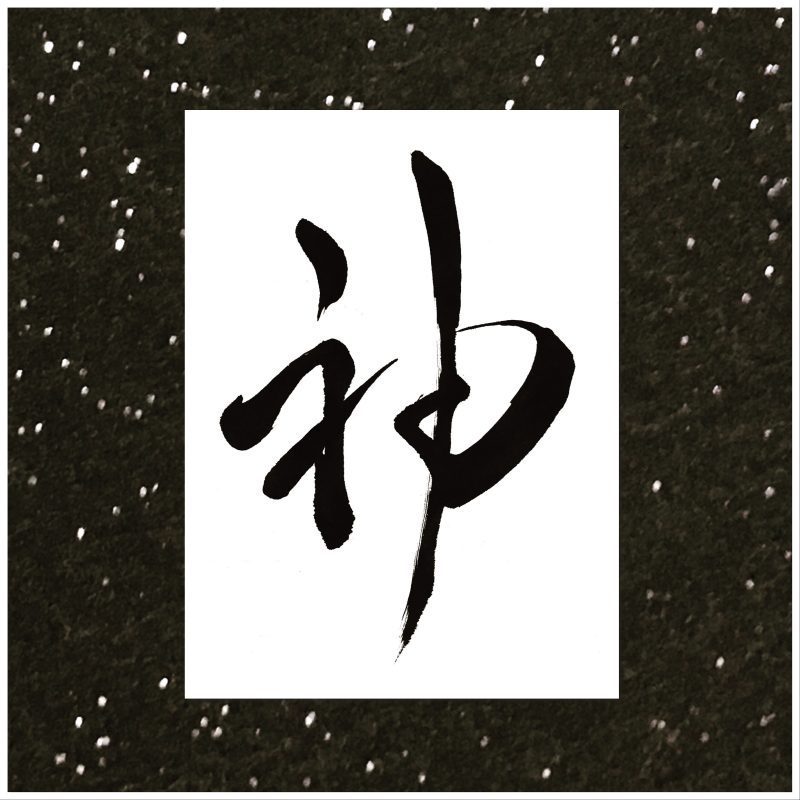
Often translated as “god”, a Japanese kami is closer to the concept of a spirit. They are (mostly) not considered to be omniscient nor omnipotent, but rather they influence the human world within a certain capacity. They are believed to be manifestations of musubi, the interconnecting energy of the universe. It is often said thatContinueContinue reading “神 (kami) “god”/“divine spirit””
結 (musubi) “human relations”
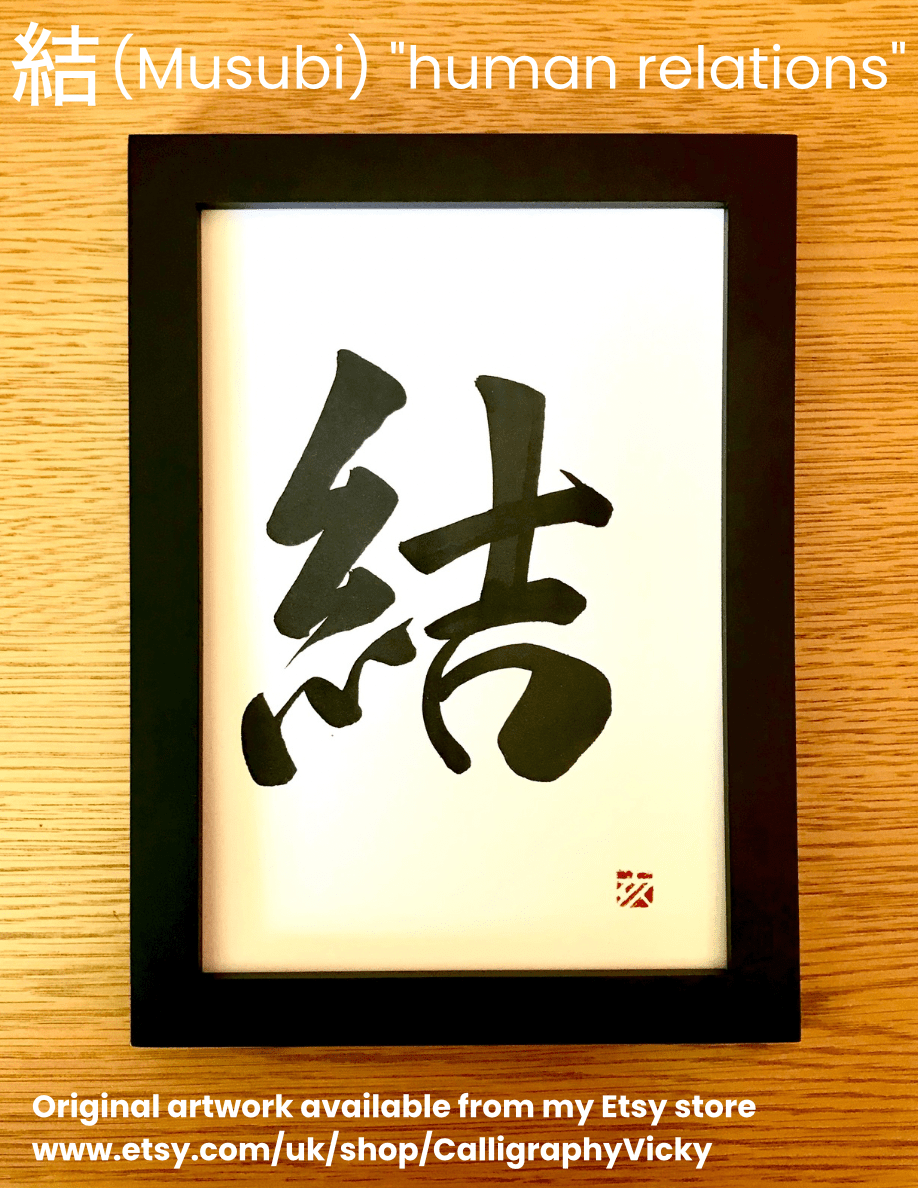
Literally meaning “tying together”, this word can be used to refer to the relationships that tie humans together, in particular romantic relationships. In Japan (as well as China and Korea) lovers who are destined to be together are thought to be joined by the “red thread of fate”. Romantic partners are often depicted with aContinueContinue reading “結 (musubi) “human relations””
Onoré-sho (writing as one likes)
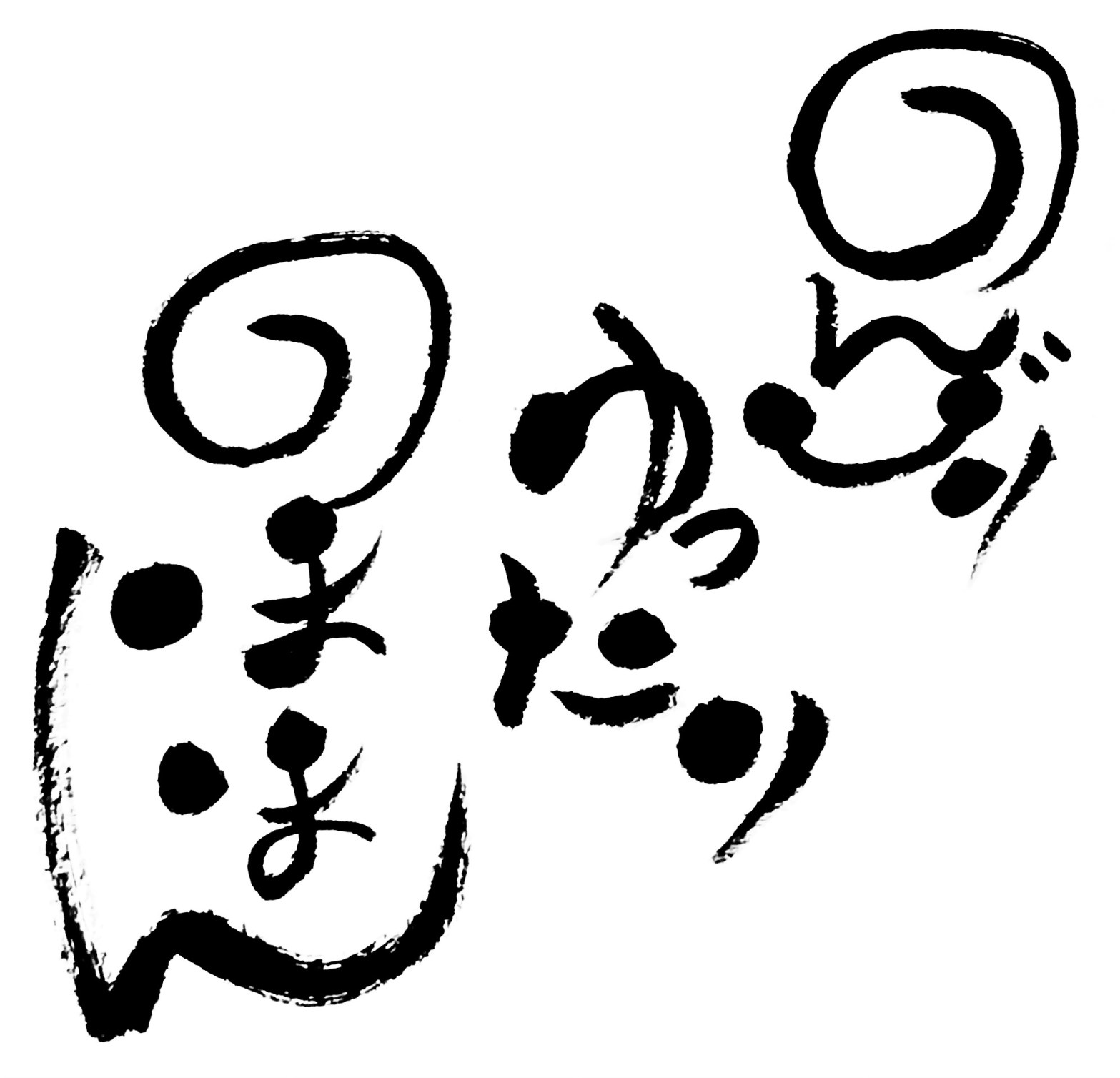
Here’s an example of a Japanese calligraphy style that’s easy to do! The style is called “onoré-sho”. “Onoré” is an old-fashioned and rather forceful way to refer to oneself. Onoré-sho emphasises a sense of freedom, doing things in one’s own way. With onoré-sho the artist is free to play around with the relative size, shapeContinueContinue reading “Onoré-sho (writing as one likes)”
春雨 (harusamé) “gentle spring rain”
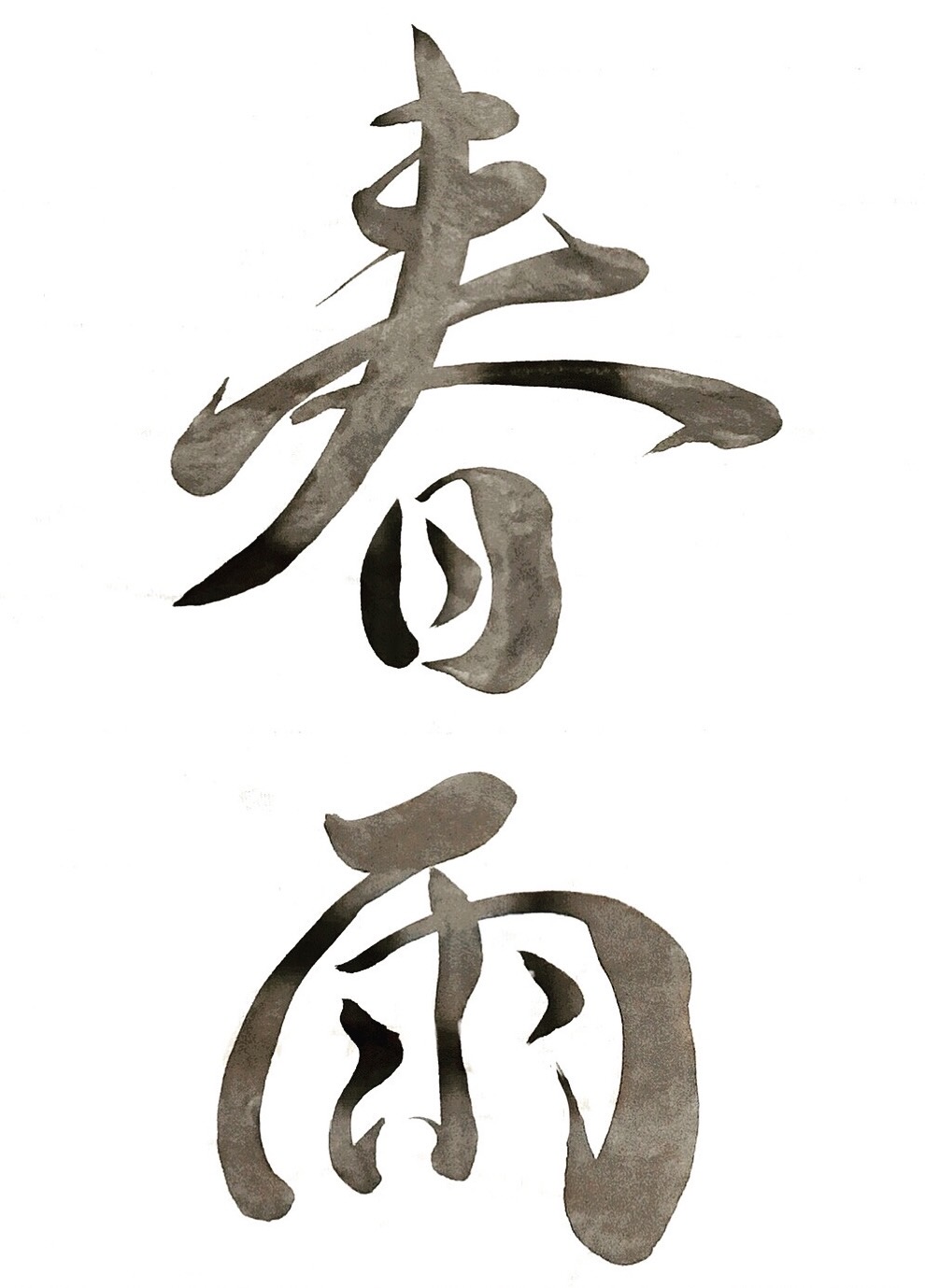
April is a rainy month in my home country of the UK.
寿 “congratulations”
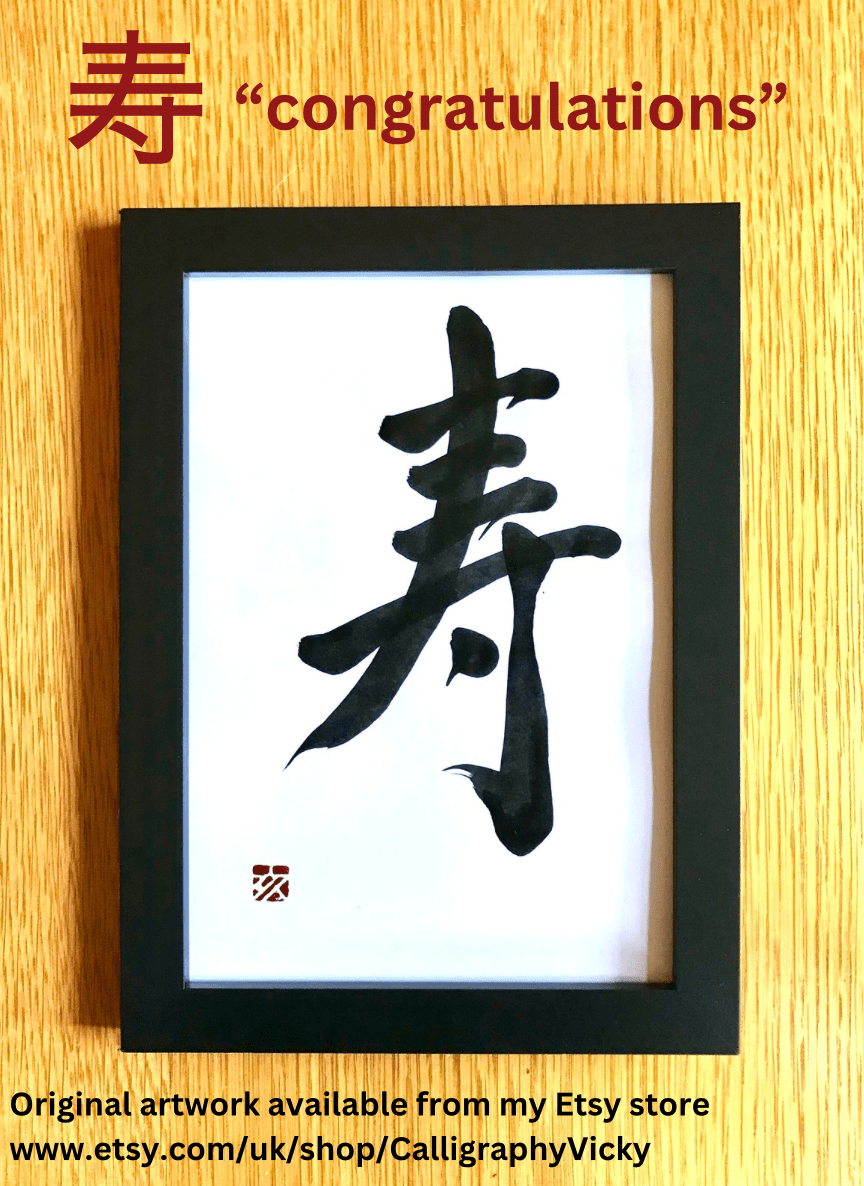
This kanji is often found on Japanese greetings cards, and also on those fancy paper envelopes you put money in when you go to a wedding. It means “congratulations”. It can also mean “long life”. It is also the first kanji in the most common way to write sushi -(寿司). This kanji is used for “sushi” not becauseContinueContinue reading “寿 “congratulations””
間 (ma) “emptiness, space, interval”
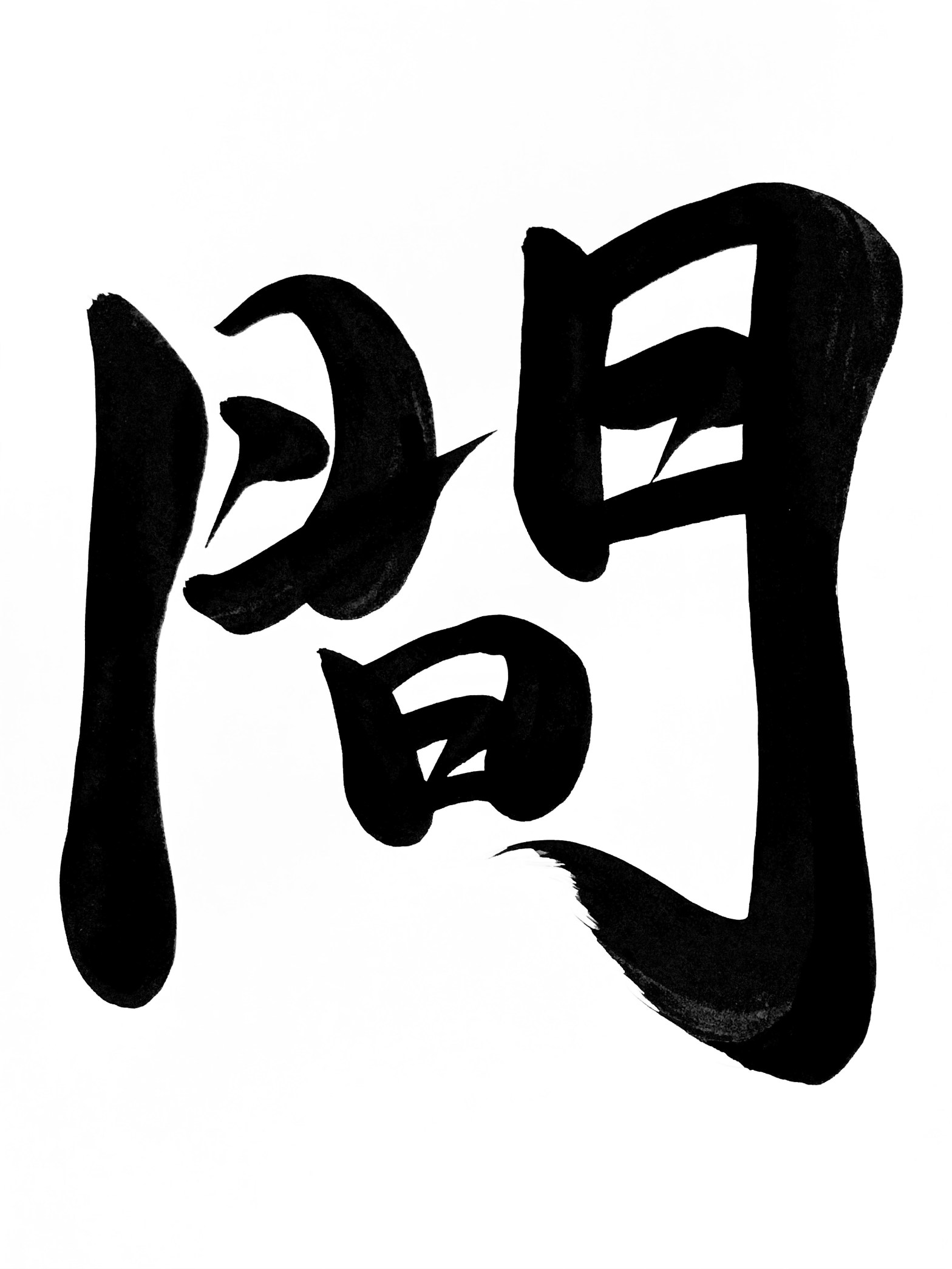
I told Miyazaki I love the “gratuitous motion” in his films; instead of every movement being dictated by the story, sometimes people will just sit for a moment, or they will sigh, or look in a running stream, or do something extra, not to advance the story but only to give the sense of timeContinueContinue reading “間 (ma) “emptiness, space, interval””
Onoré-sho (writing as one likes)
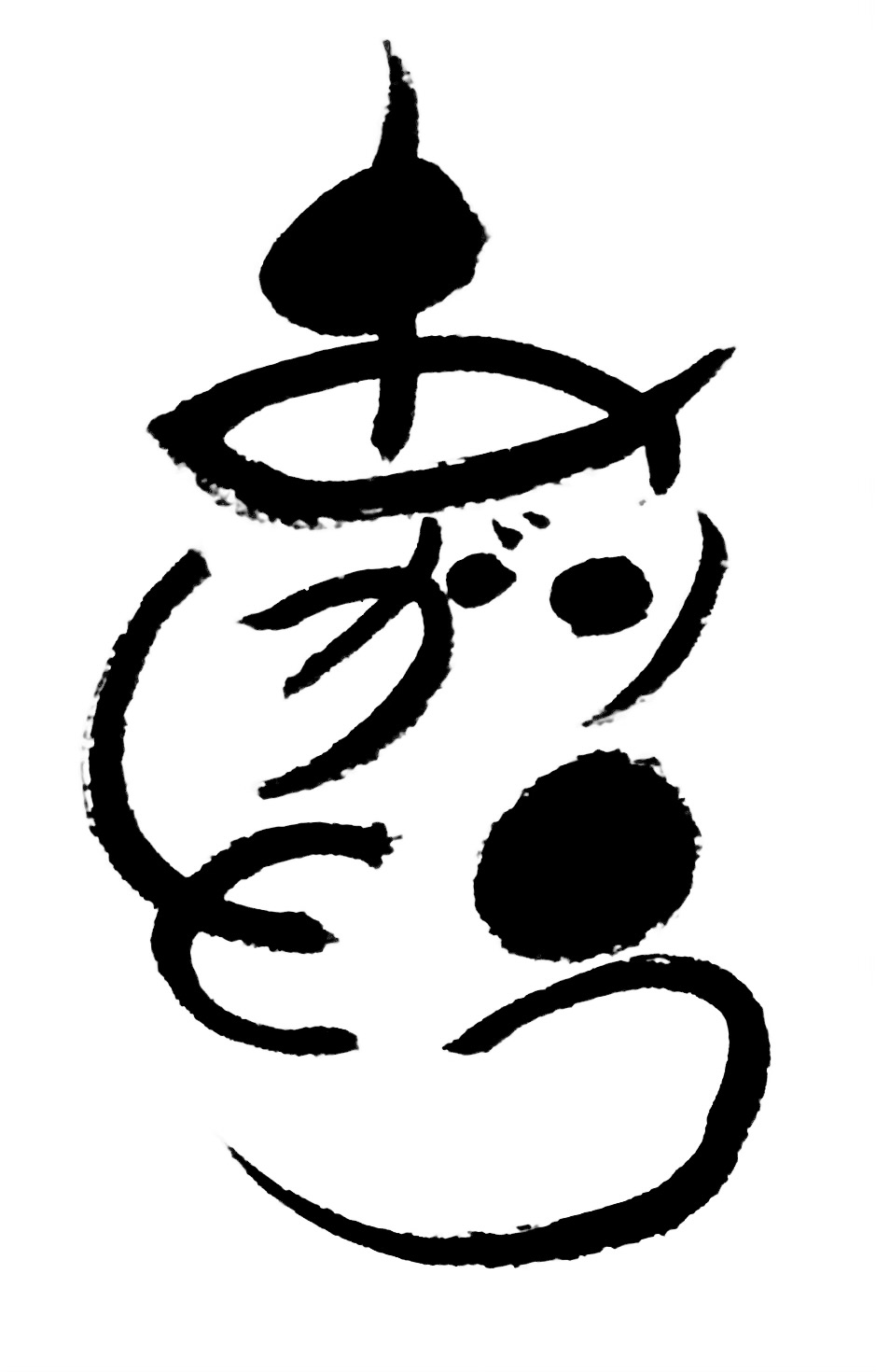
Here’s an example of a Japanese calligraphy style that’s easy to do! The style is called “onoré-sho”. “Onoré” is an old-fashioned and rather forceful way to refer to oneself. Onoré-sho emphasises a sense of freedom, doing things in one’s own way. With onoré-sho the artist is free to play around with the relative size, shapeContinueContinue reading “Onoré-sho (writing as one likes)”
臥虎藏龍 “Crouching Tiger, Hidden Dragon”
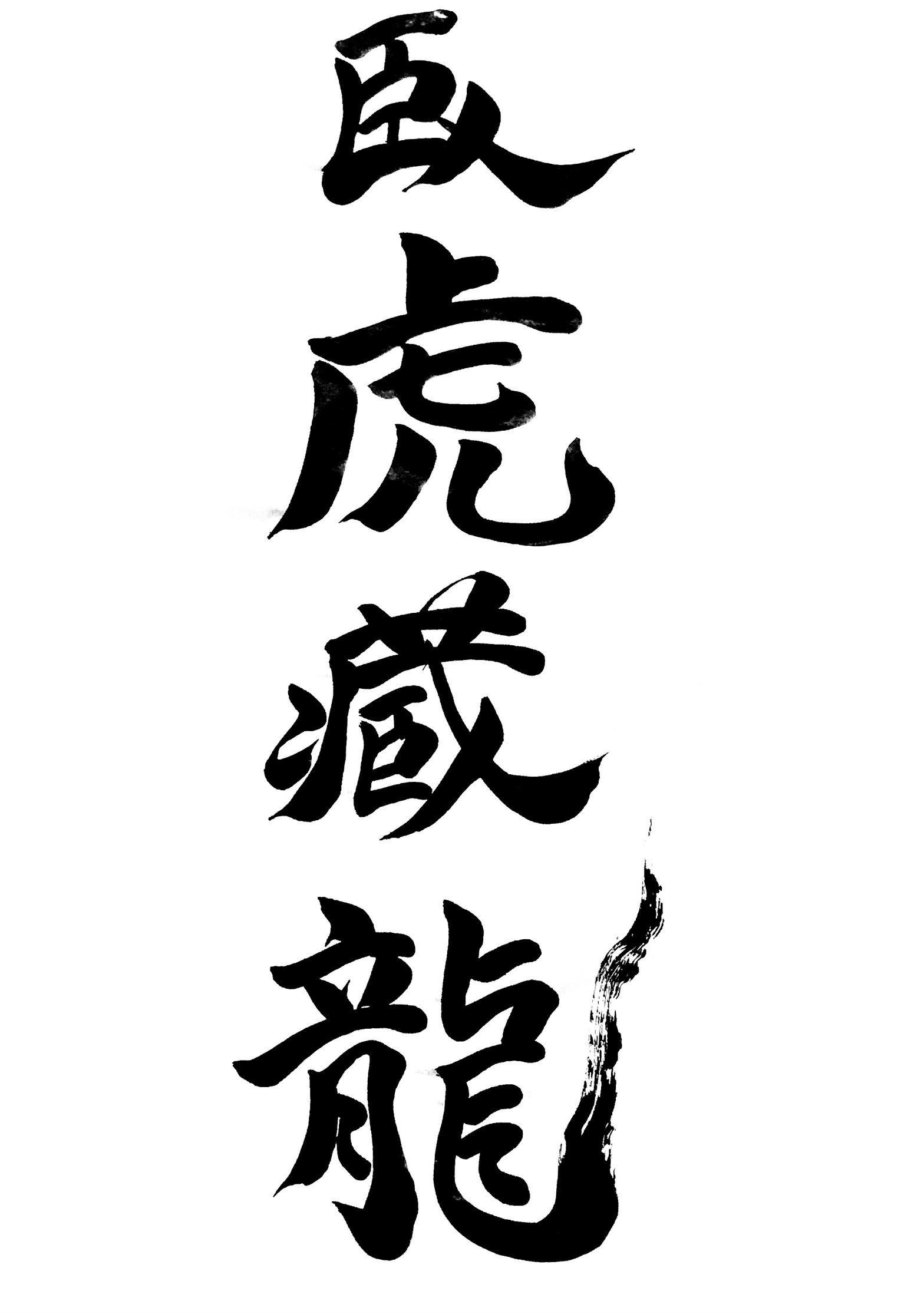
This Chinese idiom describes a place that is full of talented or extraordinary people who remain hidden and undiscovered. It’s also the name of the 2000 Chinese martial arts movie starring the talented and extraordinary Michelle Yeoh!
気 (ki) “energy” / “life-force” / “spirit”
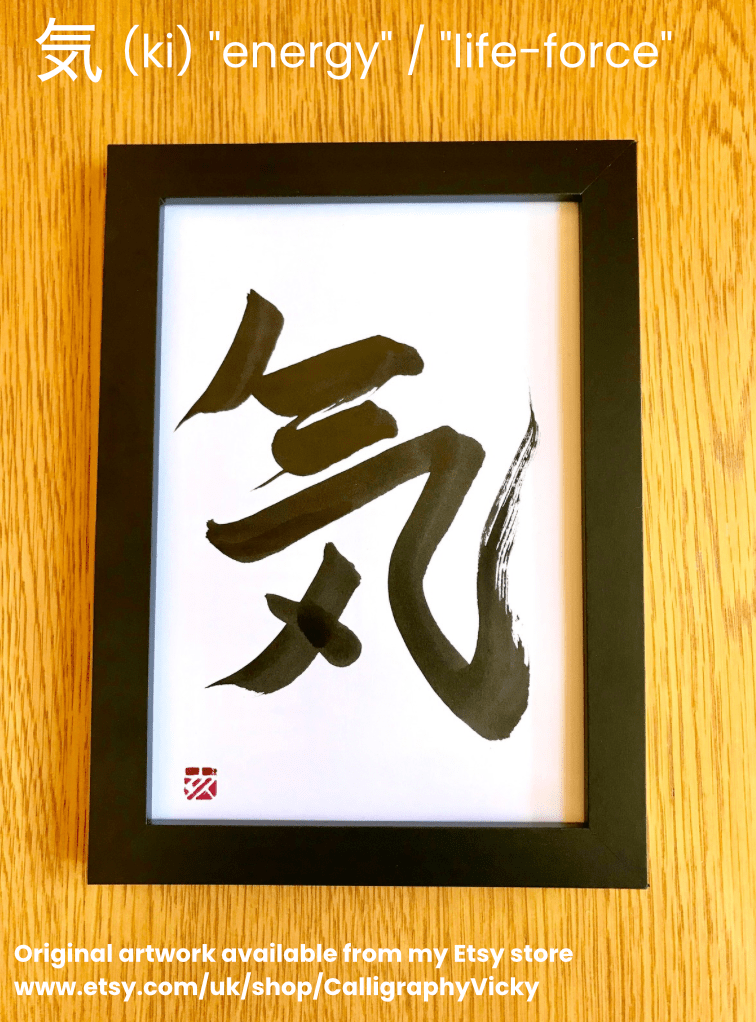
Japanese martial arts practitioners often give a loud quick shout as they perform an attacking move. This shout is a 気合 (ki-ai), often translated as “meeting of spirit”. This ki is the ki in aikido, qigong, and reiki. Ki is a central principle in traditional Chinese medicine and Eastern martial arts. It has been translated variously as energy, life force, vitalContinueContinue reading “気 (ki) “energy” / “life-force” / “spirit””
 Calligraphy by Vicky