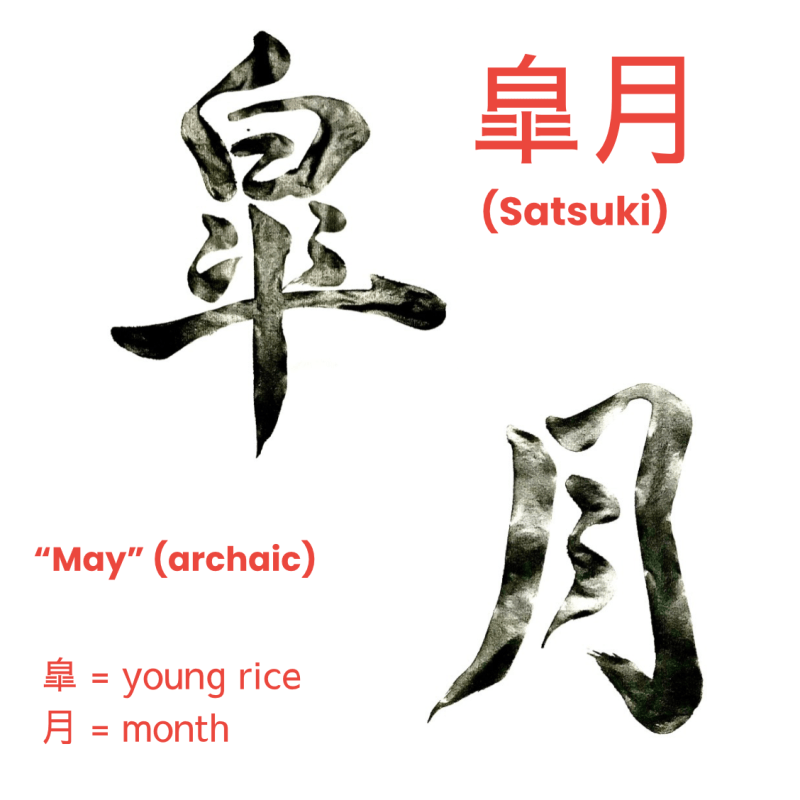
Like many countries, Japan uses a 12-month calendar. The names are very simple. January is 一月 (ichi-gatsu, literally “Month one”), February is 二月 (ni-gatsu, “Month two”), etc. However, before the Meiji Restoration (mid-1800s) it was common to use an older 12-month system. These months’ names referenced the weather and the seasons (similar to the FrenchContinueContinue reading “皐月 (sa-tsu-ki) “May””
Category Archives: Months and Seasons
卯月(uzuki) “April” (archaic)
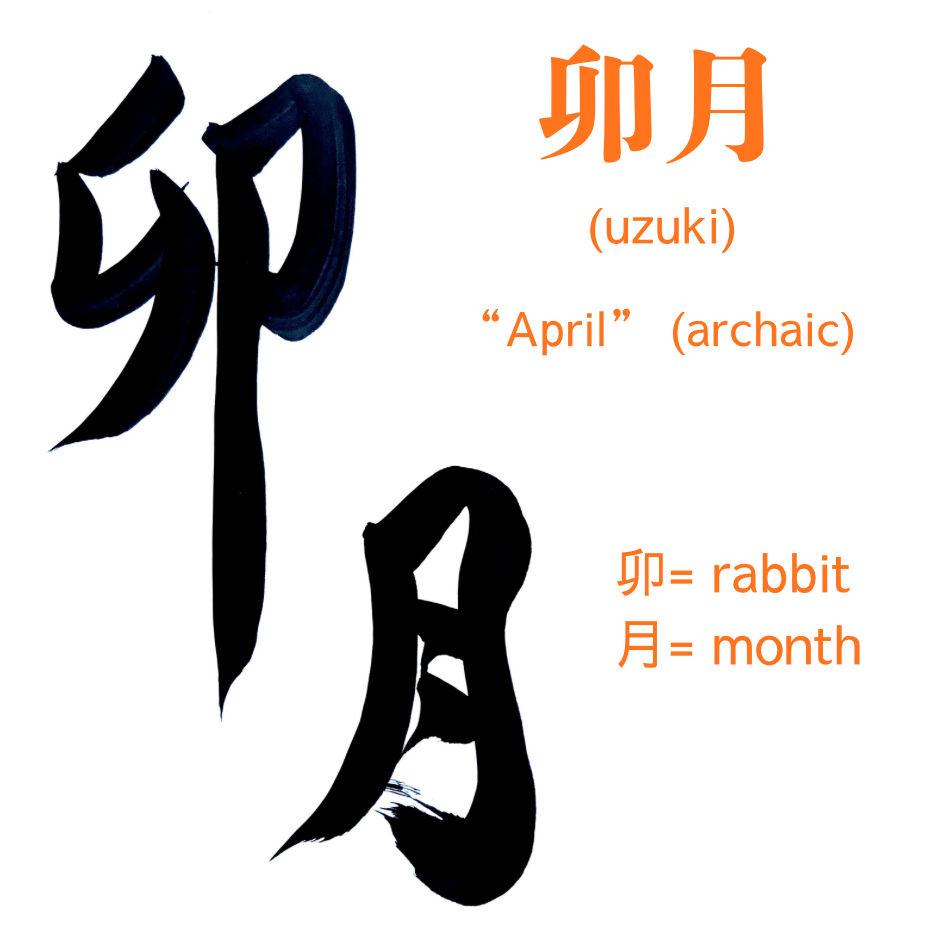
Like many countries, Japan uses a 12-month calendar. The names are very simple. January is literally “Month One”, February is “Month Two”, etc: 一月 = January 二月 = February However, before the Meiji Restoration (mid-1800s) it was common to use an older 12-month system. These months’ names referenced the weather and the seasons (similar toContinueContinue reading “卯月(uzuki) “April” (archaic)”
春分 (shun-bun) “Spring Equinox”
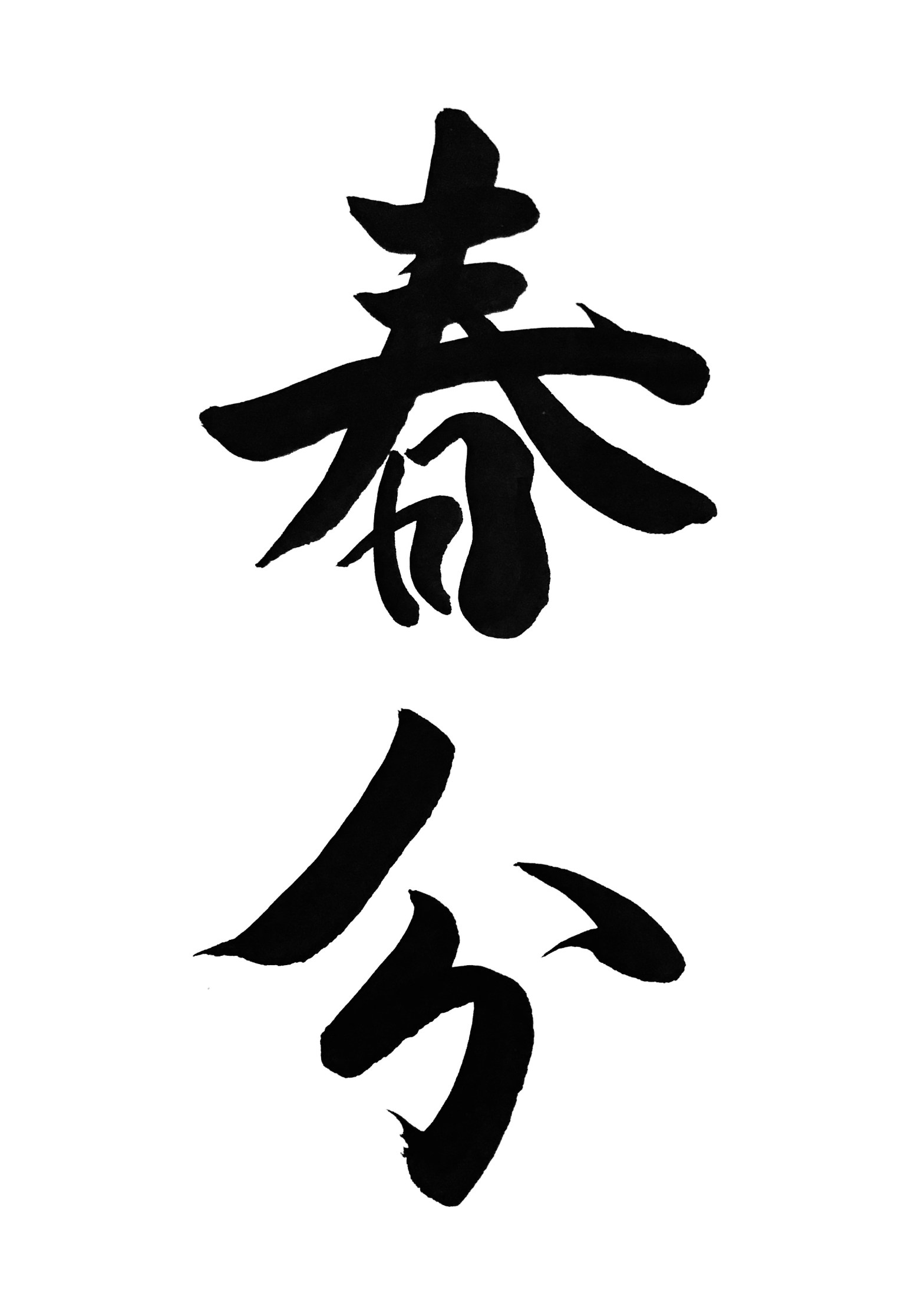
In Japan, 春分 (shun-bun) spring equinox is a national holiday. The week which contains spring equinox is called “o-higan”. This has connections with Buddhism, and on this day many people visit spend time with their families and visit their family grave. “Bota-mochi” (rice cake covered in sweet bean paste) is traditionally eaten on this day.
弥生 (yayoi) “March” (archaic)
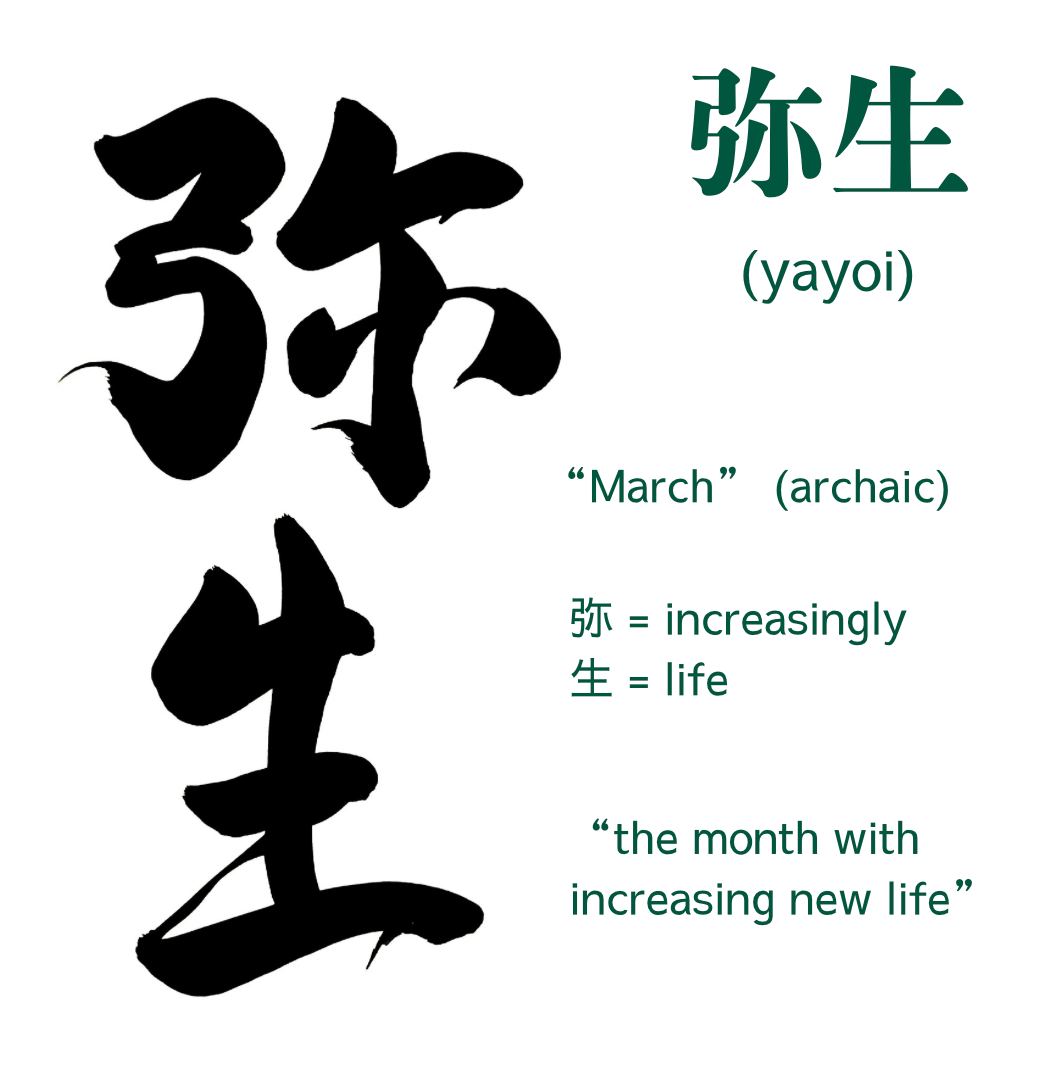
Like many countries, Japan uses a 12-month calendar. The names are very simple. January is literally “Month one”, February is “Month two”, etc. However, before the Meiji Restoration (mid-1800s) it was common to use an older 12-month system. These months’ names referenced the weather and the seasons (similar to the French Revolutionary calendar). March is:ContinueContinue reading “弥生 (yayoi) “March” (archaic)”
桜梅桃李 (ō-bai-tō-ri) “never compare yourself to others”
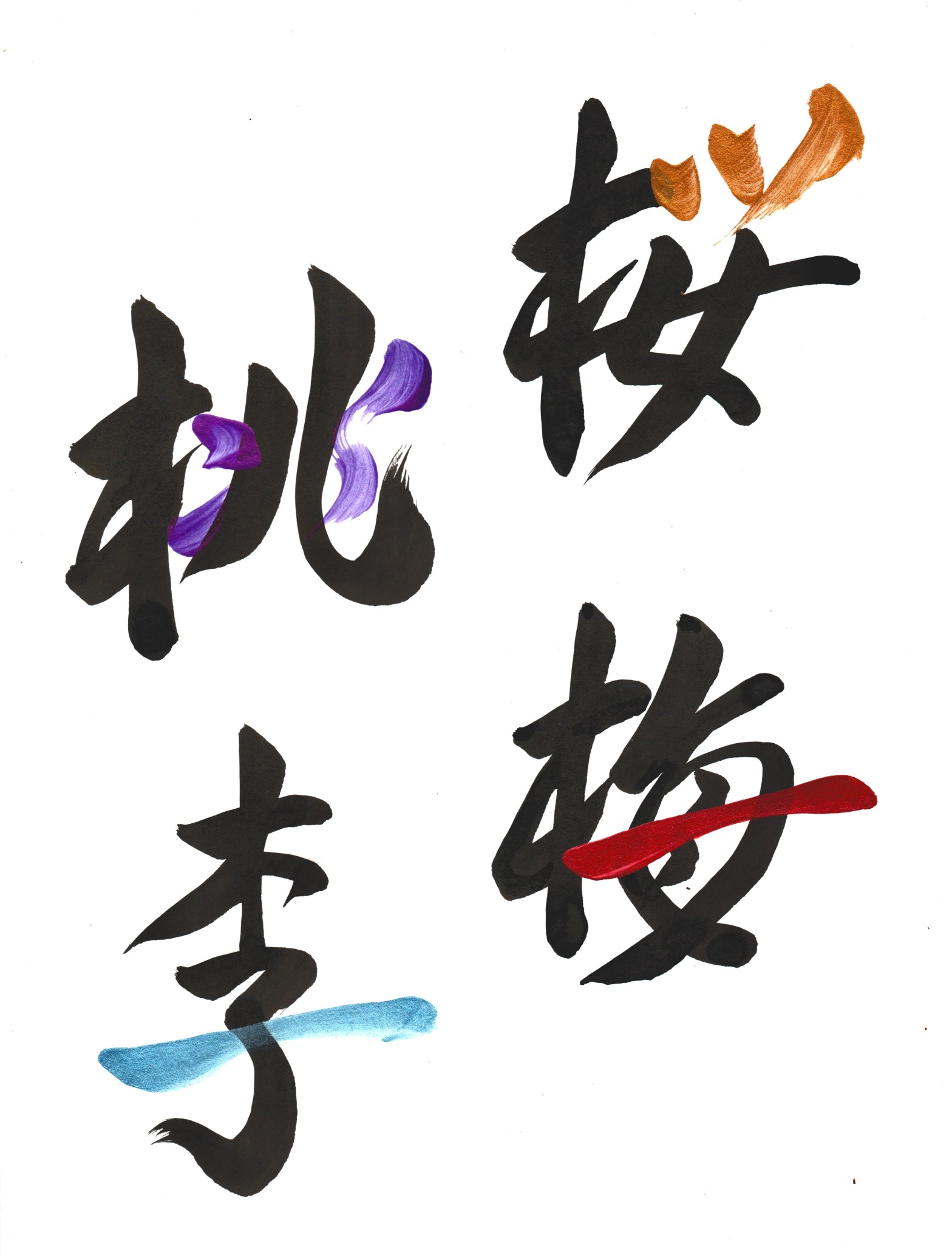
It’s blossom season again in Japan, so I’m sharing this blossom-related yo-ji-juku-go (Japanese 4-character idiom). It’s also one of my favourites. It is comprised of 4 beloved Japanese trees which blossom in spring. They are: 桜 = cherry (sakura) 梅 = apricot (ume) 桃 = peach (momo) 李 = plum (sumomo) Each of these treesContinueContinue reading “桜梅桃李 (ō-bai-tō-ri) “never compare yourself to others””
 Calligraphy by Vicky