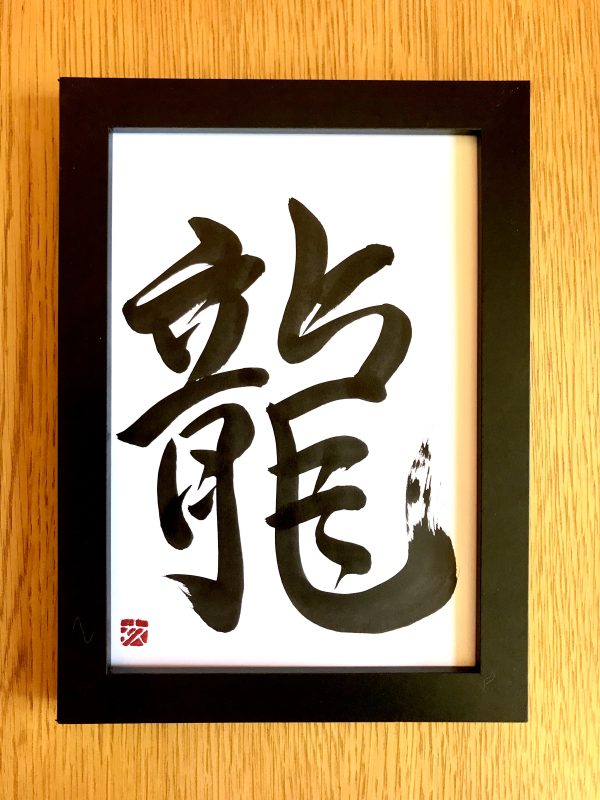
If you visit a shrine or temple in Japan, make sure to look up at the ceiling of the main room. Often there will be a painting of a dragon. One reason is that dragons represent the virtue of courage. Another, more superstitious reason is that dragons are associated with the element of water, andContinueContinue reading “龍 (ryū) “dragon””
Author Archives: Vicky
外柔内剛 (gai-jū-nai-go) “Soft outside, hard inside”
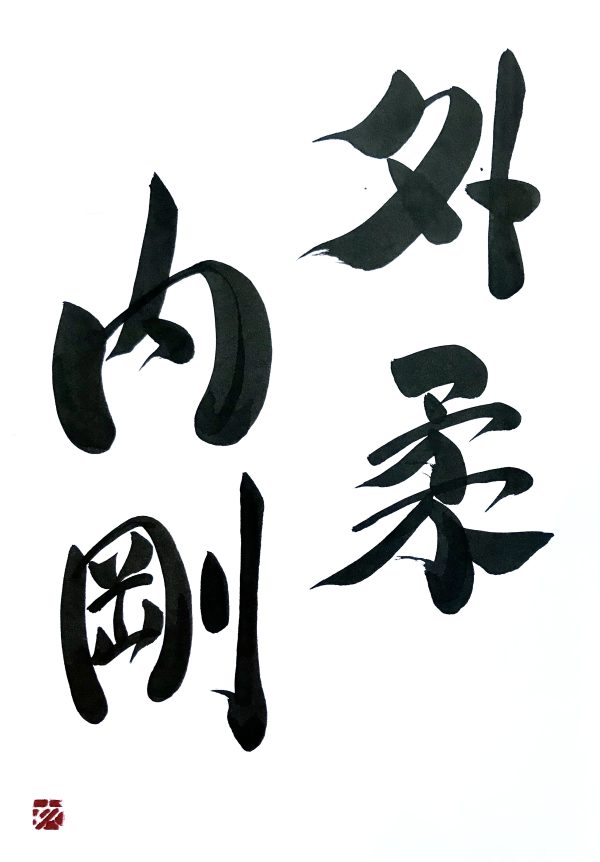
This expression refers to someone who is soft and gentle on the outside, but inwardly tough and resilient. Similar to the English expression “steel in a velvet glove”. This is a special kind of Japaneses idiom known as a 四字熟語 (よじじゅくご、yo-ji-juku-go), or 4-character idiom. As the name suggests, these are idiomatic phrases made of 4ContinueContinue reading “外柔内剛 (gai-jū-nai-go) “Soft outside, hard inside””
粋 (iki) “understated elegance”
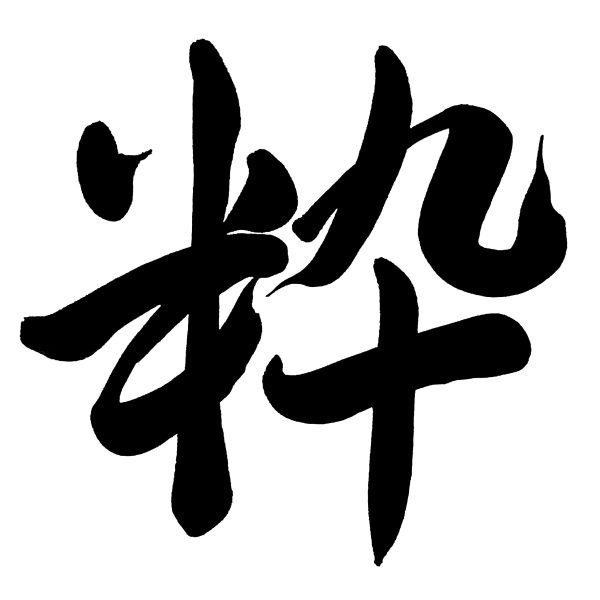
“Iki” is a Japanese aesthetic ideal. It refers to subtle elegance and sophistication. One of the aspects of iki is caring about the sensibilities of others. What you wear should make others feel comfortable, and wearing stylish clothing is a way of respecting those around you. This doesn’t mean that you can’t wear what youContinueContinue reading “粋 (iki) “understated elegance””
Some old calligraphy practice
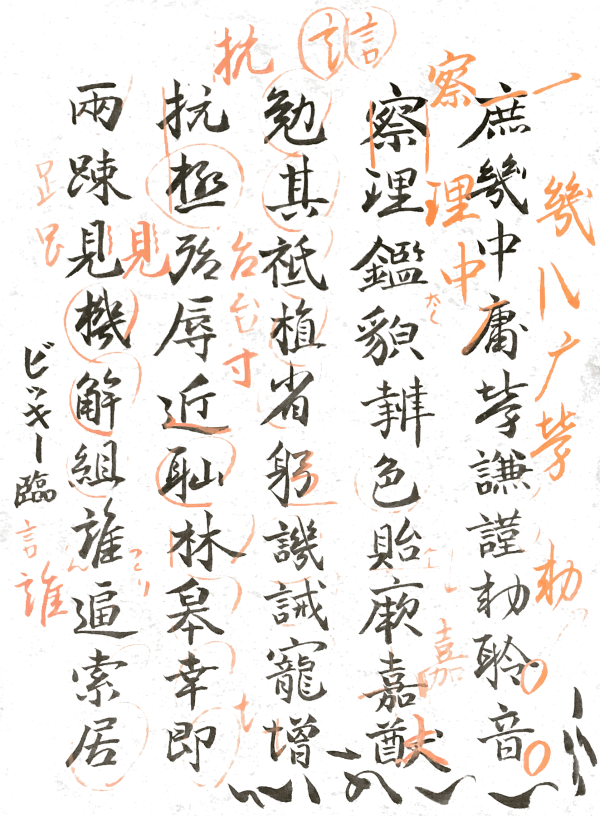
Although Japanese calligraphy is usually written in black ink, calligraphy teachers traditionally use an orange-red colour ink when marking their students’ work. The above is my work from about 7 years ago. The black is my writing and the orange-red is my teacher’s corrections. Circles mean I did a good job 🙂
菖蒲華 (Ayame hana saku) “Irises bloom”
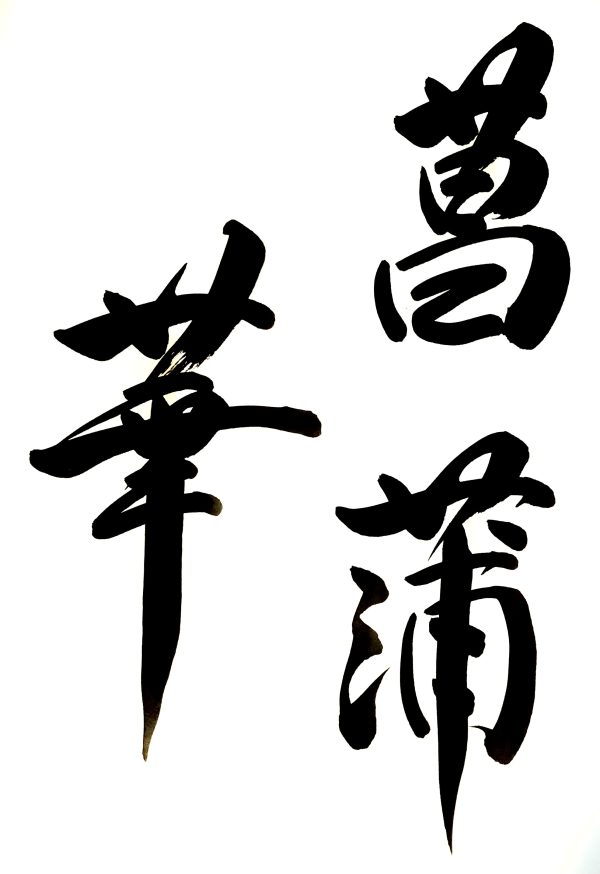
In ancient times Japanese people divided the year into 72 “micro-seasons”. These seasons were based on natural events such as the weather and appearance of various flora and fauna. Later this month it will be 菖蒲華, marking period when irises begin to bloom. You can find out more about Japanese micro-seasons here.
Writing foreign names in Japanese
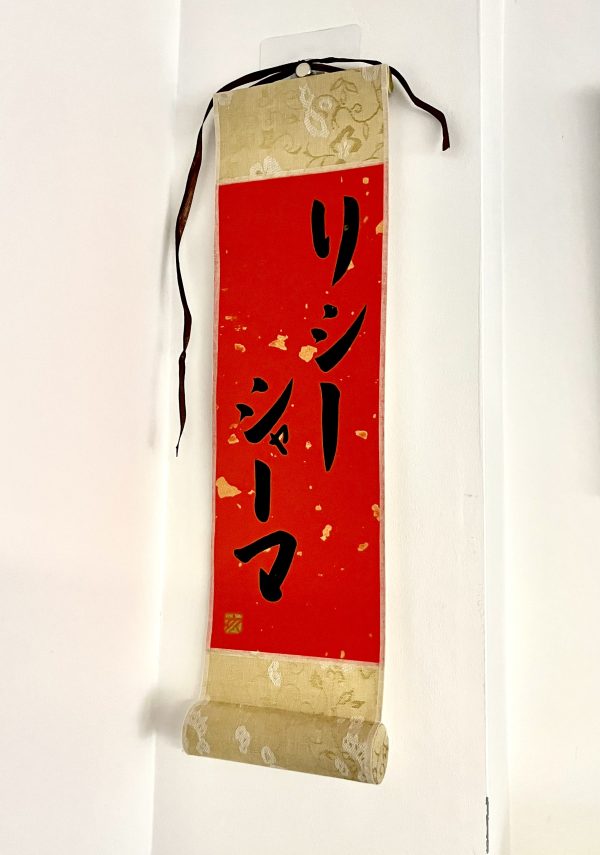
Japanese has a separate writing system for writing foreign words. It’s called katakana and it’s mostly used for foreign loan words such as kōhī (coffee), pan (bread) and gorufu (golf). It’s also used for foreign names. If your name isn’t originally written in kanji (the logographic characters used in Japan, China, and to a lesserContinueContinue reading “Writing foreign names in Japanese”
独立独歩 (doku-ritsu-dop-po) “To be independent and do things one’s own way”
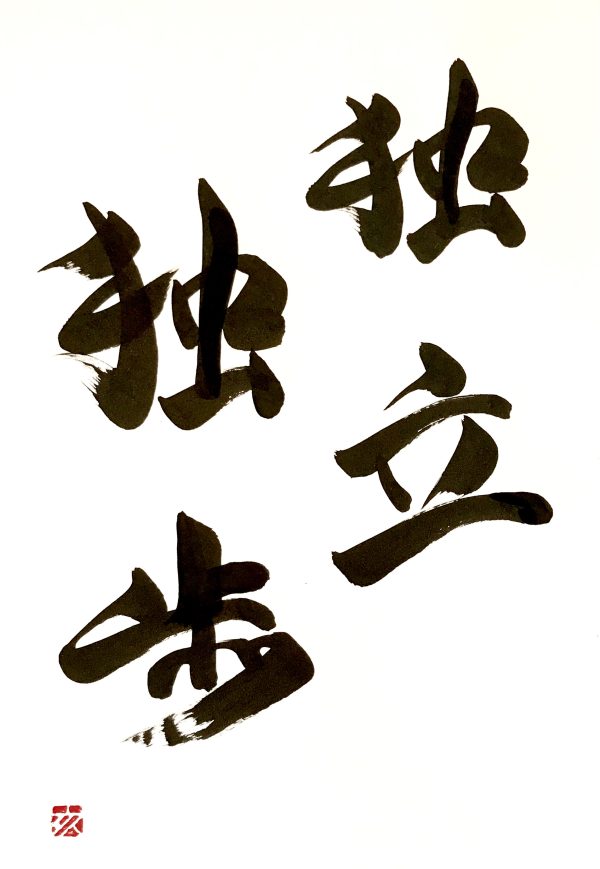
The kanji:独 (1st and 3rd kanji) = independence立 = standing歩 = walking This phrases refers to following the path you believe in on your own, without relying on others.The second kanji means “standing”, so perhaps a more elegant English translation is “standing on one’s own two feet”.独立独歩 is a special kind of Japaneses idiom knownContinueContinue reading “独立独歩 (doku-ritsu-dop-po) “To be independent and do things one’s own way””
迷悟一如 (mei-go-ichi-nyo)

The kanji: 迷 being lost, confused, considering 悟 enlightenment 一 one 如 same So… “being confused and being enlightened are one and the same” In traditional Japanese culture, it is considered ethical to take a long time to reach a decision and come to a conclusion. Quick decisions are seen as rash and may leadContinueContinue reading “迷悟一如 (mei-go-ichi-nyo)”
水無月 (mi-na-tsuki) “The month of water”
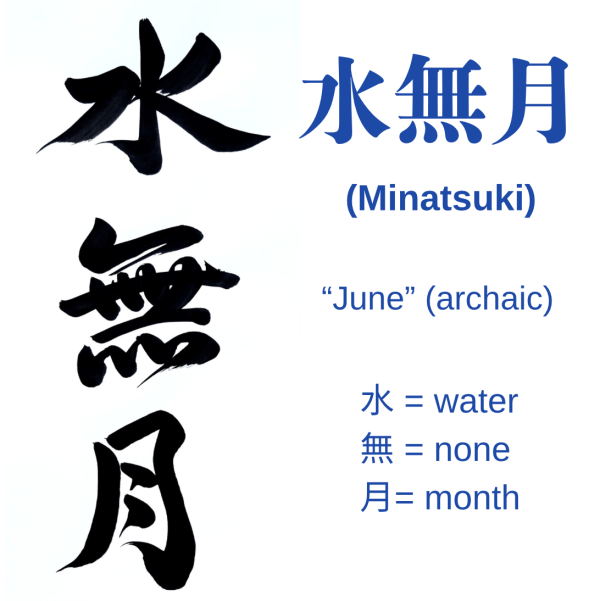
The kanji: 水 = water 無 = none / not any 月 = month 無 means “not any”, not “of”. So why doesn’t this mean “the month with no water”? According to wikipedia, this 無 is used purely as an ateji, which is a kanji used for its pronunciation rather than its meaning. 無 isContinueContinue reading “水無月 (mi-na-tsuki) “The month of water””
Excerpt from the Heart Sutra
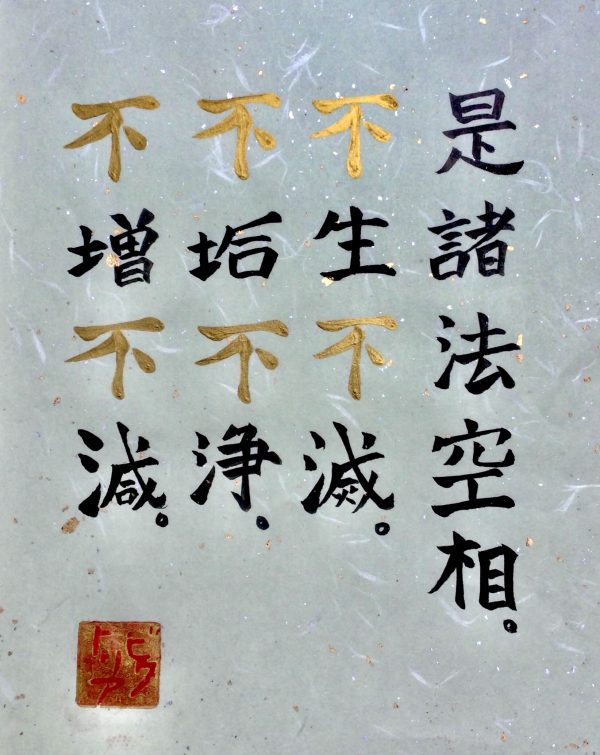
是諸法空相 = All phenomena bear the mark of Emptiness 不生不滅 = no Birth no Death 不垢不浄 = no Defilement no Purity 不増不減 = no Increasing no Decreasing (Translation by Thich Nhat Hanh) The Heart Sutra is one of the most important sutras (religious texts) in Buddhism. It celebrates the idea that all things of theContinueContinue reading “Excerpt from the Heart Sutra”
 Calligraphy by Vicky