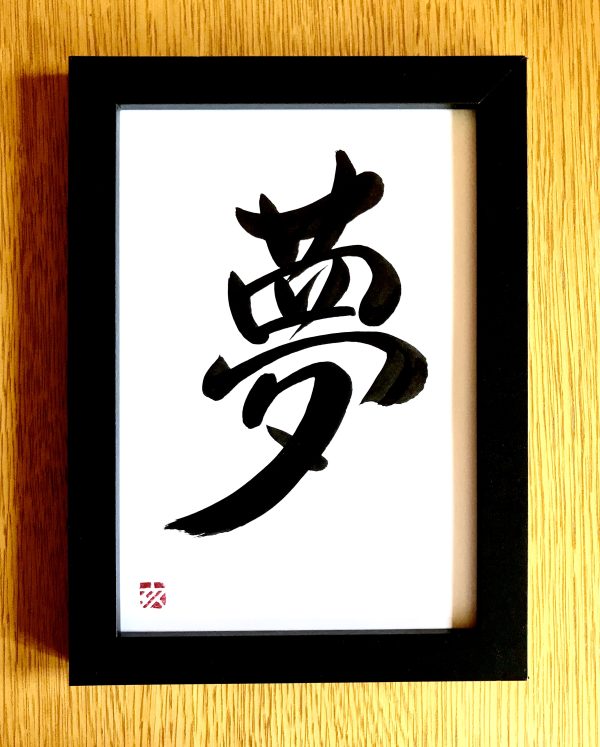
According to Japanese tradition, the first dream of the new year is super important. If you dream about any of these 3 things, you’ll have a lucky year: Mount Fuji 🗻 A hawk 🦅 An eggplant / aubergine 🍆 The artwork in the photo is an original one-off and is available on my Etsy siteContinueContinue reading “夢 (yumé) “dream””
Tag Archives: Japanese language
新年 (shin-nen) New Year
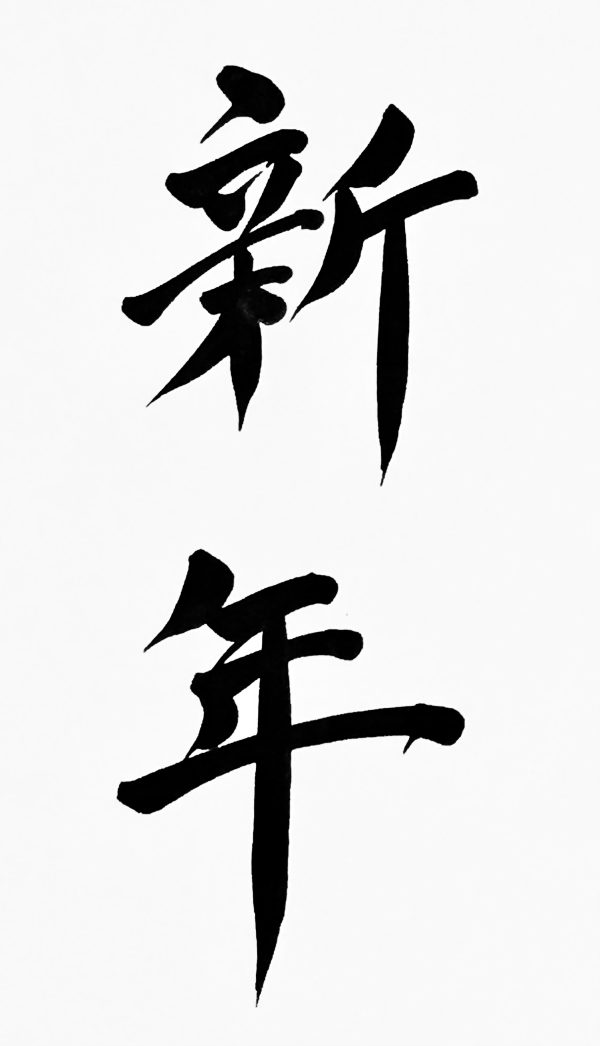
The New Year’s holiday is one of the most important times for Japanese people. It’s a time to clean the house, make resolutions, forget the old year, and make a clean start. The kanji: 新 = new (pronounced “a-ta-ra-shi-i” by itself, and “shin” when in conjunction with other kanji). 年 = year (pronounced “toshi” byContinueContinue reading “新年 (shin-nen) New Year”
あけおめ (a-ké-o-mé) “Happy New Year”
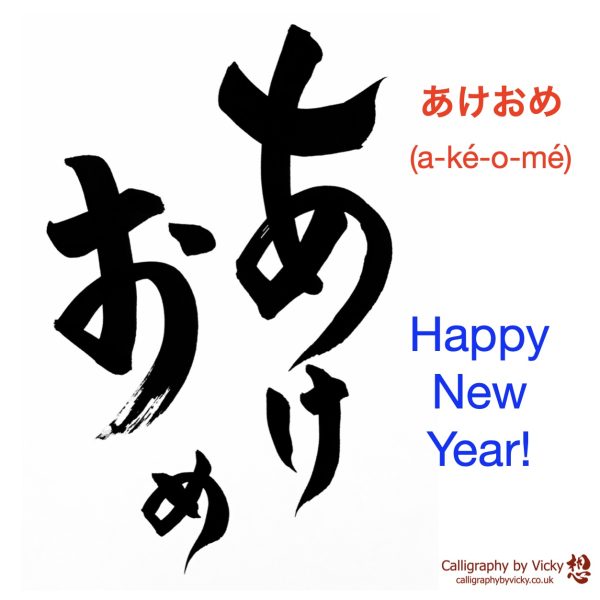
To wish someone “Happy New Year” in Japanese, say: あけまして おめでとうございます! (a-ké-ma-shi-té o-mé-dé-tō go-zai-masu) Or, more casually, take the first 2 syllables from each word and say: あけ おめ! (a-ké o-mé)
熊蟄穴 When bears begin to hibernate

The Japanese year used to be divided into 72 “micro-seasons”. These seasons were based on natural events such as the weather and the appearance of various plants and animals. Next week is the start of 熊蟄穴. The kanji: 熊 = bear 蟄 = hibernation 穴 = hole, den = the time when bears start theirContinueContinue reading “熊蟄穴 When bears begin to hibernate”
師走 (shiwasu) “December” (archaic)
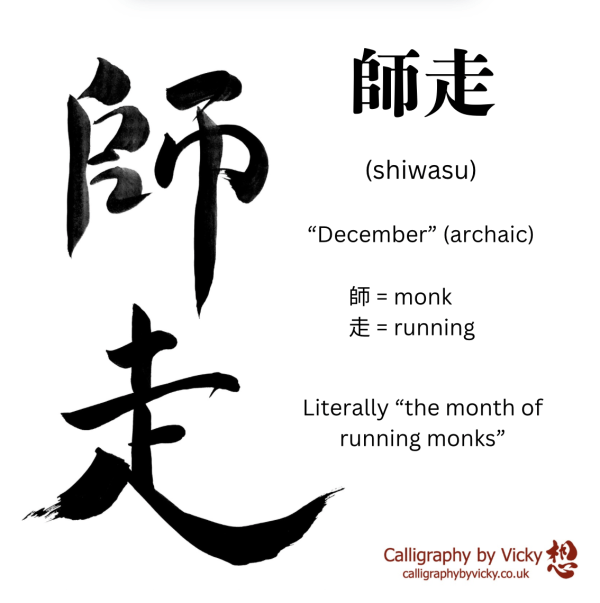
Like many countries, Japan uses a 12-month calendar. The names are very simple. January is literally “Month one” 一月, February is “Month two” 二月, etc. However, before the Meiji Restoration (mid-1800s) it was common to use an older 12-month system. These months’ names referenced the weather and the seasons (similar to the French Revolutionary calendar).ContinueContinue reading “師走 (shiwasu) “December” (archaic)”
自主独立 (ji-shu-doku-ritsu) “Success through one’s own efforts”
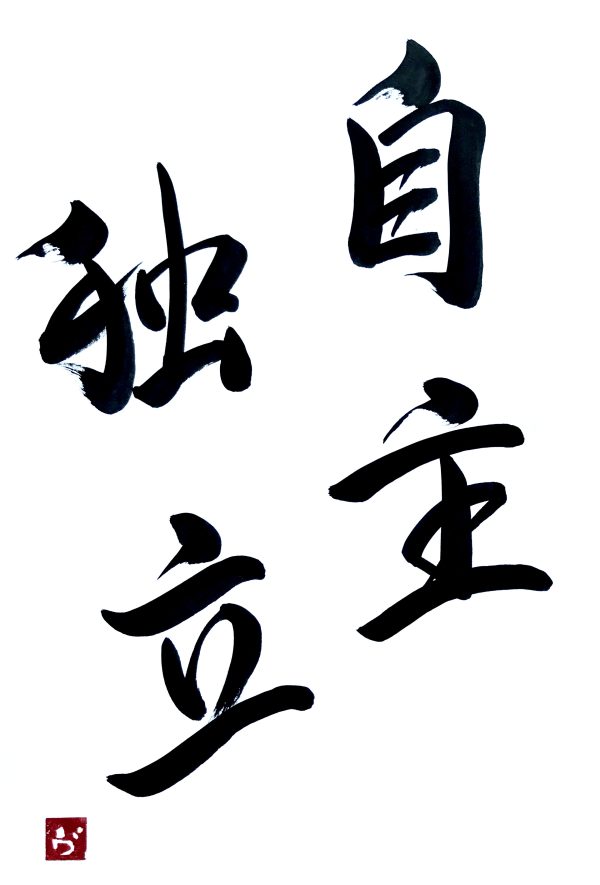
The kanji: 自 = oneself 主 = main 独 = alone 立 = standing This is a special kind of Japaneses idiom known as a 四字熟語 (よじじゅくご、yo-ji-juku-go), or 4-character idiom. As the name suggests, these are idiomatic phrases made of 4 kanji characters. They often contain a small life lesson or moral message, similar toContinueContinue reading “自主独立 (ji-shu-doku-ritsu) “Success through one’s own efforts””
雪 (yuki) “snow”
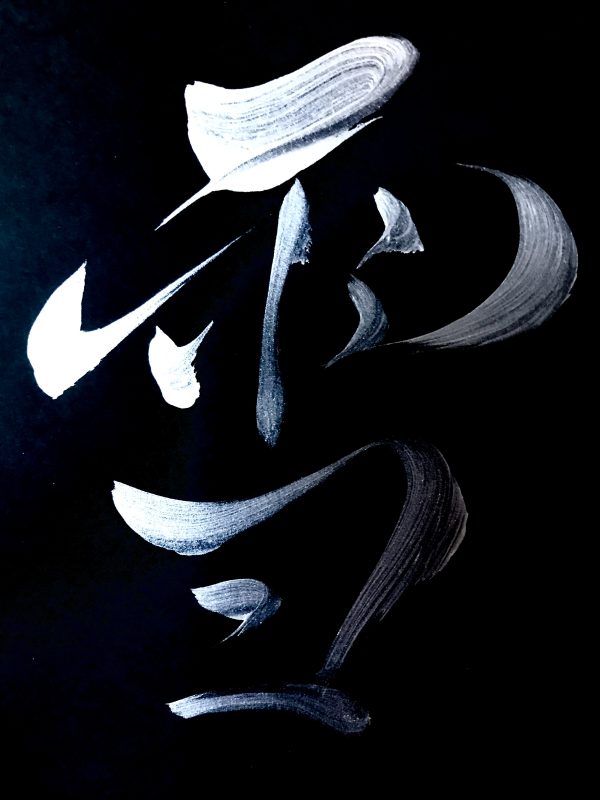
In my country it started snowing last week!
冷静 (rei-sei) “serenity”
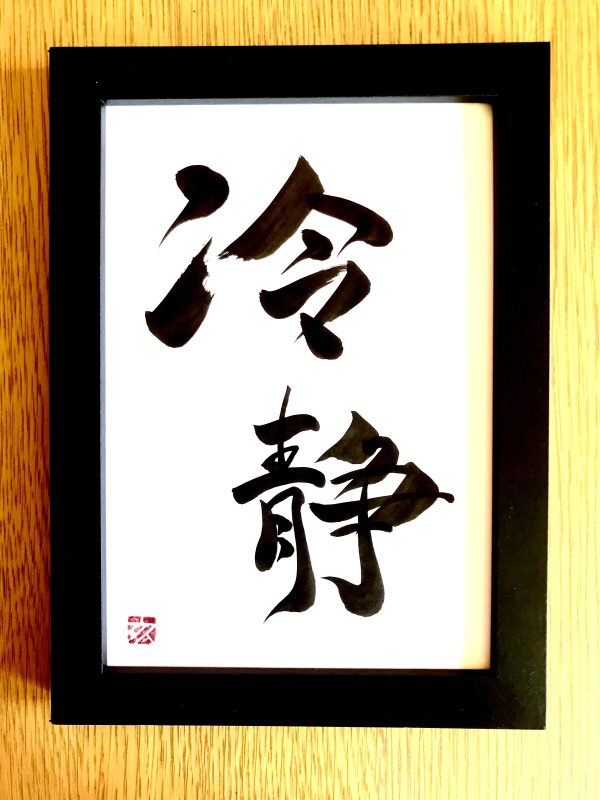
An original calligraphy work, available from my Etsy store.
紅葉 (kō-yō) “Red autumn leaves”
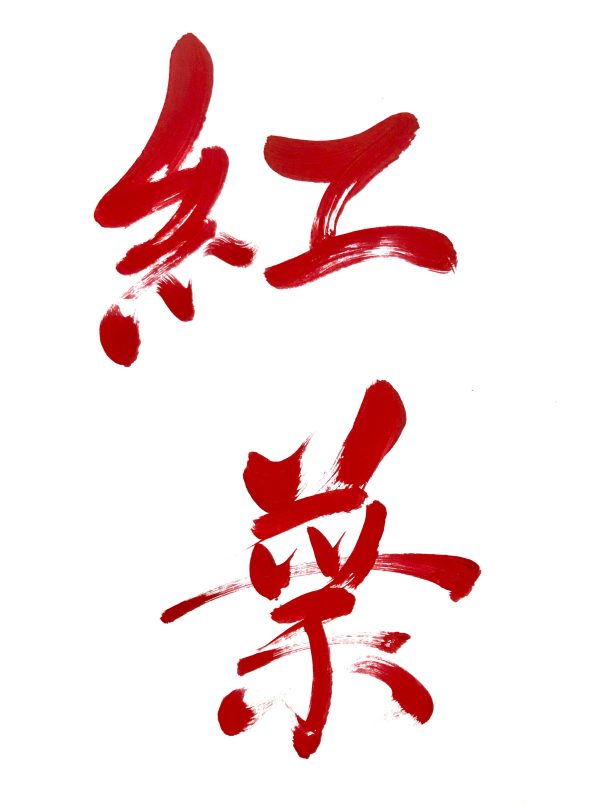
Japan is famous for its annual “cherry blossom season”. 🌸 Less well known is that autumn leaves are also widely celebrated. 🍁 Many people take trips to famous temples and shrines, parks and forests, in order to see the beautiful autumn colours. 🍂
十人十色 (jū-nin-tō-iro) “Each to their own”
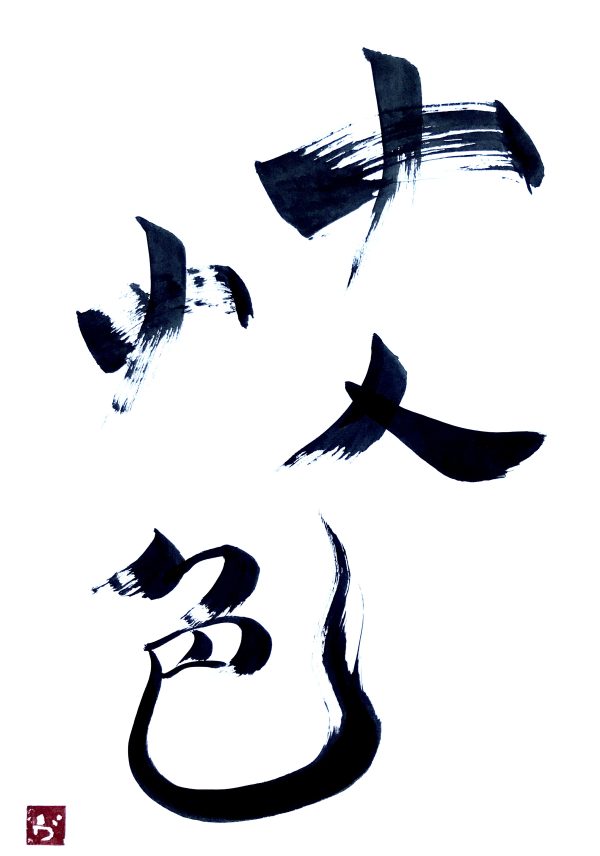
The kanji in this well-known Japanese idiom are: 十 = ten 人 = people 十 = ten 色 = colour(s) So literally: “ten people, ten colours”
 Calligraphy by Vicky