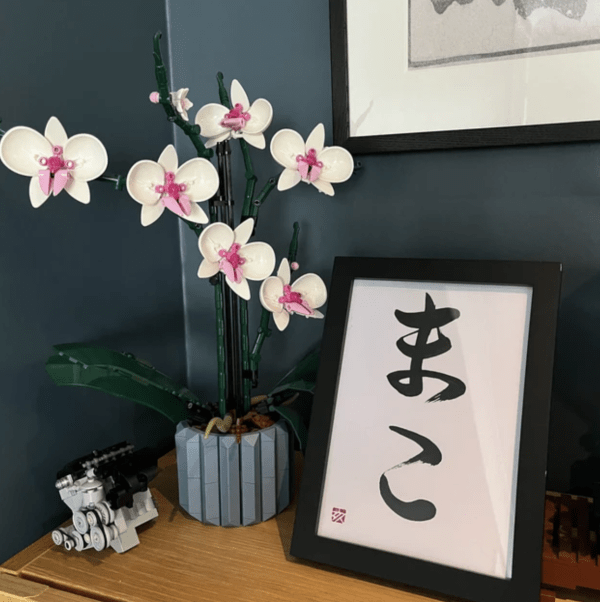
I was very honoured to receive a commission to create this artwork. “Mako” is the name of the client’s beloved cat, named after the Japanese actor Makoto Iwamatsu. (Image by client). If you’re interested in owning your own custom-made calligraphy artwork, please feel free to email me. Or check out the “purchase a work” pageContinueContinue reading “まこ “Mako””
Tag Archives: Japanese language
前進 (zen-shin) “Keep moving forwards!”
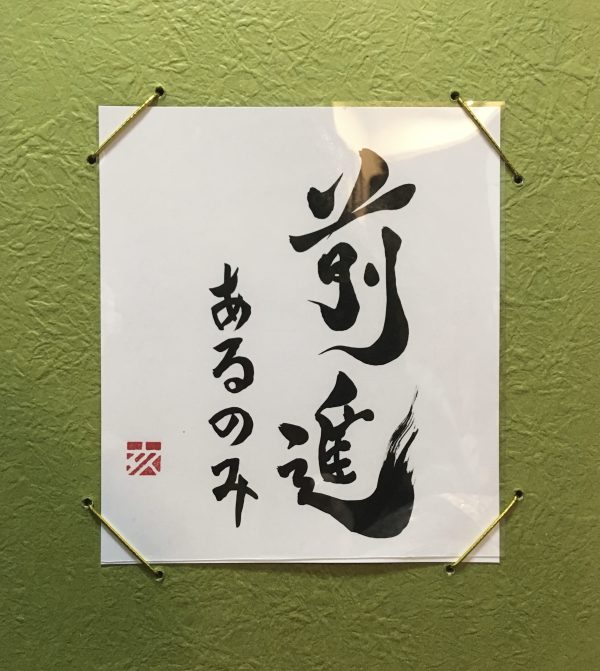
A motivational message for the client to hang in their room, with the option of turning it into a tattoo design. This was my first calligraphy commission 😊
How many writing systems does the Japanese language use?
kanji (left side), hiragana (top right) and katakana (bottom right) When you begin learning Japanese, chances are you’ll find yourself coming up against not only one writing system, but multiple. The text below is taken from Wikipedia’s entry on kanji. I’ve coloured each of the writing systems in a different colour: また、英語圏やフランス語圏で「Kanji」と言う場合は、日本の漢字、狭義では新字体を指す。 As you canContinueContinue reading “How many writing systems does the Japanese language use?”
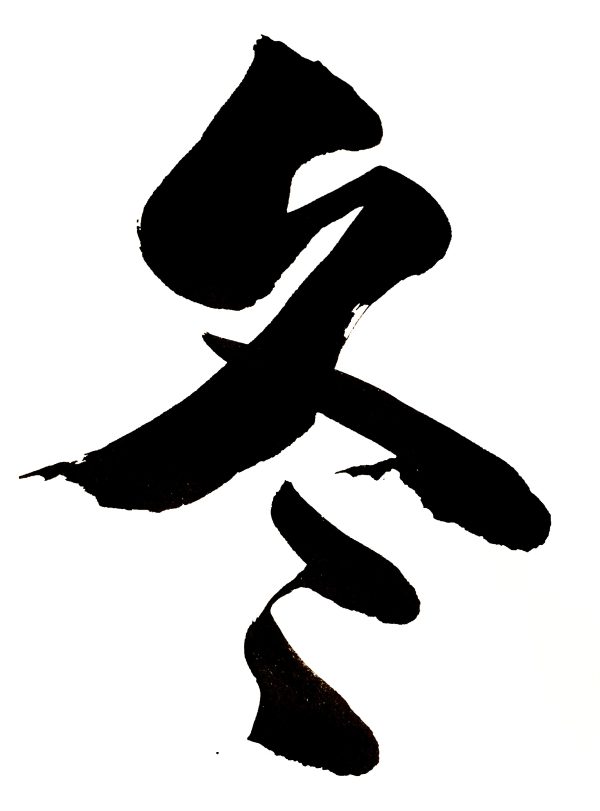
冬 (fuyu) “winter”
睦月 (mu-tsu-ki) “January” (archaic)
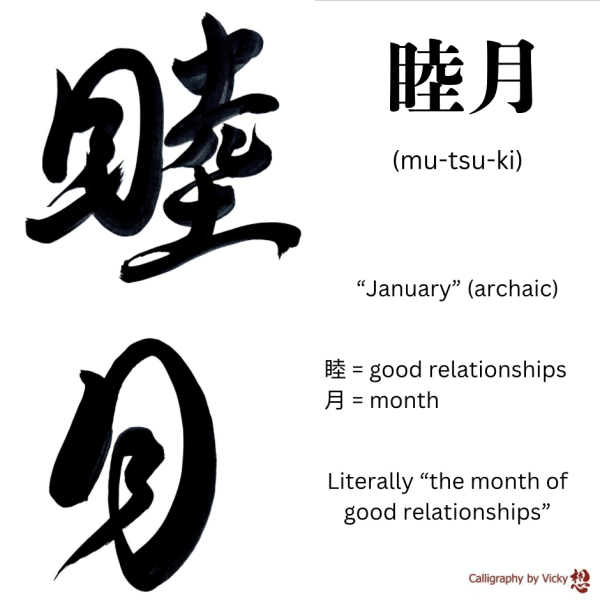
Like many countries, Japan uses a 12-month calendar. The names are very simple. January is literally “Month One”, February is “Month Two”, etc: 一月 = January 二月 = February However, before the Meiji Restoration (mid-1800s) it was common to use an older 12-month system. These months’ names referenced the weather and the seasons (similar toContinueContinue reading “睦月 (mu-tsu-ki) “January” (archaic)”
熊 (kuma) “bear” (kanji of the year 2025)
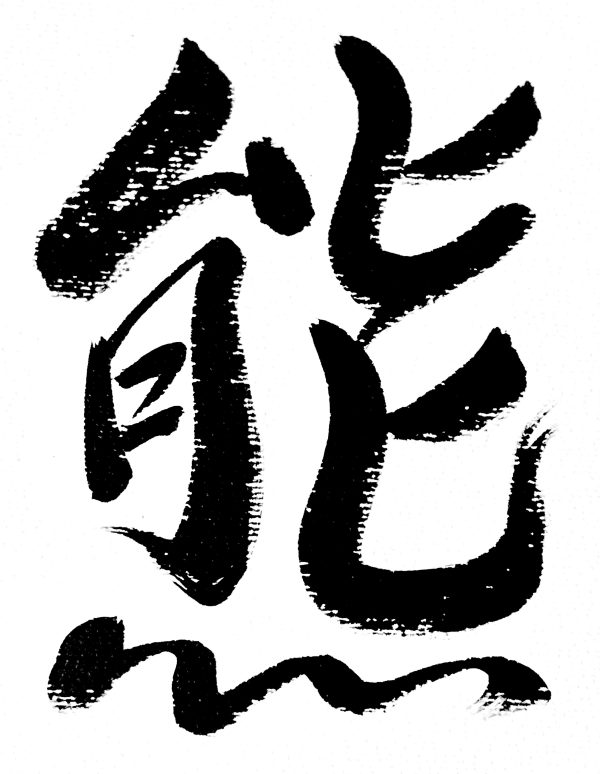
At the end of each year, one kanji is chosen to be “kanji of the year”. The winning kanji represents that year’s current events. 2025’s kanji was “bear” (kuma) 熊. 2025 saw a marked increase in the number of wild bear attacks on Japanese citizens, due to environmental changes leading them to abandon their naturalContinueContinue reading “熊 (kuma) “bear” (kanji of the year 2025)”
午 = “Horse”???? 🐎
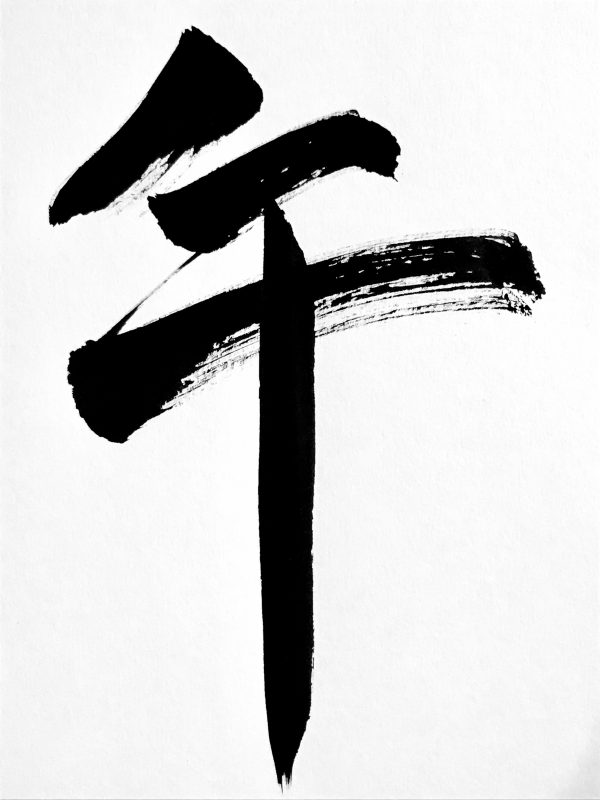
The usual kanji for horse is 馬, so does this mean there are two ways of writing “horse”? Kind of! Japan uses the Chinese Zodiac system in which each year is assigned one of 12 animals. When referring to these animals in the context of the Chinese Zodiac (and not as just regular animals), aContinueContinue reading “午 = “Horse”???? 🐎”
馬 (uma) “horse” 🐴
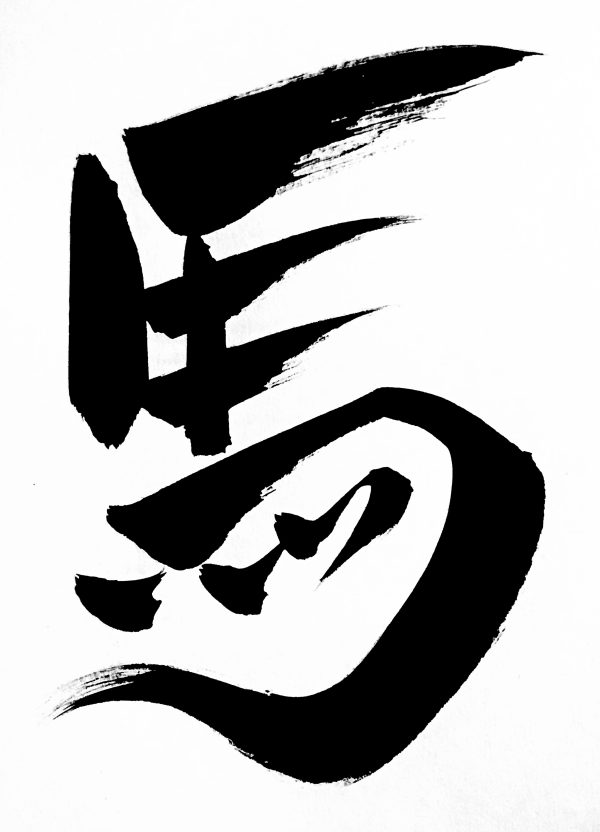
Japan uses the Chinese Zodiac system in which each year is assigned one of 12 animals. 2026 is the Year of the Horse 🐴
書初め (kakizomé) The First Calligraphy of the New Year
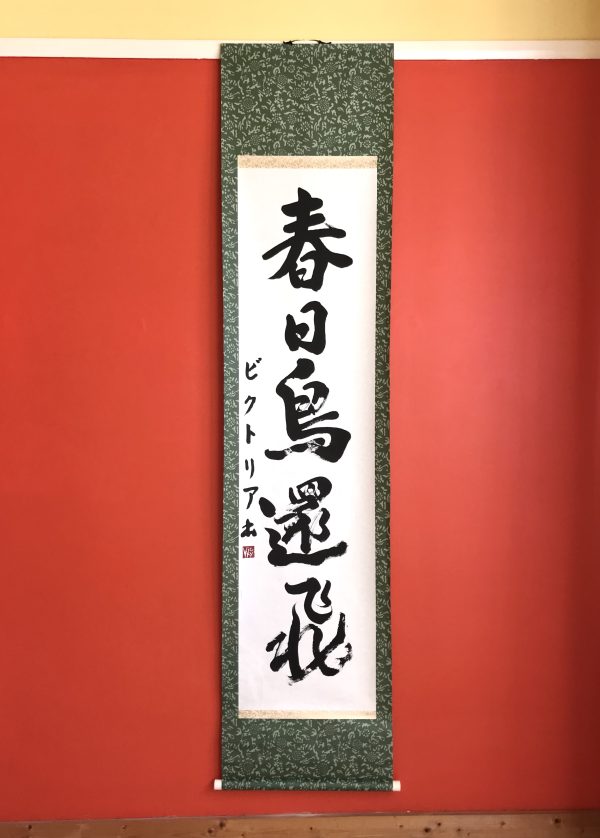
New Year’s is the biggest festival in Japan. As a time for new beginnings, it is often observed by doing activities “for the first time in the new year”. The first calligraphy of the new year is called 書初め (kakizomé). The kanji: 書 = writing (as in 書道 – Japanese calligraphy, or “the way ofContinueContinue reading “書初め (kakizomé) The First Calligraphy of the New Year”
抱負 (hō-fu) resolution
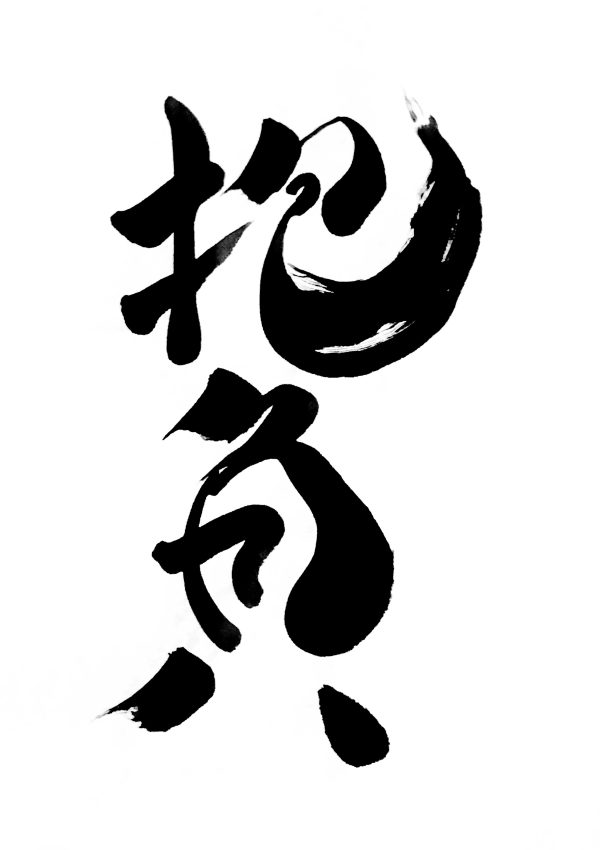
New Year’s resolutions are just as popular in Japan as they are in western countries. In Japanese “New Year’s resolution” is 新年の抱負 (shin-nen-no-hō-fu). 新年 = New Year (shin-nen) 抱負 = resolution (hō-fu)
 Calligraphy by Vicky