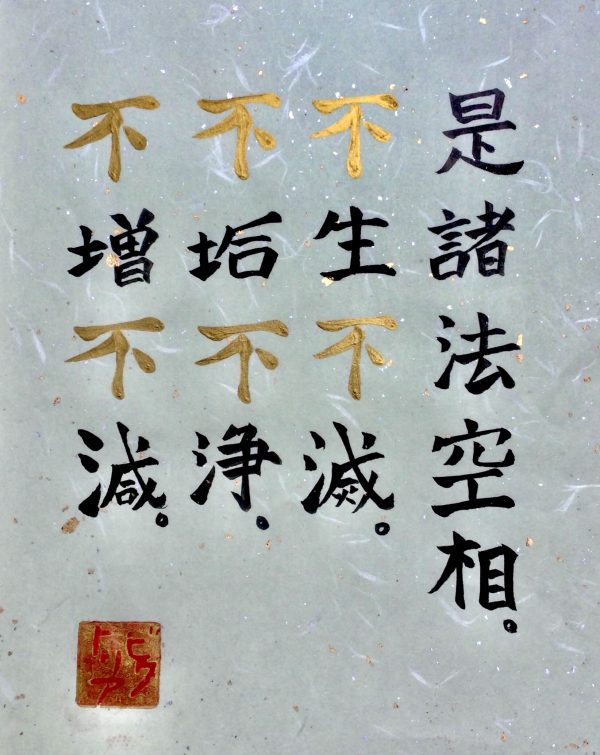
是諸法空相 = All phenomena bear the mark of Emptiness 不生不滅 = no Birth no Death 不垢不浄 = no Defilement no Purity 不増不減 = no Increasing no Decreasing (Translation by Thich Nhat Hanh) The Heart Sutra is one of the most important sutras (religious texts) in Buddhism. It celebrates the idea that all things of theContinueContinue reading “Excerpt from the Heart Sutra”
Tag Archives: Buddhism
無常 (mujō) “impermanence”
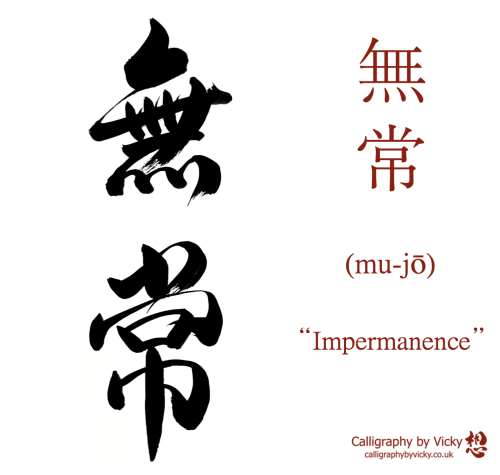
“Western aesthetics is sometimes familiar with simplicity, asymmetry and suggestion, but the idea that beauty lies in its own vanishing is an idea much less common. Perishability remains, however, what [Donald] Keene has called the ‘the most distinctively Japanese aesthetic ideal’. It is certainly among the earliest, being based on the Buddhist concept of “mujō”…ContinueContinue reading “無常 (mujō) “impermanence””
無限 (mu-gen) “unlimited / no limits”
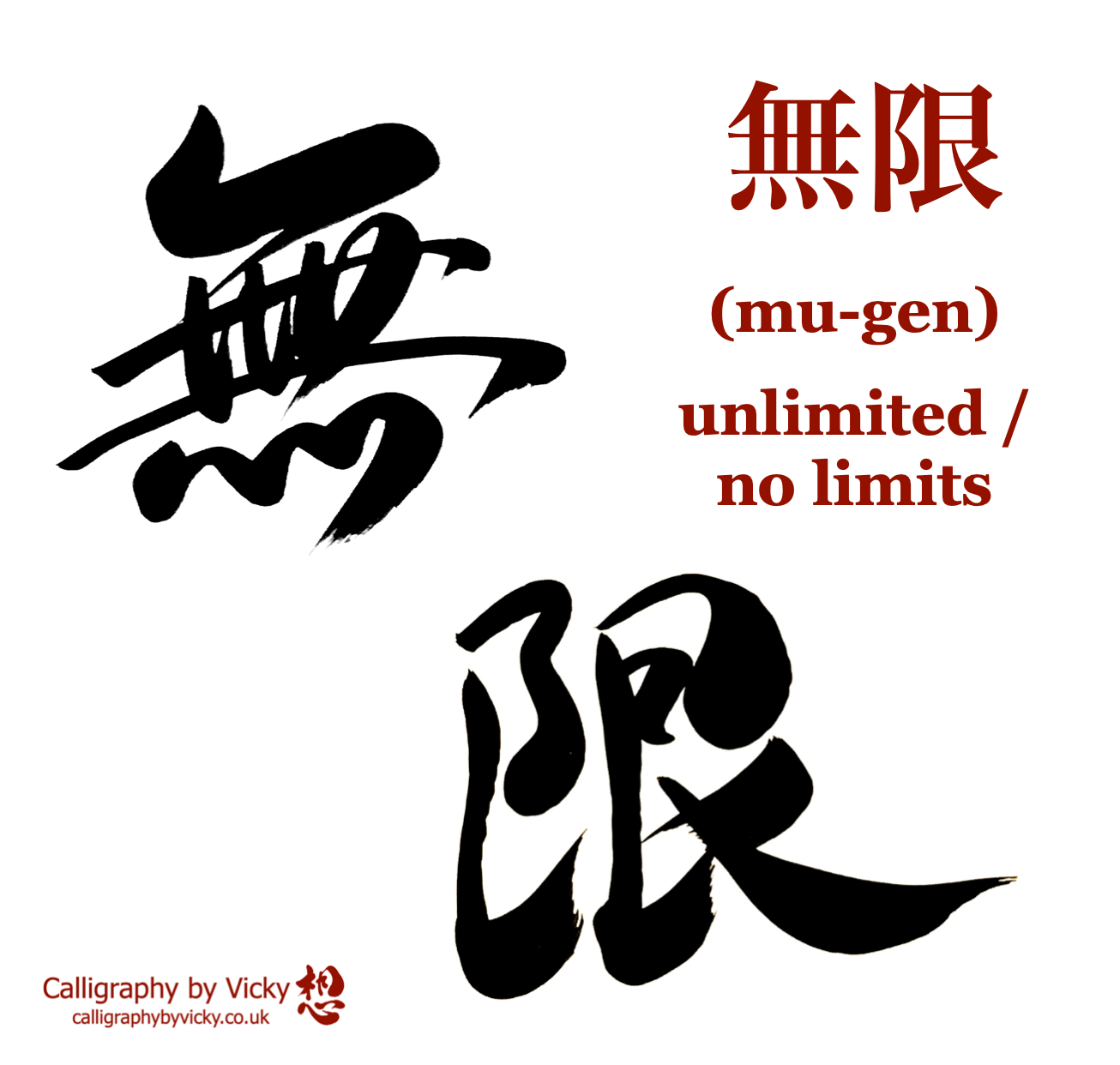
The idea of no limits, or infinity, can represent divine eternal consciousness. It is an important concept in Buddhism, often represented by an endless knot that is strikingly similar to Celtic designs. It can also represent samsara, the endless cycle of death and rebirth. It is similar to the symbol of the ouroboros – theContinueContinue reading “無限 (mu-gen) “unlimited / no limits””
春分 (shun-bun) “Spring Equinox”
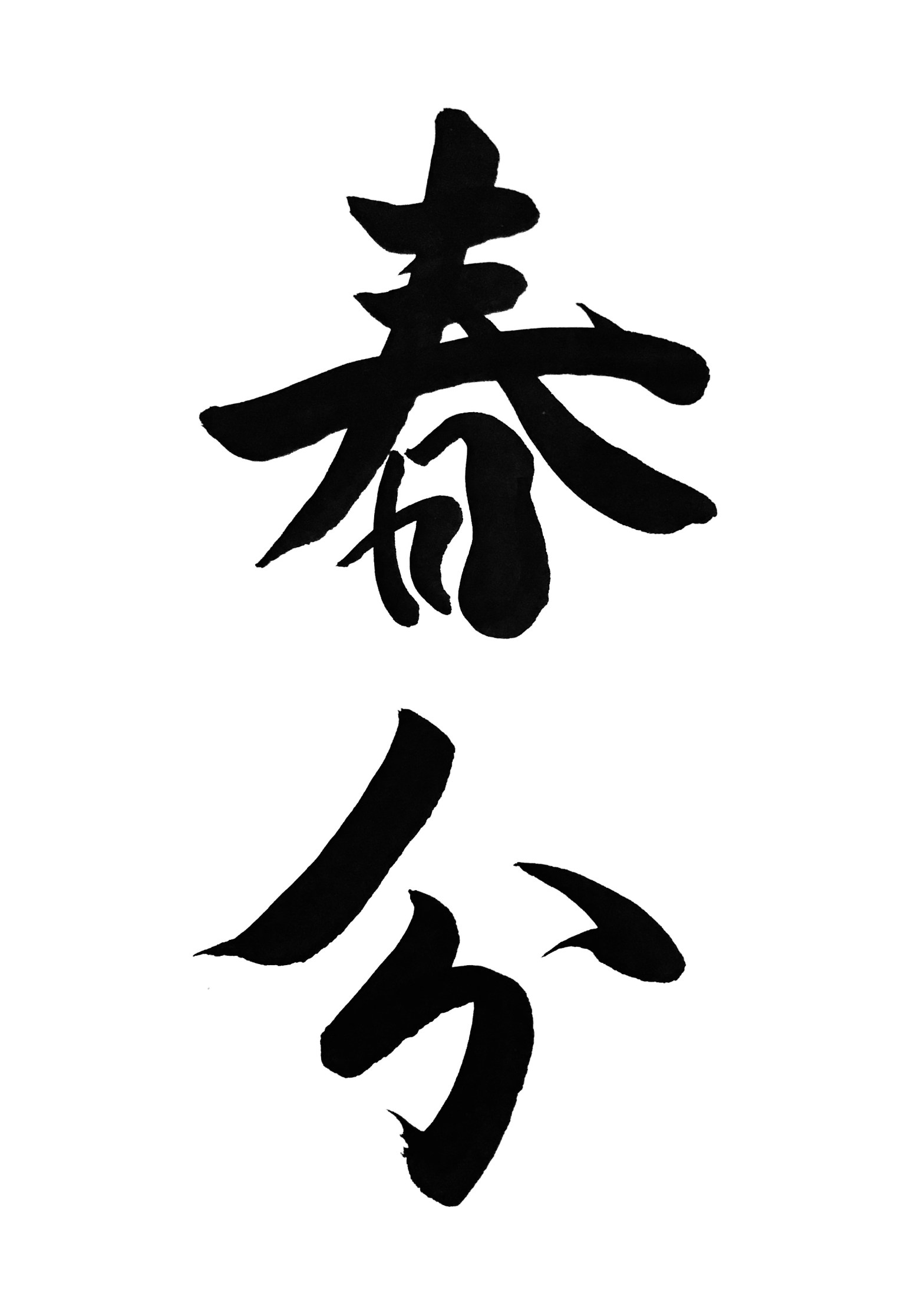
In Japan, 春分 (shun-bun) spring equinox is a national holiday. The week which contains spring equinox is called “o-higan”. This has connections with Buddhism, and on this day many people visit spend time with their families and visit their family grave. “Bota-mochi” (rice cake covered in sweet bean paste) is traditionally eaten on this day.
禅 Zen
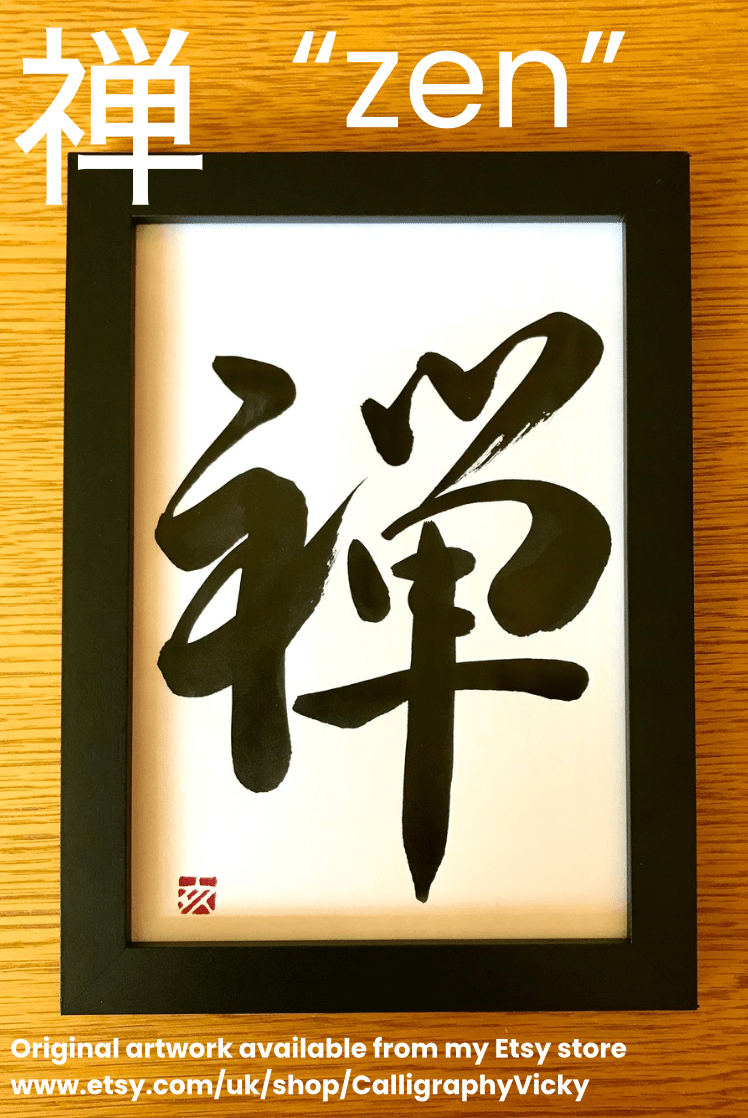
“There is no way to enlightenment; enlightenment is the way”. – Thich Nhat Hanh, Zen Master This one-off calligraphy work is available on my Etsy store here
悟 (Satori) “enlightenment”
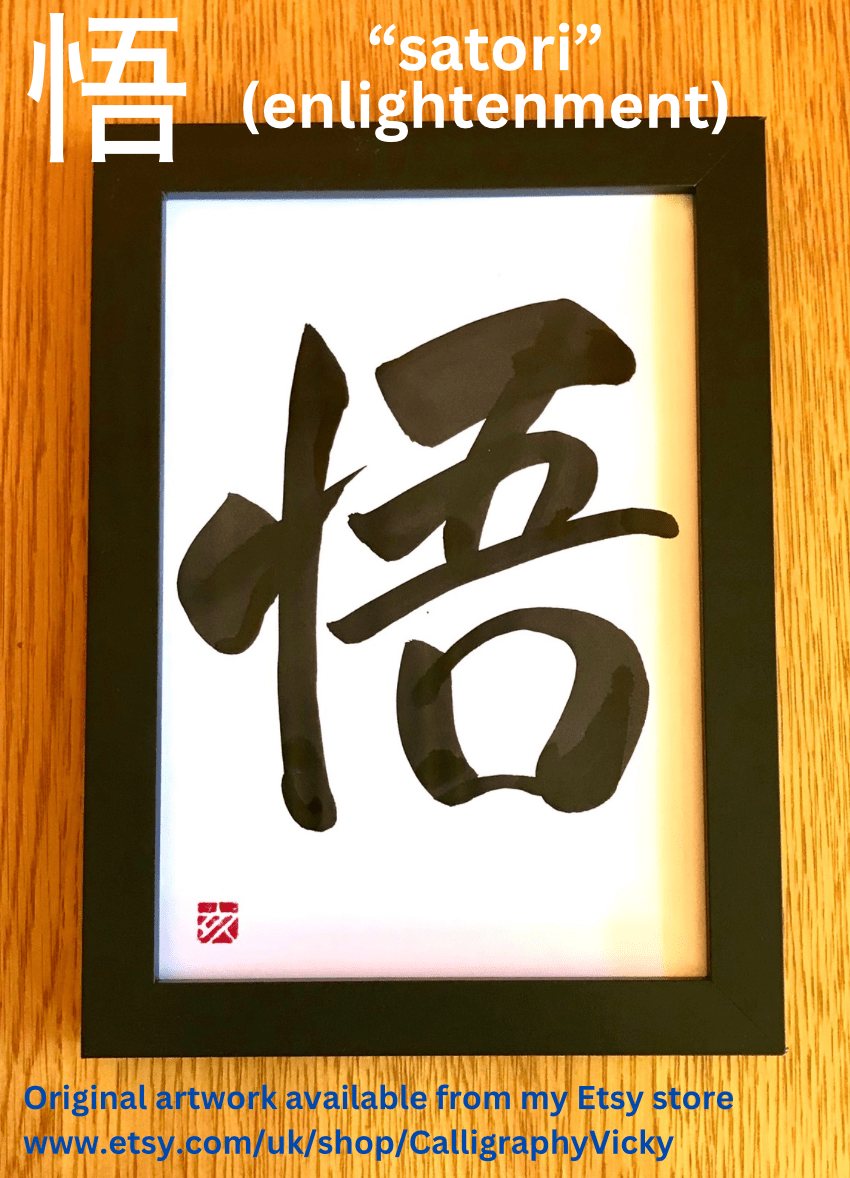
“Enlightenment is when a wave realises it is the ocean.” Thich Nhat Hanh The original artwork in the above photo is available on my Etsy store here.
無心 (mu-shin) “no-mind” or “nothingness mind”
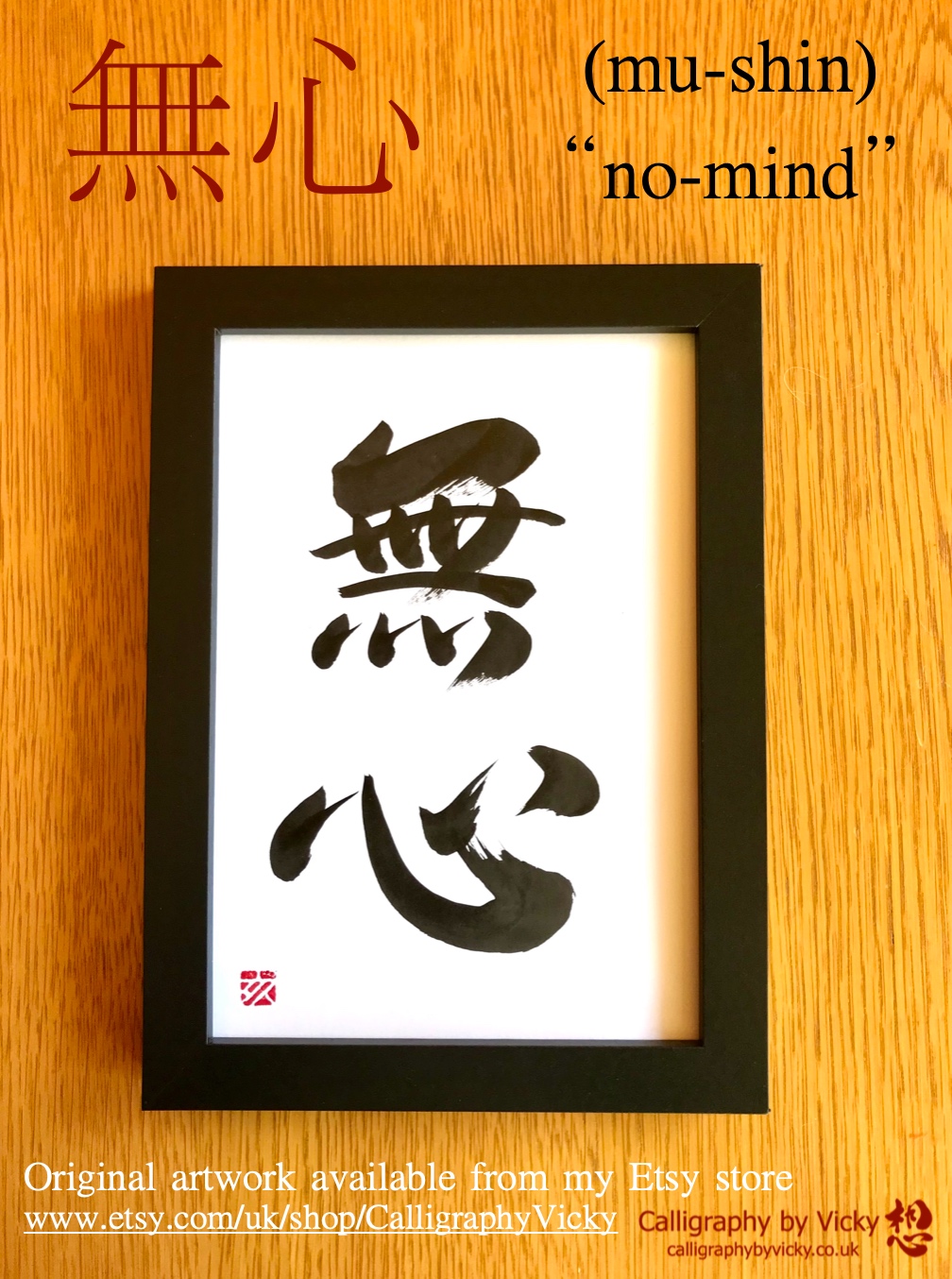
An important concept in meditation and martial arts. If you have mu-shin, your mind is free from thoughts, desires and assumptions. The Buddhist nun Reverend Jiyu-Kennett once said: “It’s nothing… but it’s the fullest kind of nothing there ever was!” When your mind is clear, and you are free from ego and can act naturallyContinueContinue reading “無心 (mu-shin) “no-mind” or “nothingness mind””
無常 (mu-jō) “impermanence”
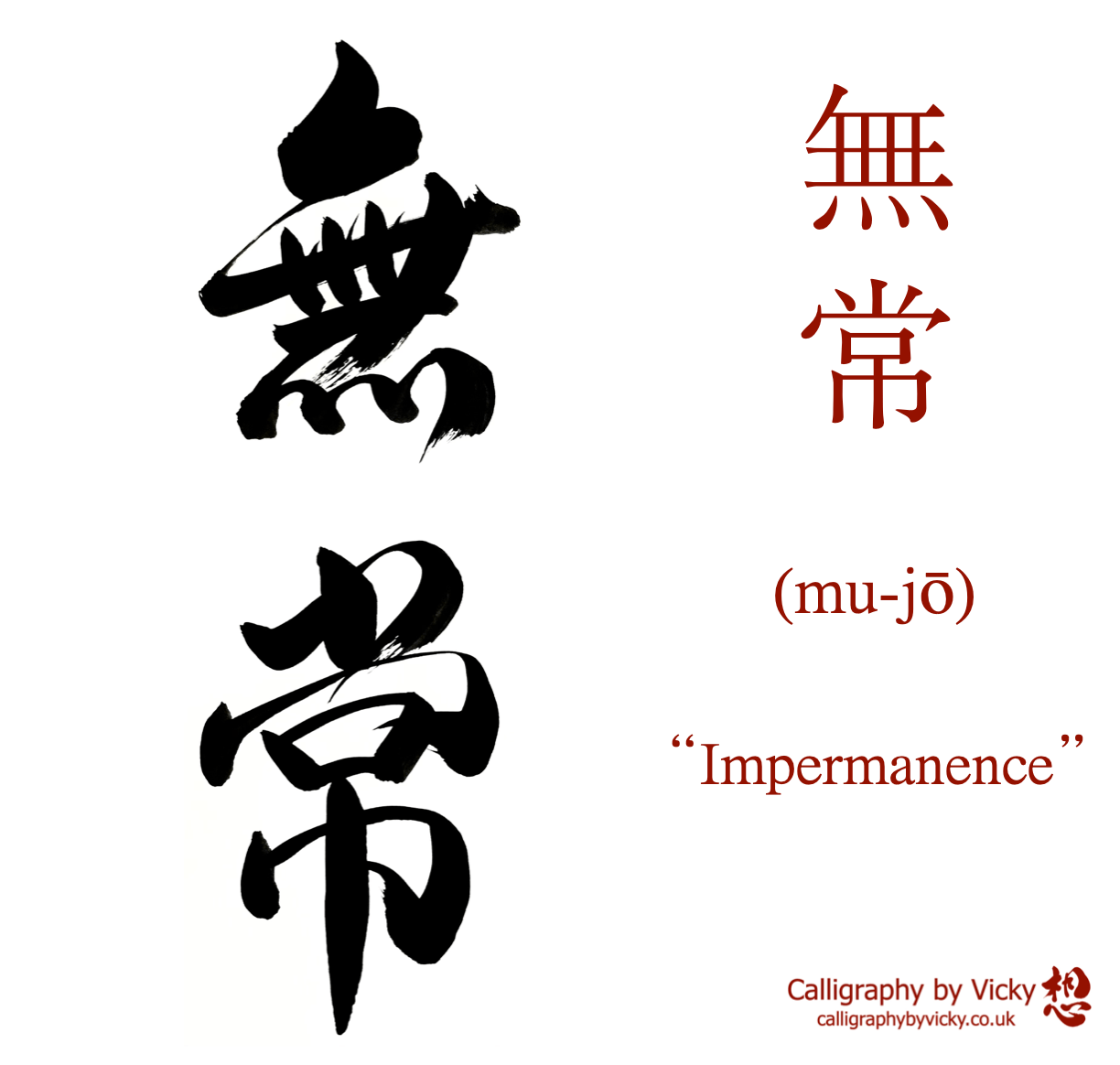
“Western aesthetics is sometimes familiar with simplicity, asymmetry and suggestion, but the idea that beauty lies in its own vanishing is an idea much less common. Perishability remains, however, what [Donald] Keene has called the ‘the most distinctively Japanese aesthetic ideal’. It is certainly among the earliest, being based on the Buddhist concept of “mujō”…ContinueContinue reading “無常 (mu-jō) “impermanence””
悟 (Satori) “enlightenment”

Satori is the Japanese word for the buddhist concept of enlightenment. It is said that once one has experienced satori, one’s perspective on life is forever changed. The artwork in the above photo is one of my original one-offs. You can own it by purchasing it from my Etsy store here.
無限 (mu-gen) “unlimited / no limits”
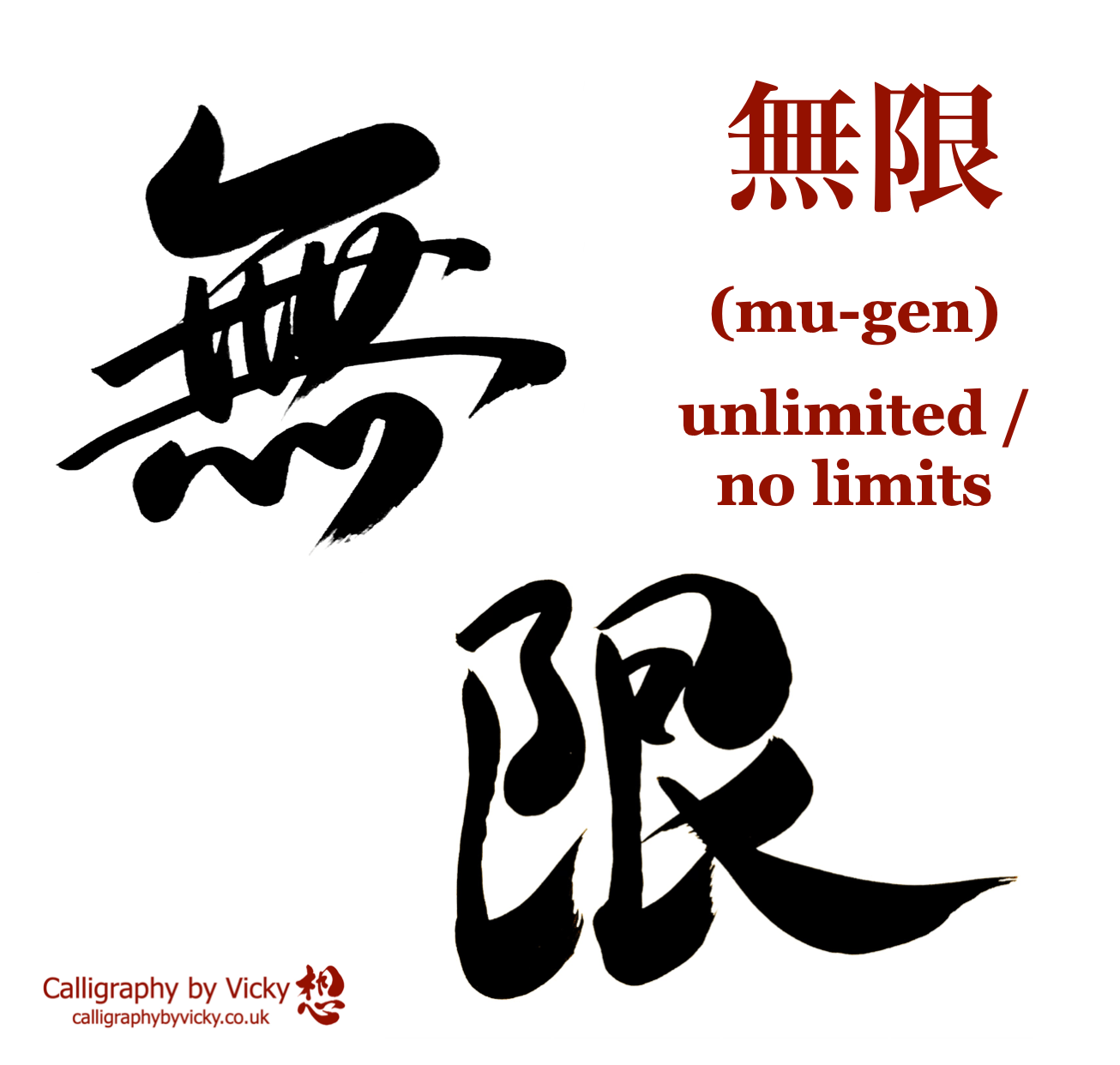
The idea of no limits, or infinity, can represent divine eternal consciousness. It is an important concept in Buddhism, often represented by an endless knot that is strikingly similar to Celtic designs. It can also represent samsara, the endless cycle of death and rebirth. It is similar to the symbol of the ouroboros – theContinueContinue reading “無限 (mu-gen) “unlimited / no limits””

