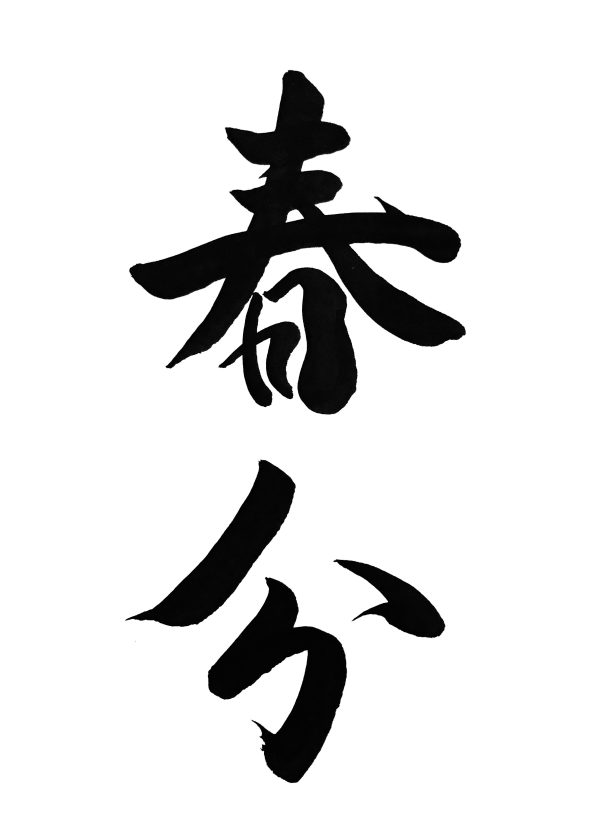
In Japan, 春分 (shun-bun) spring equinox is a national holiday. The week which contains spring equinox is called “o-higan”. This has connections with Buddhism, and on this day many people visit spend time with their families and visit their family grave. “Bota-mochi” (rice cake covered in sweet bean paste) is traditionally eaten on this day.
Category Archives: Special Days
鬼 (oni) “Demon”
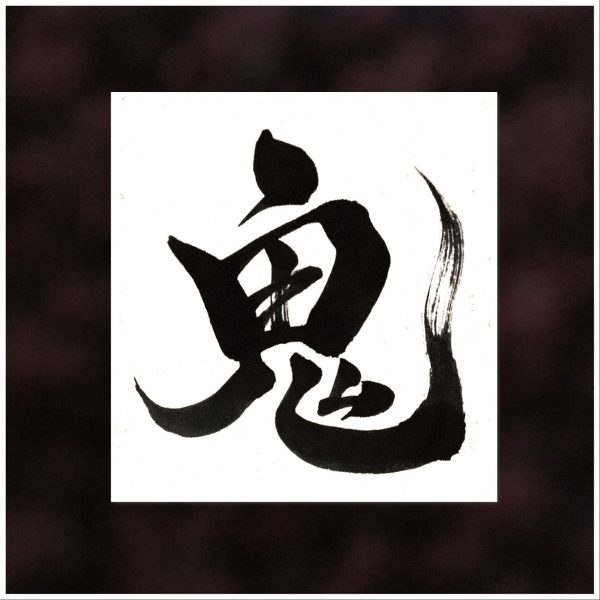
Sometimes translated as “demon”, “devil” or “ogre”, an oni is a traditional Japanese monster typically depicted as wearing a tiger pelt and carrying an iron club. They usually have red or blue skin and horns. They are popular characters in Japanese fairy tales and legends. In early February the annual bean-throwing festival is practiced toContinueContinue reading “鬼 (oni) “Demon””
午 = “Horse”???? 🐎
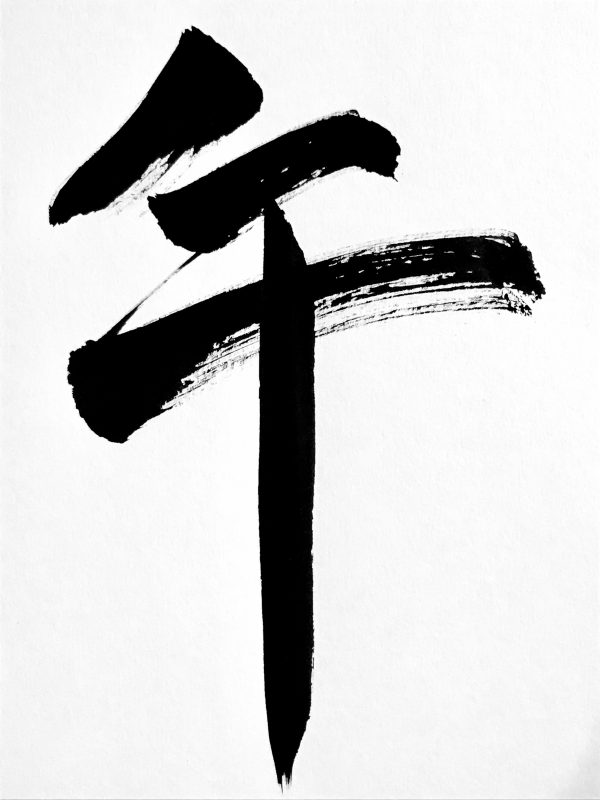
The usual kanji for horse is 馬, so does this mean there are two ways of writing “horse”? Kind of! Japan uses the Chinese Zodiac system in which each year is assigned one of 12 animals. When referring to these animals in the context of the Chinese Zodiac (and not as just regular animals), aContinueContinue reading “午 = “Horse”???? 🐎”
書初め (kakizomé) The First Calligraphy of the New Year
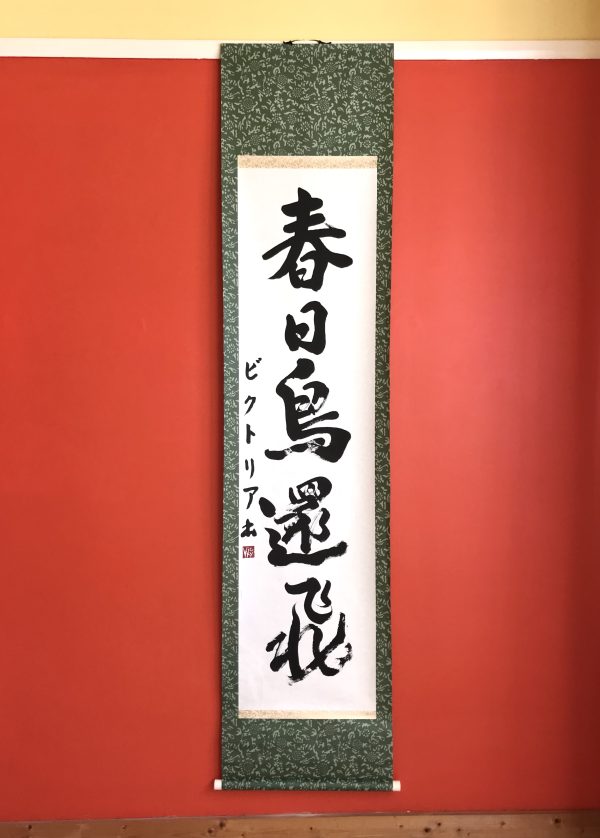
New Year’s is the biggest festival in Japan. As a time for new beginnings, it is often observed by doing activities “for the first time in the new year”. The first calligraphy of the new year is called 書初め (kakizomé). The kanji: 書 = writing (as in 書道 – Japanese calligraphy, or “the way ofContinueContinue reading “書初め (kakizomé) The First Calligraphy of the New Year”
新年 (shin-nen) New Year
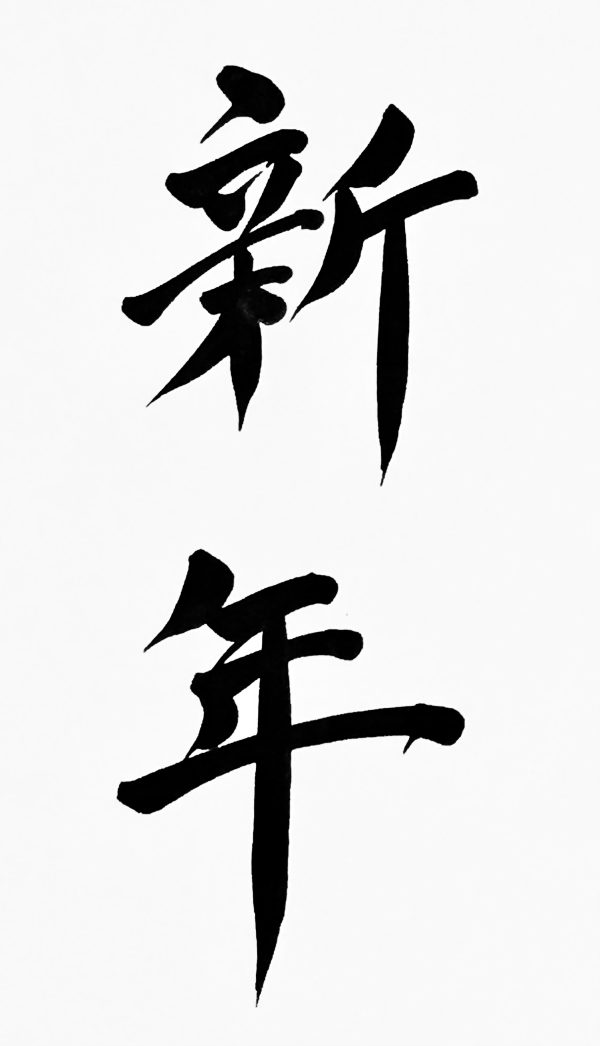
The New Year’s holiday is one of the most important times for Japanese people. It’s a time to clean the house, make resolutions, forget the old year, and make a clean start. The kanji: 新 = new (pronounced “a-ta-ra-shi-i” by itself, and “shin” when in conjunction with other kanji). 年 = year (pronounced “toshi” byContinueContinue reading “新年 (shin-nen) New Year”
あけおめ (a-ké-o-mé) “Happy New Year”
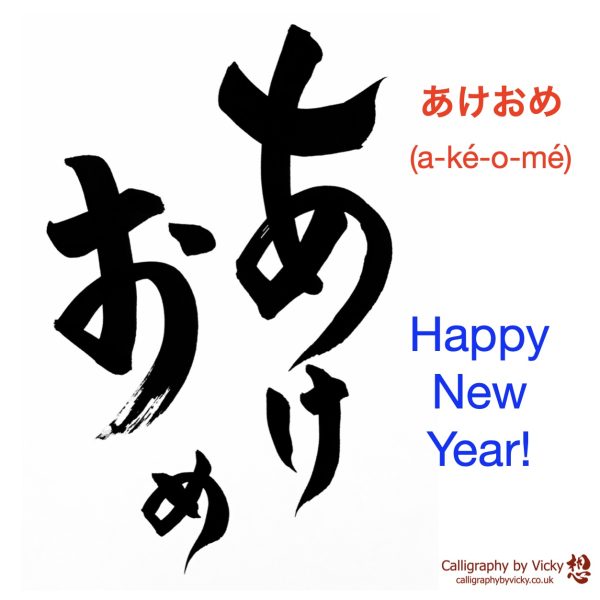
To wish someone “Happy New Year” in Japanese, say: あけまして おめでとうございます! (a-ké-ma-shi-té o-mé-dé-tō go-zai-masu) Or, more casually, take the first 2 syllables from each word and say: あけ おめ! (a-ké o-mé)
花火(hanabi) “fireworks”
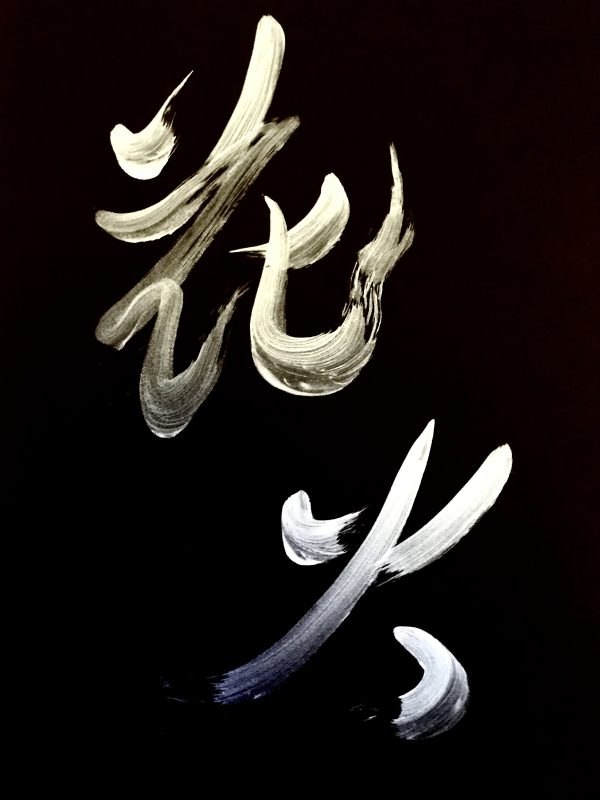
Like many celebrations across the world, fireworks often play a part in Japanese festivities. In Japan, they are most commonly associated with summer festivals. I chose to write this word because in my home country of the UK it was Bonfire Night (Guy Fawkes’ Night) on November 5th. This night marks the anniversary of aContinueContinue reading “花火(hanabi) “fireworks””
文化 (bunka) “culture”
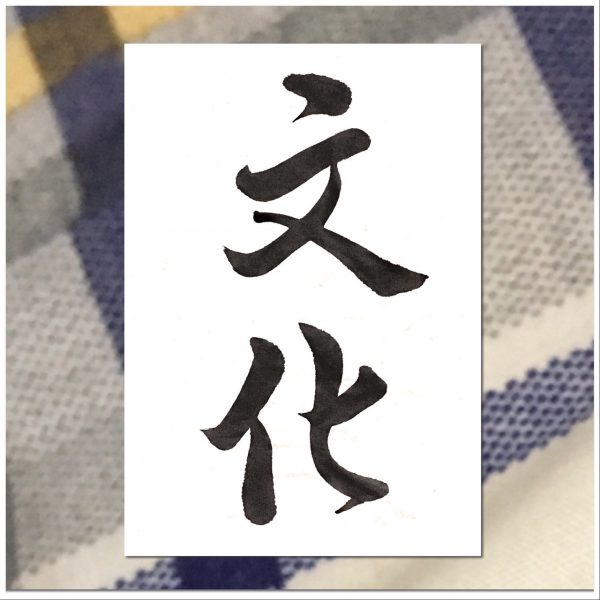
November 3rd is “Culture Day” in Japan. Japan has roughly 20 national holidays, which is about double the number in other developed nations. The holidays range from seasonal (Spring and Autumn Equinoxes are observed as holidays) to the societal (“Respect for the Elderly Day”), the Imperial (the Emperor’s birthday), the Patriotic (“Japanese National Foundation Day”)ContinueContinue reading “文化 (bunka) “culture””
月見 (Tsukimi) “moon-viewing”
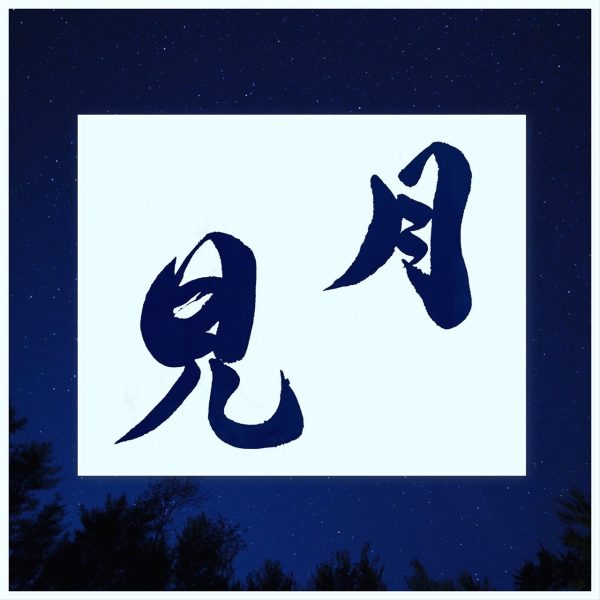
Monday was Moon Viewing Day in Japan. The full moon in autumn is considered particularly clear and beautiful, much like the idea of a “harvest moon”. 🎑 🌕 In Japan, Moon Viewing Day is celebrated by eating white dumplings. In China it is celebrated by eating mooncakes – pastries filled with lotus paste and aContinueContinue reading “月見 (Tsukimi) “moon-viewing””
長月 (Nagatsuki) “September” (archaic)
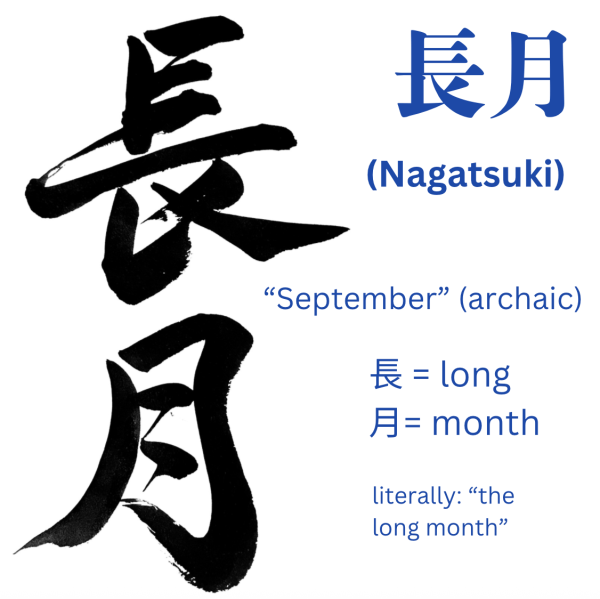
Like many countries, Japan uses a 12-month calendar. The names are very simple. January is literally “Month one”, February is “Month two”, etc: 一月 = January 二月 = February However, before the Meiji Restoration (mid-1800s) it was common to use an older 12-month system. These months’ names referenced the weather and the seasons (similar toContinueContinue reading “長月 (Nagatsuki) “September” (archaic)”
 Calligraphy by Vicky