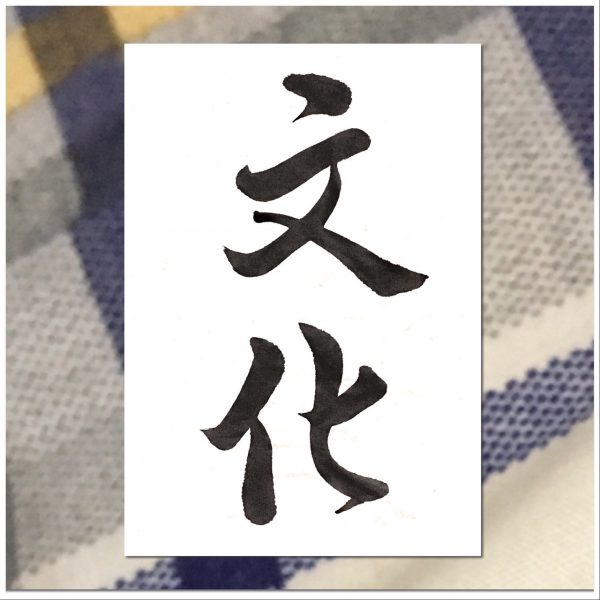
November 3rd is “Culture Day” in Japan. Japan has roughly 20 national holidays, which is about double the number in other developed nations. The holidays range from seasonal (Spring and Autumn Equinoxes are observed as holidays) to the societal (“Respect for the Elderly Day”), the Imperial (the Emperor’s birthday), the Patriotic (“Japanese National Foundation Day”)ContinueContinue reading “文化 (bunka) “culture””
Category Archives: Special Days
月見 (Tsukimi) “moon-viewing”
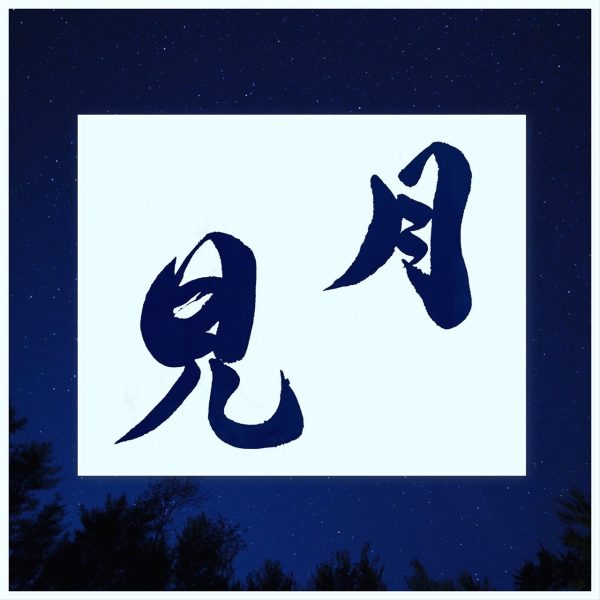
Monday was Moon Viewing Day in Japan. The full moon in autumn is considered particularly clear and beautiful, much like the idea of a “harvest moon”. 🎑 🌕 In Japan, Moon Viewing Day is celebrated by eating white dumplings. In China it is celebrated by eating mooncakes – pastries filled with lotus paste and aContinueContinue reading “月見 (Tsukimi) “moon-viewing””
長月 (Nagatsuki) “September” (archaic)
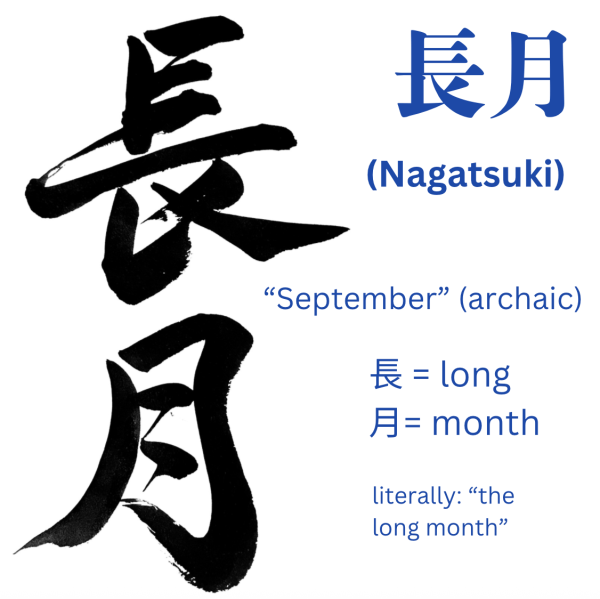
Like many countries, Japan uses a 12-month calendar. The names are very simple. January is literally “Month one”, February is “Month two”, etc: 一月 = January 二月 = February However, before the Meiji Restoration (mid-1800s) it was common to use an older 12-month system. These months’ names referenced the weather and the seasons (similar toContinueContinue reading “長月 (Nagatsuki) “September” (archaic)”
お盆 (o-bon)
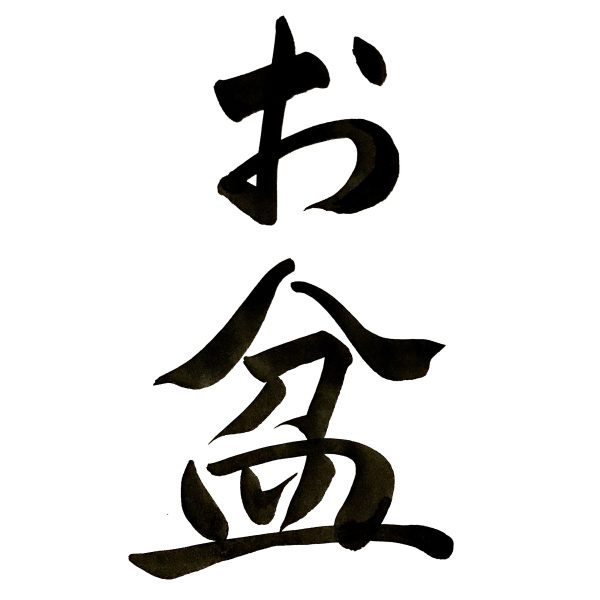
Every August Japan celebrates o-bon, the time of year when ancestors return to the world of the living. People celebrate by lighting fires, holding special dances in the town square, and visiting their family graves.
星 (hoshi) “star”
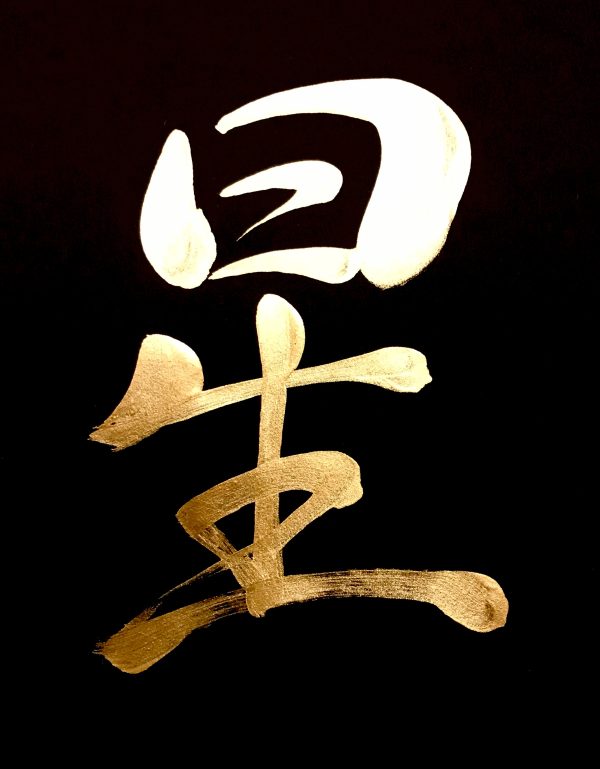
Early July is the time of Tanabata, known as the “Star Festival” in English. It celebrates the annual meeting of the stars Vega and Altair. According to East Asian folklore, these stars are separated lovers who are permitted by the gods to meet only once a year.
七夕 (Tanabata) The Japanese star festival
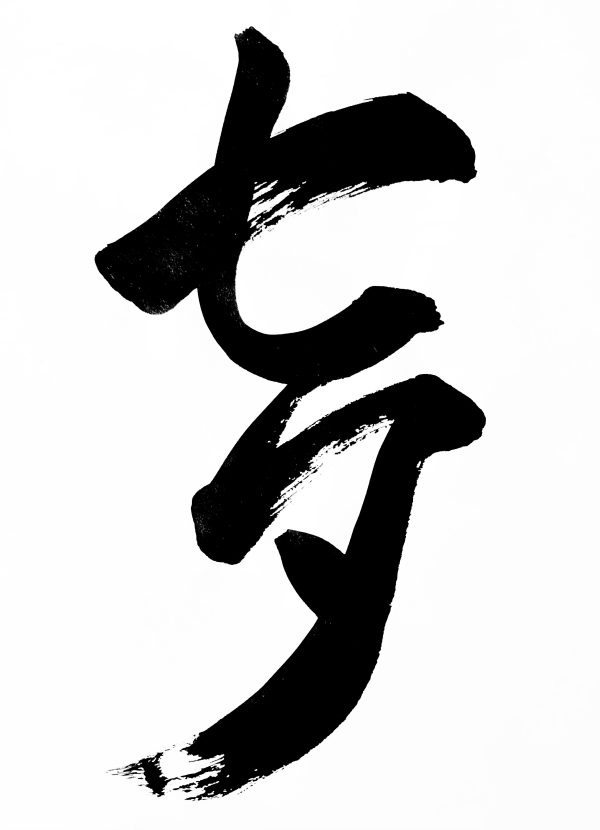
Often translated into English as the “Star Festival”, Tanabata celebrates the annual meeting of the stars Vega and Altair, believed to be separated lovers who are permitted by the gods to meet only once a year, in early July. People celebrate this festival by writing wishes on small coloured pieces of paper and tying themContinueContinue reading “七夕 (Tanabata) The Japanese star festival”
雛 (hina) “hina doll” 🎎
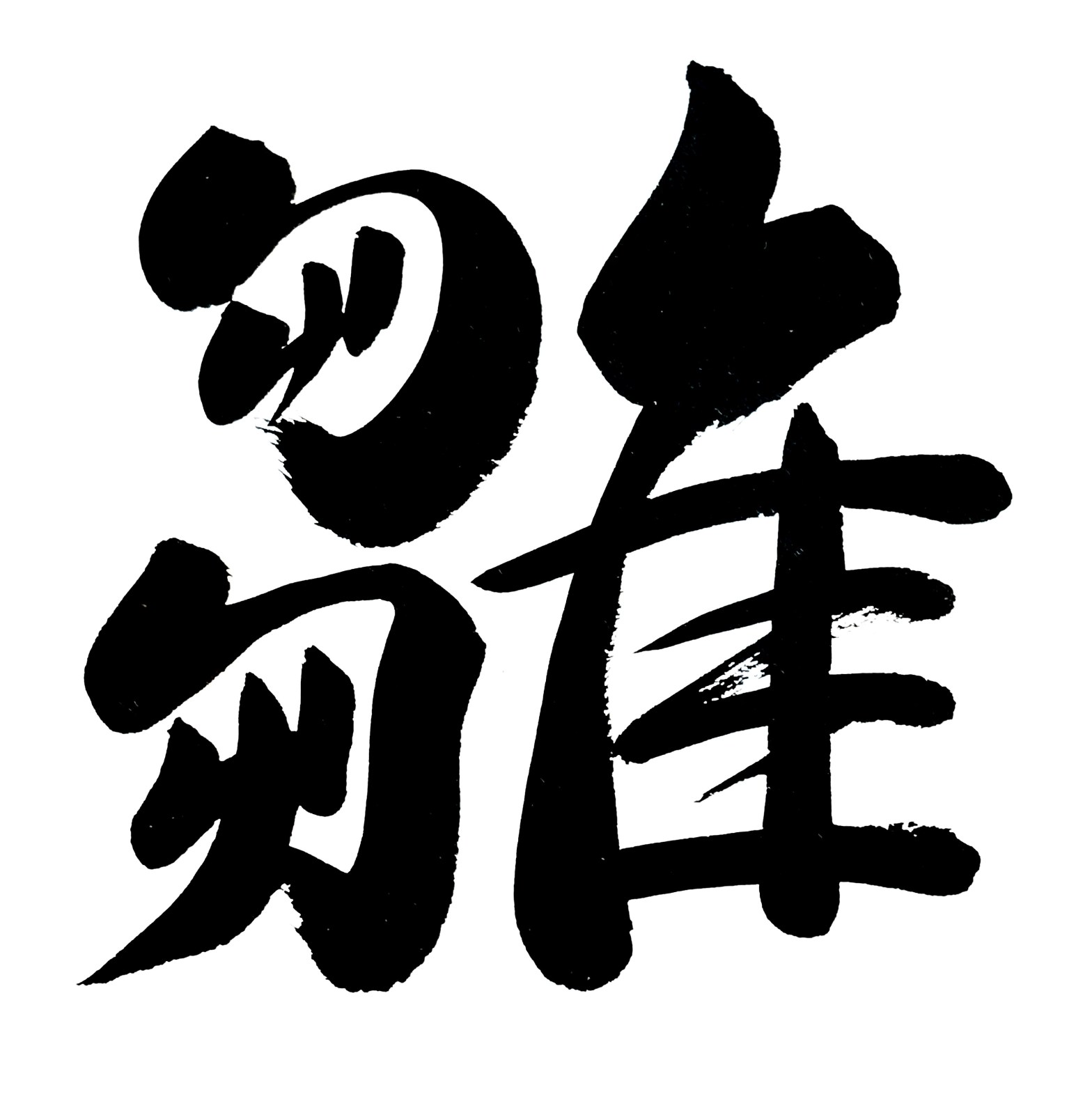
Hina dolls are ornamental dolls which represent traditional Japanese Imperial court members, such as the Emperor, Empress, and attendants. They’re best known as the decorations for the Japanese Girls’ Day celebration, which took place yesterday. In fact, Girls’ Day is known in Japanese as ひな祭り (Hina Matsuri) “The Hina doll festival”.Families often display large setsContinueContinue reading “雛 (hina) “hina doll” 🎎”
 Calligraphy by Vicky