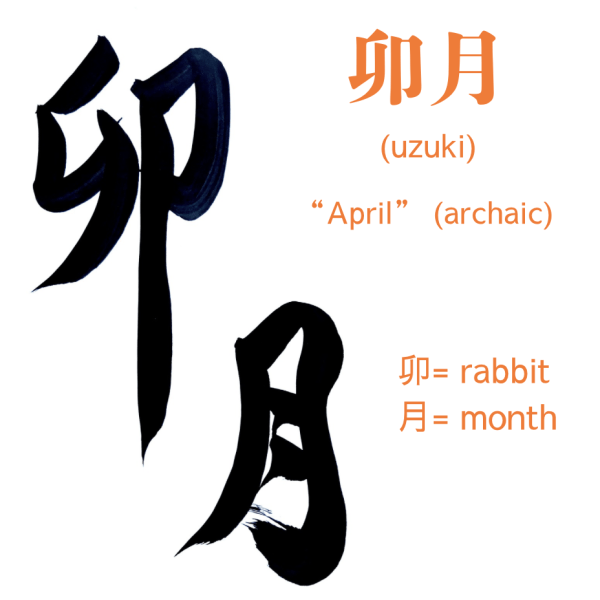
Like many countries, Japan uses a 12-month calendar. The names are very simple. January is literally “Month One”, February is “Month Two”, etc: 一月 = January 二月 = February However, before the Meiji Restoration (mid-1800s) it was common to use an older 12-month system. These months’ names referenced the weather and the seasons (similar toContinueContinue reading “卯月(uzuki) “April” (archaic)”
Category Archives: Months and Seasons
🌸 桜 (sakura) “cherry blossoms” 🌸
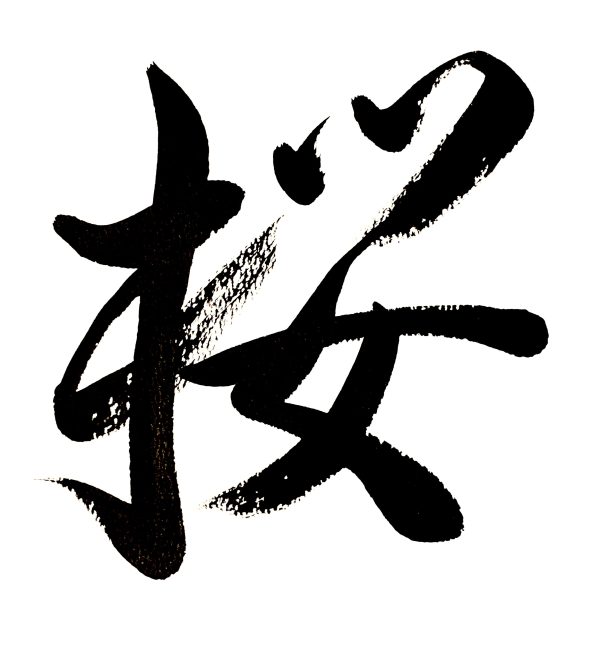
It’s cherry blossom season in (parts of) Japan! Cherry blossoms are arguably the most beloved of Japanese flowers, and even feature on the 100 coin. In springtime many Japanese people like to do 花見 (Hanami) “viewing cherry blossoms”, sometimes taking the excuse to have a party and drink under the trees.
春分 (shun-bun) “Spring Equinox”
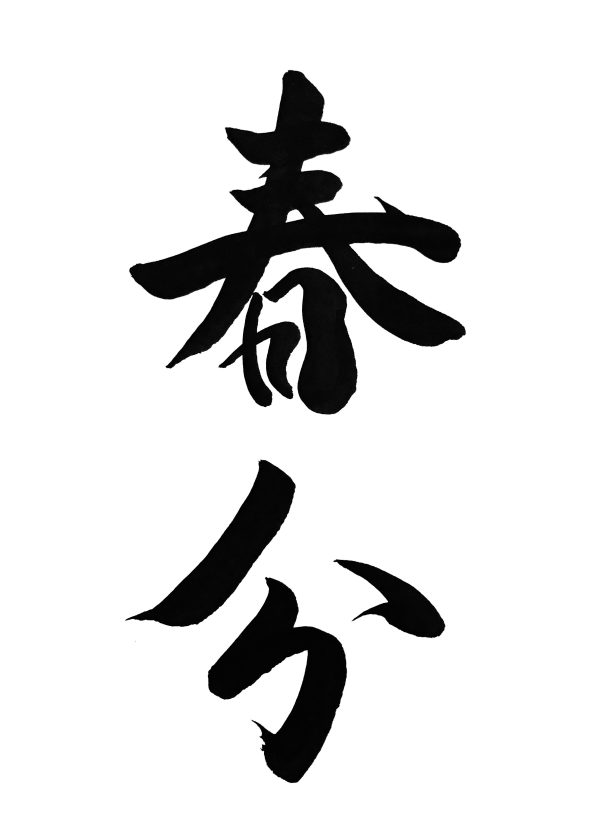
In Japan, 春分 (shun-bun) spring equinox is a national holiday. The week which contains spring equinox is called “o-higan”. This has connections with Buddhism, and on this day many people visit spend time with their families and visit their family grave. “Bota-mochi” (rice cake covered in sweet bean paste) is traditionally eaten on this day.
弥生 (yayoi) “March” (archaic)
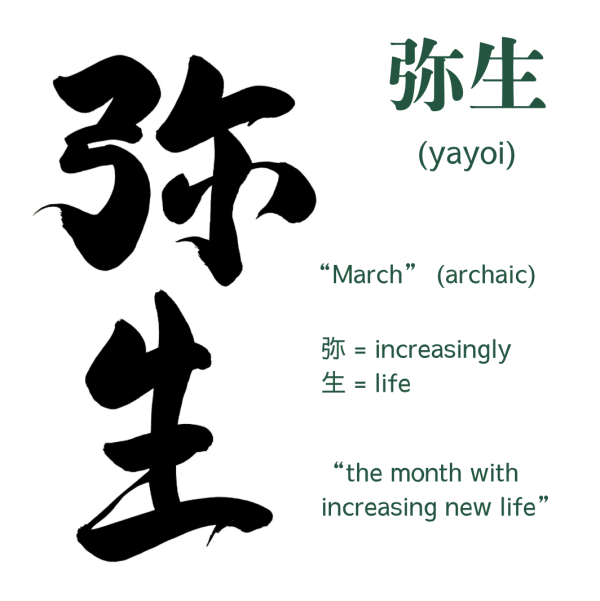
Like many countries, Japan uses a 12-month calendar. The names are very simple. January is literally “Month one”, February is “Month two”, etc. However, before the Meiji Restoration (mid-1800s) it was common to use an older 12-month system. These months’ names referenced the weather and the seasons (similar to the French Revolutionary calendar). March is:ContinueContinue reading “弥生 (yayoi) “March” (archaic)”
梅 (umé) plum
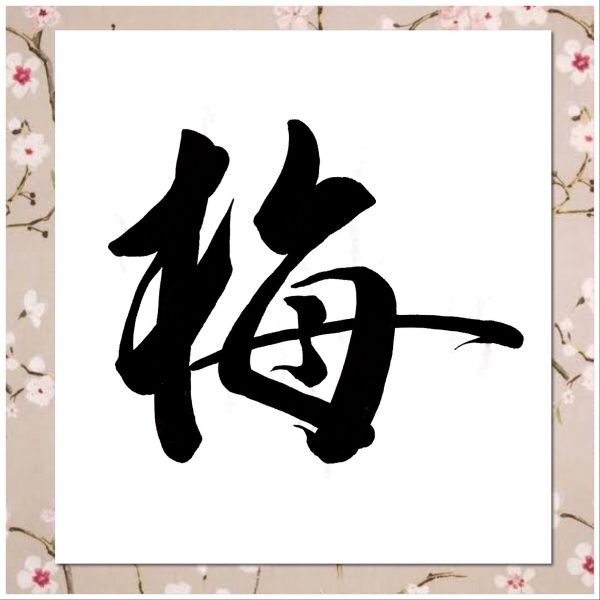
It will soon be blossom season in Japan! By far the most famous of Japanese blossoms are cherry blossoms, but they’re not the first spring flower to bloom. Plum blossom usually start appearing as early as mid-February. Although not as dramatic as the more-famous cherry blossoms, they are well-loved for their subtle beauty. The imageContinueContinue reading “梅 (umé) plum”
如月 (kisaragi) “February” (archaic)
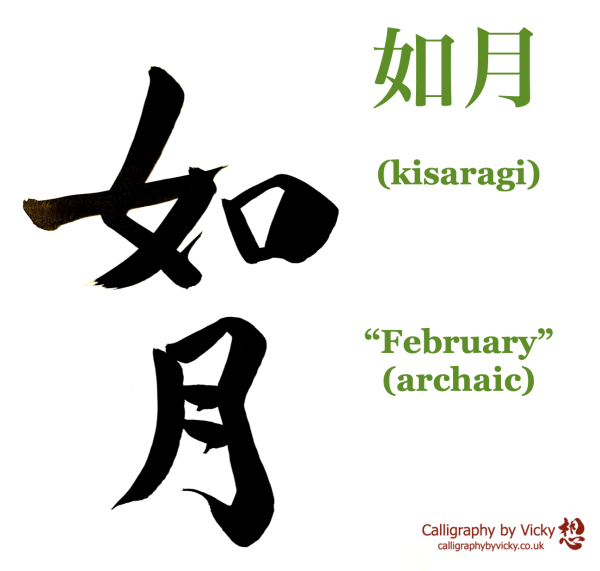
Like many countries, Japan uses a 12-month calendar. The names are very simple. January is literally “Month One”, February is “Month Two”, etc: 一月 = January 二月 = February However, before the Meiji Restoration (mid-1800s) it was common to use an older 12-month system. These months’ names referenced the weather and the seasons (similar toContinueContinue reading “如月 (kisaragi) “February” (archaic)”
鬼 (oni) “Demon”
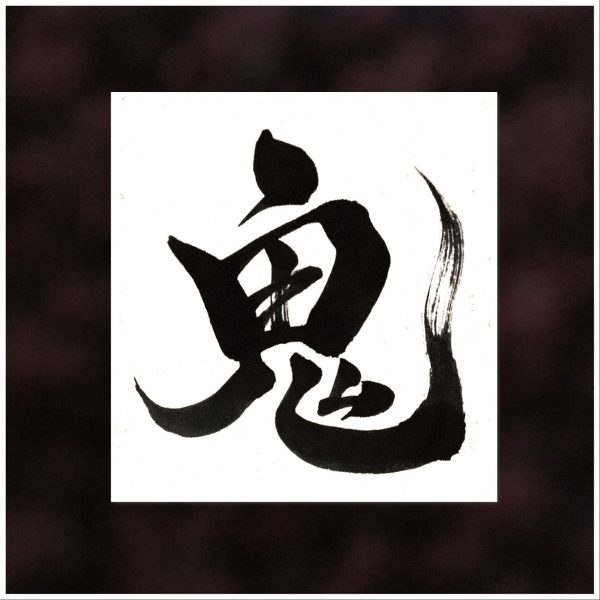
Sometimes translated as “demon”, “devil” or “ogre”, an oni is a traditional Japanese monster typically depicted as wearing a tiger pelt and carrying an iron club. They usually have red or blue skin and horns. They are popular characters in Japanese fairy tales and legends. In early February the annual bean-throwing festival is practiced toContinueContinue reading “鬼 (oni) “Demon””
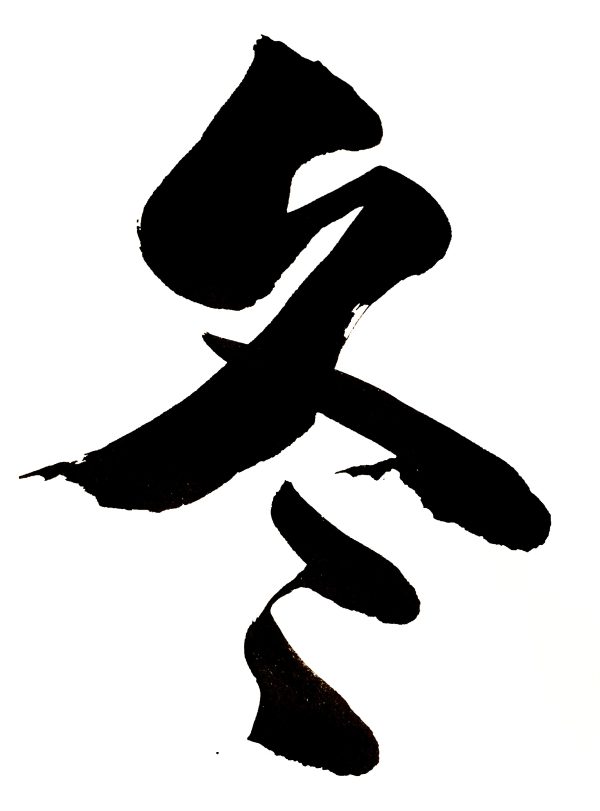
冬 (fuyu) “winter”
睦月 (mu-tsu-ki) “January” (archaic)
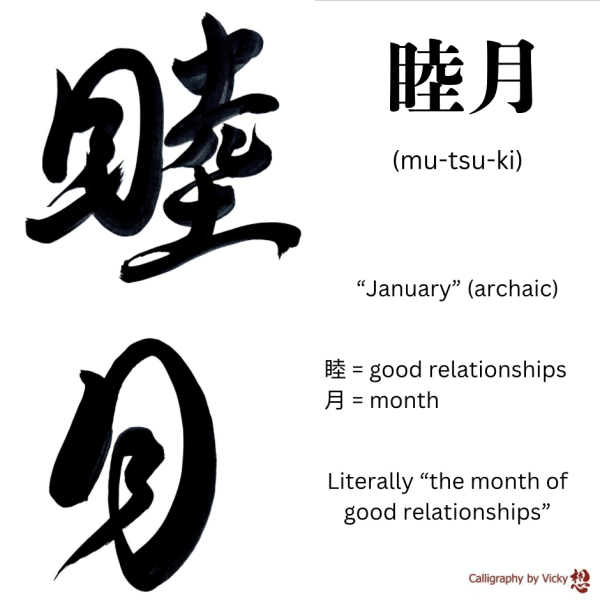
Like many countries, Japan uses a 12-month calendar. The names are very simple. January is literally “Month One”, February is “Month Two”, etc: 一月 = January 二月 = February However, before the Meiji Restoration (mid-1800s) it was common to use an older 12-month system. These months’ names referenced the weather and the seasons (similar toContinueContinue reading “睦月 (mu-tsu-ki) “January” (archaic)”
午 = “Horse”???? 🐎
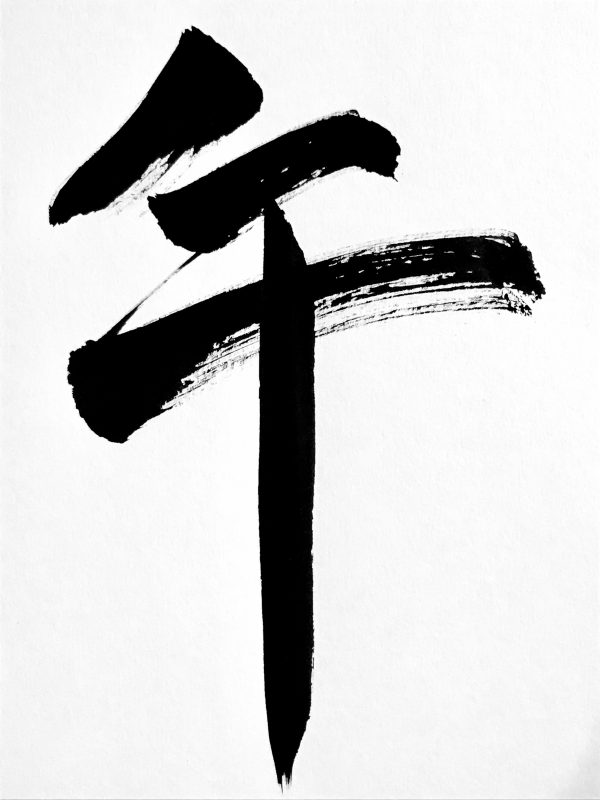
The usual kanji for horse is 馬, so does this mean there are two ways of writing “horse”? Kind of! Japan uses the Chinese Zodiac system in which each year is assigned one of 12 animals. When referring to these animals in the context of the Chinese Zodiac (and not as just regular animals), aContinueContinue reading “午 = “Horse”???? 🐎”
 Calligraphy by Vicky