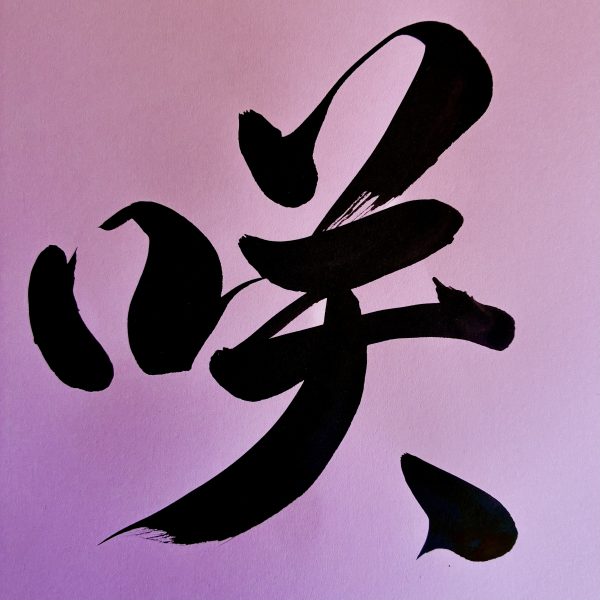
Springtime is the season for beautiful blooming flowers in Japan. The most well-known are cherry blossoms. Plum and peach blossoms are popular too. They look similar, but there are some key differences:
Category Archives: Japanese language
卯月(uzuki) “April” (archaic)
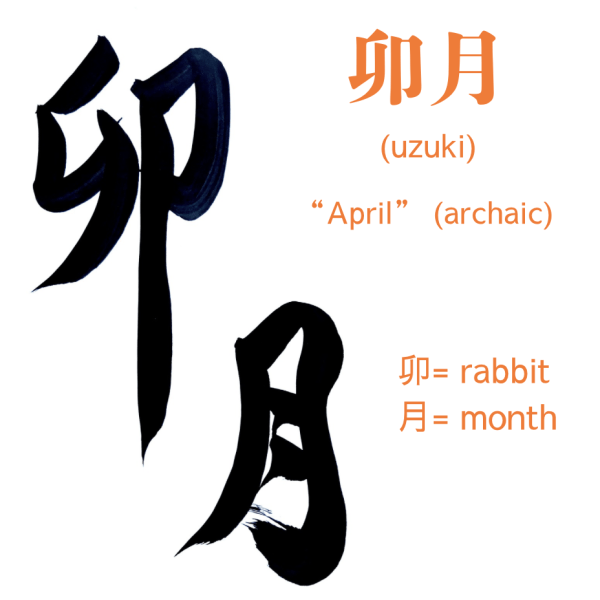
Like many countries, Japan uses a 12-month calendar. The names are very simple. January is literally “Month One”, February is “Month Two”, etc: 一月 = January 二月 = February However, before the Meiji Restoration (mid-1800s) it was common to use an older 12-month system. These months’ names referenced the weather and the seasons (similar toContinueContinue reading “卯月(uzuki) “April” (archaic)”
🌸 桜 (sakura) “cherry blossoms” 🌸
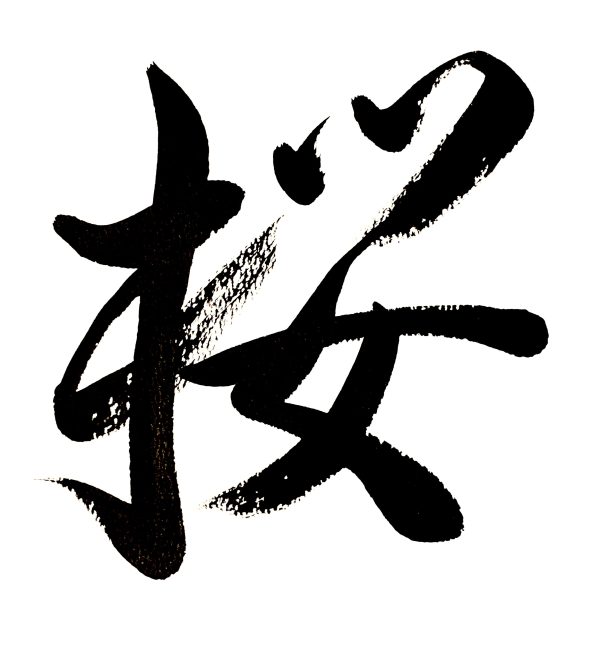
It’s cherry blossom season in (parts of) Japan! Cherry blossoms are arguably the most beloved of Japanese flowers, and even feature on the 100 coin. In springtime many Japanese people like to do 花見 (Hanami) “viewing cherry blossoms”, sometimes taking the excuse to have a party and drink under the trees.
弥生 (yayoi) “March” (archaic)
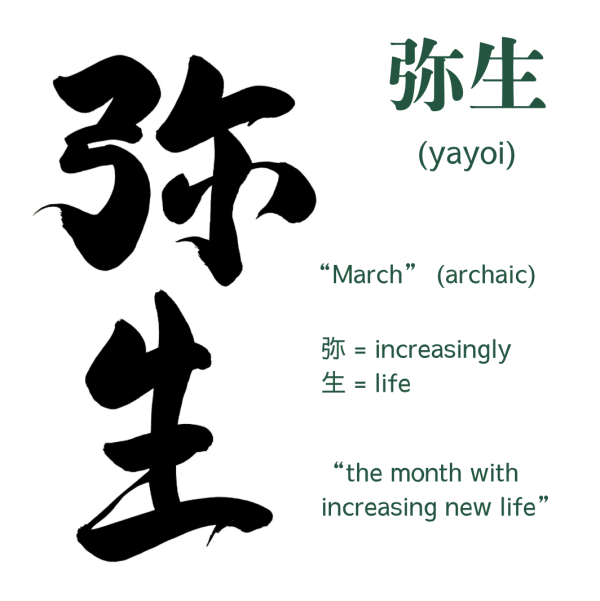
Like many countries, Japan uses a 12-month calendar. The names are very simple. January is literally “Month one”, February is “Month two”, etc. However, before the Meiji Restoration (mid-1800s) it was common to use an older 12-month system. These months’ names referenced the weather and the seasons (similar to the French Revolutionary calendar). March is:ContinueContinue reading “弥生 (yayoi) “March” (archaic)”
Writing foreign names in Japanese
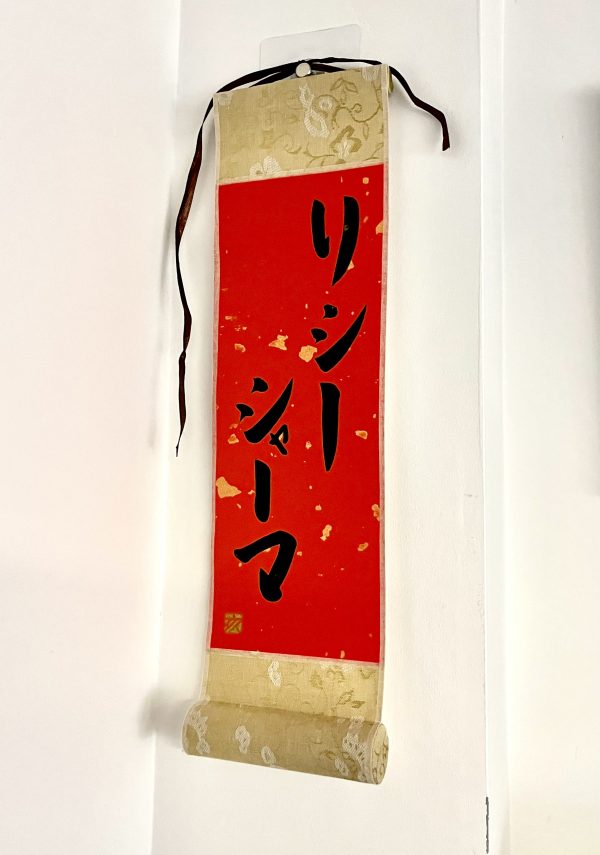
Japanese has a separate writing system for writing foreign words. It’s called katakana and it’s mostly used for foreign loan words such as kōhī (coffee), pan (bread) and gorufu (golf). It’s also used for foreign names. If your name isn’t originally written in kanji (the logographic characters used in Japan, China, and to a lesserContinueContinue reading “Writing foreign names in Japanese”
鬼 (oni) “Demon”
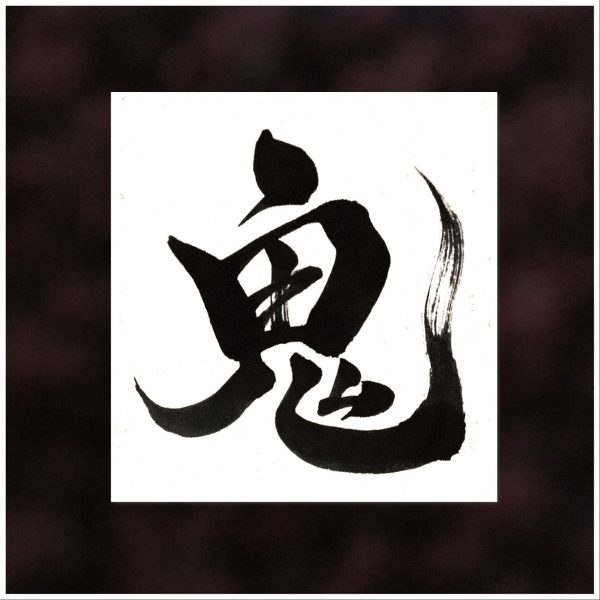
Sometimes translated as “demon”, “devil” or “ogre”, an oni is a traditional Japanese monster typically depicted as wearing a tiger pelt and carrying an iron club. They usually have red or blue skin and horns. They are popular characters in Japanese fairy tales and legends. In early February the annual bean-throwing festival is practiced toContinueContinue reading “鬼 (oni) “Demon””
菖蒲華 (Ayame hana saku) “Irises bloom”
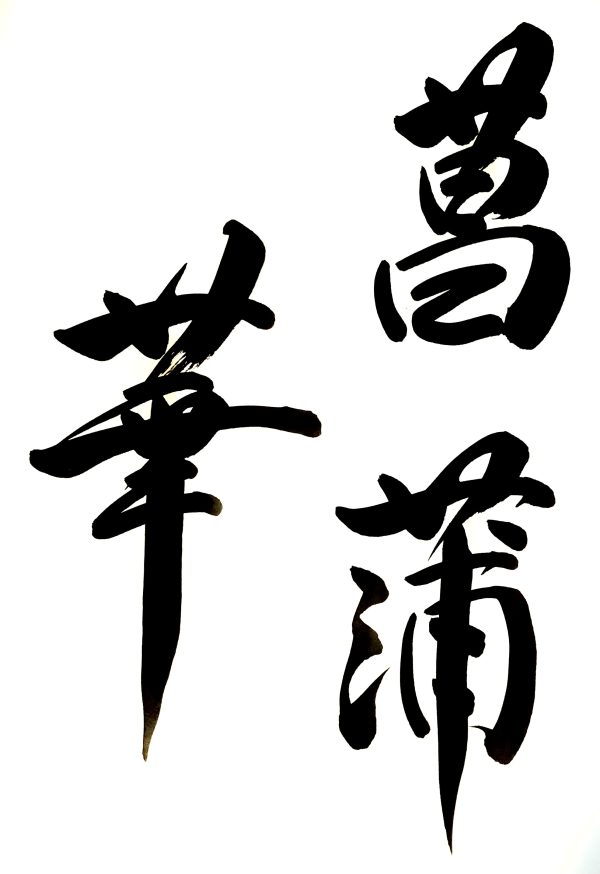
In ancient times Japanese people divided the year into 72 “micro-seasons”. These seasons were based on natural events such as the weather and appearance of various flora and fauna. Later this month it will be 菖蒲華, marking period when irises begin to bloom. You can find out more about Japanese micro-seasons here.
恩 (on) “favour, gratitude, obligation”
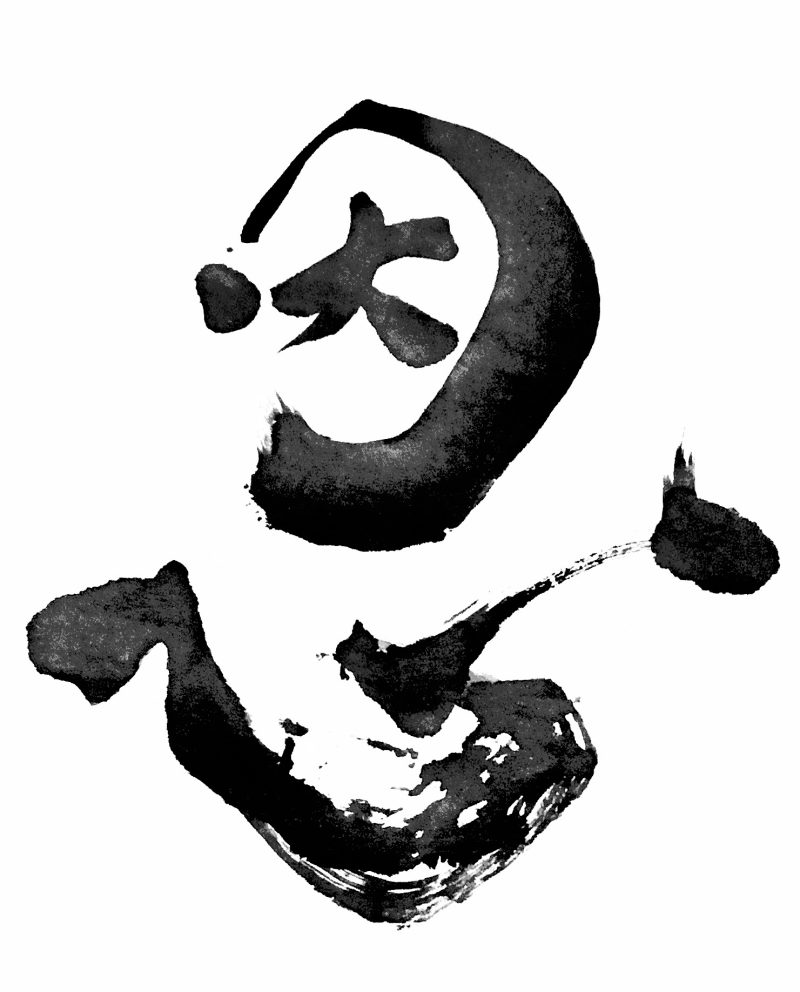
“On” is the concept of having received a great favour, feeling grateful, and knowing that you owe somebody a lot. The way it is used in Japanese makes it seem like less of a subjective feeling, and more of a tangible object, like a thing that you now possess because somebody helped you greatly. InContinueContinue reading “恩 (on) “favour, gratitude, obligation””
あけおめ (a-ké-o-mé) “Happy New Year”
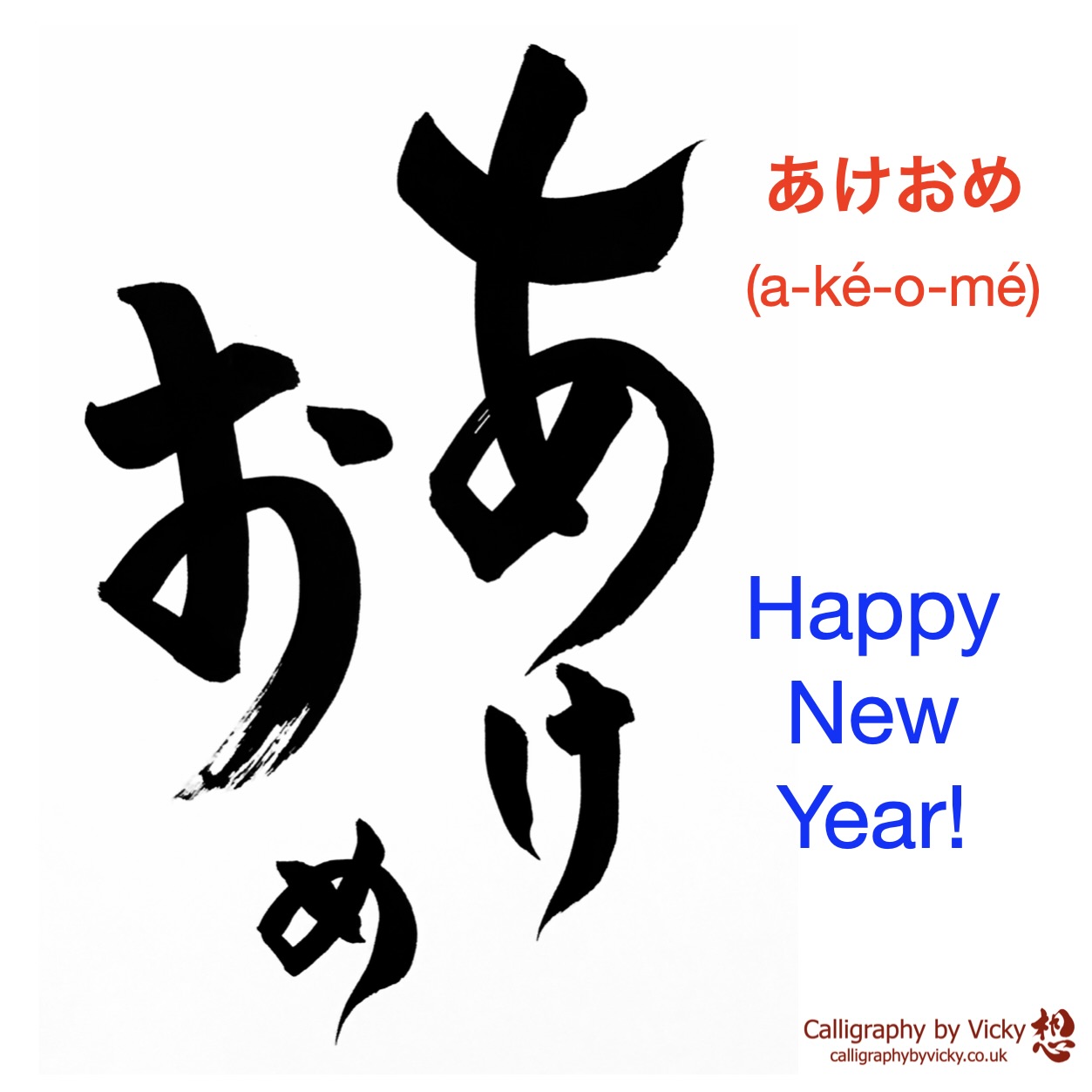
To wish someone “Happy New Year” in Japanese, say: あけましておめでとうございます! (a-ké-ma-shi-té o-mé-dé-tō go-zai-masu) Or, more casually, take the first 2 syllables from each word and say: あけおめ! (a-ké-o-mé)
影 (ka-ge) “shadow”
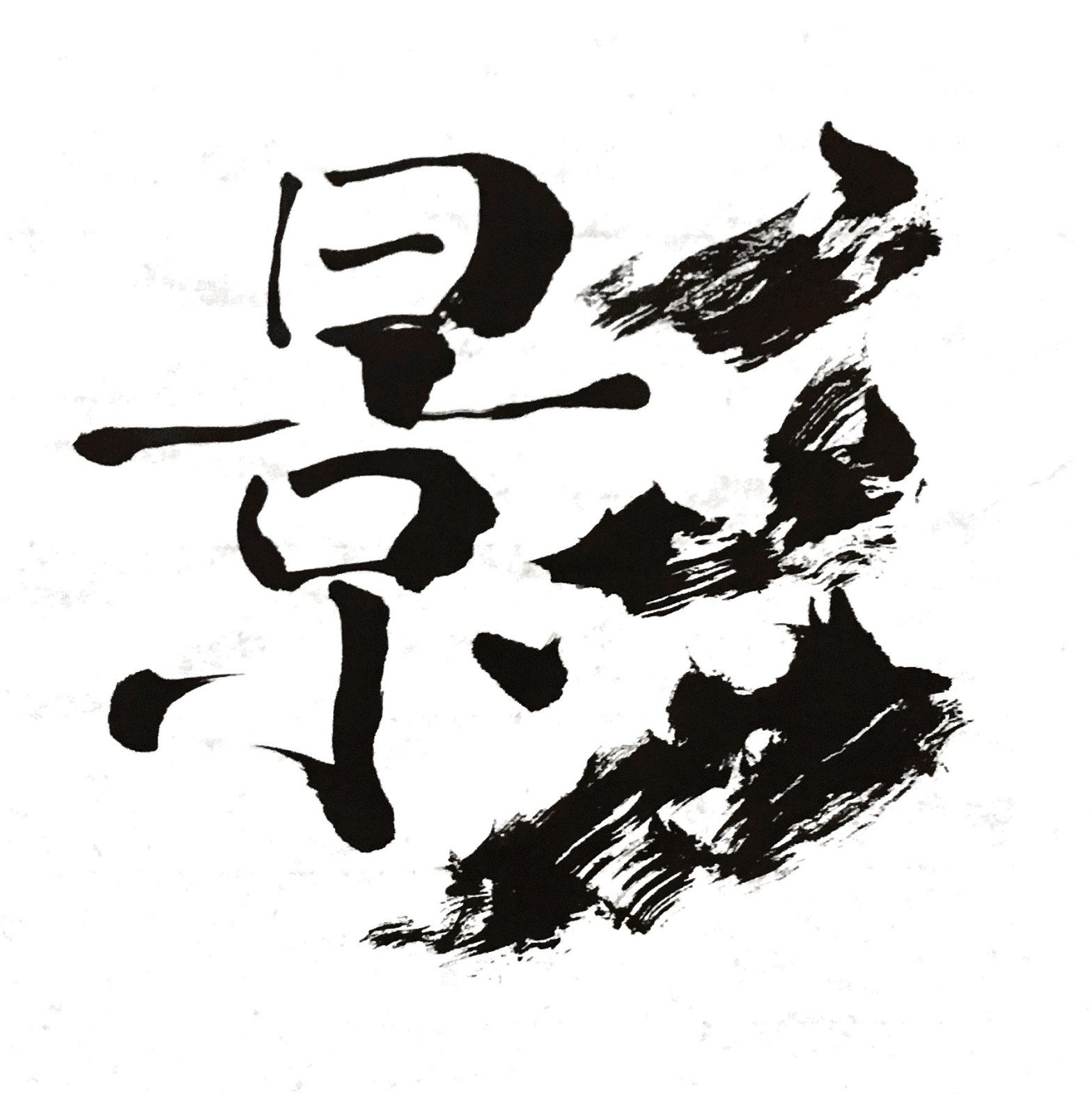
Japanese kanji characters are made up of smaller parts. The left hand side of a kanji is called then “hen”. In the case of 影, the “hen” is 景, which means “scenery” and can be a complete kanji by itself. The right hand side of a kanji is called the “tsukuri”. In this case theContinueContinue reading “影 (ka-ge) “shadow””
 Calligraphy by Vicky