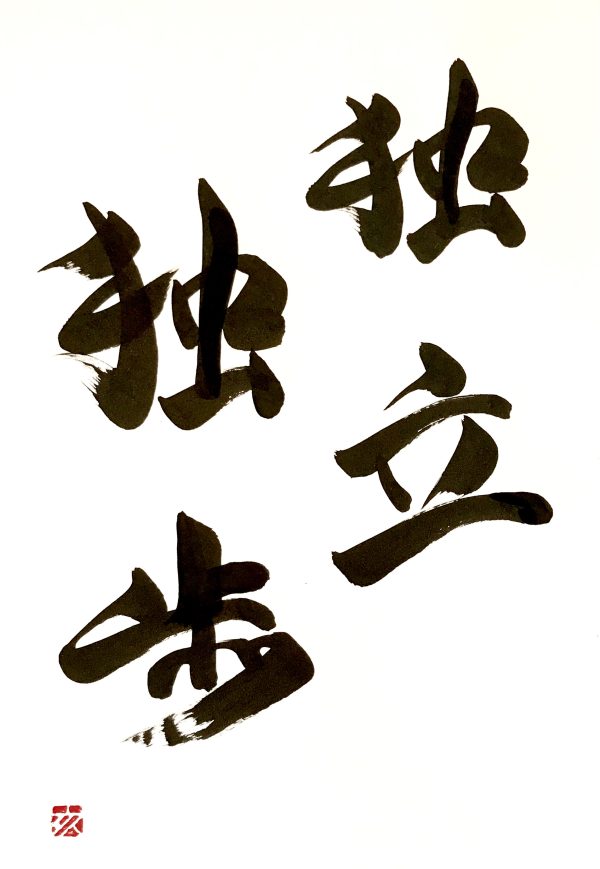
The kanji:独 (1st and 3rd kanji) = independence立 = standing歩 = walking This phrases refers to following the path you believe in on your own, without relying on others.The second kanji means “standing”, so perhaps a more elegant English translation is “standing on one’s own two feet”.独立独歩 is a special kind of Japaneses idiom knownContinueContinue reading “独立独歩 (doku-ritsu-dop-po) “To be independent and do things one’s own way””
Category Archives: 4-character idioms
迷悟一如 (mei-go-ichi-nyo)

The kanji: 迷 being lost, confused, considering 悟 enlightenment 一 one 如 same So… “being confused and being enlightened are one and the same” In traditional Japanese culture, it is considered ethical to take a long time to reach a decision and come to a conclusion. Quick decisions are seen as rash and may leadContinueContinue reading “迷悟一如 (mei-go-ichi-nyo)”
日進月歩 (nisshin geppō) “steady progress” 🐢

Tried to do something different from my usual style here. It was challenging but I like the result.The kanji in this idiom:日 = day (or sun)進 = progress月 = month (or moon)歩 = walking / steps 日進月歩 is a special kind of Japaneses idiom known as a 四字熟語 (よじじゅくご、yo-ji-juku-go), or 4-character idiom. As the nameContinueContinue reading “日進月歩 (nisshin geppō) “steady progress” 🐢”
笑門来福 (shōmonraifuku)”Good fortune comes to a happy home”
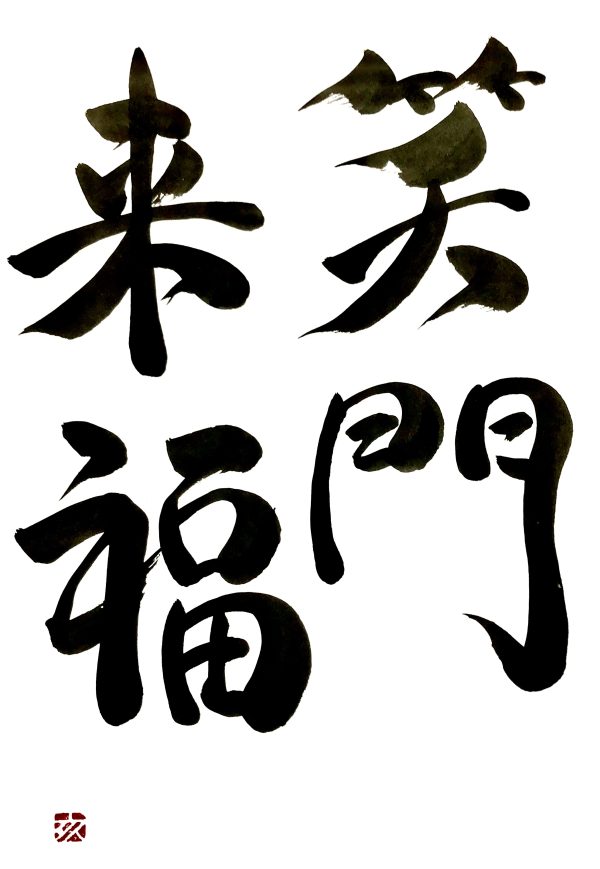
The kanji in this phrase are: 笑 = laughing, smiling 門 = gate, door 来 = comes 福 = good luck In other words, good luck will come to the door of those who are smiling. This phrase is an abbreviation of 笑う門には福来る (warau mon ni wa fuku kuru). Shortened to 笑門来福, it becomes aContinueContinue reading “笑門来福 (shōmonraifuku)”Good fortune comes to a happy home””
一生懸命 (is-shō-ken-mei) “to do something to the utmost of one’s ability”
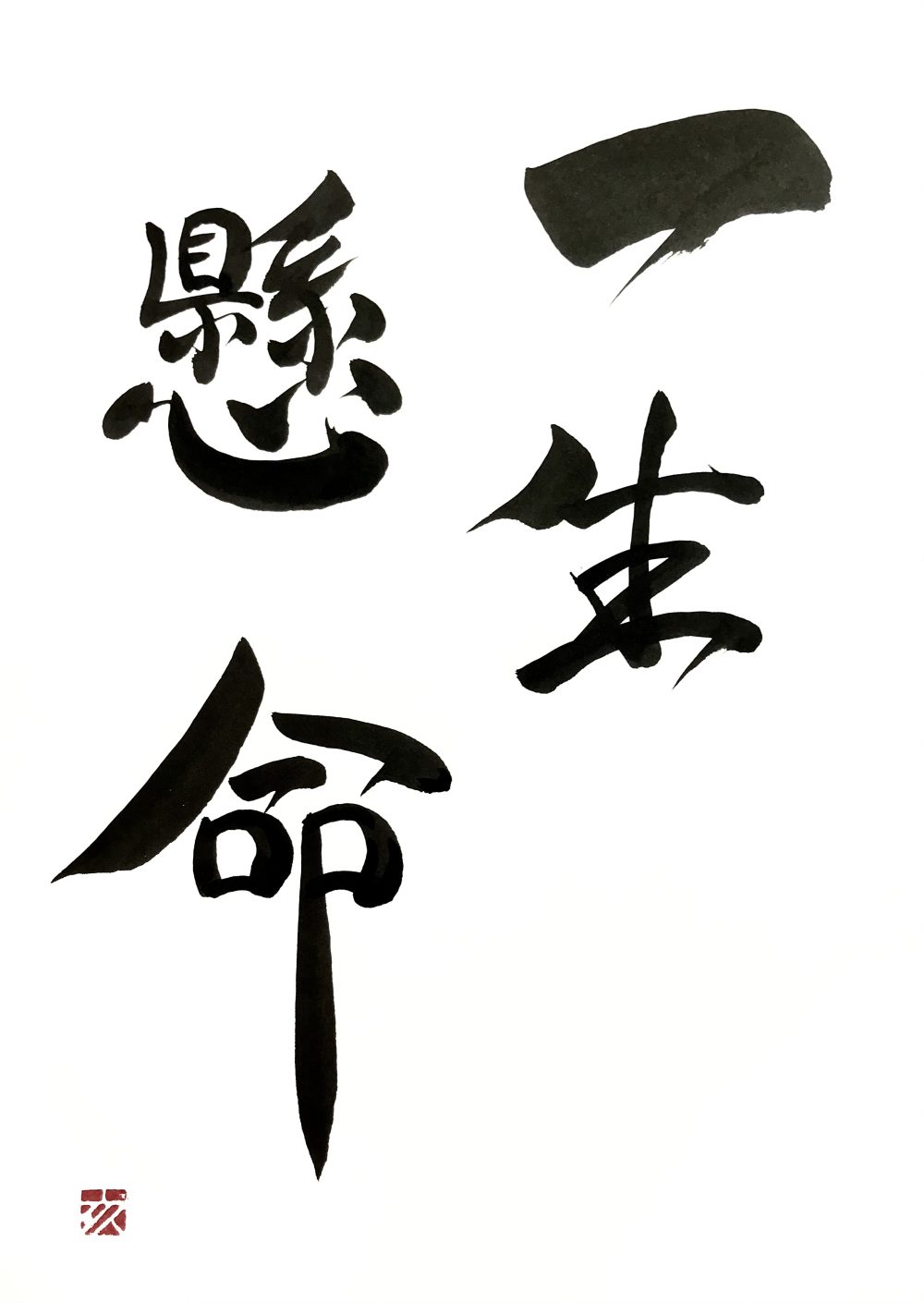
一生懸命 (is-shou-ken-mei) is usually translated as something like “with utmost effort”. The kanji are: 一 = one 生 = life 懸 = depends (amongst other meanings…) 命 = fate A more literal translation might be: “doing something as if your life depends on it”. Fun fact, 一生懸命 is actually a 四字熟語 (yo-ji-juku-go), or 4-character idiom! This isContinueContinue reading “一生懸命 (is-shō-ken-mei) “to do something to the utmost of one’s ability””
臥虎藏龍 “Crouching Tiger, Hidden Dragon”
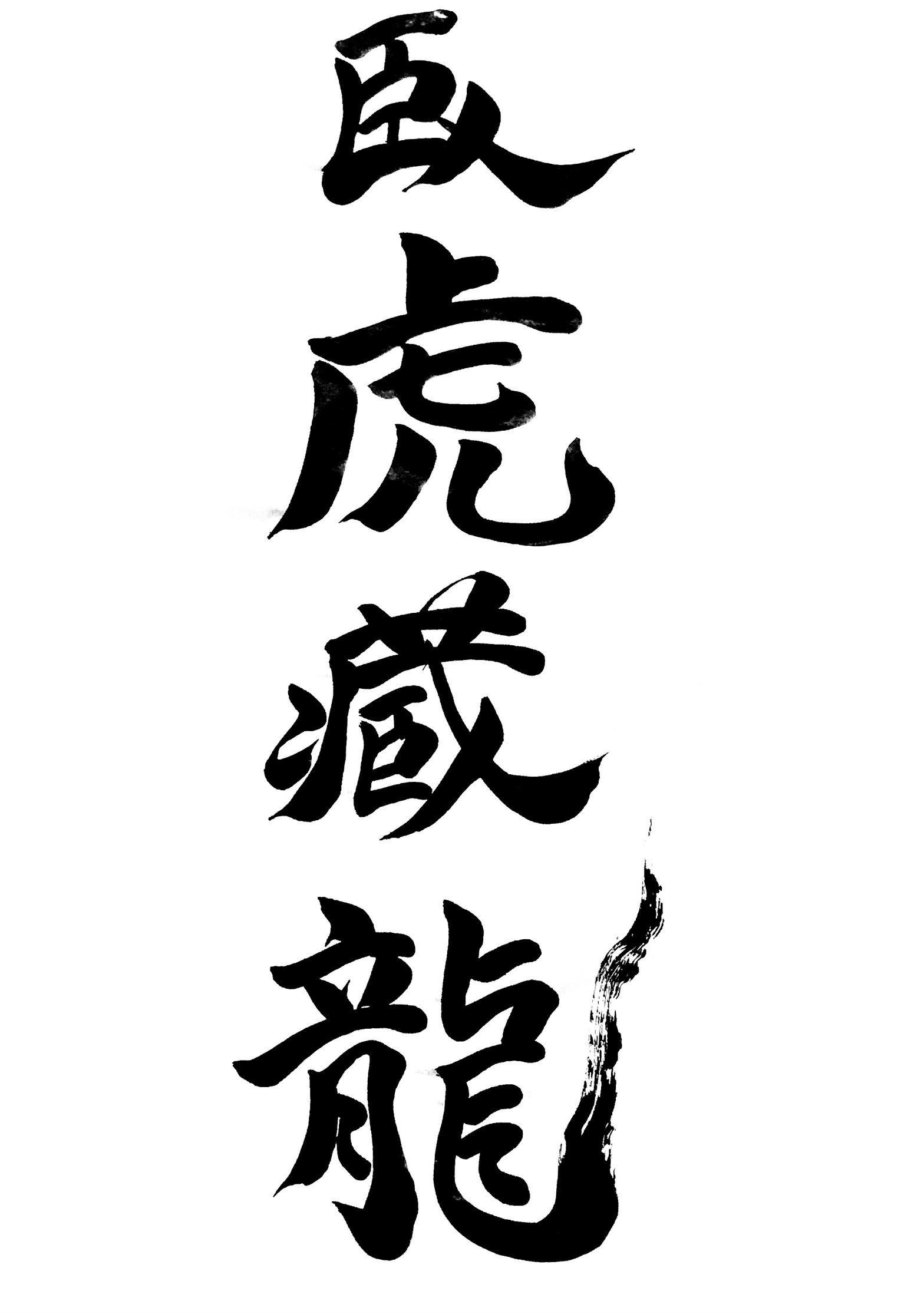
This Chinese idiom describes a place that is full of talented or extraordinary people who remain hidden and undiscovered. It’s also the name of the 2000 Chinese martial arts movie starring the talented and extraordinary Michelle Yeoh!
起死回生 (kishikaisei) recovering from a hopeless situation
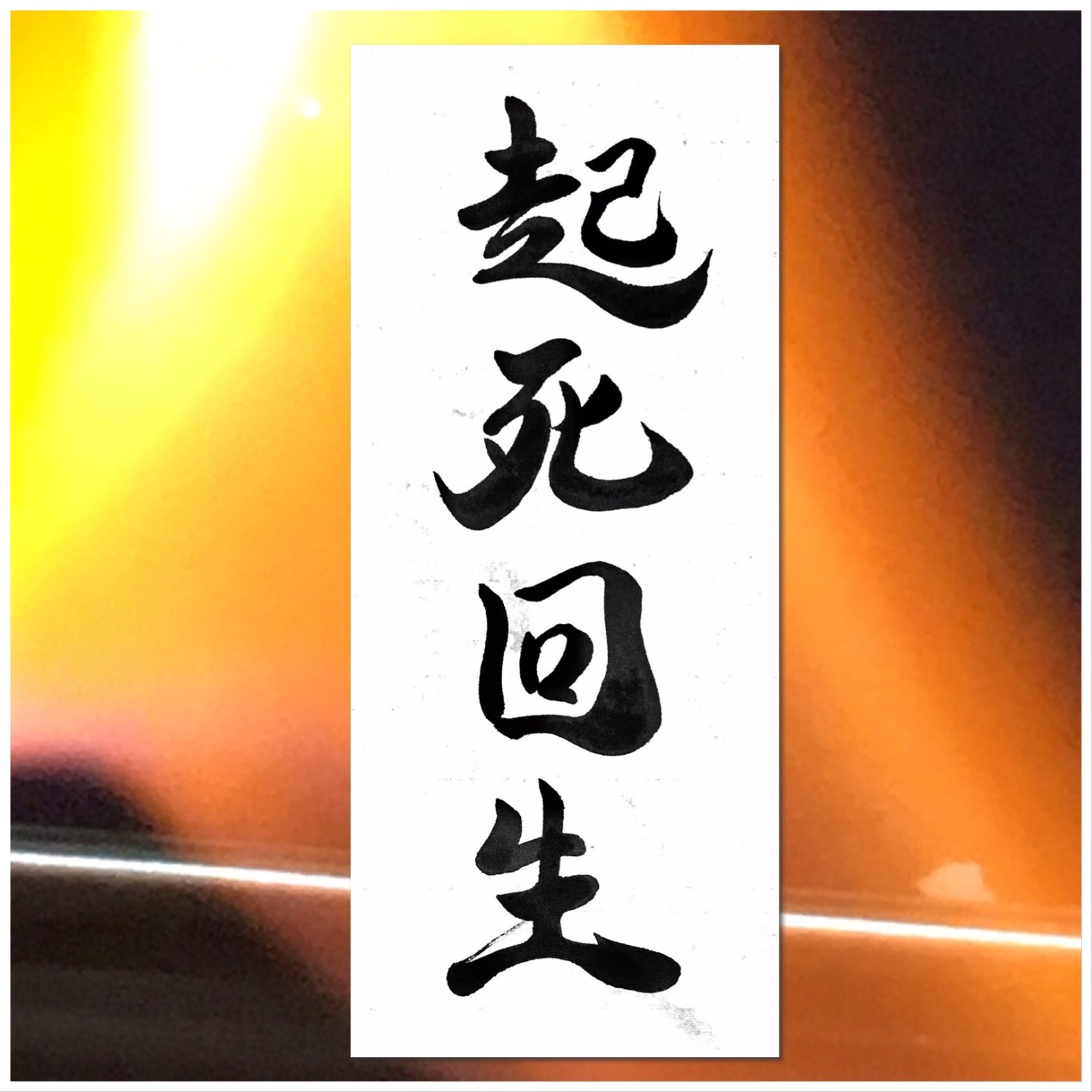
起死回生 = recovering from a hopeless situation 起 = to get up 死 = death 回 = revolve 生 = life One of the first calligraphy works I posted online, I like the message of hope in this idiom. This is a special kind of Japaneses idiom known as a 四字熟語 (よじじゅくご、yo-ji-juku-go), or 4-character idiom.ContinueContinue reading “起死回生 (kishikaisei) recovering from a hopeless situation”
桜梅桃李 (ō-bai-tō-ri) “never compare yourself to others”
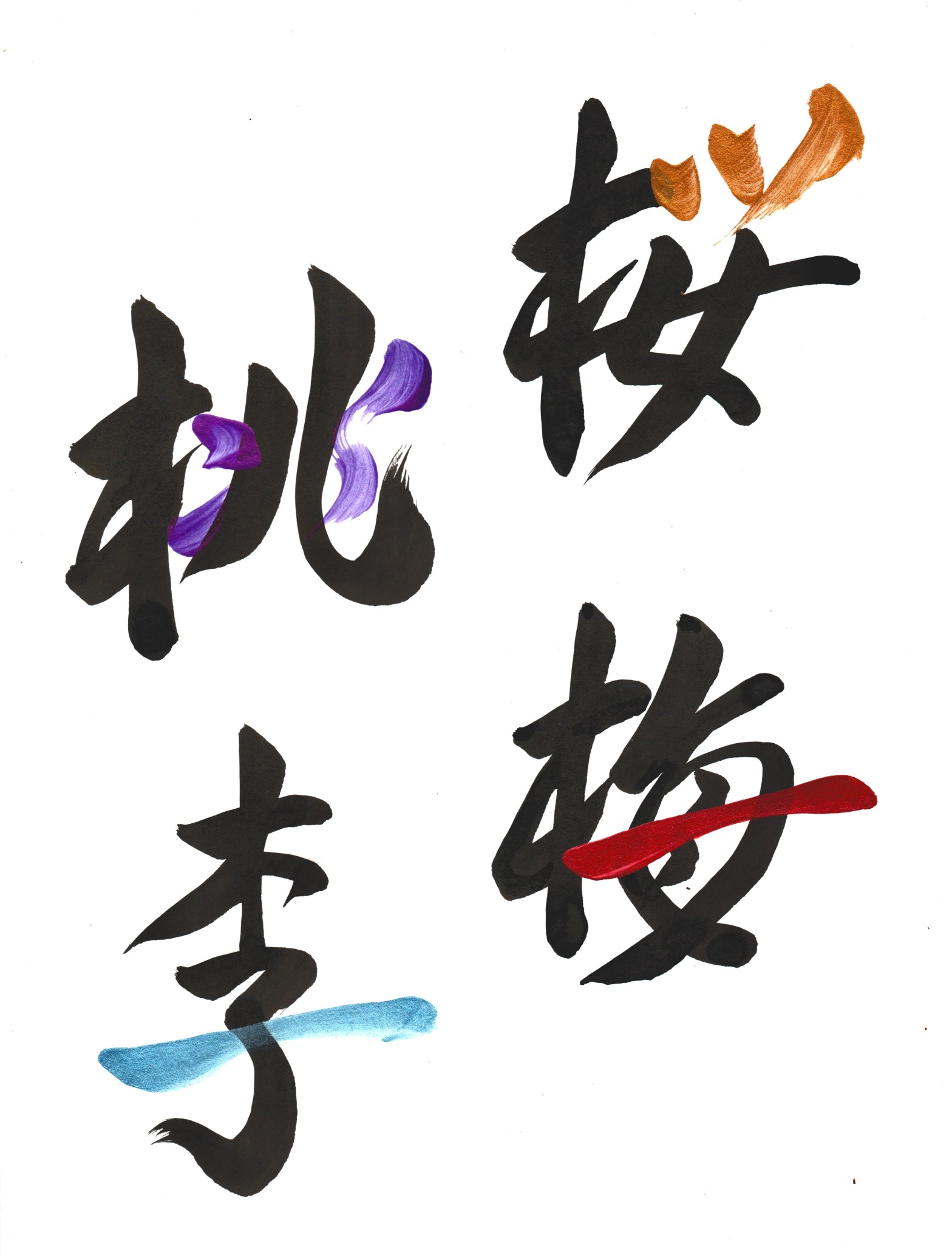
It’s blossom season again in Japan, so I’m sharing this blossom-related yo-ji-juku-go (Japanese 4-character idiom). It’s also one of my favourites. It is comprised of 4 beloved Japanese trees which blossom in spring. They are: 桜 = cherry (sakura) 梅 = apricot (ume) 桃 = peach (momo) 李 = plum (sumomo) Each of these treesContinueContinue reading “桜梅桃李 (ō-bai-tō-ri) “never compare yourself to others””
以心伝心(i-shin-den-shin)“communication without words”
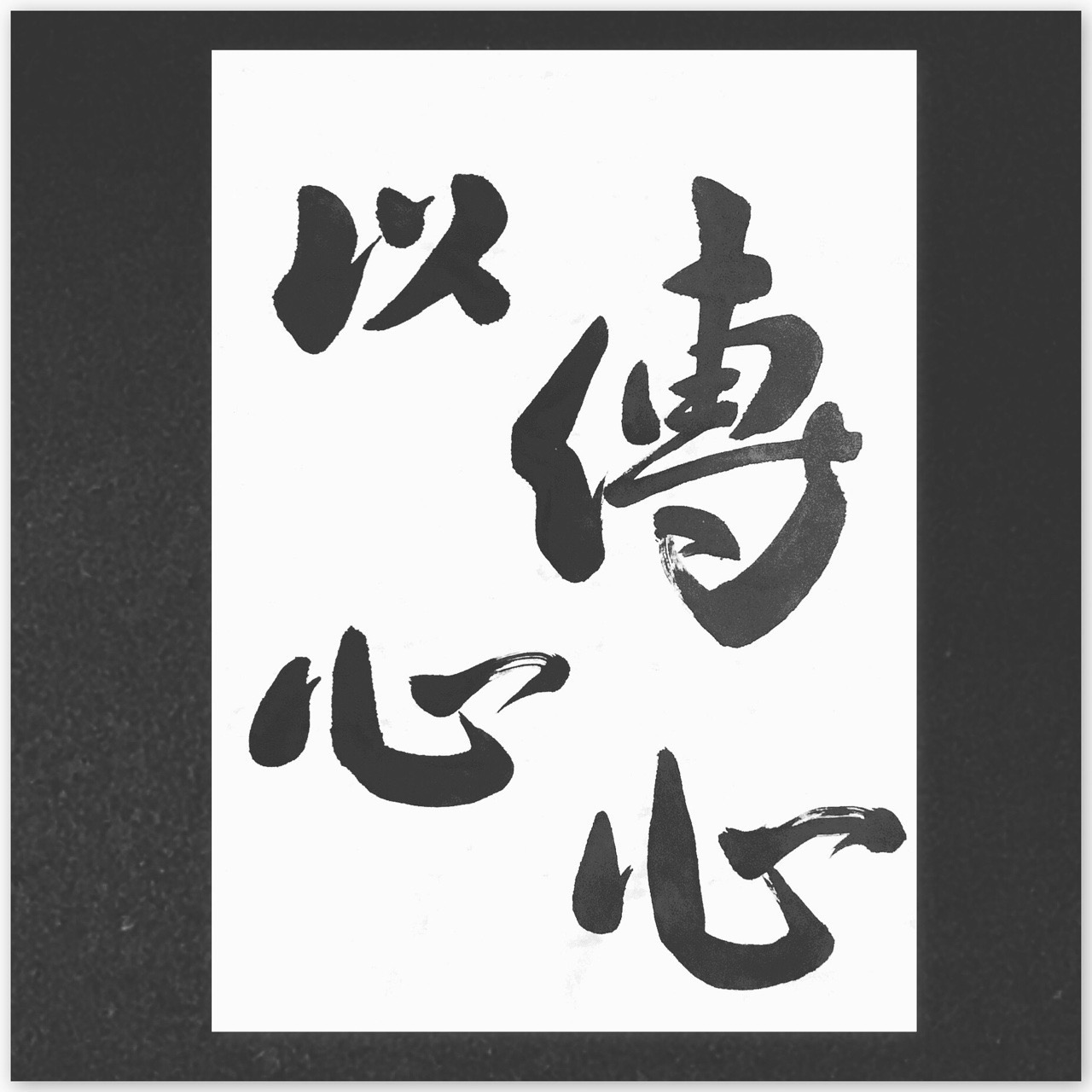
以 = by 心 = heart 伝 = to communicate (actually I’ve used an older, now obsolete version of this kanji) The second and fourth kanji character in this 4-character idiom are both 心, which means “heart”. This idiom refers to heart-to-heart communication; speaking without words. It is often said that the typical Japanese communicationContinueContinue reading “以心伝心(i-shin-den-shin)“communication without words””
晴耕雨読 (sei-kō-u-doku) “fine weather, labour; rain, read”
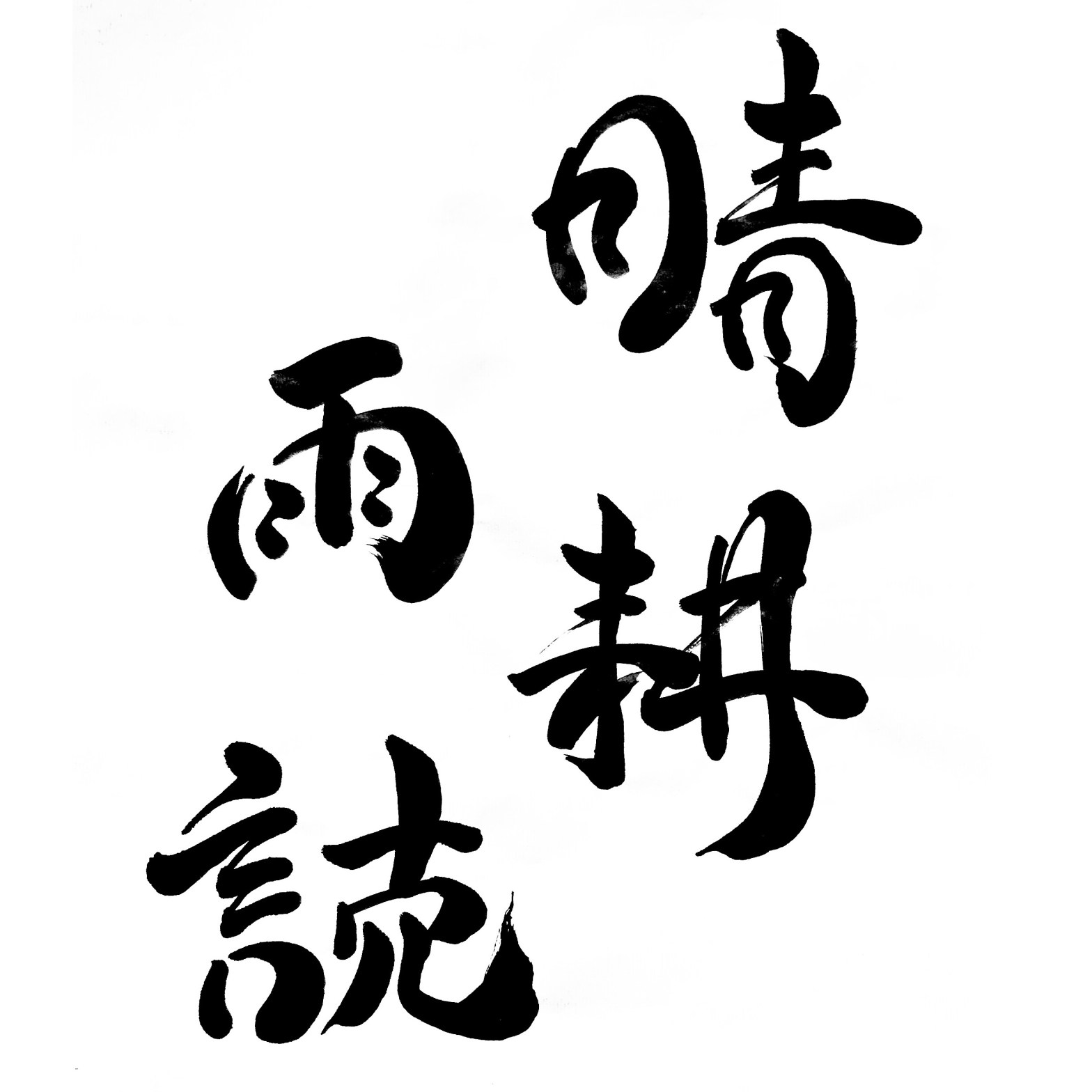
Instructions for living a peaceful yet productive life! Work when it’s sunny, and rest when it rains. Doing everything in its proper season. This is a special kind of Japaneses idiom known as a 四字熟語 (よじじゅくご、yo-ji-juku-go), or 4-character idiom. As the name suggests, these are idiomatic phrases made of 4 kanji. They often contain aContinueContinue reading “晴耕雨読 (sei-kō-u-doku) “fine weather, labour; rain, read””
 Calligraphy by Vicky