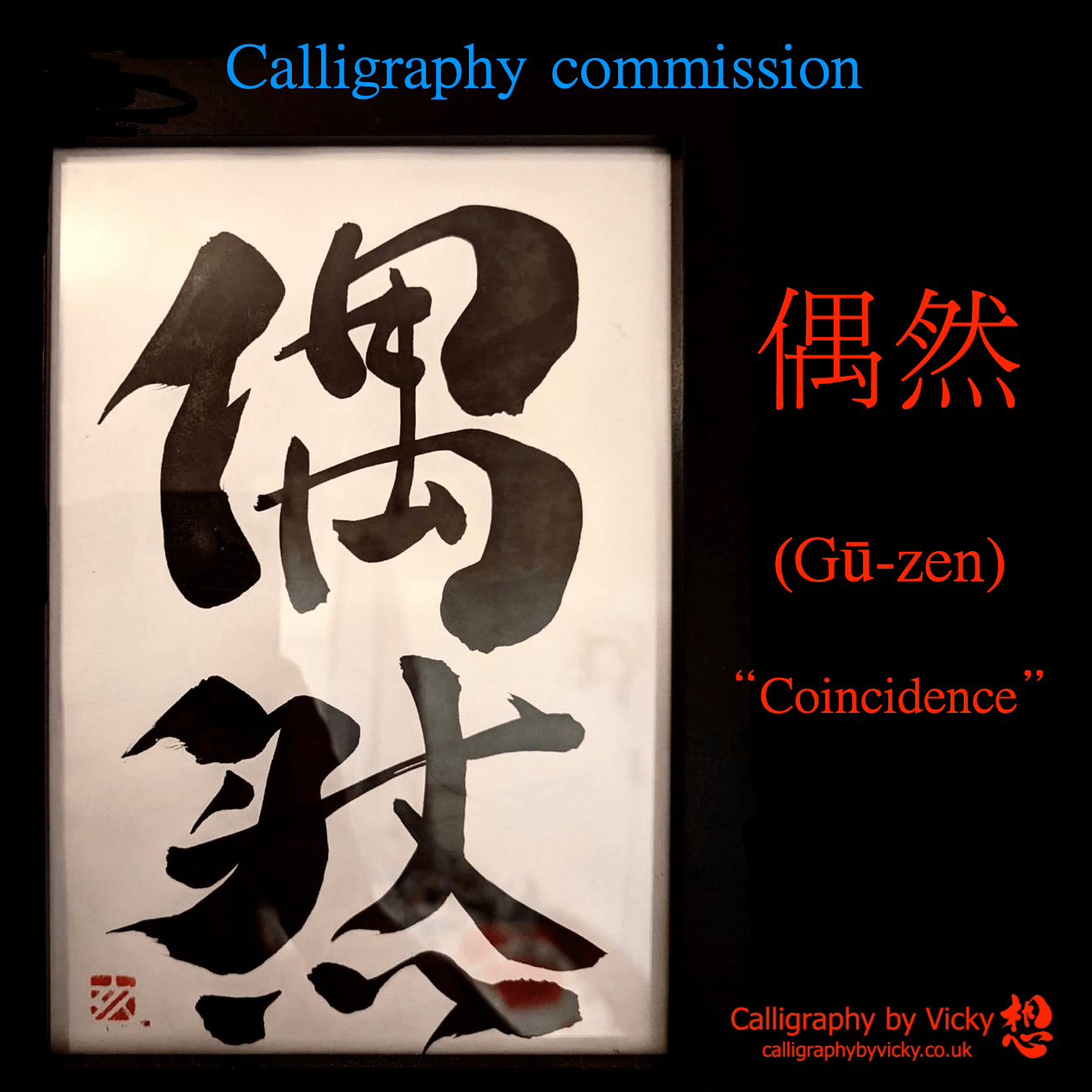
A calligraphy commission for a friend who very much believes in fate.
Tag Archives: Japanese calligraphy
限 (gen) “boundary, limit”
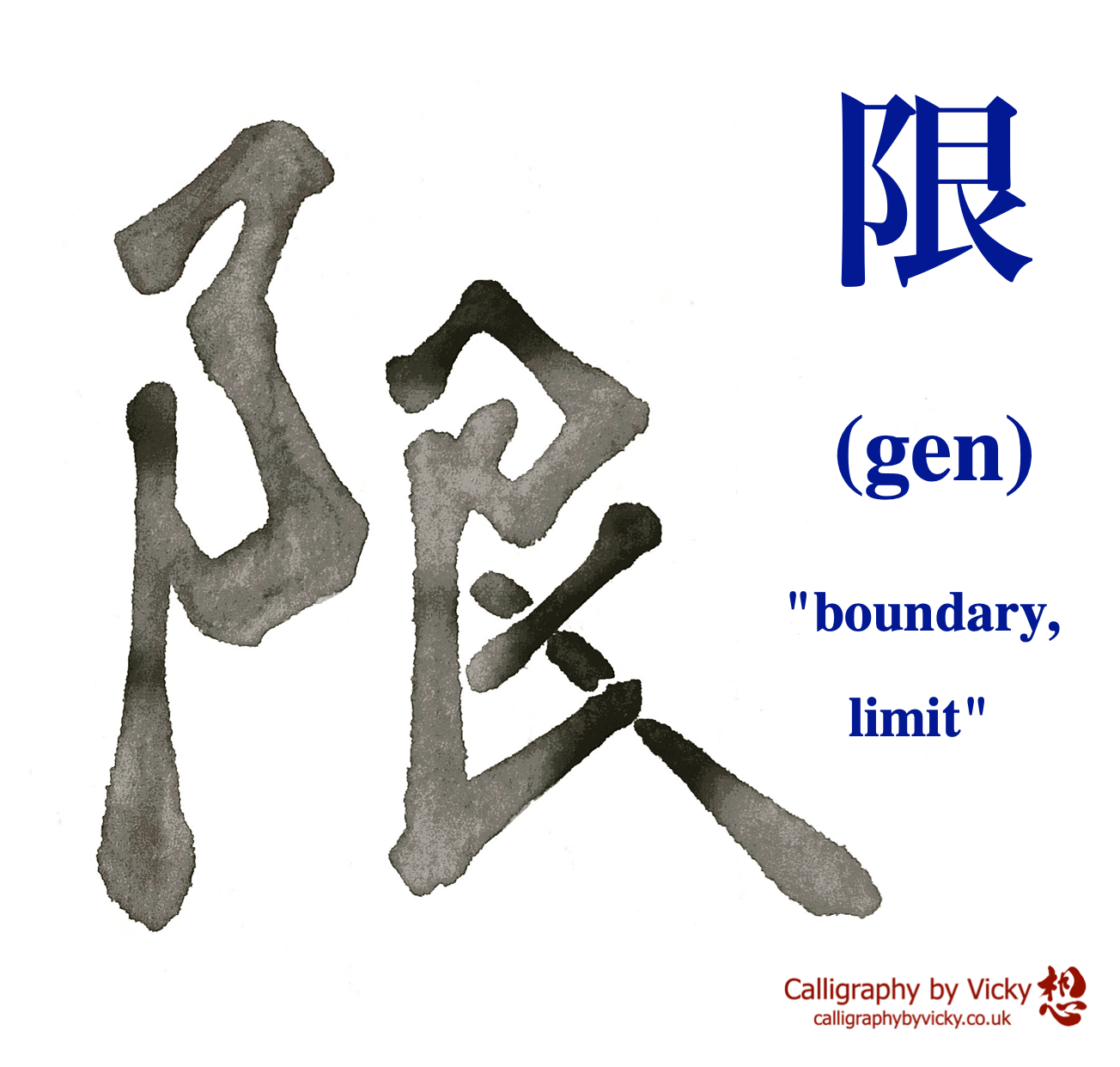
We tend to think of creativity as something that is free from limits. But what if the opposite was also true? The benefit of working within limits is that it is precisely the act of pushing against these limits, stretching them, bending them, playing with them, which leads to interesting artistic expression. In other words,ContinueContinue reading “限 (gen) “boundary, limit””
The Year of the Dragon… or the Year of the Loong?
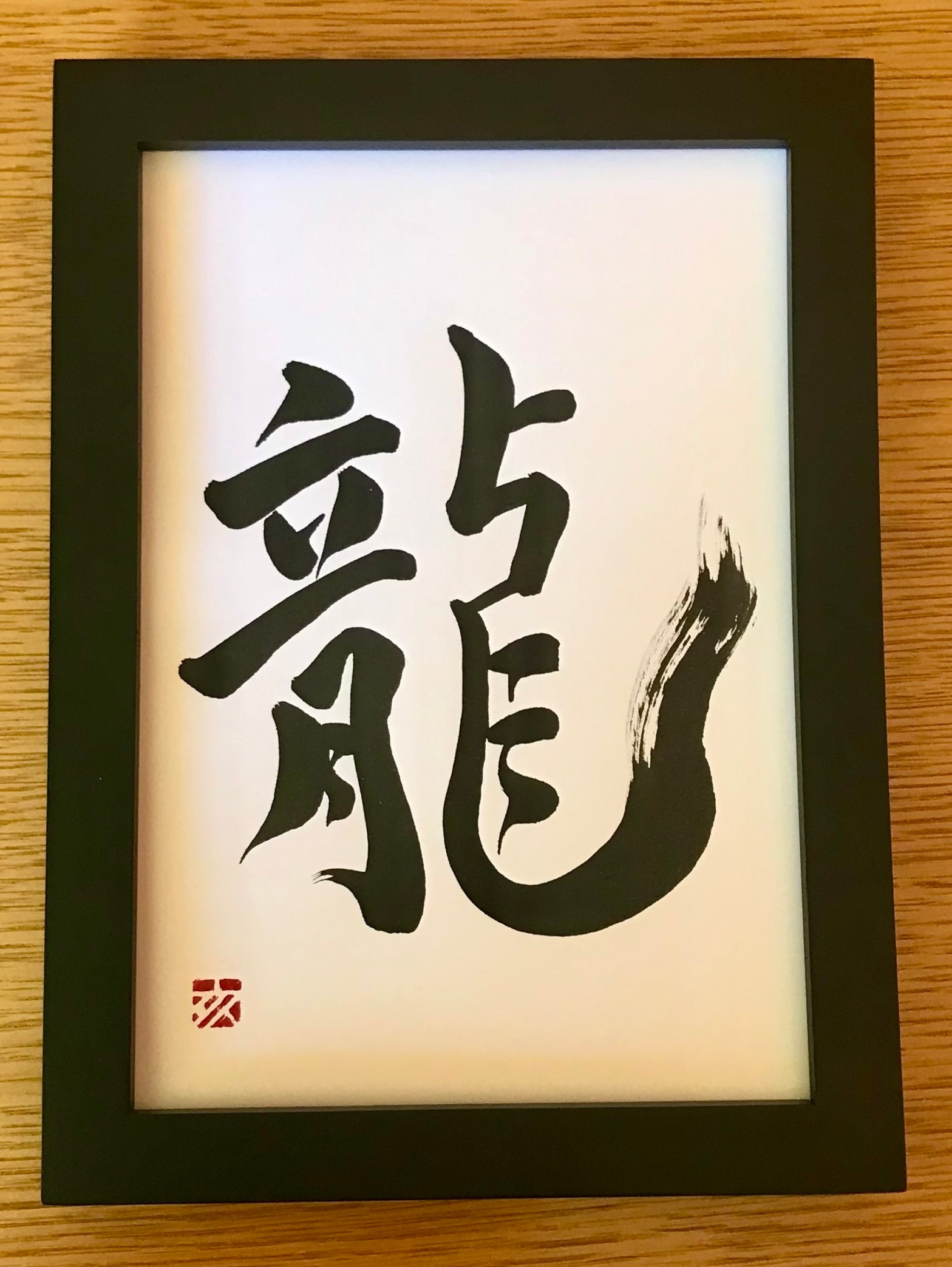
When I was a kid my teacher read a Chinese folk tale about a boy who goes on an adventure with a dragon. Being young and rather blunt-minded I couldn’t help wondering why the dragon didn’t just breathe fire on the boy and eat him. That’s what dragons do, right? Except of course it wasn’tContinueContinue reading “The Year of the Dragon… or the Year of the Loong?”
如月 (kisaragi) “February” (archaic)
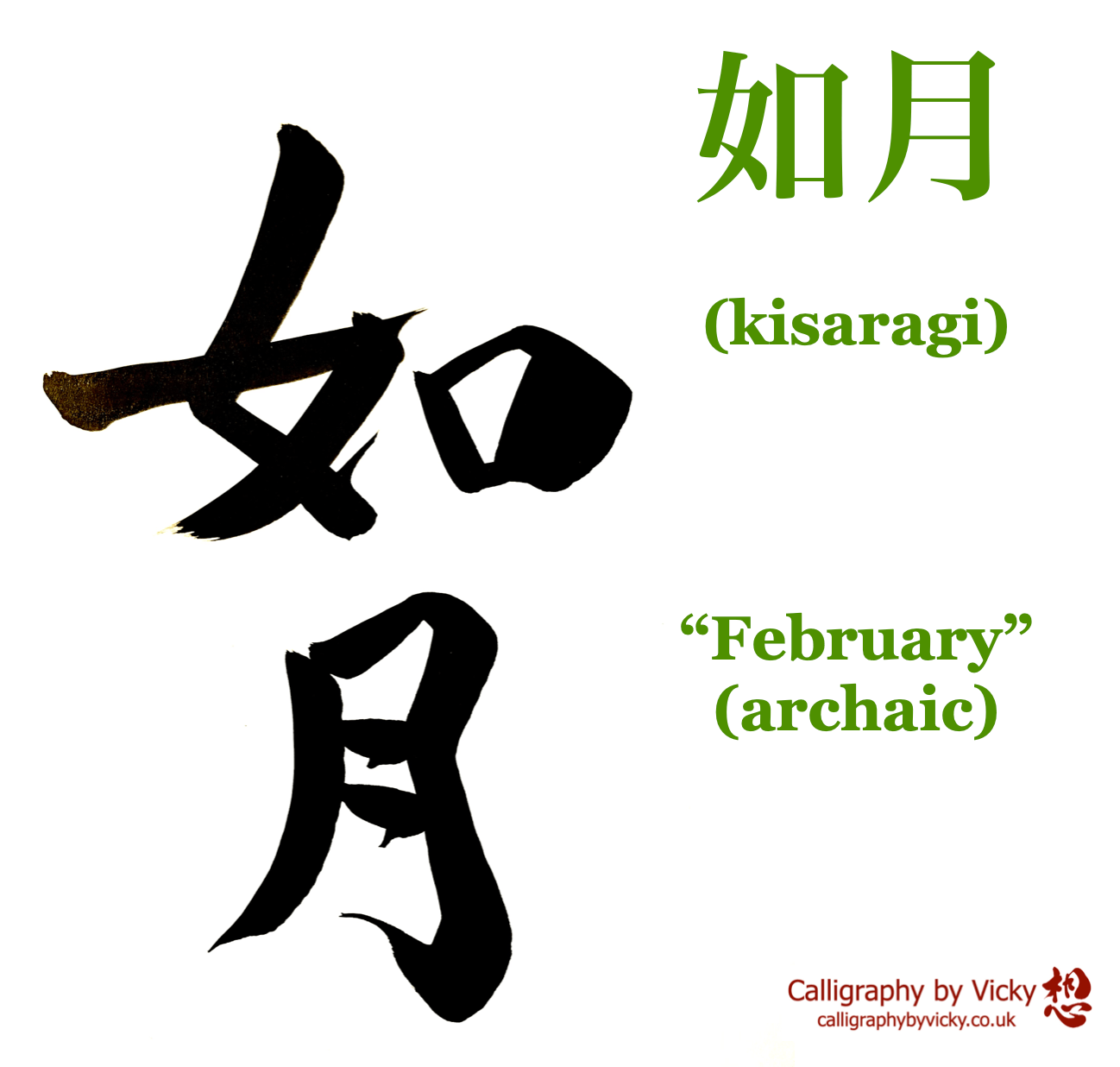
Like many countries, Japan uses a 12-month calendar. The names are very simple. January is literally “Month one” 一月, February is “Month two” 二月, etc. However, before the Meiji Restoration (mid-1800s) it was common to use an older 12-month system. These months’ names referenced the weather and the seasons (similar to the French Revolutionary calendar).ContinueContinue reading “如月 (kisaragi) “February” (archaic)”
Writing foreign names in Japanese
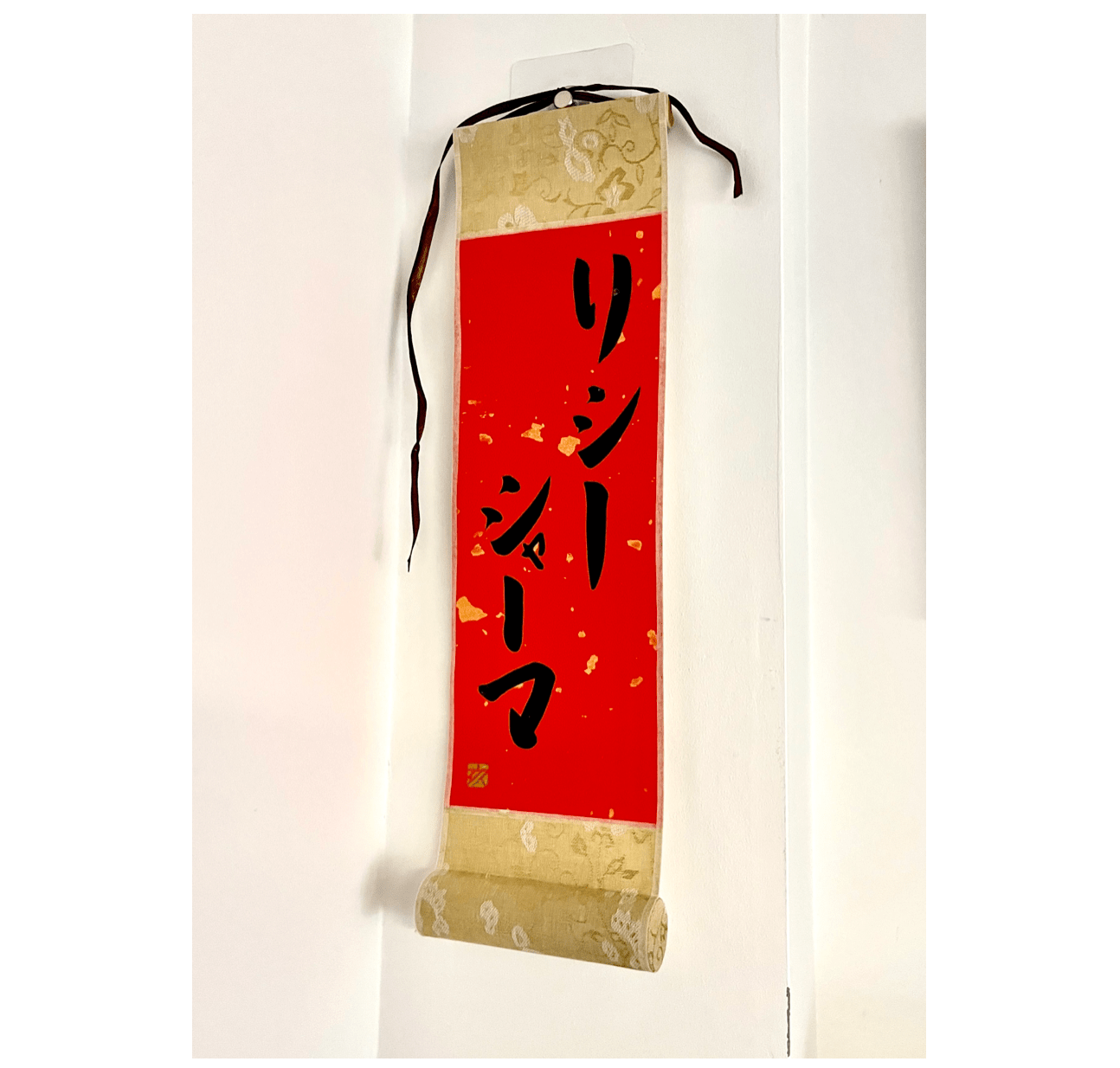
Japanese has a separate writing system for writing foreign words. It’s called katakana and it’s mostly used for foreign loan words such as kōhī (coffee), pan (bread) and gorufu (golf). It’s also used for foreign names. If your name isn’t originally written in kanji (the logographic characters used in Japan, China, and to a lesserContinueContinue reading “Writing foreign names in Japanese”
無限 (mu-gen) “unlimited / no limits”
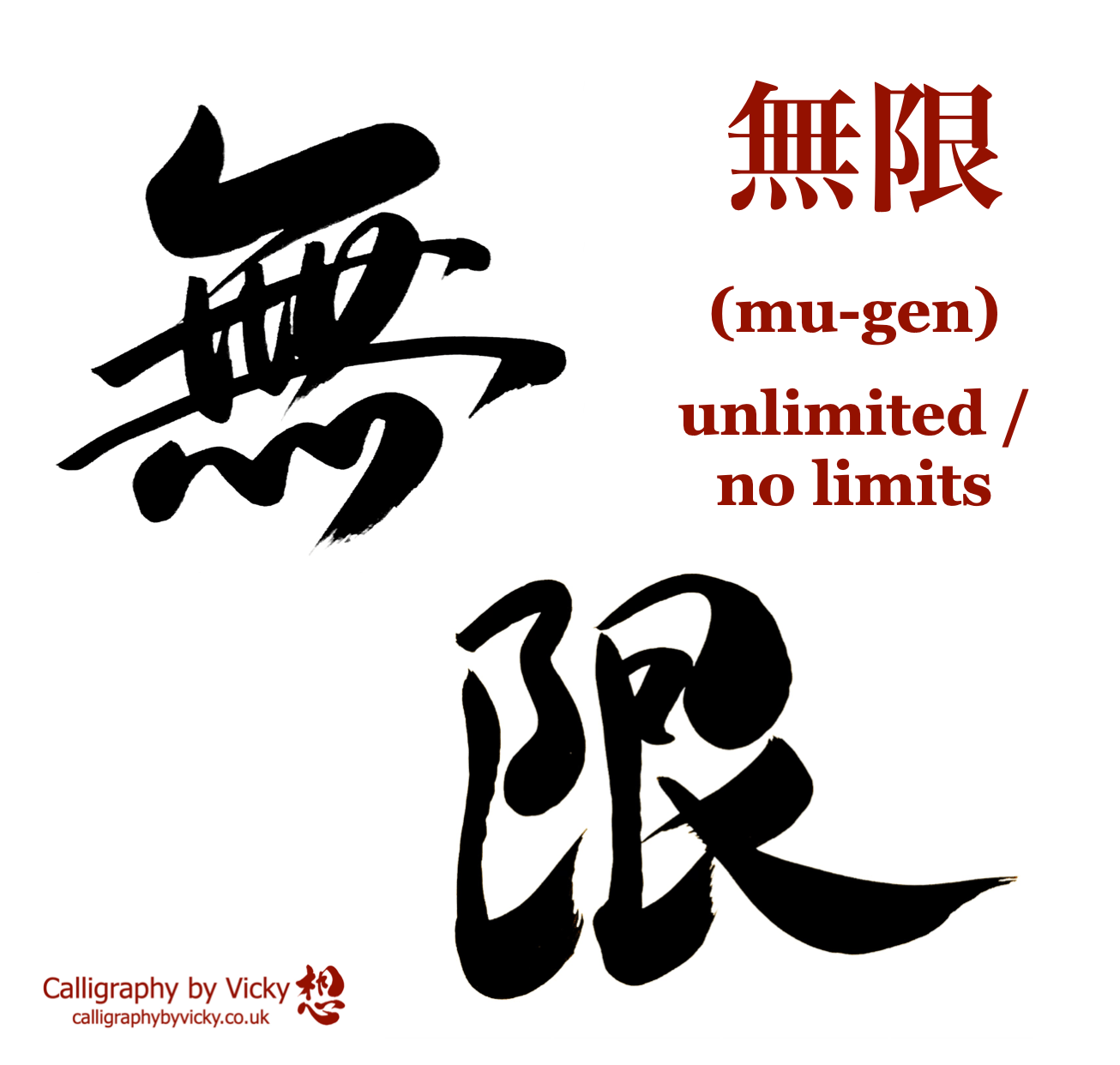
The idea of no limits, or infinity, can represent divine eternal consciousness. It is an important concept in Buddhism, often represented by an endless knot that is strikingly similar to Celtic designs. It can also represent samsara, the endless cycle of death and rebirth. It is similar to the symbol of the ouroboros – theContinueContinue reading “無限 (mu-gen) “unlimited / no limits””
Calligraphy tattoo commission – 珈琲 (kōhī) “coffee”

A recent commission of the kanji for “coffee”, to be rendered as a tattoo. I love seeing how my clients use my artwork 🙂 Japanese language students will notice that “coffee” is usually written in katakana these days: 「コーヒー」 , however the kanji is still used in situations where a traditional atmosphere is desired, forContinueContinue reading “Calligraphy tattoo commission – 珈琲 (kōhī) “coffee””
睦月 (mu-tsu-ki) “January” (archaic)
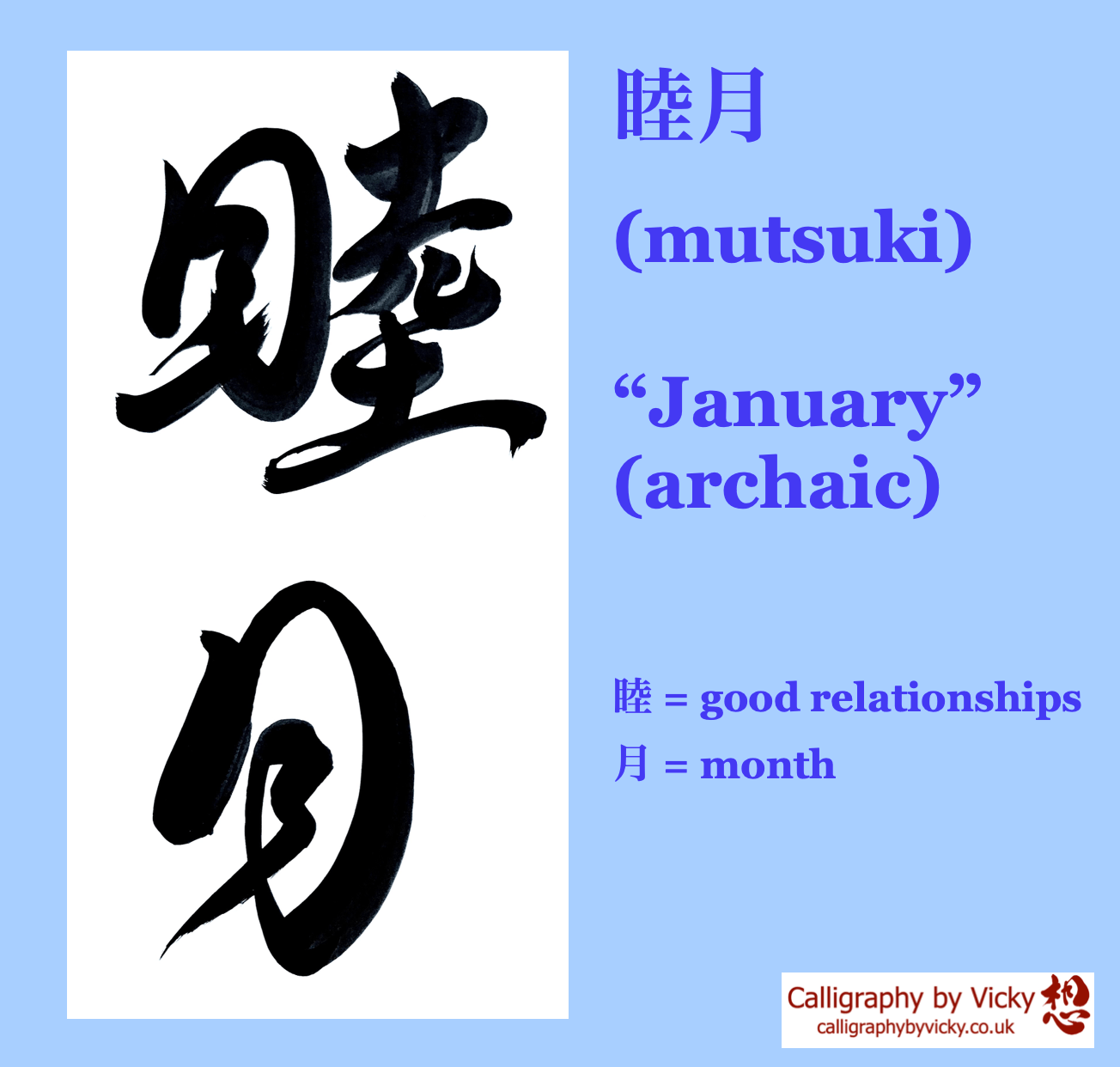
睦 = good relationships 月 = month The modern Japanese word for January is 一 (literally “1st Month”), however in the old-fashioned calendar this was known as 睦月, or “the month for good relationships”. The January New Year’s period is the longest and most important holiday in the Japanese calendar. Most Japanese people visit theirContinueContinue reading “睦月 (mu-tsu-ki) “January” (archaic)”
辰 (tatsu) “dragon” (in the Chinese zodiac)

2024 is the Year of the Dragon. The usual Japanese way of writing “dragon” is 龍, but if you’re talking about the dragon in the Chinese Zodiac, it’s a different character – 辰. The Year of the Dragon is said to bring growth, abundance and good fortune. Here’s to an abundant and fortunate 2024 🙂
あけおめ! (a-ké-o-mé) “Happy New Year!”
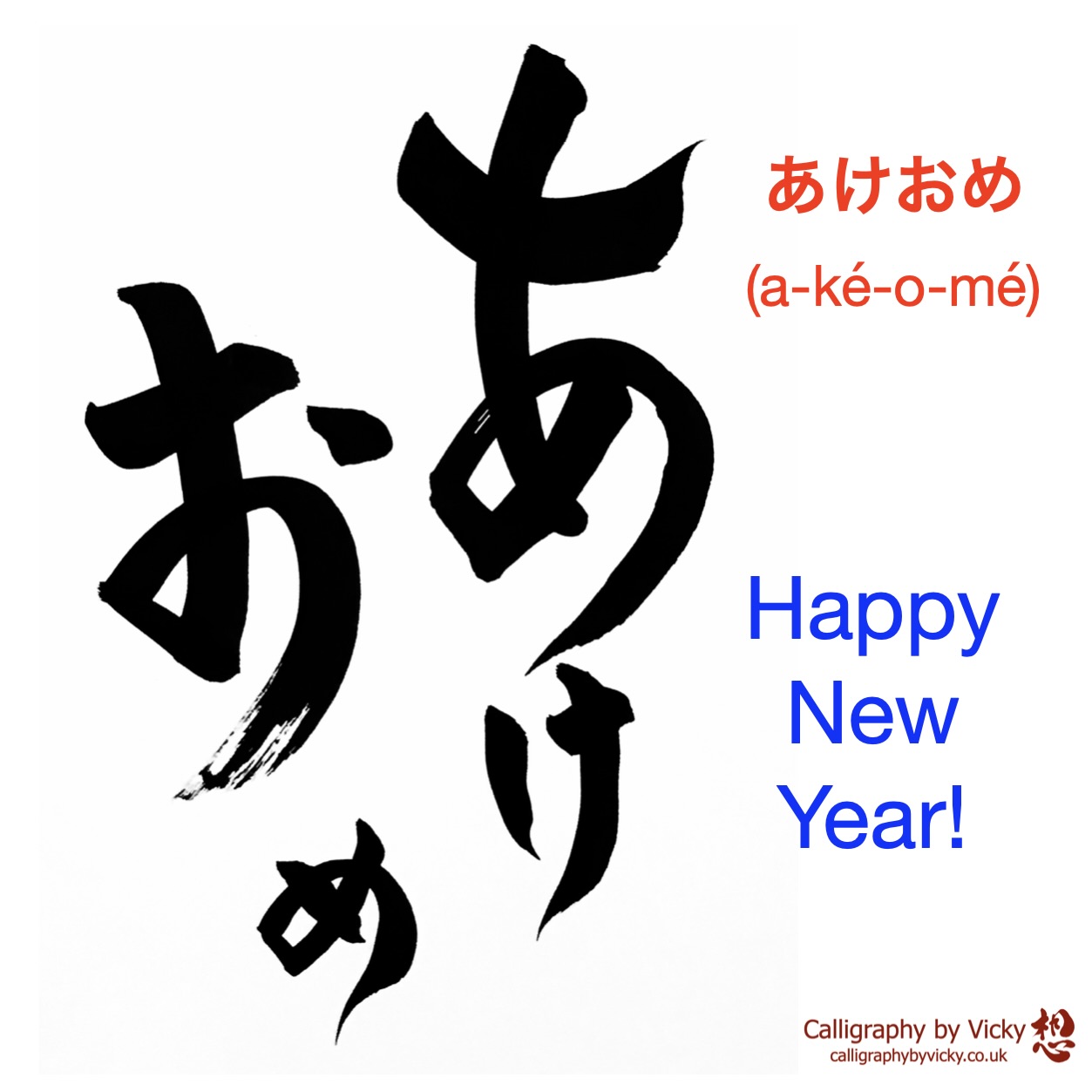
To wish someone “Happy New Year” in Japanese, say: あけましておめでとうございます! (a-ké-ma-shi-té o-mé-dé-tō go-zai-masu) Or, more casually, take the first 2 syllables from each word and say: あけおめ! (a-ké-o-mé)
 Calligraphy by Vicky