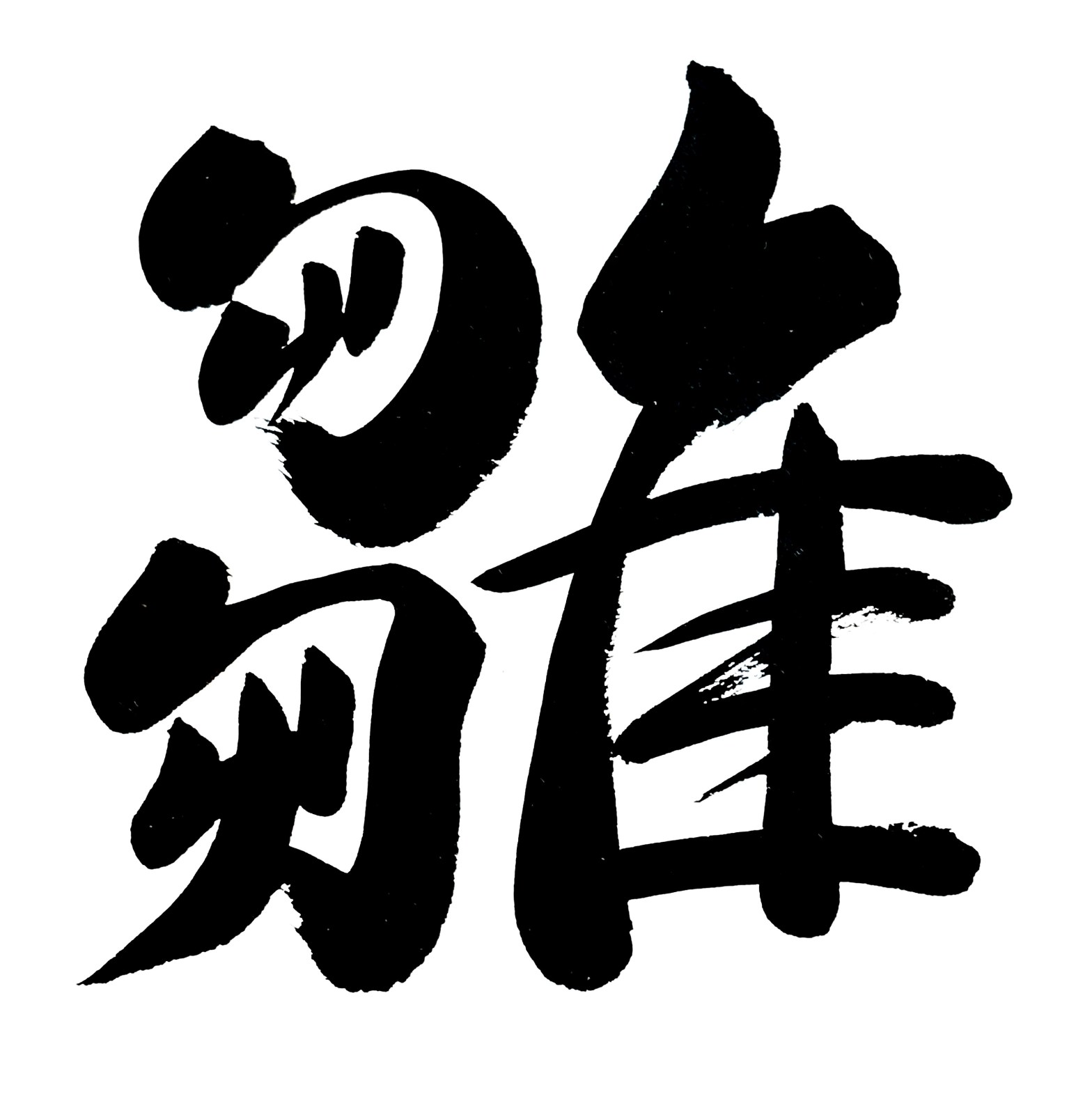
Hina dolls are ornamental dolls which represent traditional Japanese Imperial court members, such as the Emperor, Empress, and attendants. They’re best known as the decorations for the Japanese Girls’ Day celebration, which took place yesterday. In fact, Girls’ Day is known in Japanese as ひな祭り (Hina Matsuri) “The Hina doll festival”.Families often display large setsContinueContinue reading “雛 (hina) “hina doll” 🎎”
Tag Archives: Japanese calligraphy
水仙 (suisen) “daffodil”
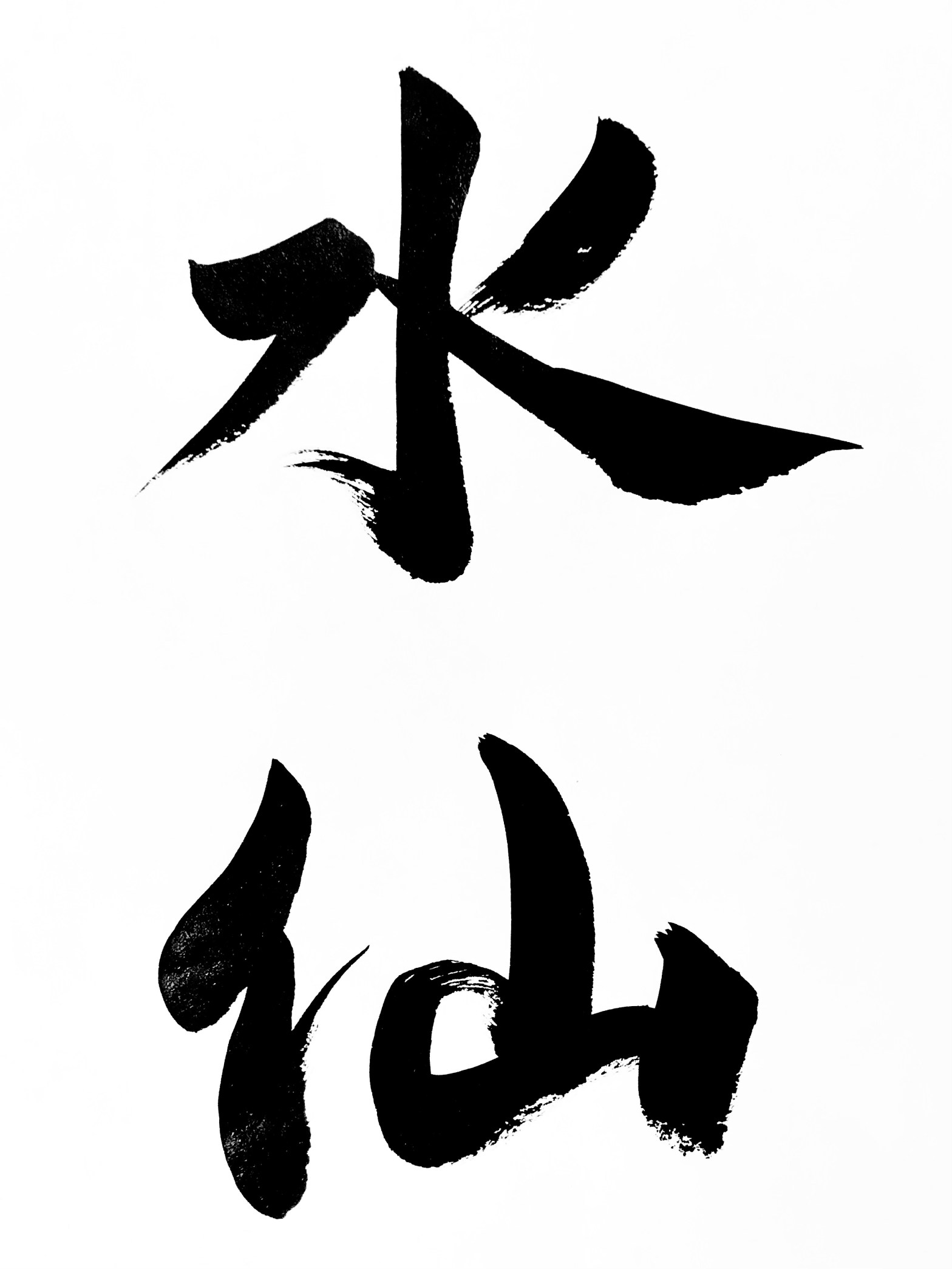
This calligraphy is 水仙, or daffodil. It’s a very common flower in the UK where I live. It’s associated with spring, and in particular Easter 🐣 It’s also the national flower of Wales 🏴. Yesterday was a special day in Wales – the day of Saint David, the Welsh national saint.
富士 Fuji
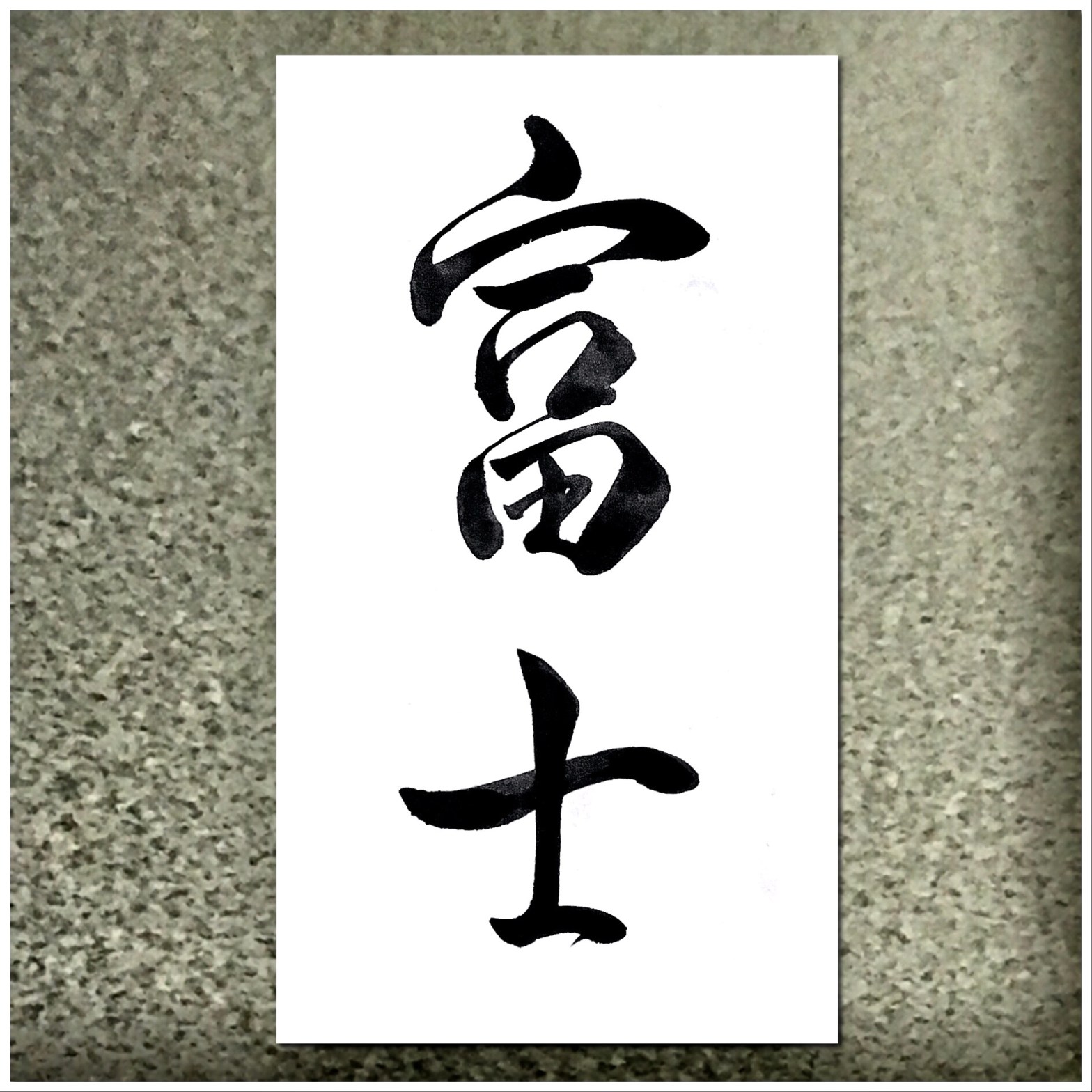
The kanji for the tallest and most famous mountain in Japan are suitably distinguished: 富 = riches, wealth, fortune 士 = gentleman, scholar However there is a theory that the above kanji are ateji (kanji which are used to phonetically represent other words) for 不 and 死. 不 = un, not 死 = death InContinueContinue reading “富士 Fuji”
桜梅桃李 (ō-bai-tō-ri) “never compare yourself to others”
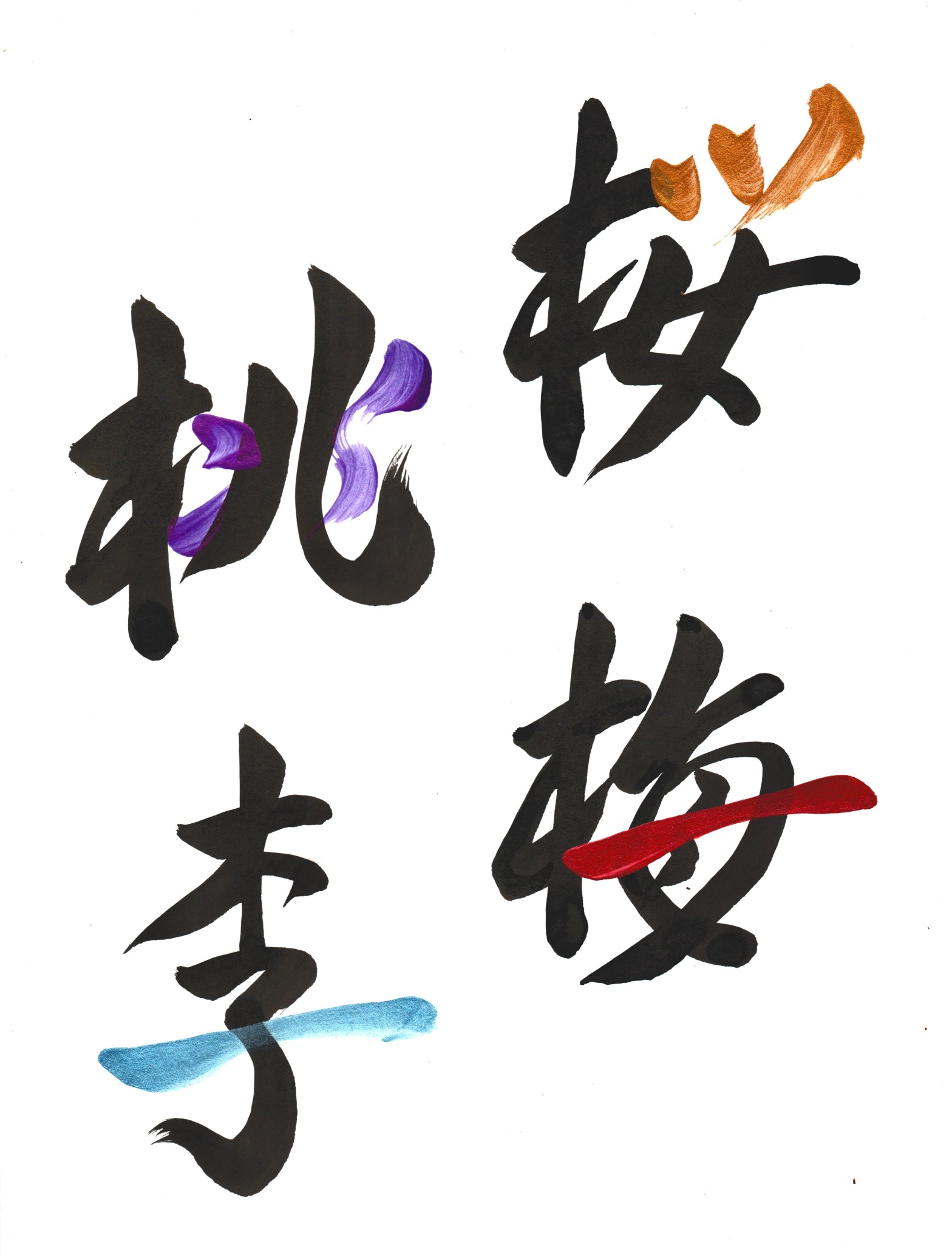
It’s blossom season again in Japan, so I’m sharing this blossom-related yo-ji-juku-go (Japanese 4-character idiom). It’s also one of my favourites. It is comprised of 4 beloved Japanese trees which blossom in spring. They are: 桜 = cherry (sakura) 梅 = apricot (ume) 桃 = peach (momo) 李 = plum (sumomo) Each of these treesContinueContinue reading “桜梅桃李 (ō-bai-tō-ri) “never compare yourself to others””
梅 (umé) PLUM BLOSSOM

It’s blossom season in Japan! Cherry blossoms are by far the most famous of Japanese flowers. They’re also the national flower, and appear on the 100 yen coin. However, they’re not the first spring flower to bloom. Plum blossom season usually starts earlier than cherry blossom season, with the first blossoms appearing as early asContinueContinue reading “梅 (umé) PLUM BLOSSOM”
脱俗 (datsuzoku) “break from routine”
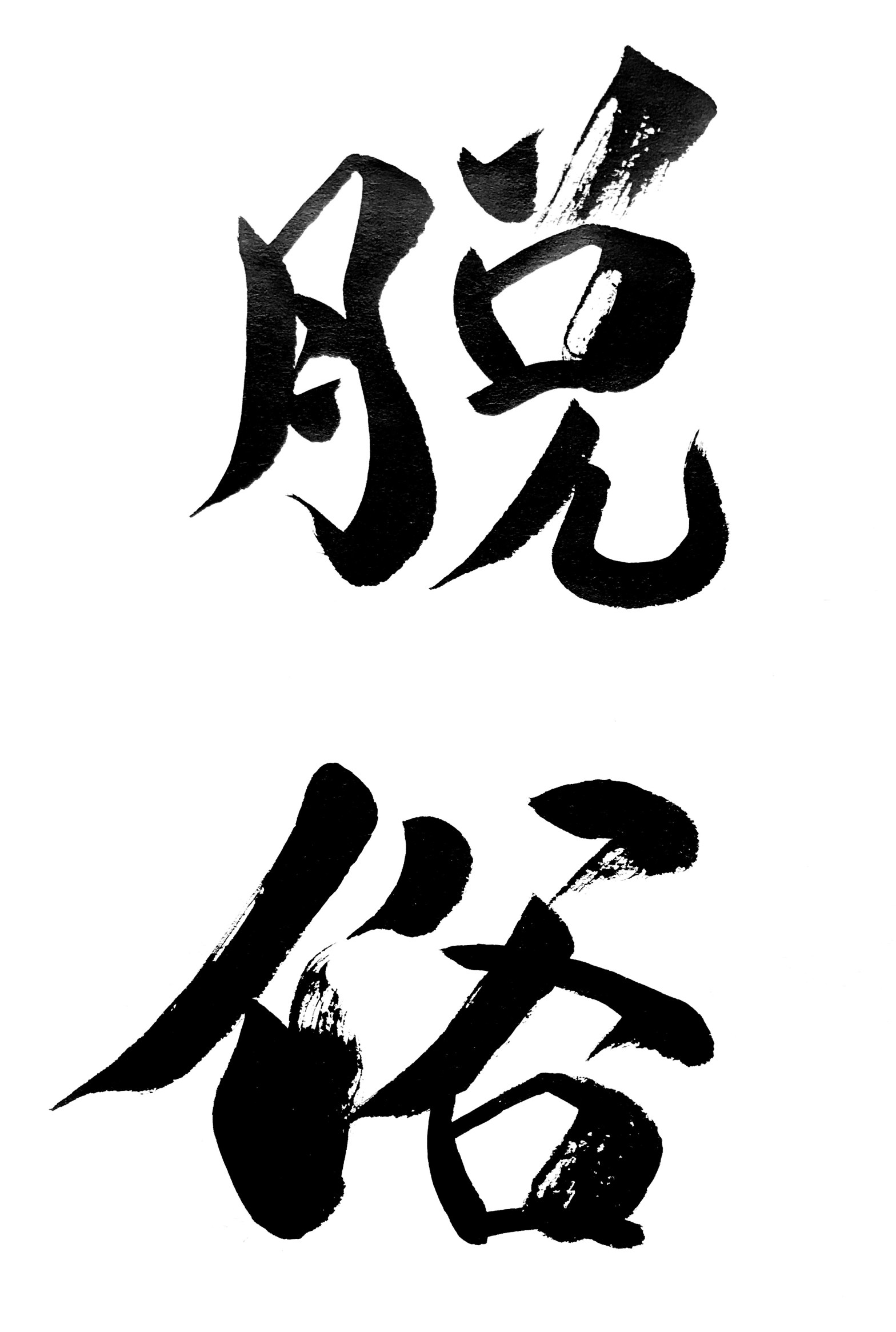
脱 = remove, get rid of (this kanji is also used to describe undressing) 俗 = customs, manners 脱俗 refers to a break from one’s daily routine or habit, or freedom from the commonplace. It involves a feeling of transcending the ordinary and conventional. If you take regular timeouts and consciously break well-worn patterns, youContinueContinue reading “脱俗 (datsuzoku) “break from routine””
以心伝心(i-shin-den-shin)“communication without words”
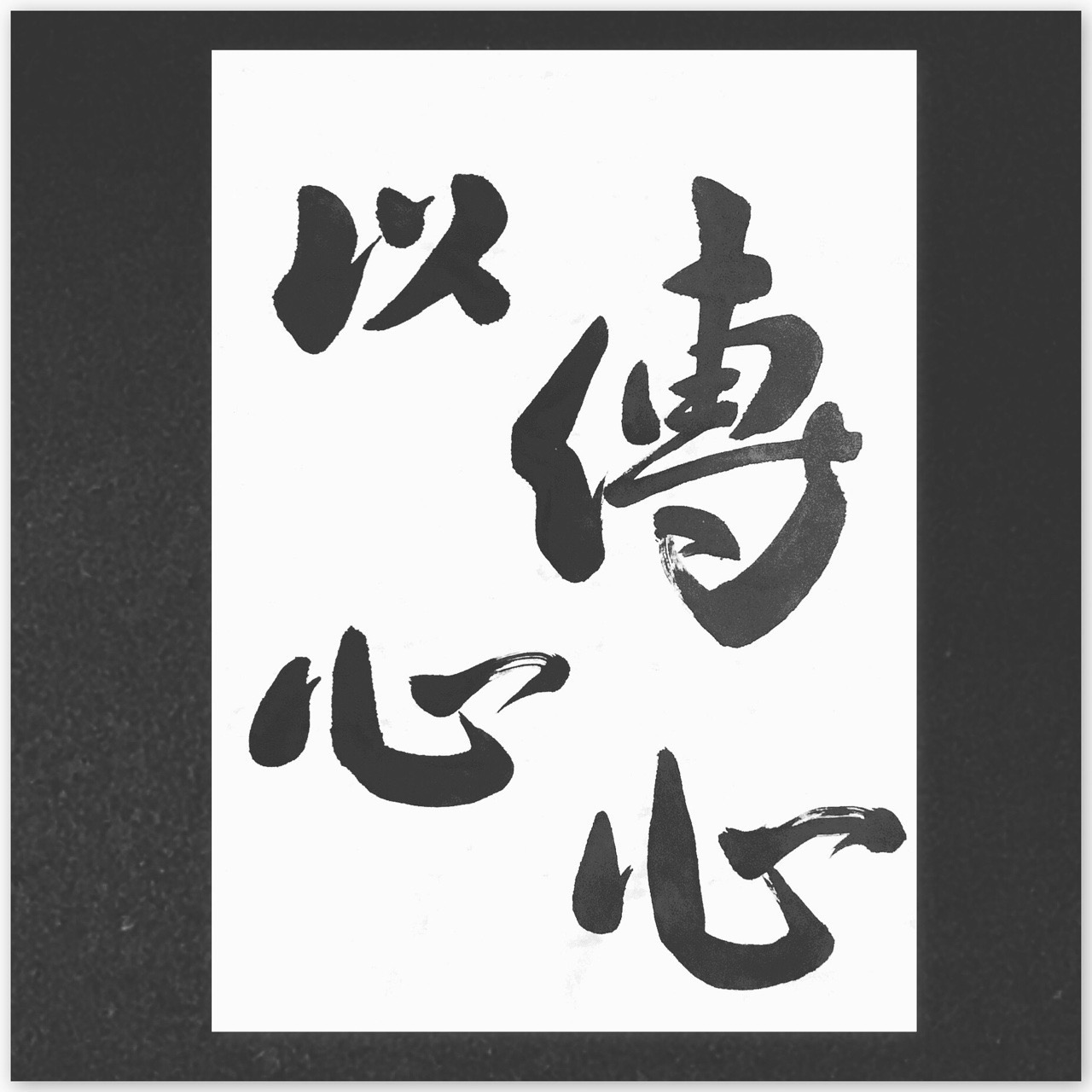
以 = by 心 = heart 伝 = to communicate (actually I’ve used an older, now obsolete version of this kanji) The second and fourth kanji character in this 4-character idiom are both 心, which means “heart”. This idiom refers to heart-to-heart communication; speaking without words. It is often said that the typical Japanese communicationContinueContinue reading “以心伝心(i-shin-den-shin)“communication without words””
恵 (megumi) “blessed”
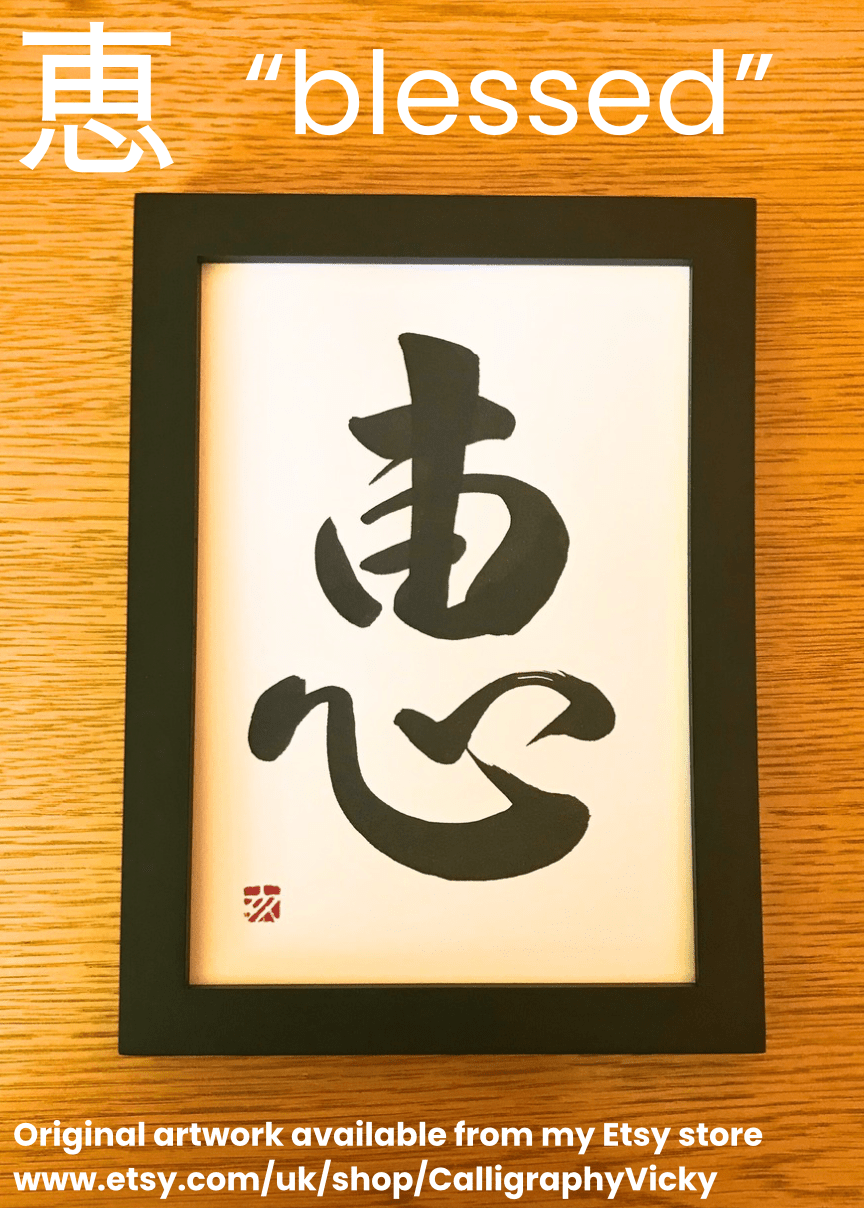
⭐️ “Megumi” is used to describe a situation that is full of something positive. 🌺 For example, “a field full of flowers” could be said like this: 「花に恵まれたこの野」 Literally, “a field blessed with flowers”. 👧 It’s also a fairly common girls’ name. The original artwork in the photo is available from my Etsy store here.
改善 (kai-zen) “continuous improvement”
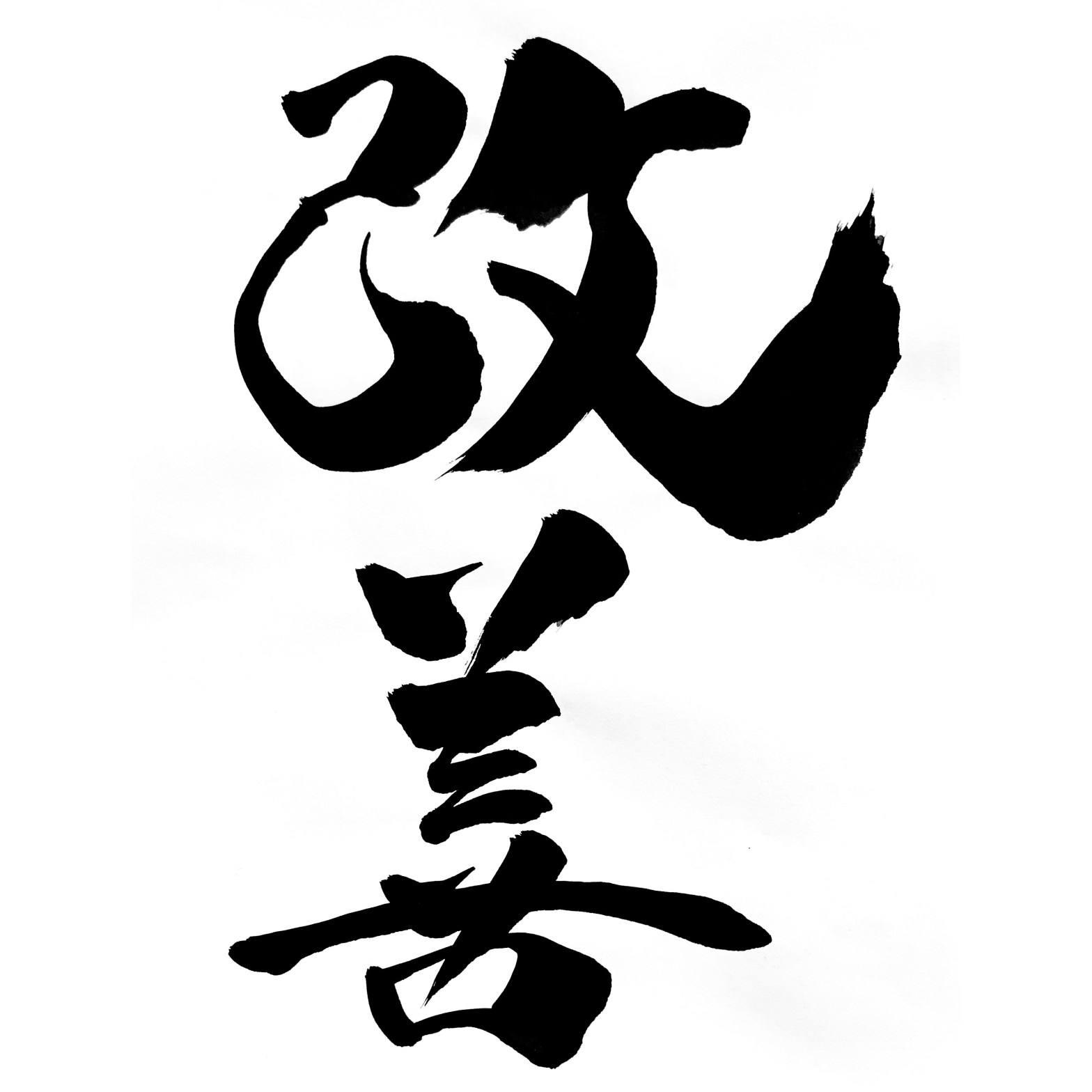
Kaizen is a Japanese term meaning “change for the better” or “continuous improvement.” It is the Japanese business philosophy of continuously improving operations. Kaizen sees improvement in productivity as a gradual and methodical process. The kaizen concept asserts that there is no perfect end. Everything can be improved upon, and all employees must strive toContinueContinue reading “改善 (kai-zen) “continuous improvement””
晴耕雨読 (sei-kō-u-doku) “fine weather, labour; rain, read”
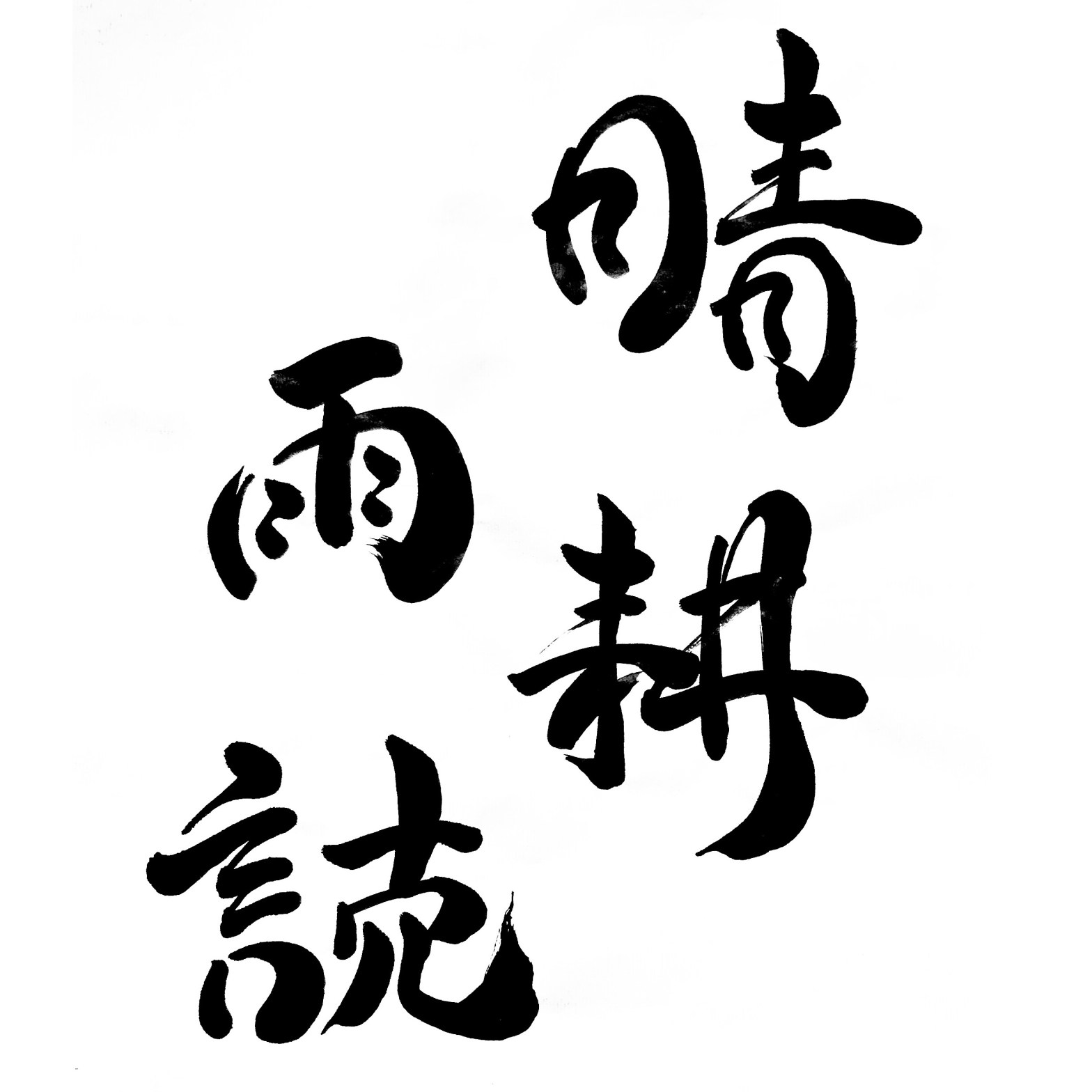
Instructions for living a peaceful yet productive life! Work when it’s sunny, and rest when it rains. Doing everything in its proper season. This is a special kind of Japaneses idiom known as a 四字熟語 (よじじゅくご、yo-ji-juku-go), or 4-character idiom. As the name suggests, these are idiomatic phrases made of 4 kanji. They often contain aContinueContinue reading “晴耕雨読 (sei-kō-u-doku) “fine weather, labour; rain, read””
 Calligraphy by Vicky