“There is no way to enlightenment; enlightenment is the way”. – Thich Nhat Hanh, Zen Master This one-off calligraphy work is available on my Etsy store here
Tag Archives: buddhist
無心 (mu-shin) “no-mind” or “nothingness mind”
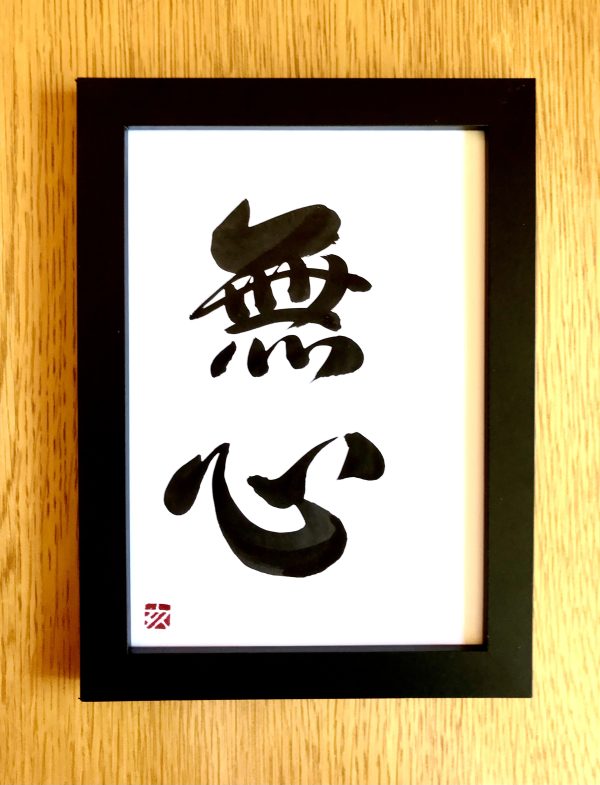
An important concept in meditation and martial arts. If you have mu-shin, your mind is free from thoughts, desires and assumptions. As the Buddhist nun Reverend Jiyu-Kennett once said: “It’s nothing… but it’s the fullest kind of nothing there ever was!” When your mind is clear, and you are free from ego and can actContinueContinue reading “無心 (mu-shin) “no-mind” or “nothingness mind””
悟 (Satori) “enlightenment”
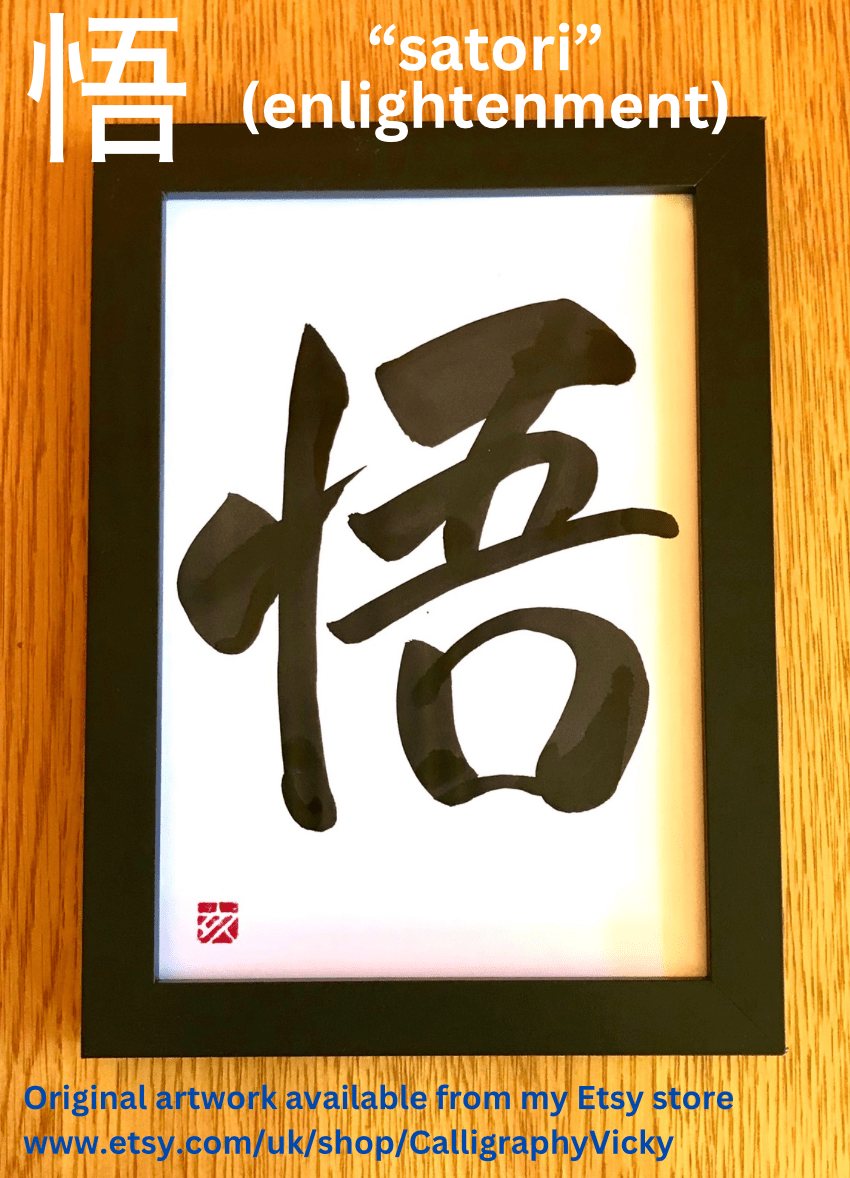
“Enlightenment is when a wave realises it is the ocean.” Thich Nhat Hanh The original artwork in the above photo is available on my Etsy store here.
無心 (mu-shin) “no-mind” or “nothingness mind”
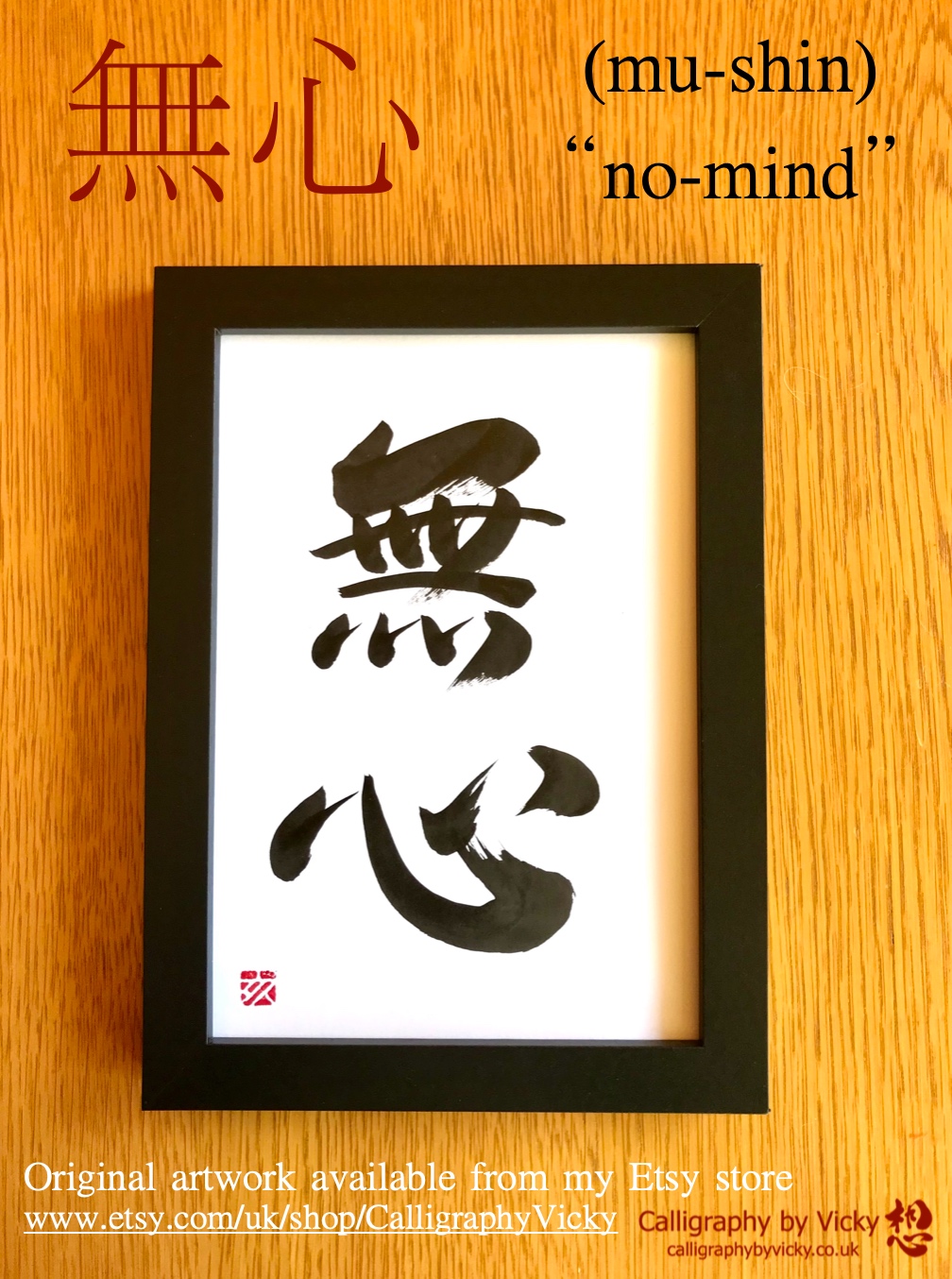
An important concept in meditation and martial arts. If you have mu-shin, your mind is free from thoughts, desires and assumptions. The Buddhist nun Reverend Jiyu-Kennett once said: “It’s nothing… but it’s the fullest kind of nothing there ever was!” When your mind is clear, and you are free from ego and can act naturallyContinueContinue reading “無心 (mu-shin) “no-mind” or “nothingness mind””
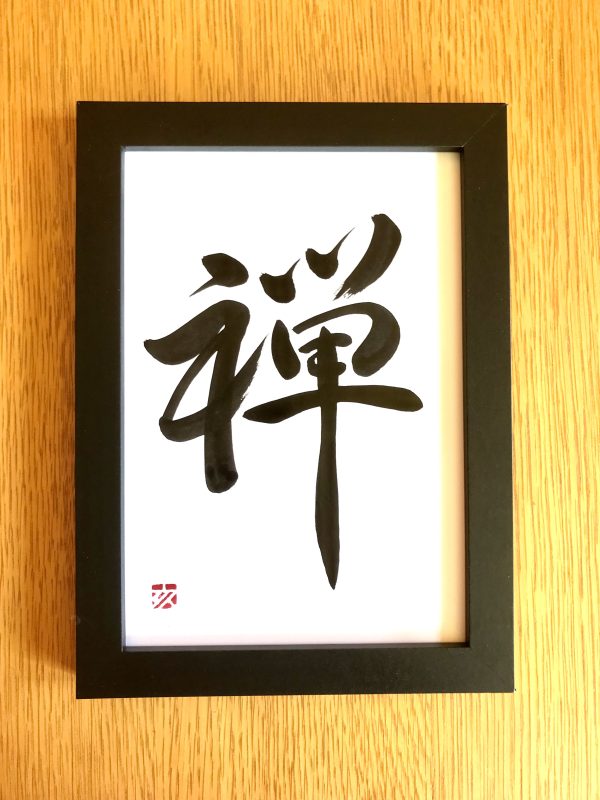
禅 zen
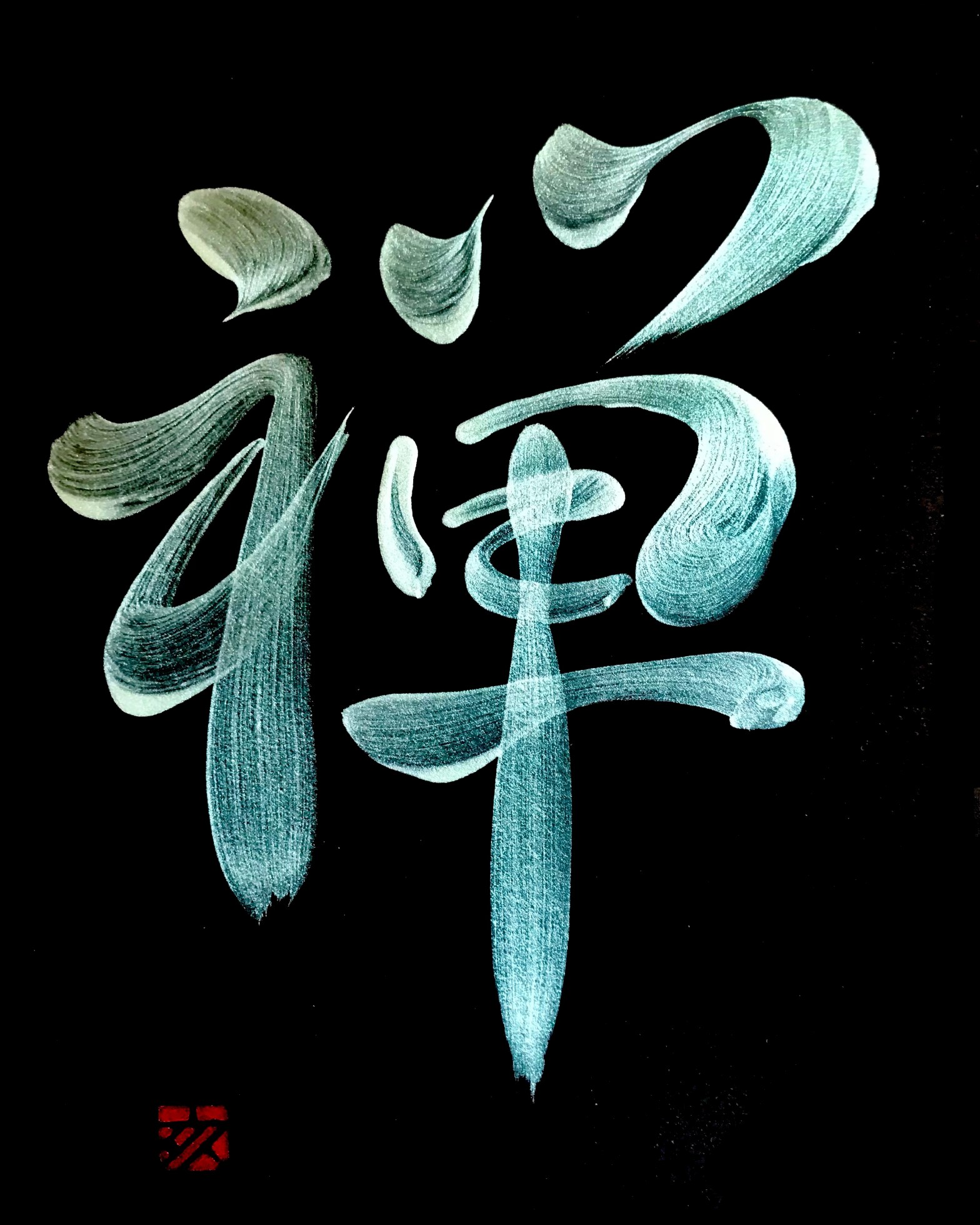
禅 “zen”

The above artwork is available on my Etsy shop here. WordPress users get 15% off (all my stuff!) with this discount code: WPCODE15 Just enter it when you checkout.
夢 (yu-mé) “dream”
In comparison to the soul, life is comparable to a dream. Your dreams are temporary, like your life. The original of this work is available to purchase here. In Japan, calligraphy works of meaningful characters or phrases are displayed in homes, offices, temples and dōjōs as decoration and to provide inspiration. If you would like to own some Japanese calligraphy artworkContinueContinue reading “夢 (yu-mé) “dream””
放 (hanasu) “let go”
Freedom is found in letting go of desires, attachments, opinions, and other burdens which no longer serve us. The more we let go into grace, the more we gain. Living freely, without grasping. Each moment is enough, just as it is.
on different calligraphy styles
Japanese calligraphy is a very restrictive form of art. The artist is constrained by the shape of the Japanese kanji characters. However, within these tight restraints there is opportunity for freedom and expression. The kanji characters can be written in different styles, with different ink types and colours, different colours and textures of paper, etc.ContinueContinue reading “on different calligraphy styles”
 Calligraphy by Vicky