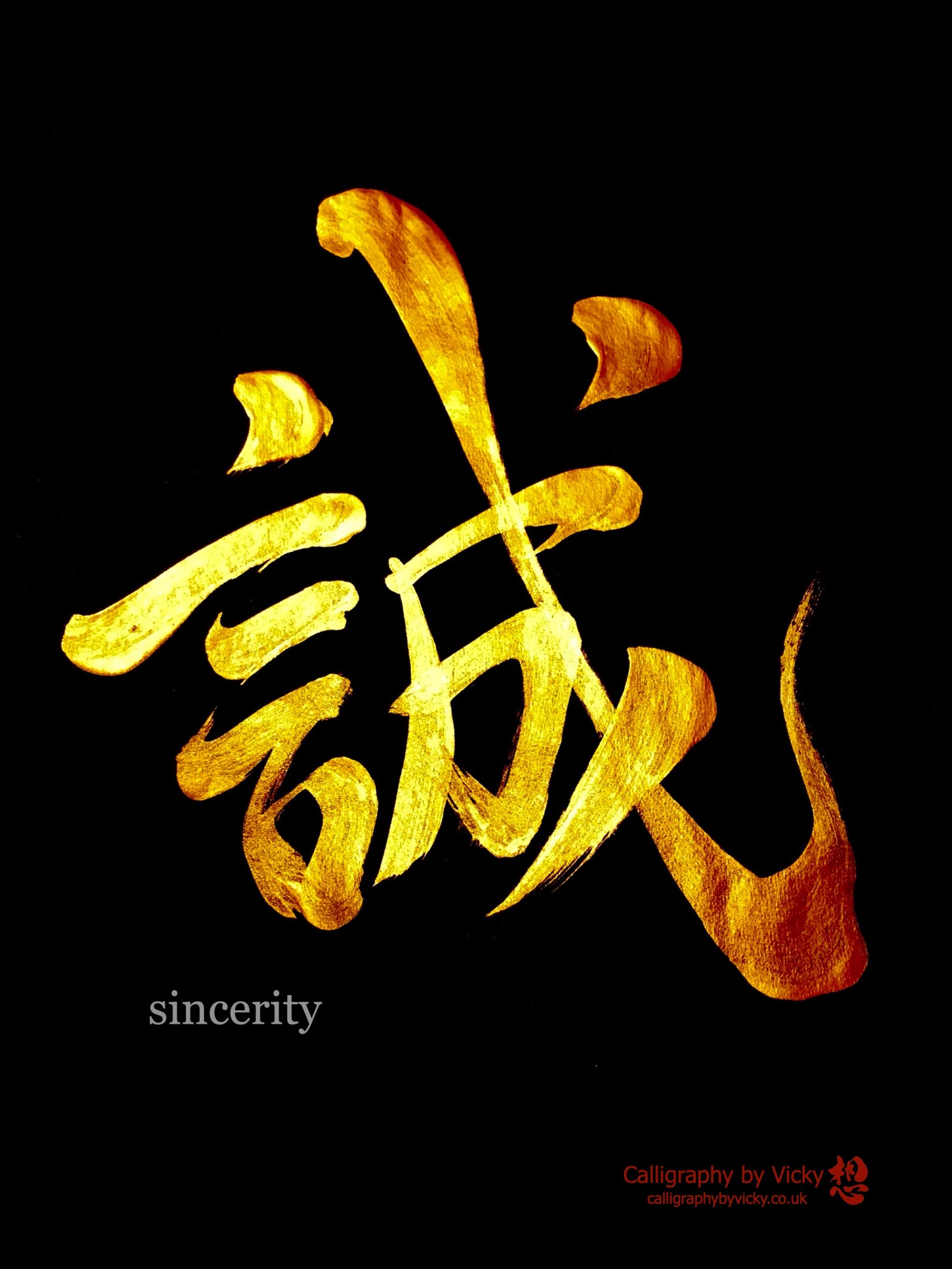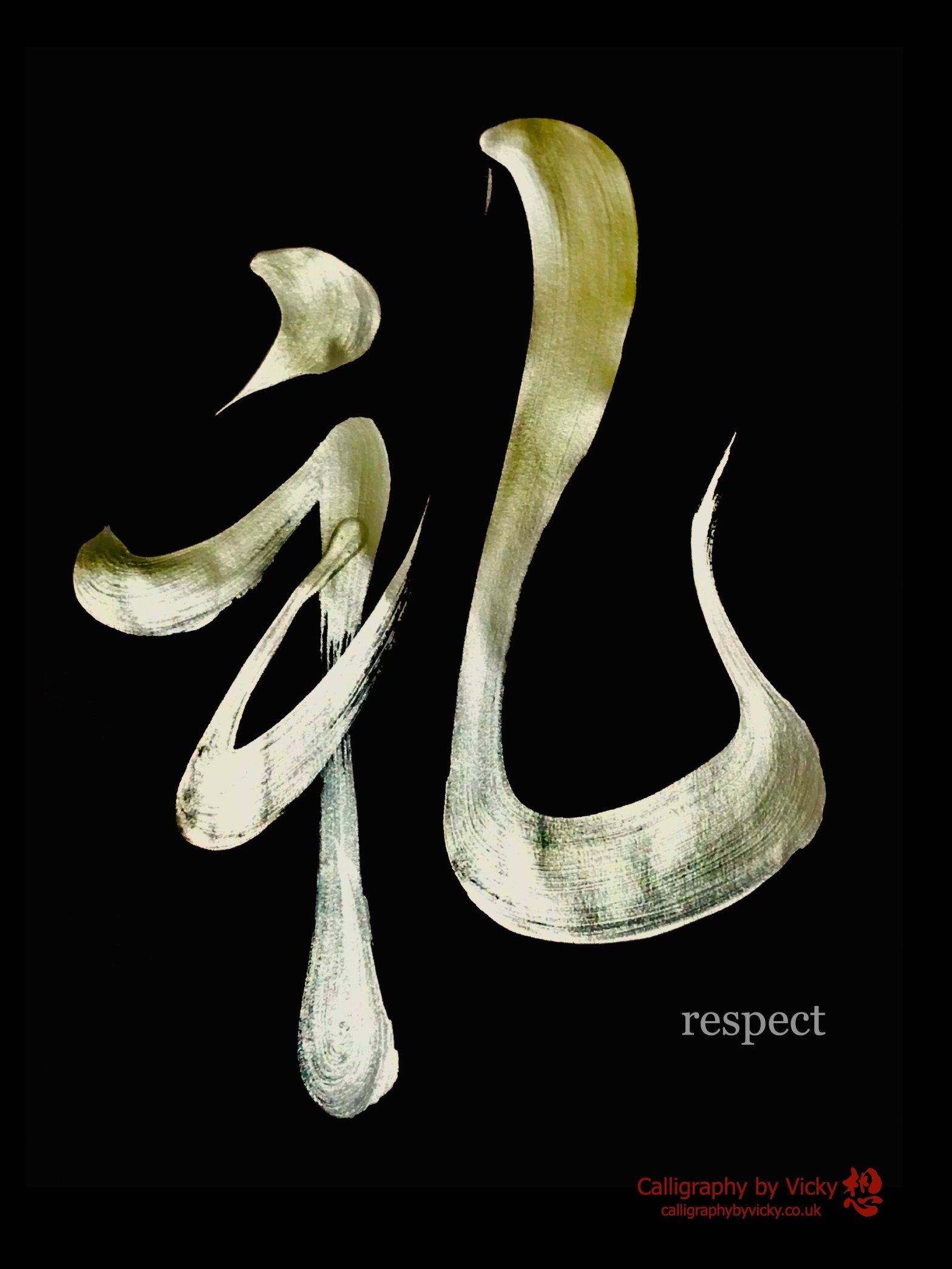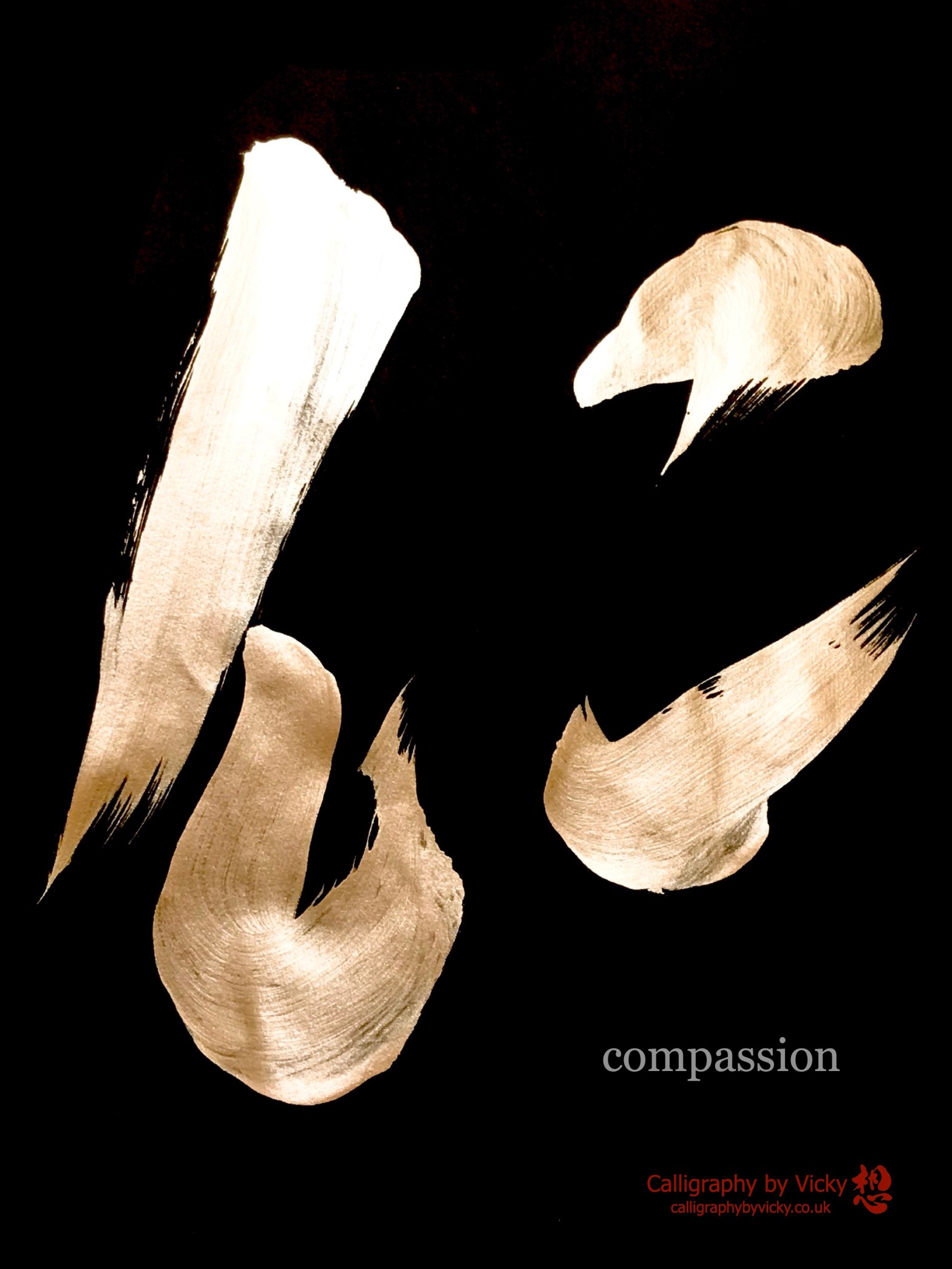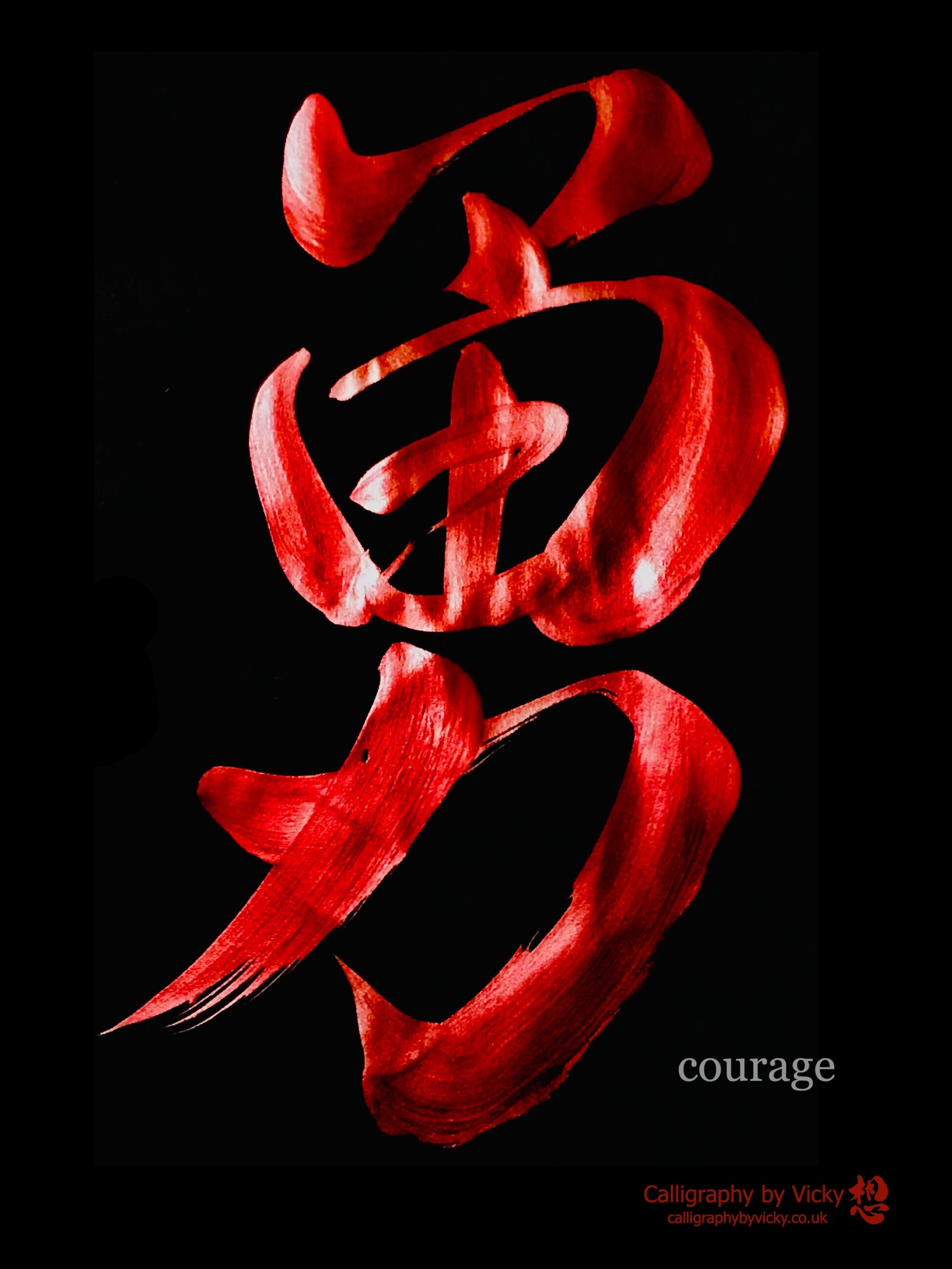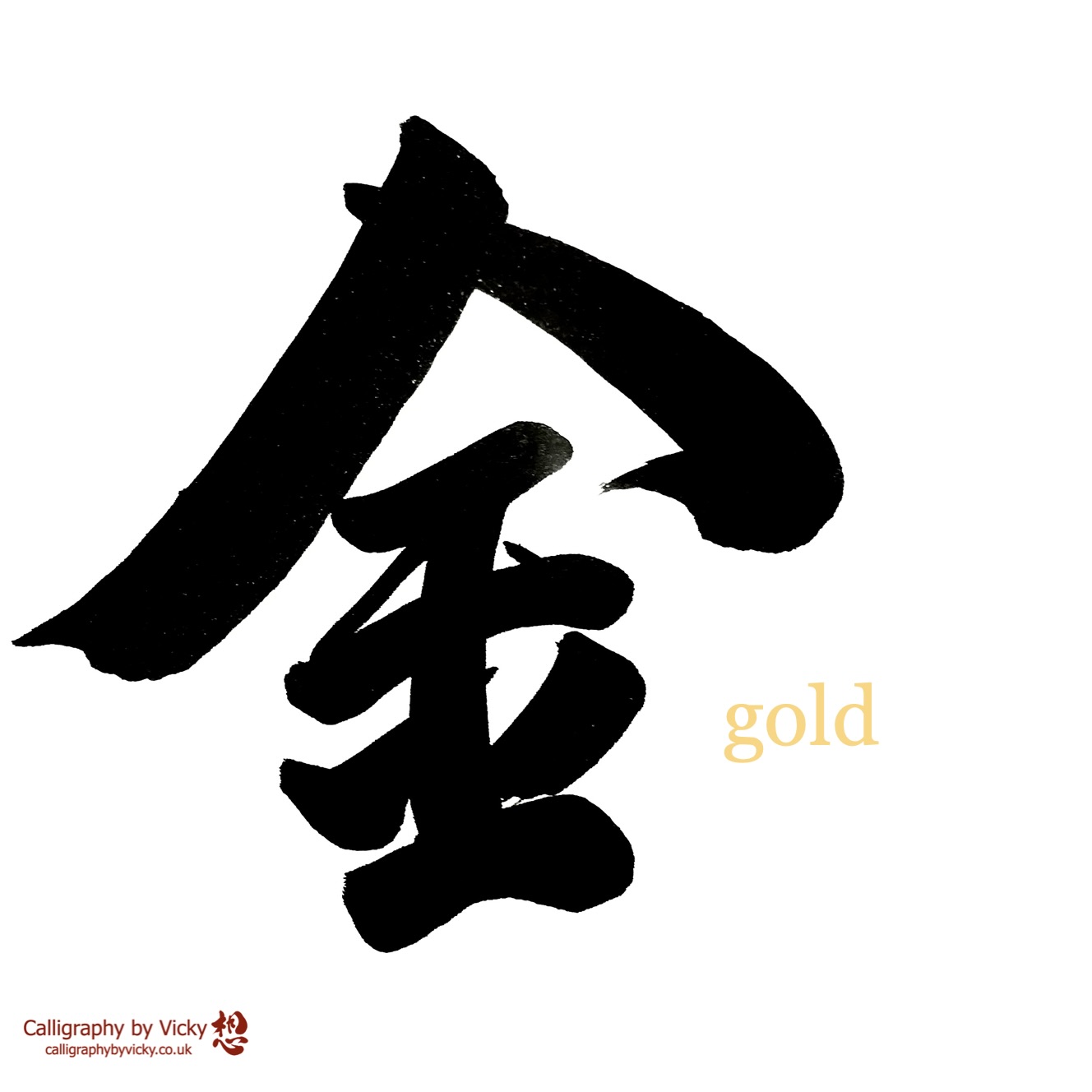
It’s Golden Week in Japan! So I wrote “Gold”. “Golden Week” (Sometimes abbreviated to “GW”) is a week beginning 29th April, containing multiple public holidays in a row. This year, the dates of the holidays are: Saturday 29th April: Showa Day Wednesday 3rd May: Constitution Memorial Day Thursday 4th May: Greenery Day Friday 5th May:ContinueContinue reading “金 (kin) “Gold” or “Money””
Tag Archives: 書道アート
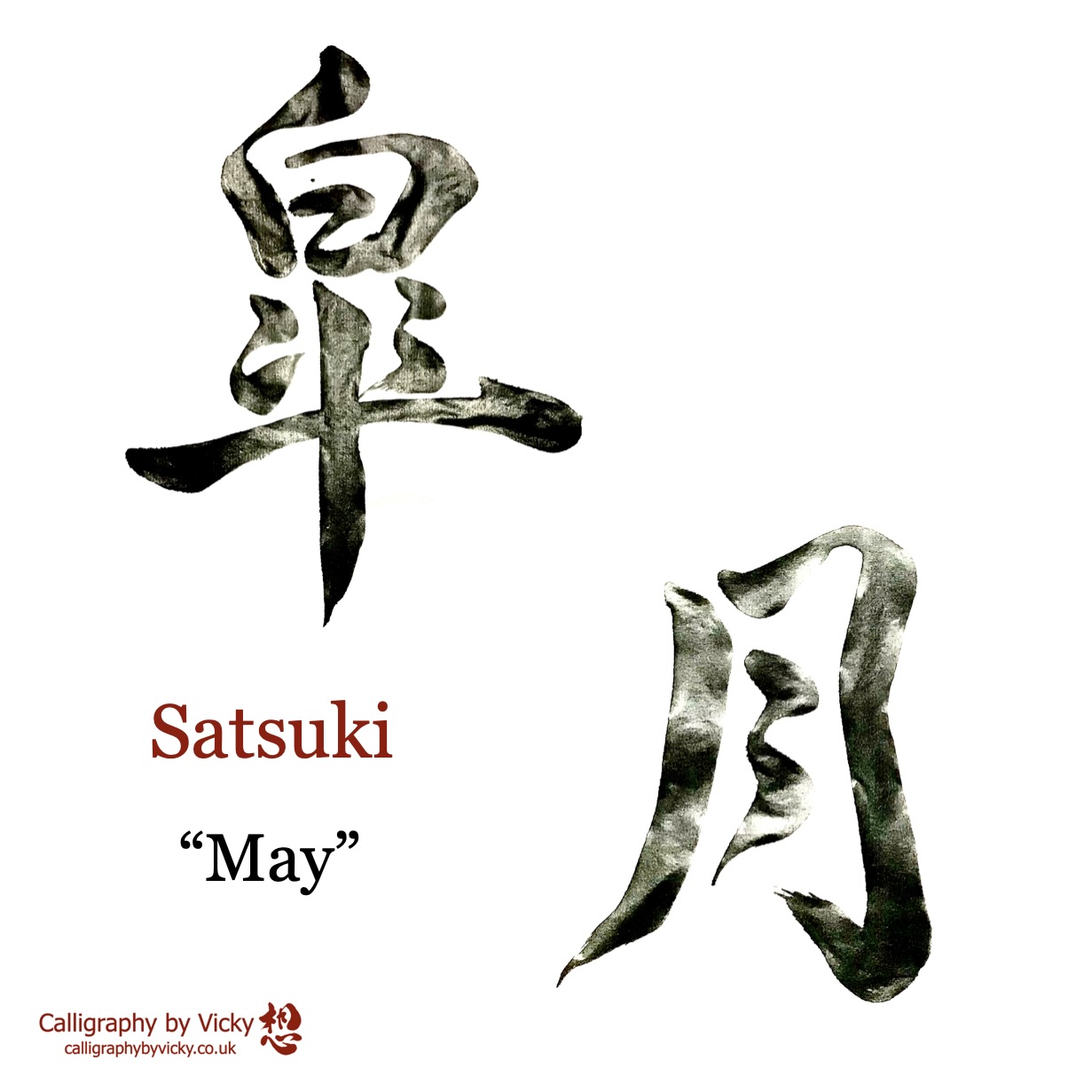
皐月 (sa-tsu-ki) “May”
Like many countries, Japan uses a 12-month calendar. The names are very simple. January is 一月 (ichi-gatsu, literally “Month one”), February is 二月 (ni-gatsu, “Month two”), etc. However, before the Meiji Restoration (mid-1800s) it was common to use an older 12-month system. These months’ names referenced the weather and the seasons (similar to the FrenchContinueContinue reading “皐月 (sa-tsu-ki) “May””
桜梅桃李 (ō-bai-tō-ri) “never compare yourself to others”
桜 = cherry (sakura) 梅 = apricot (ume) 桃 = peach (momo) 李 = plum (sumomo) Each of these beloved trees blooms in its own time and in its own unique way.
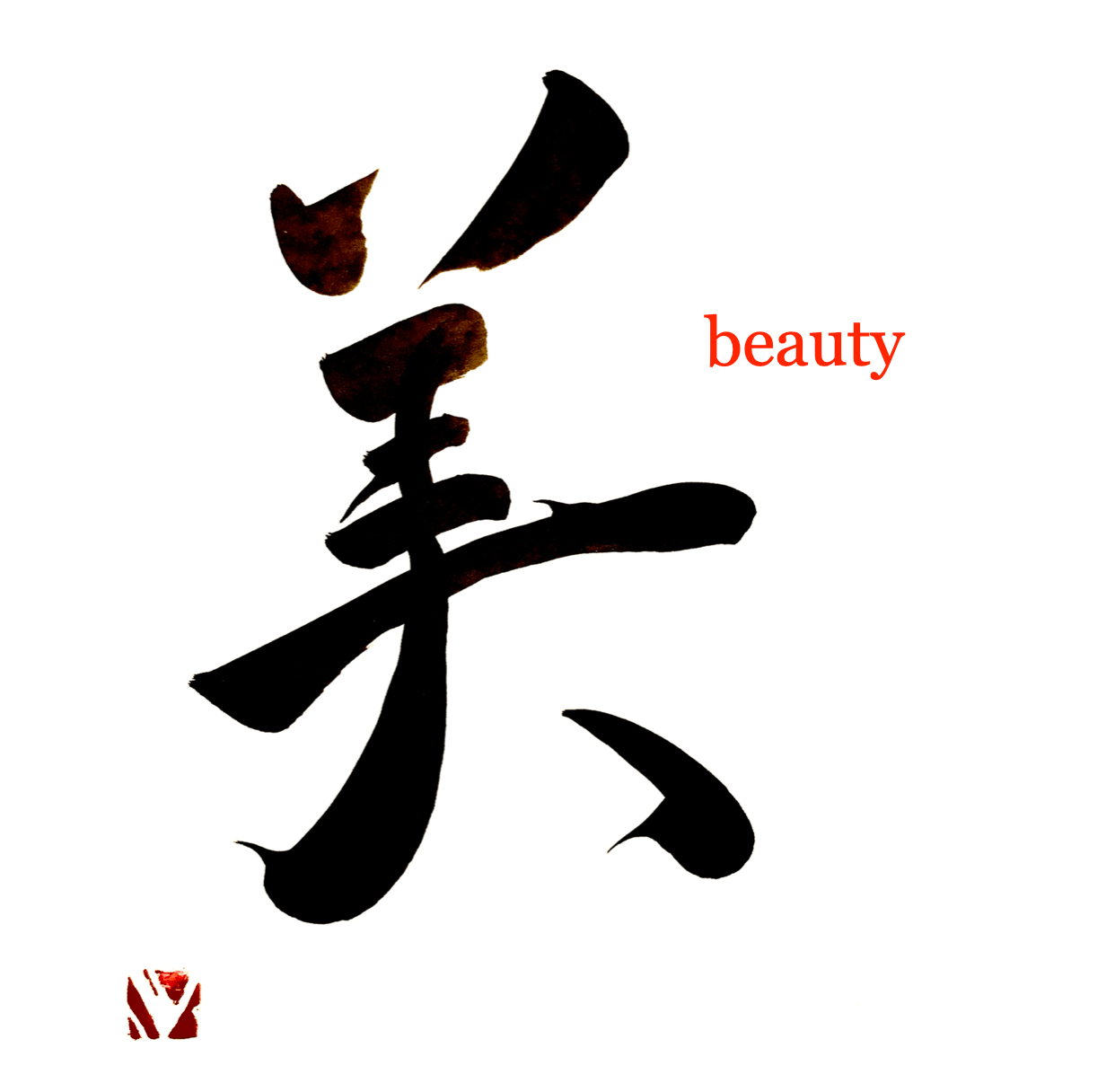
美 (bi) “beauty”
The original of this work is available to purchase here on my Etsy site. WordPress users get 15% off with this code: WPCODE15 In Japan, calligraphy works of meaningful characters or phrases are displayed in homes, offices, temples and dōjōs as decoration and to provide inspiration. If you would like to own some Japanese calligraphy artworkContinueContinue reading “美 (bi) “beauty””
悟 (satori) “enlightenment”
Satori (enlightenment) is often described as a sudden and profound realisation that goes beyond ordinary knowledge or understanding. It is a state of consciousness in which the individual transcends the limits of the ego and experiences a deep sense of oneness with the universe. Satori is not a fixed or permanent state, but rather aContinueContinue reading “悟 (satori) “enlightenment””
絆 (ki-zu-na) “bonds”
“Kizuna” can refer to any kind of bond, but it usually refers to the bonds that structure human relationships. Although the term “bond” sounds inflexible and unforgiving, in Japan it usually has a positive nuance when used to describe human relationships. Even if the nature of a human relationship leads to a reduction in humanContinueContinue reading “絆 (ki-zu-na) “bonds””
春分 (shun-bun) spring equinox
In Japan, 春分 (shun-bun) spring equinox is a national holiday. The week which contains spring equinox is called “o-higan”. This has connections with Buddhism, and on this day many people visit spend time with their families and visit their family grave. “Bota-mochi” (rice cake covered in sweet bean paste) is traditionally eaten on this day.
縁 (en) “destiny”
Although en can refer to destiny in general, it often has romantic connotations…. something like star-crossed lovers, destined to be together for all eternity. One of the most important Shinto shrines in Japan is Izumo Grand Taisha in Shimane Prefecture. As well as being considered the “meeting place of the gods” it has a reputationContinueContinue reading “縁 (en) “destiny””
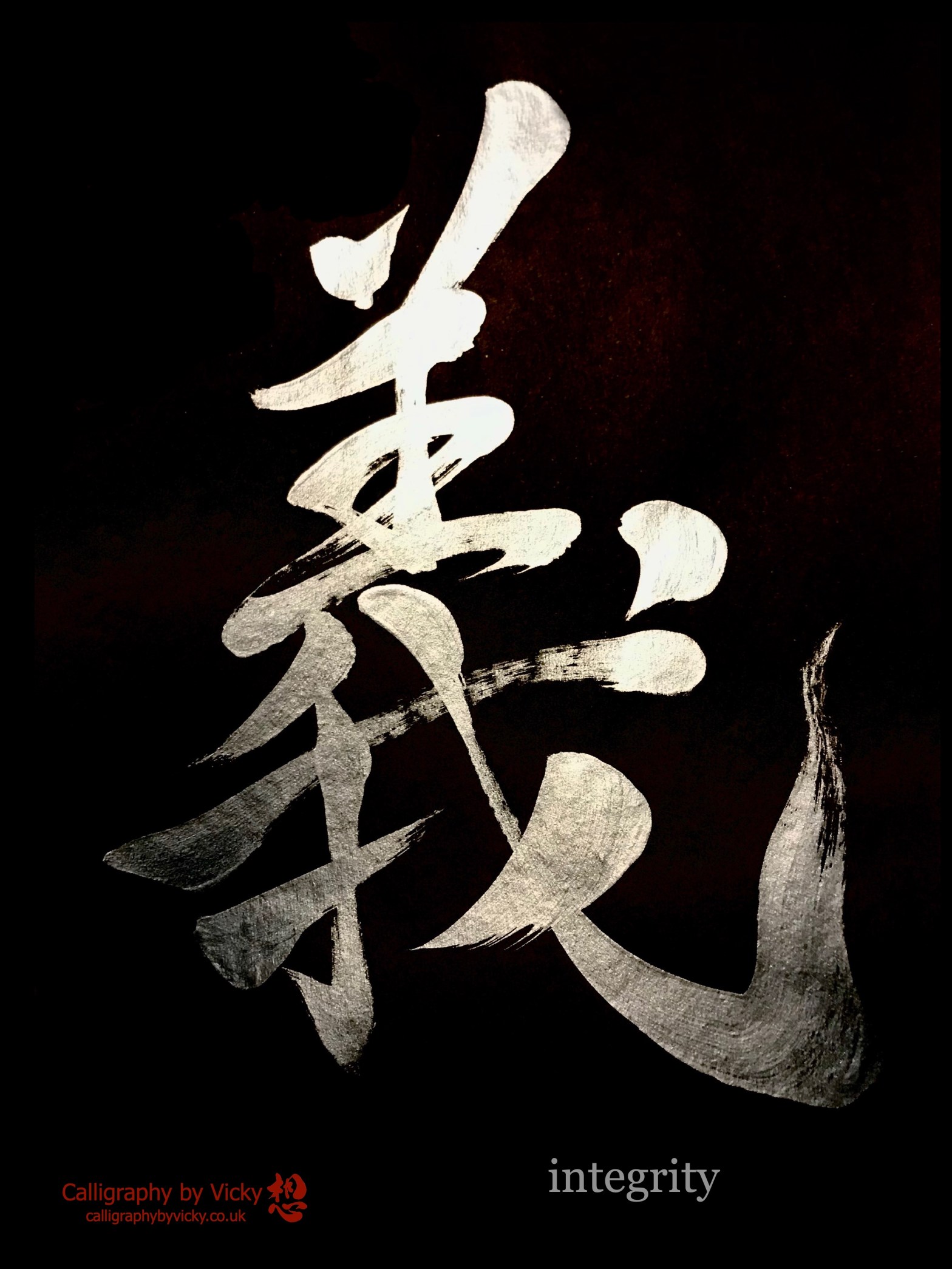
禅 Zen
The original of this work is available to purchase here on my Etsy site. WordPress users get 15% off with this code: WPCODE15 In Japan, calligraphy works of meaningful characters or phrases are displayed in homes, offices, temples and dōjōs as decoration and to provide inspiration. If you would like to own some Japanese calligraphy artwork to displayContinueContinue reading “禅 Zen”
夢 (yu-mé) “dream”
In comparison to the soul, life is comparable to a dream. Your dreams are temporary, like your life. The original of this work is available to purchase here. In Japan, calligraphy works of meaningful characters or phrases are displayed in homes, offices, temples and dōjōs as decoration and to provide inspiration. If you would like to own some Japanese calligraphy artworkContinueContinue reading “夢 (yu-mé) “dream””