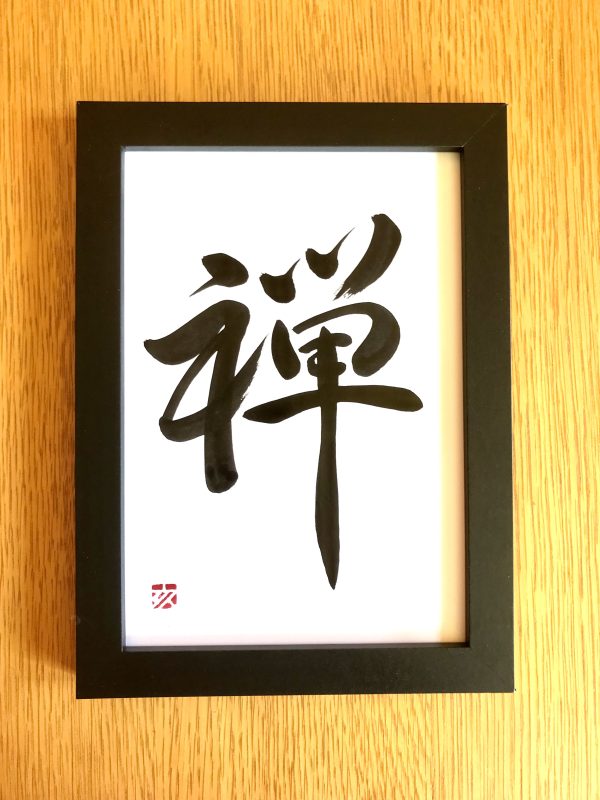
“There is no way to enlightenment; enlightenment is the way”. – Thich Nhat Hanh, Zen Master This one-off calligraphy work is available on my Etsy store here
Category Archives: Japanese concepts
初心 (shoshin) “beginner’s mind”
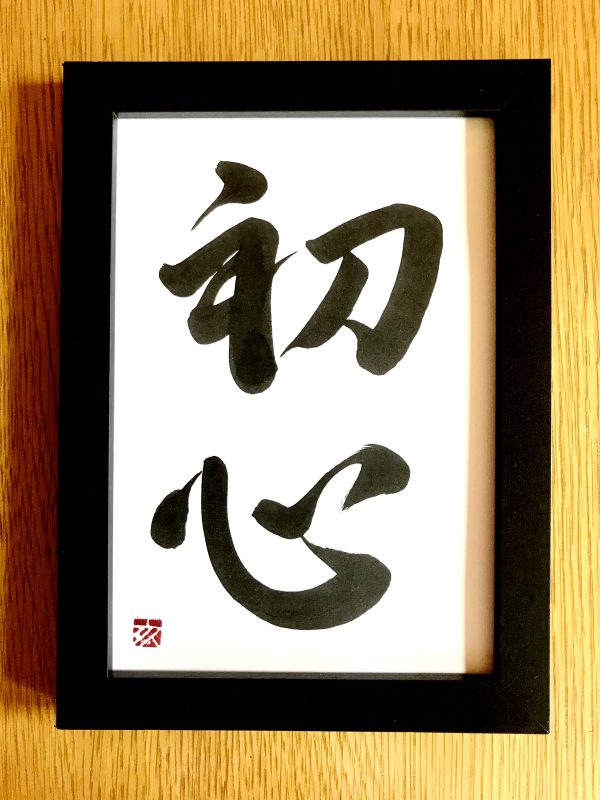
初 = for the first time, in the beginning. (This is the same kanji as 初め hajimé, meaning “for the first time”, as in the common Japanese greeting 初めまして hajimémashité.) 心 = heart, mind Having a “Beginner’s Mind” means viewing a situation from a fresh perspective, staying humble, and understanding that there is always moreContinueContinue reading “初心 (shoshin) “beginner’s mind””
森林浴 (shin-rin-yoku) “forest-bathing”

森林 = forest (look at all the 木 trees in these 2 kanji!) 浴 = bathing Literally translating as “forest-bathing”, 森林浴 shin-rin-yoku refers to spending time in a forest for mental and physical relaxation.
道 (dō) “Way”, “Route”, “The Tao”
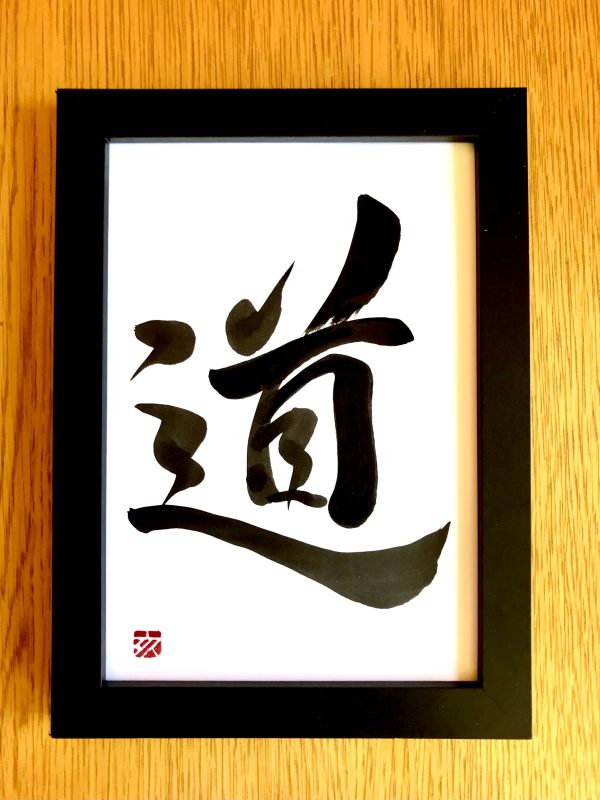
This is the “-dō” in the Japanese martial arts of judō, kendō and aikidō, as well as shodō (calligraphy), sadō (tea ceremony) and many others. Loosely translated, it means “way”, “route”, “path” or “doctrine”. My calligraphy teacher said that studying a Japanese art is considered similar to taking a journey up a mountain. The summitContinueContinue reading “道 (dō) “Way”, “Route”, “The Tao””
陰陽 (in-yō) “yin-yang”

Yin is dark, cold, receptive, magnetic. Yang is light, hot, giving, active. Yin and Yang are relative. The element of water is usually considered very Yin, but fast-moving water is Yang compared to still water. Both are present in everything. Rather than being opposites, they are two sides of the same coin. A cup isContinueContinue reading “陰陽 (in-yō) “yin-yang””
喫茶去 (kissako) “Please have a cup of tea”
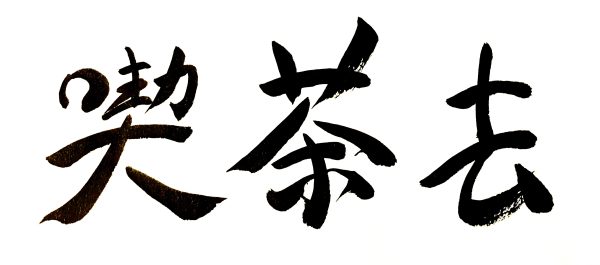
喫 = drink 茶 = tea 去 = leave “Drink tea and leave”? Not exactly. The intention of this 3-character idiom isn’t to tell someone to go away after they’ve drunk some tea, but rather to welcome all guests to have a cup of tea before they leave. This idiom comes from a Chinese ZenContinueContinue reading “喫茶去 (kissako) “Please have a cup of tea””
守破離 (shu-ha-ri) “Follow the rule, break the rule, be the rule!”
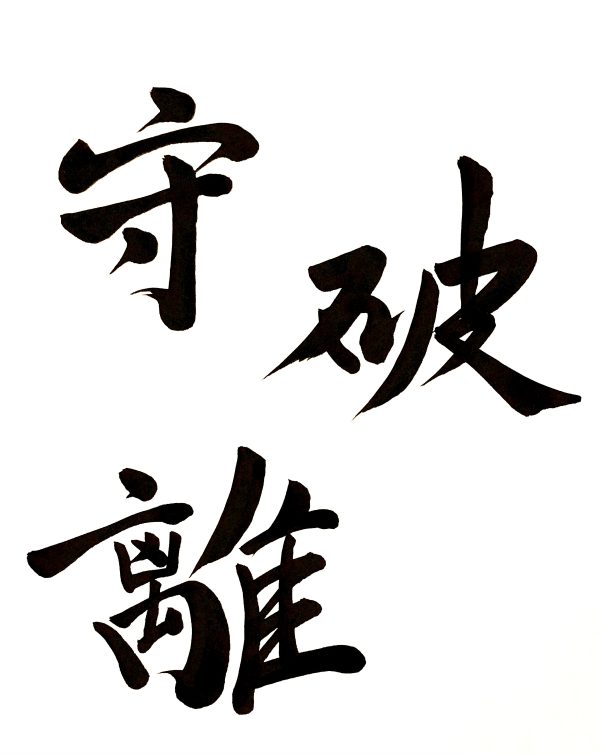
守破離 “Shu-ha-ri” describes the 3-stage process of learning a skill or discipline. This 3-character idiom was originally a martial arts concept, but can apply to pretty much any discipline. The 3 stages are as follows: Stage 1: 守 = follow This is the beginning stage, when the student is learning the techniques. This stage isContinueContinue reading “守破離 (shu-ha-ri) “Follow the rule, break the rule, be the rule!””
生き甲斐 (iki-gai) “reason for living”
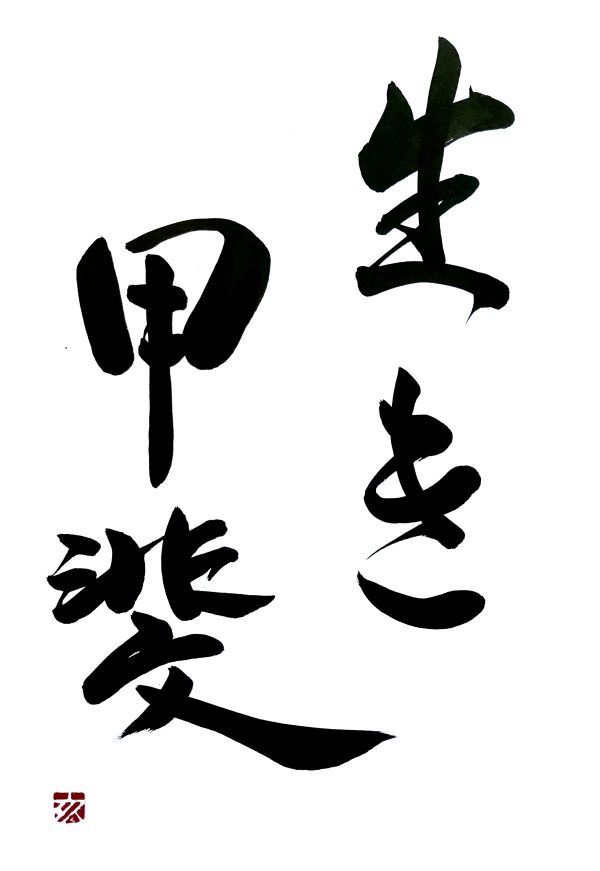
Now in the Oxford English Dictionary, “Ikigai” is defined as “a motivating force; something or someone that gives a person a sense of purpose or a reason for living” Whilst this concept has existed in Japanese culture for a long time, it was popularised by a Japanese psychiatrist Mieko Kamiya in the 1960s. More recently it hasContinueContinue reading “生き甲斐 (iki-gai) “reason for living””
粋 (iki) “understated elegance”
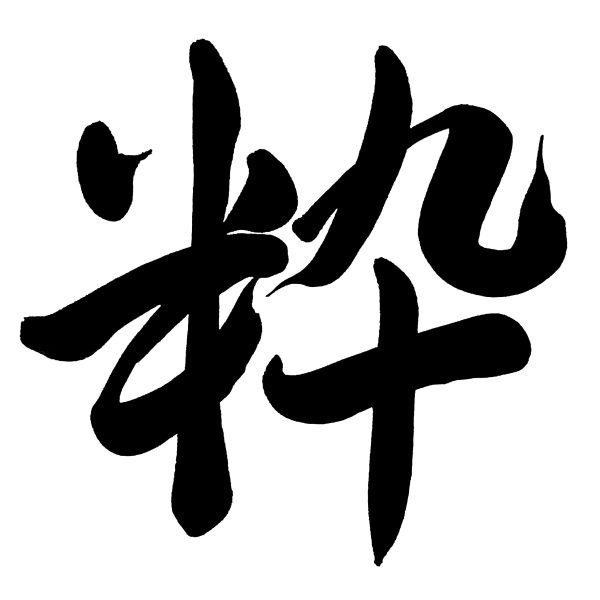
“Iki” is a Japanese aesthetic ideal. It refers to subtle elegance and sophistication. One of the aspects of iki is caring about the sensibilities of others. What you wear should make others feel comfortable, and wearing stylish clothing is a way of respecting those around you. This doesn’t mean that you can’t wear what youContinueContinue reading “粋 (iki) “understated elegance””
無常 (mujō) “impermanence”
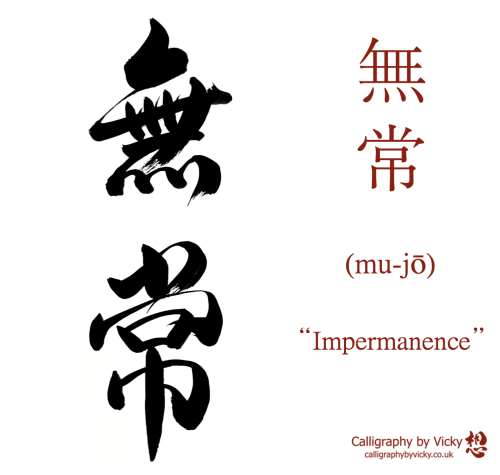
“Western aesthetics is sometimes familiar with simplicity, asymmetry and suggestion, but the idea that beauty lies in its own vanishing is an idea much less common. Perishability remains, however, what [Donald] Keene has called the ‘the most distinctively Japanese aesthetic ideal’. It is certainly among the earliest, being based on the Buddhist concept of “mujō”…ContinueContinue reading “無常 (mujō) “impermanence””
 Calligraphy by Vicky