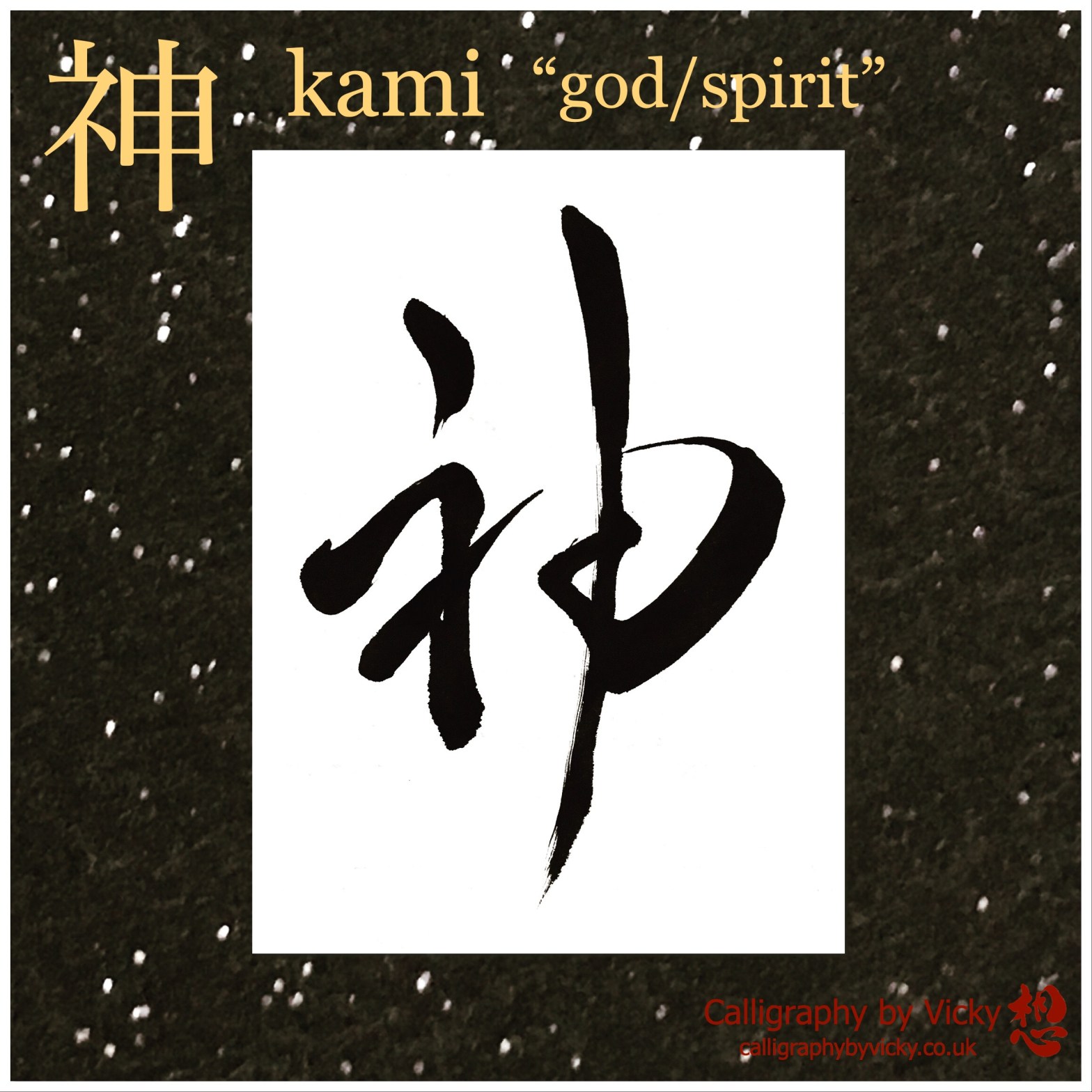
In a previous post I talked about 結 (musubi), the relationships that tie humans together. These 結 musubi refer to the interconnecting energy of the universe. Japanese kami (divine spirits) are thought to be manifestations of this energy.
結 (musu/ketsu) human relations
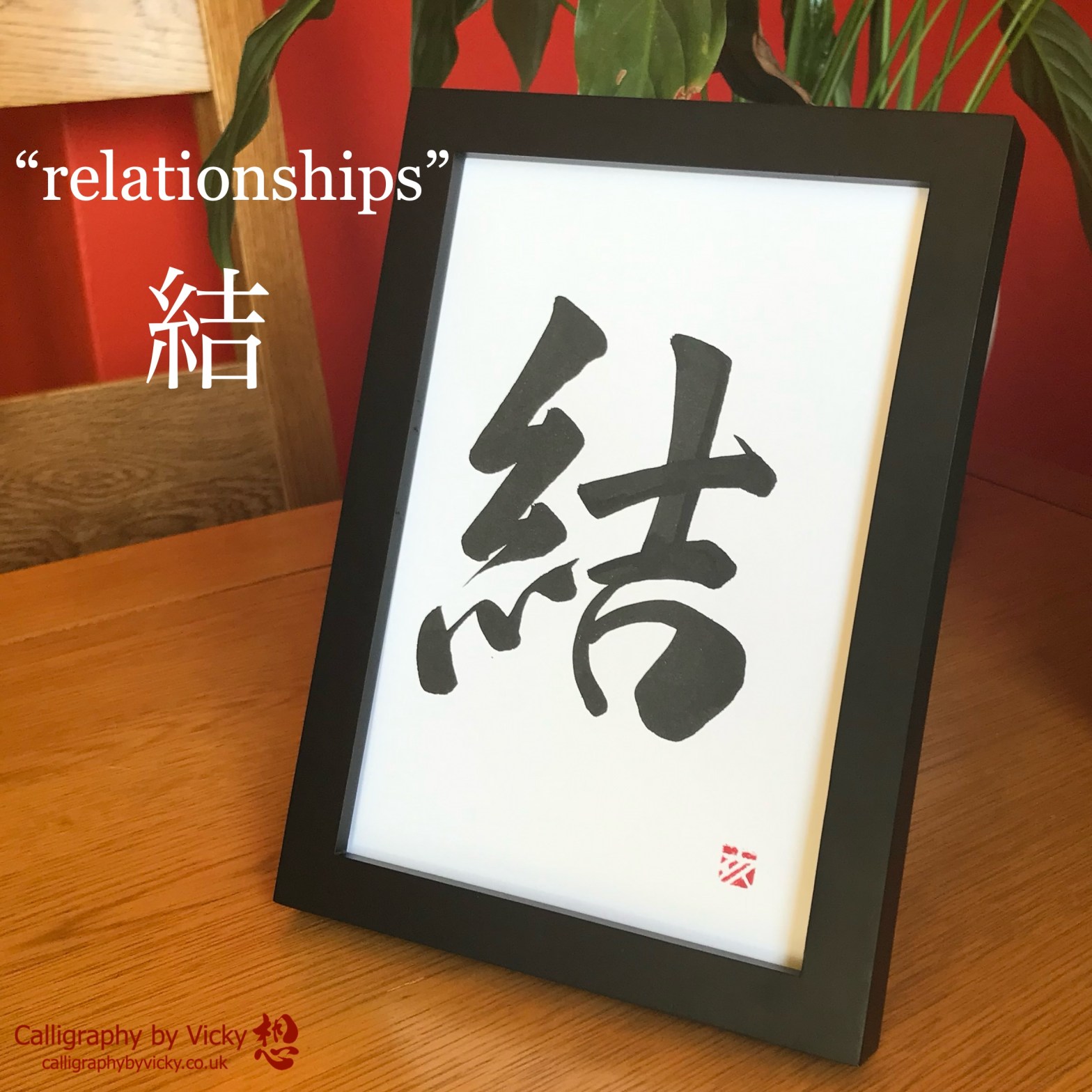
Literally meaning “tying together”, this word can be used to refer to the relationships that tie humans together, in particular romantic relationships. In Japan (as well as China and Korea) lovers who are destined to be together are thought to be joined by the “red thread of fate”. Romantic partners are often depicted with aContinue reading "結 (musu/ketsu) human relations"
皐月 (sa-tsu-ki) “May”
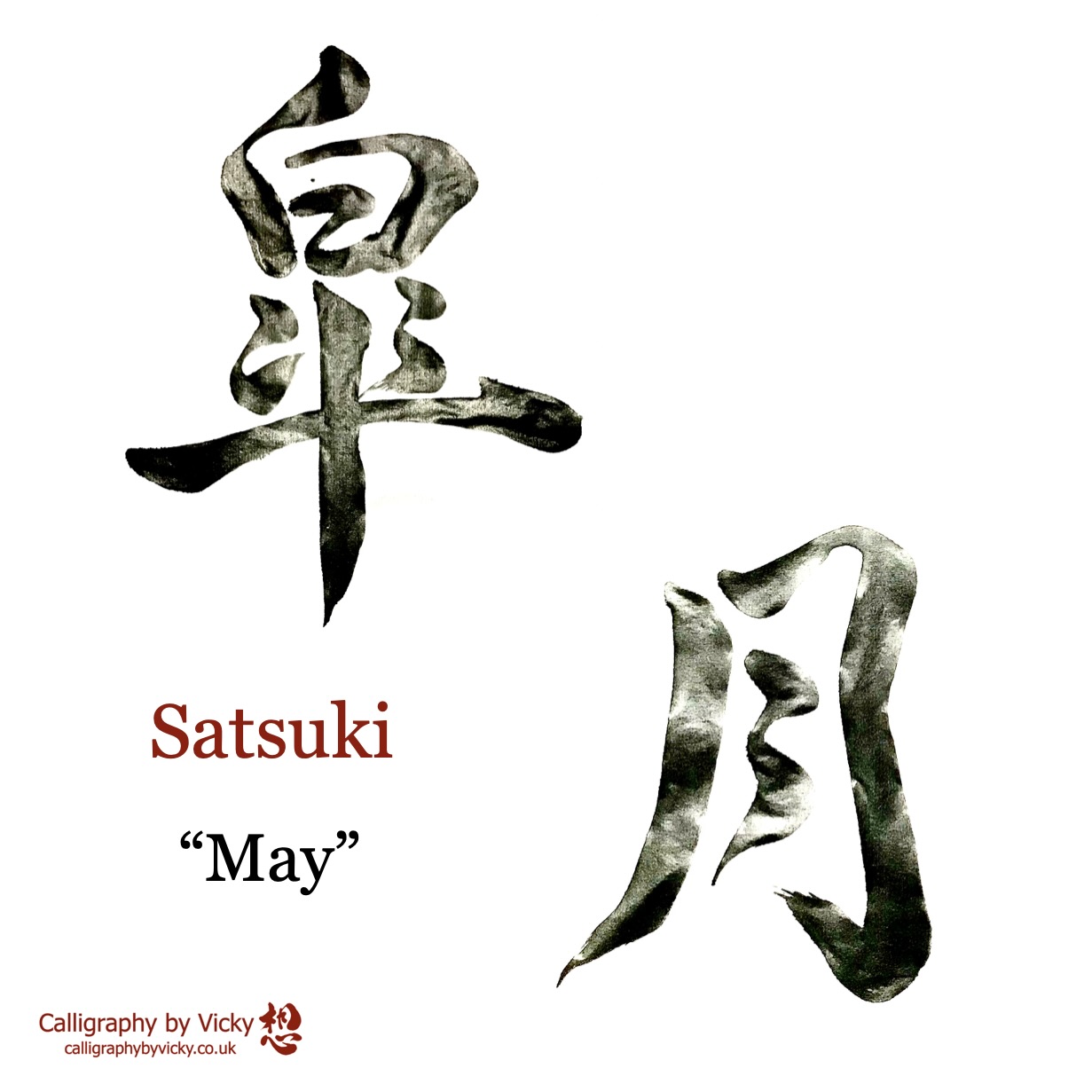
Like many countries, Japan uses a 12-month calendar. The names are very simple. January is 一月 (ichi-gatsu, literally "Month one"), February is 二月 (ni-gatsu, "Month two"), etc. However, before the Meiji Restoration (mid-1800s) it was common to use an older 12-month system. These months’ names referenced the weather and the seasons (similar to the FrenchContinue reading "皐月 (sa-tsu-ki) “May”"
Five Ways Japan is Inconvenient for Foreign Travellers — Food and Drink Edition
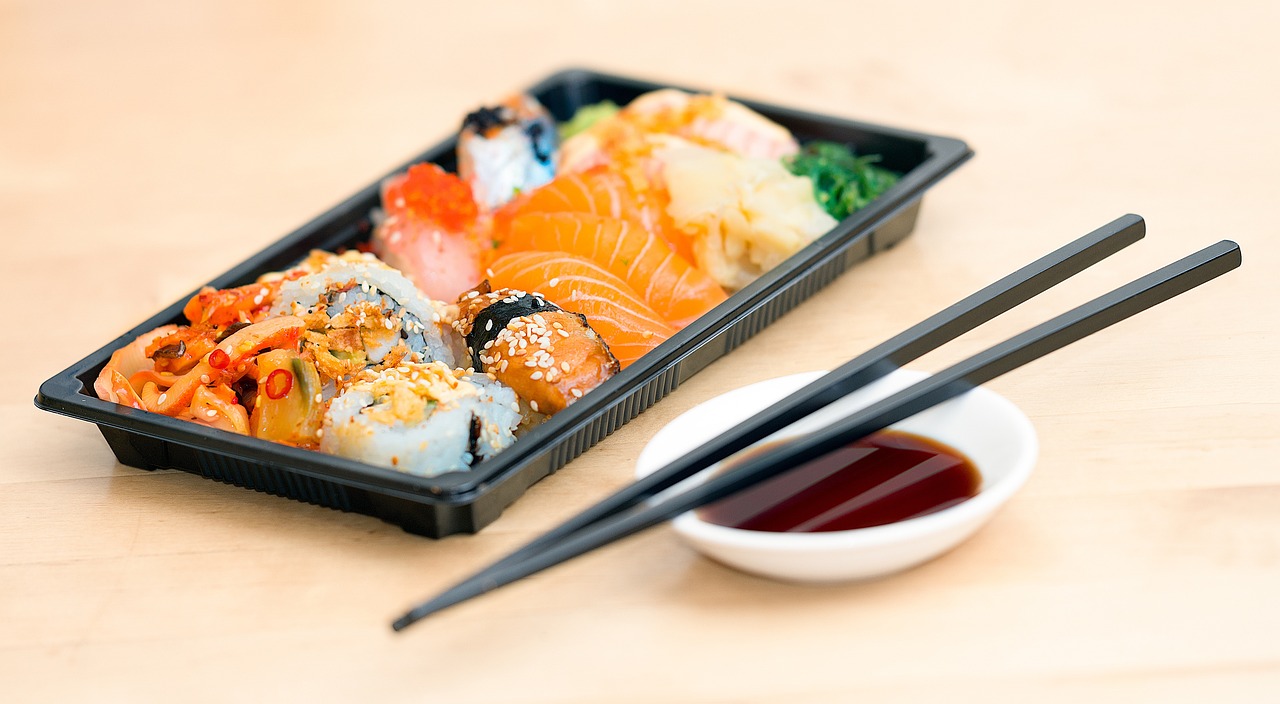
Image by Arek Socha from Pixabay Originally posted on Medium. World-famous for its unique and varied cuisine, Japan is a foodie’s paradise. There are so many must-try dishes, from home-grown dishes such as sushi and udon, to those adopted from other countries such as ramen, curry-rice and tonkatsu (fried pork cutlet). Unfortunately nowhere is perfect, and Japan can present someContinue reading "Five Ways Japan is Inconvenient for Foreign Travellers — Food and Drink Edition"
臥虎藏龍 Crouching Tiger, Hidden Dragon
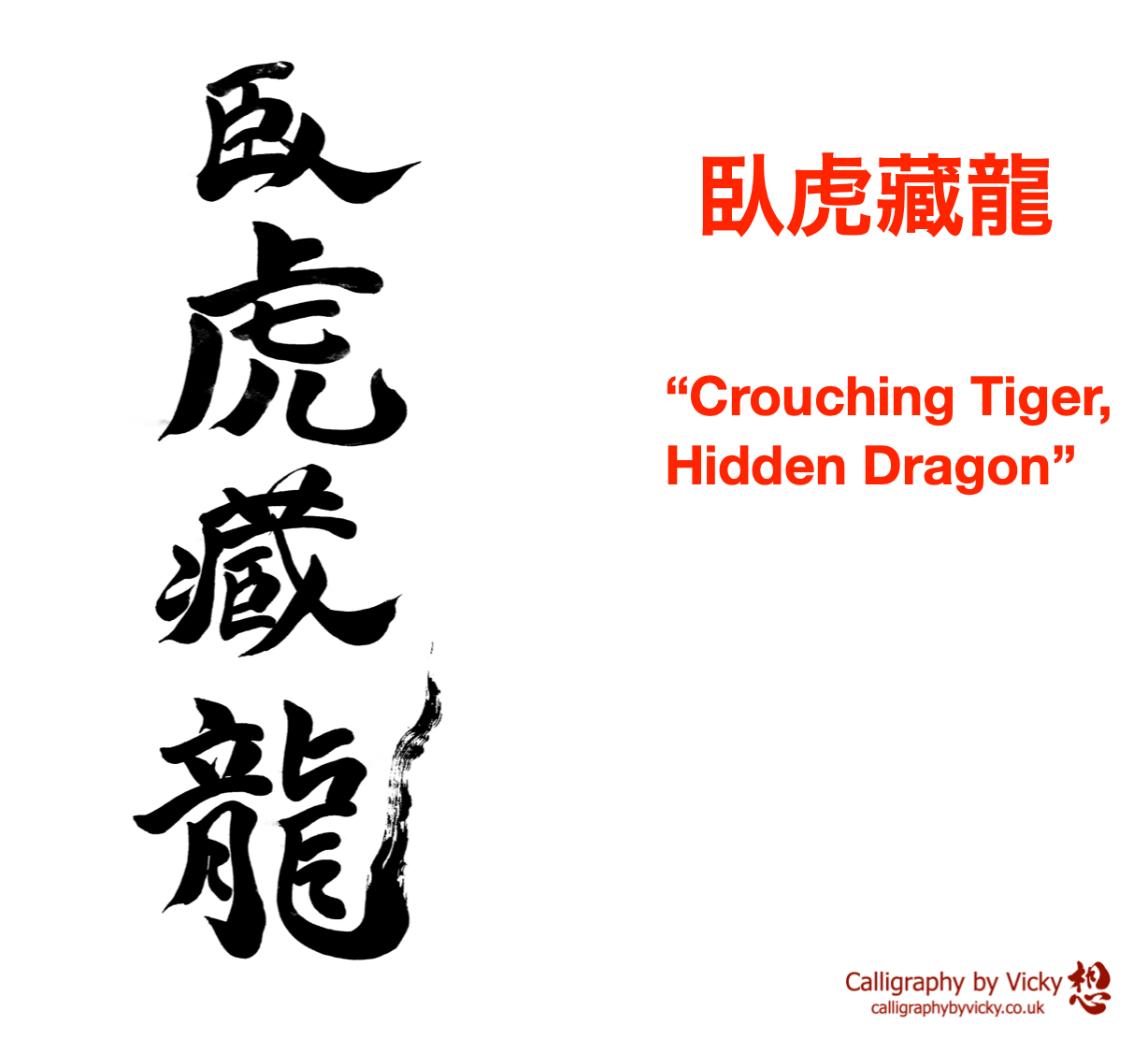
This is a Chinese idiom which describes a place that is full of talented or extraordinary people who remain hidden and undiscovered. It's also the name of the 2000 Chinese martial arts movie starring the amazing Michelle Yeoh.
まこ “Mako”
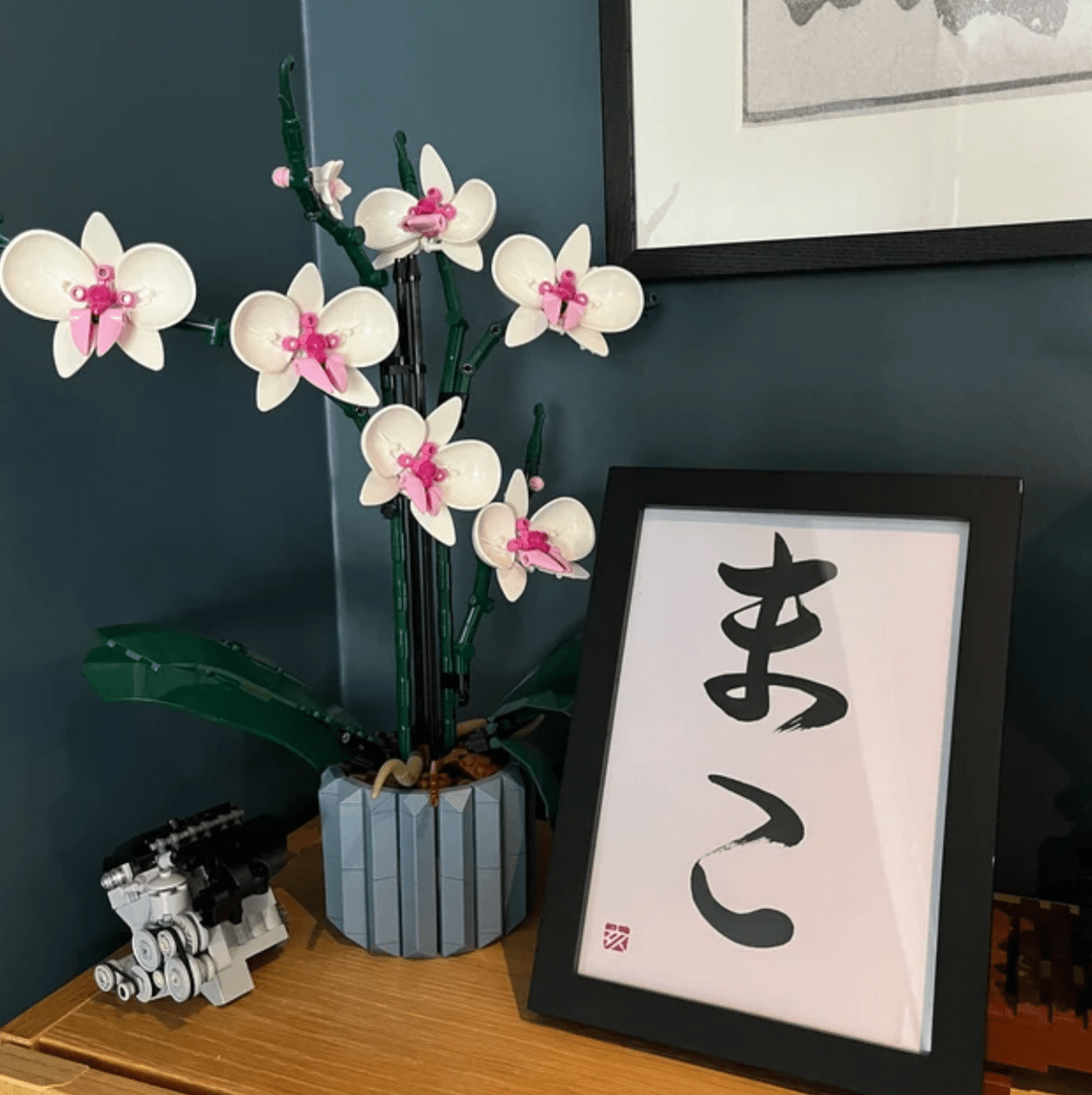
(image by client) I was very honoured to receive a commission to create this artwork. "Mako" is the name of the client's beloved cat. I love cats >^^< The name "Mako" is the nickname of the Japanese actor Makoto Iwamatsu. Because it is a Japanese name, I decided to render it in hiragana. Hiragana isContinue reading "まこ “Mako”"
桜梅桃李 (o-bai-to-ri) “never compare yourself to others”
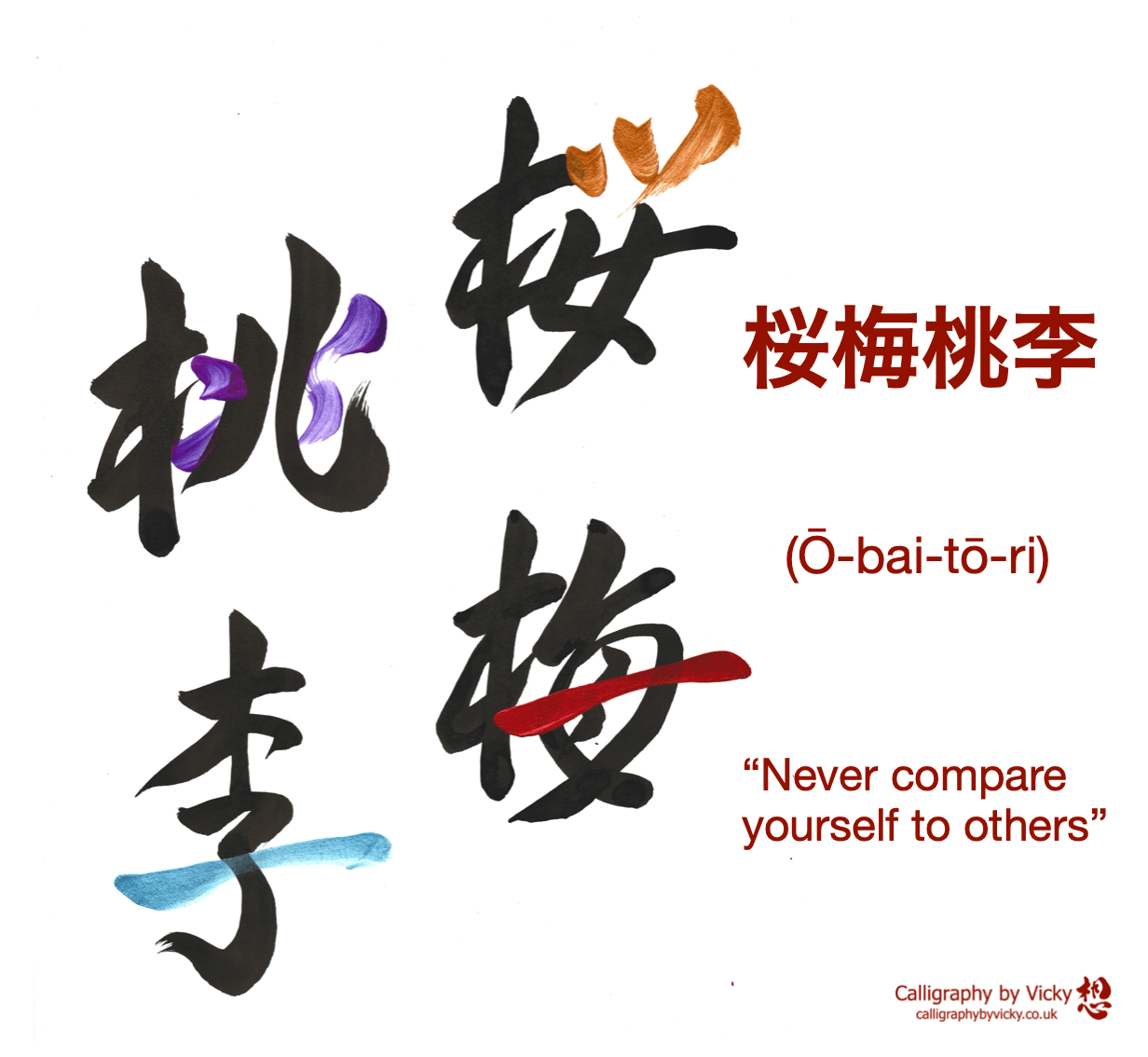
This yo-ji-juku-go (Japanese 4-character idiom) is comprised of 4 beloved Japanese trees. They are: 桜 = cherry (sakura) 梅 = apricot (ume) 桃 = peach (momo) 李 = plum (sumomo) Each of these iconic trees blossoms in its own time and in its own unique way. 桜 (sakura) are of course the cherry blossom treesContinue reading "桜梅桃李 (o-bai-to-ri) “never compare yourself to others”"
Do you Really Need to Learn Kanji for a Short Trip to Japan?
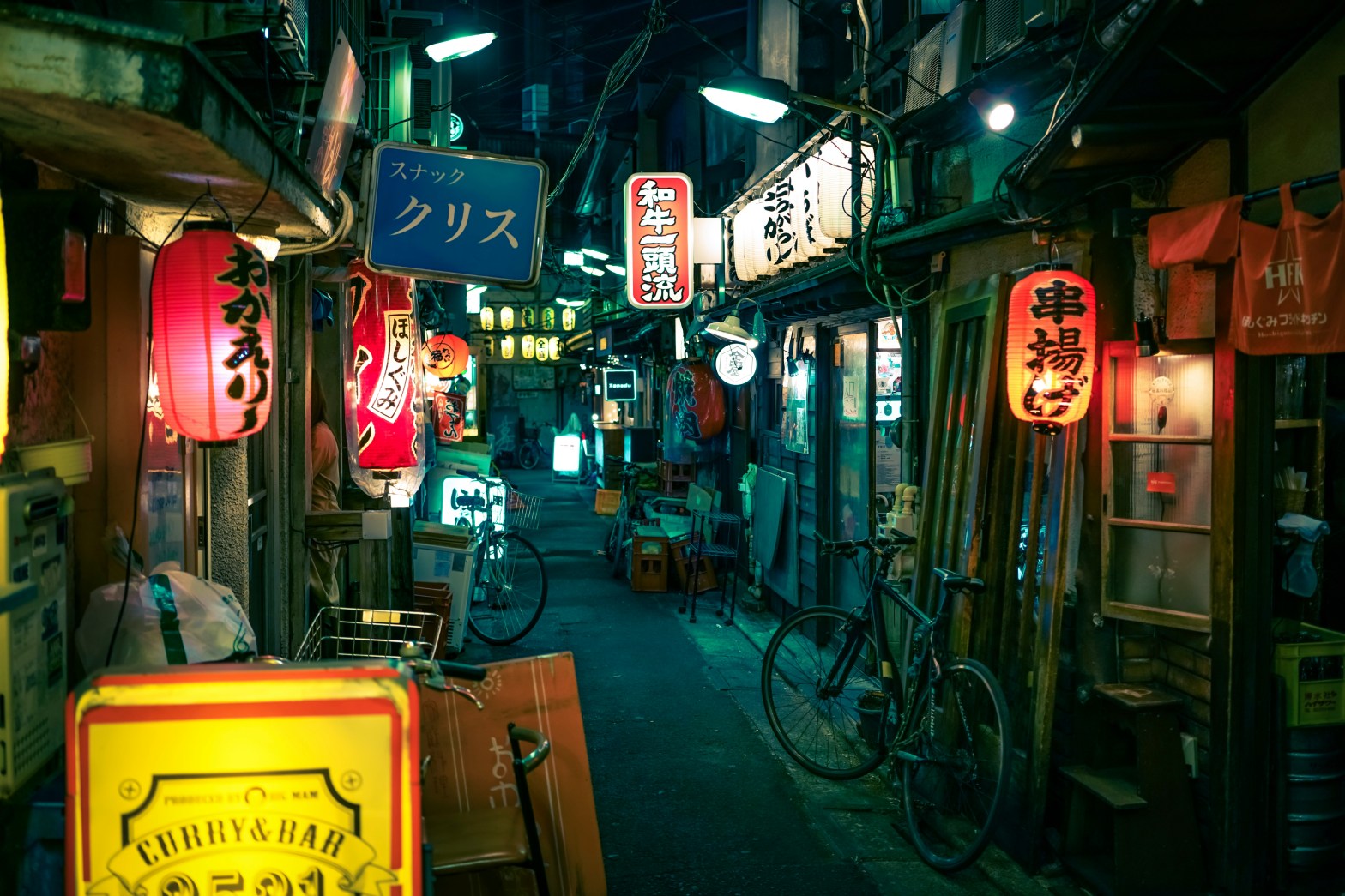
Do you need to learn these kanji? Photo by Alex Knight on Unsplash Originally posted on Medium here. Kanji, hiragana, katakana, romaji. The Japanese language uses four writing systems. (Five if you count emoji, a Japanese invention.) Hiragana and katakana are syllabaries — each character represents a phoneme rather than a word or semantic unit. They are relatively easy to learn; both syllabaries contain about 50Continue reading "Do you Really Need to Learn Kanji for a Short Trip to Japan?"
卯月(uzuki) “April” (archaic)
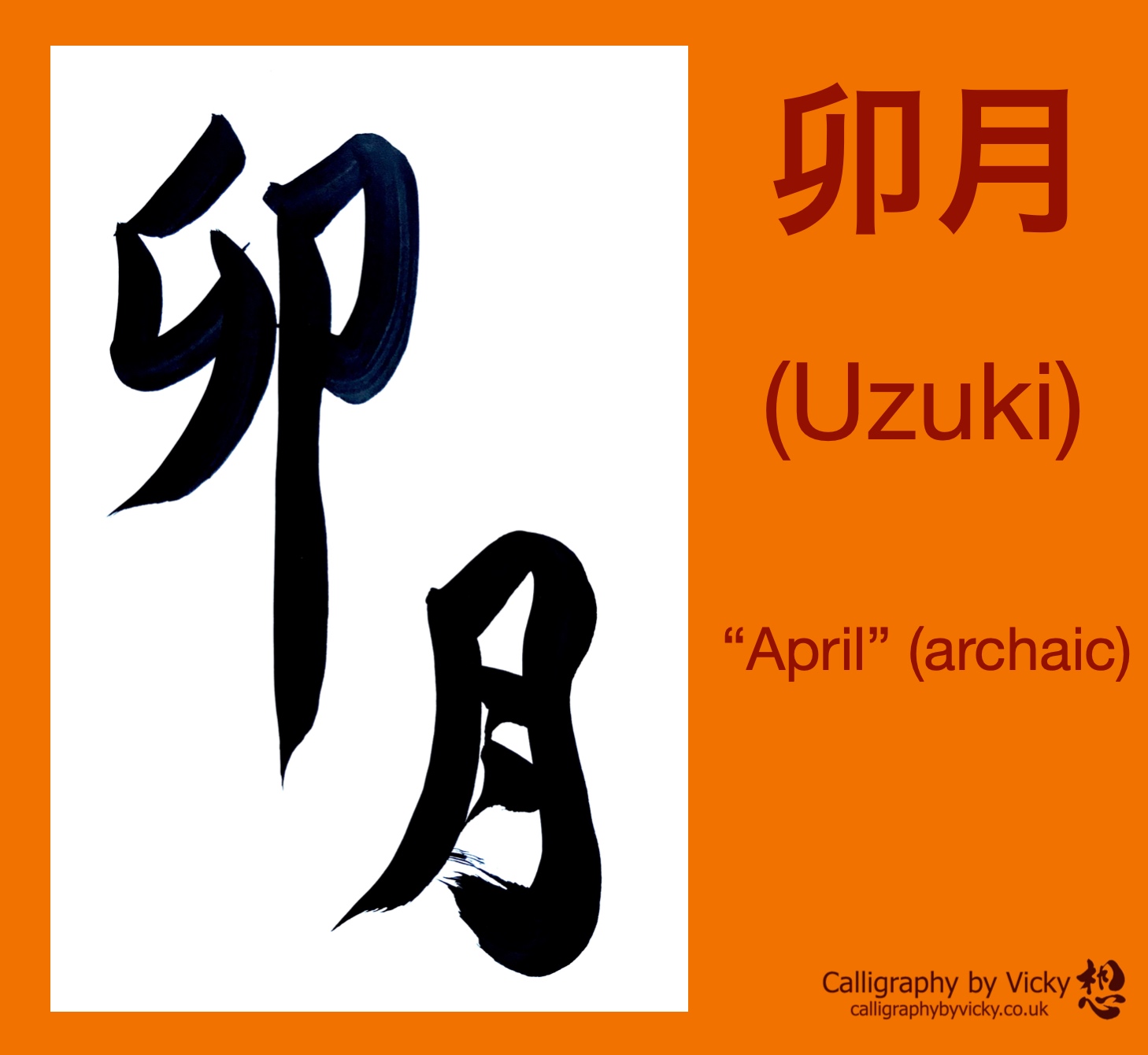
Like many countries, Japan uses a 12-month calendar. The names are very simple. January is literally "Month one" 一月, February is "Month two" 二月, etc. However, before the Meiji Restoration (mid-1800s) it was common to use an older 12-month system. These months’ names referenced the weather and the seasons (similar to the French Revolutionary calendar).Continue reading "卯月(uzuki) “April” (archaic)"
春分 (shun-bun) “Spring Equinox”
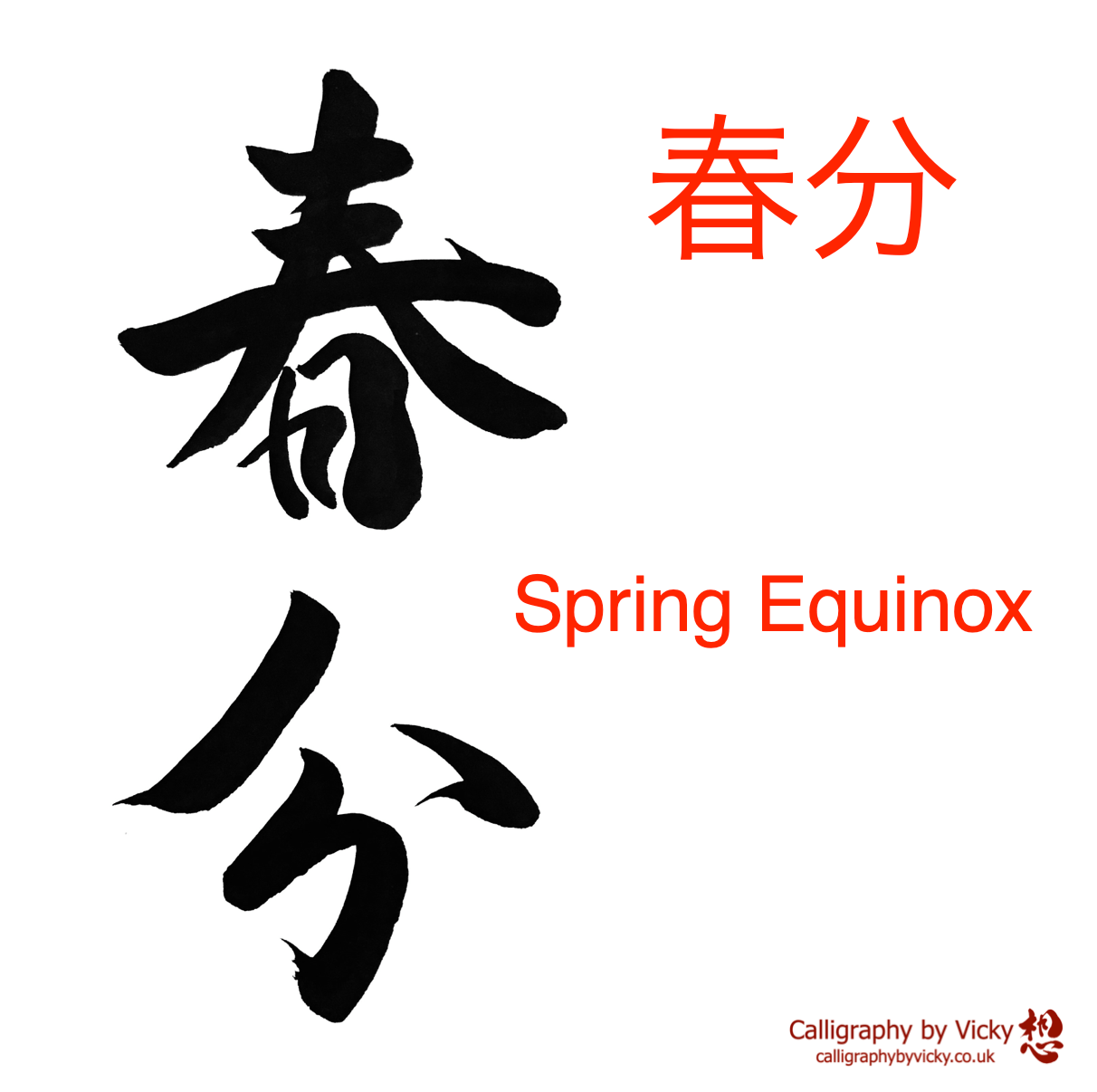
In Japan, Spring Equinox is a national holiday. The week which contains Spring Equinox is called “o-higan”. This has connections with Buddhism, and on this day many people visit spend time with their families and visit their family grave. “Bota-mochi” (rice cake covered in sweet bean paste) is traditionally eaten on this day.
 Calligraphy by Vicky