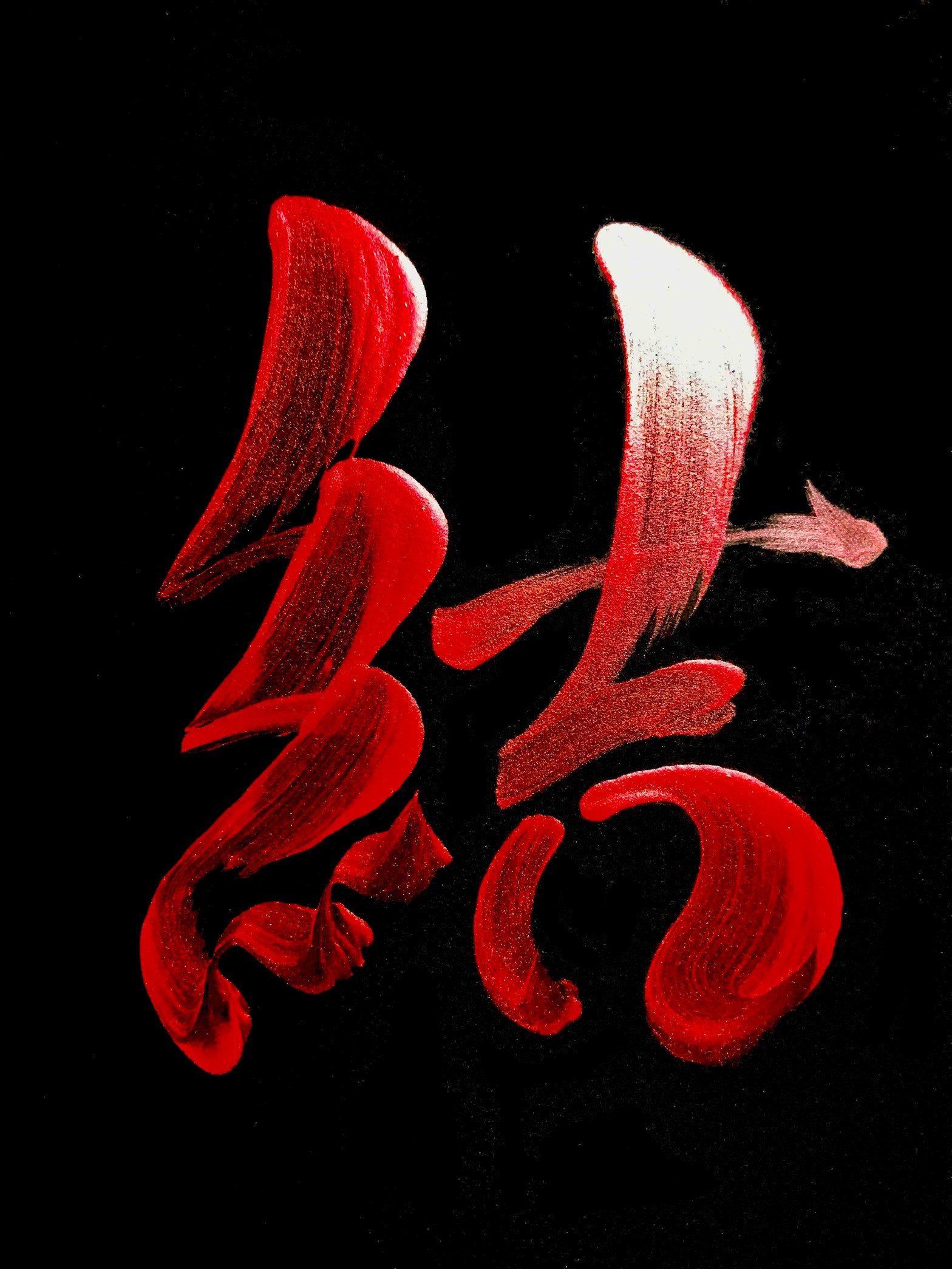
Literally meaning “tying together”, this word can be used to refer to the relationships that tie humans together, in particular romantic relationships. In Japan (as well as China and Korea) lovers who are destined to be together are thought to be joined by the “red thread of fate”. Romantic partners are often depicted with aContinueContinue reading “結 (musubi) “relationships””
Tag Archives: Japanese words
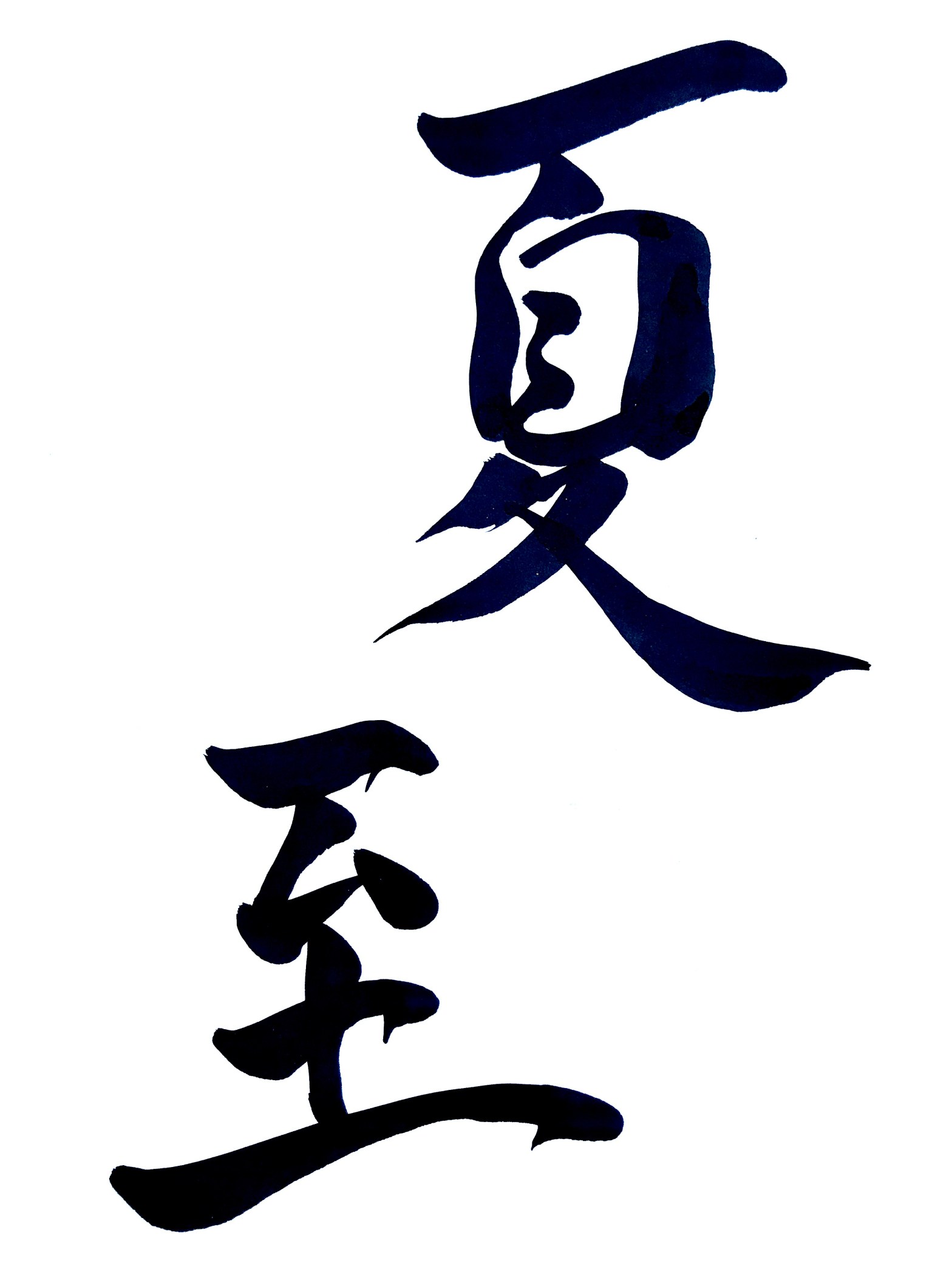
夏至 (ge-shi) “summer solstice”
龍 (ryū) “dragon”
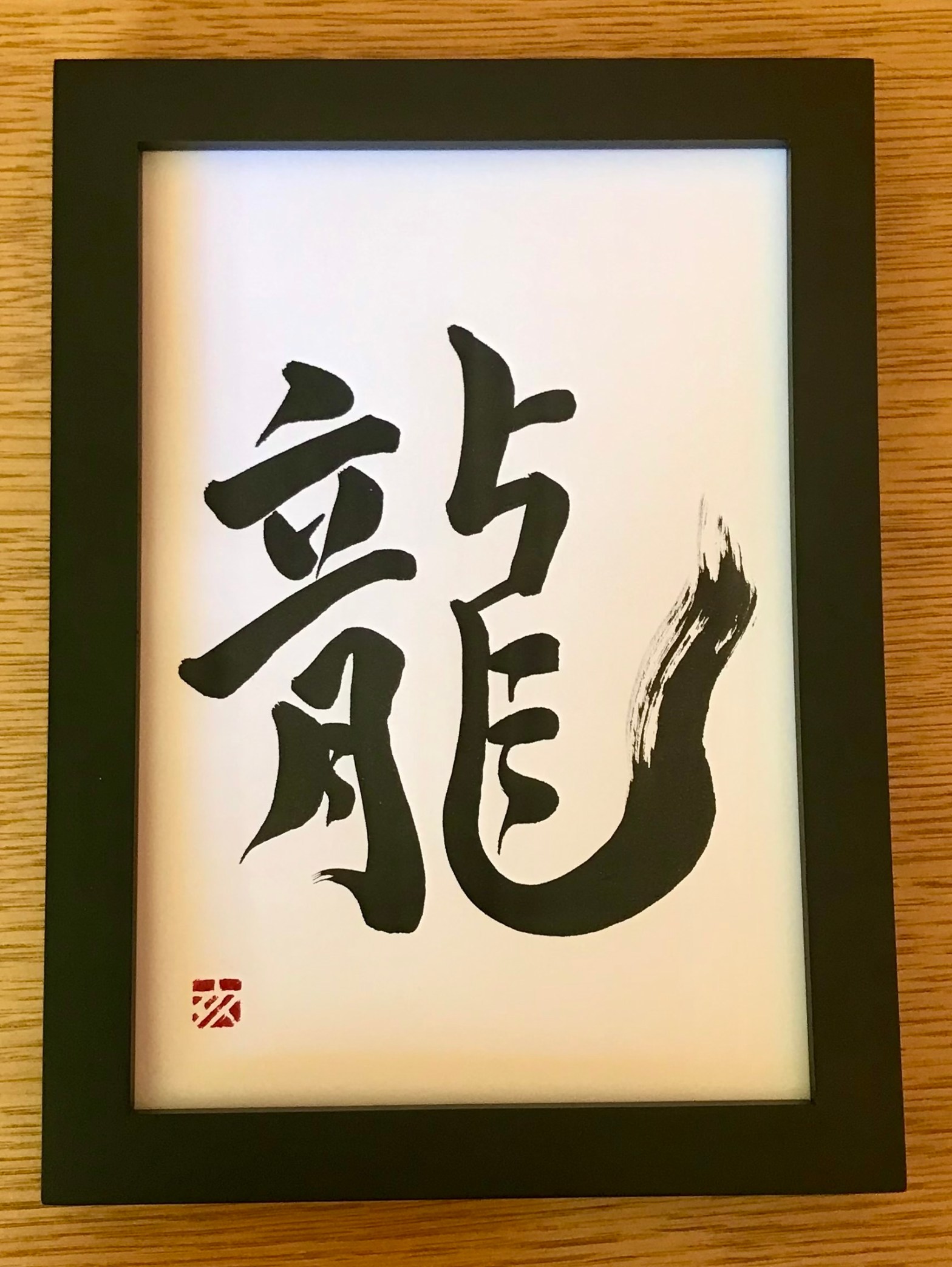
If you visit a shrine or temple in Japan, look up at the ceiling of the main room. Often there will be a painting of a dragon. One reason is that dragons represent the virtue of courage. Another, more superstitious, reason is that dragons are associated with the element of water, and so are aContinueContinue reading “龍 (ryū) “dragon””
龍 (ryū) “dragon”
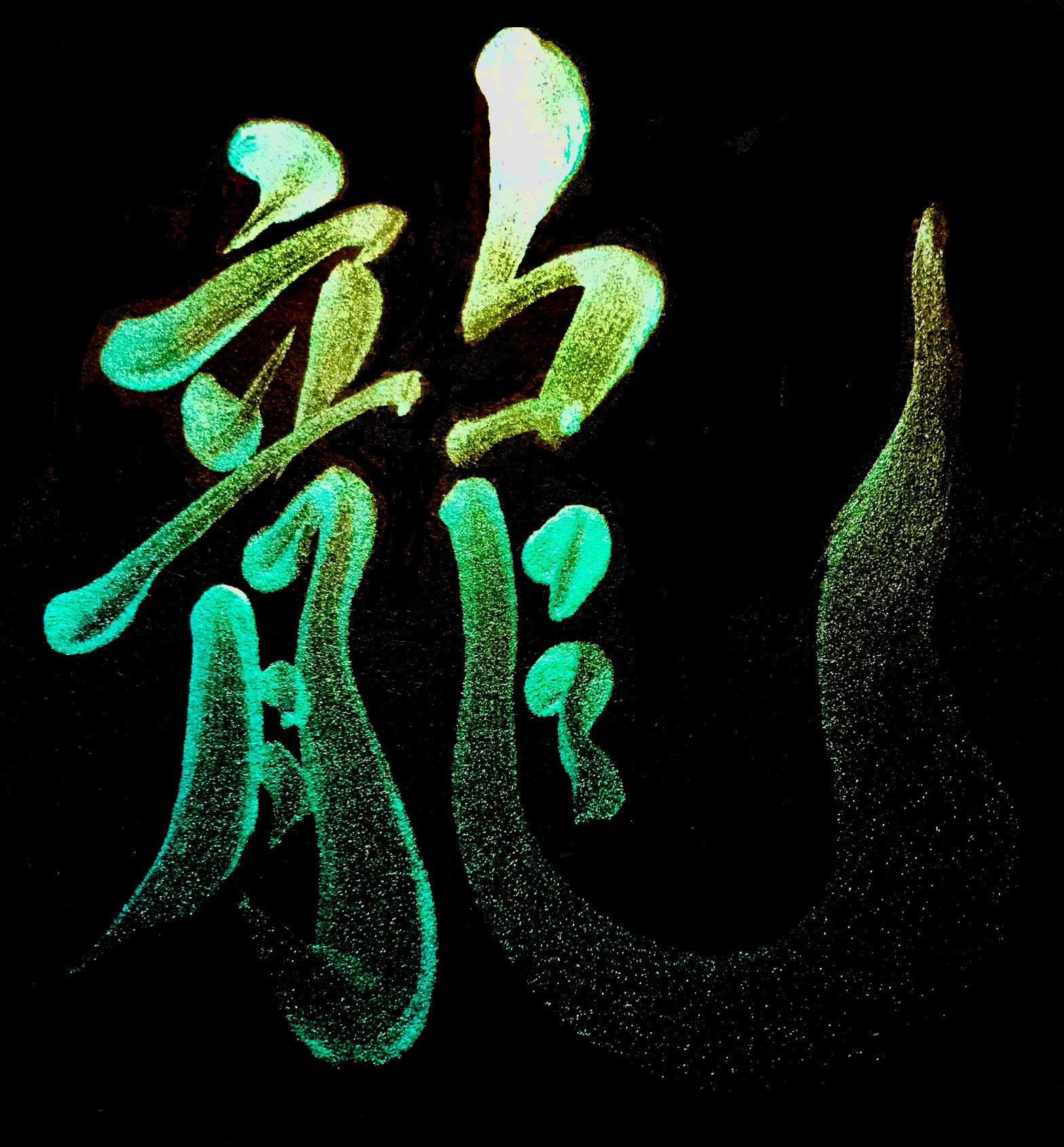
If you visit a shrine or temple in Japan, look up at the ceiling of the main room. Often there will be a painting of a dragon. One reason is that dragons represent the virtue of courage. Another, more superstitious, reason is that dragons are associated with the element of water, and so are aContinueContinue reading “龍 (ryū) “dragon””
恵 (megumi) “blessed”

“Megumi” is often used to describe a situation that is full of something positive. For example, “a field full of flowers” could be said like this: 「花に恵まれたこの野」 (literally, “a field blessed with flowers”). It’s also a fairly common girls’ name. The above artwork is available on my Etsy shop here. WordPress users get 15% offContinueContinue reading “恵 (megumi) “blessed””
恵 (megumi) “blessed”

“Megumi” is often used to describe a situation that is full of something positive. For example, “a field full of flowers” could be said like this: 「花に恵まれたこの野」 (literally, “a field blessed with flowers”). It’s also a fairly common girls’ name.
ウサギちゃん bunny (actually “bnuy”…. or maybe “bnuny”…???)
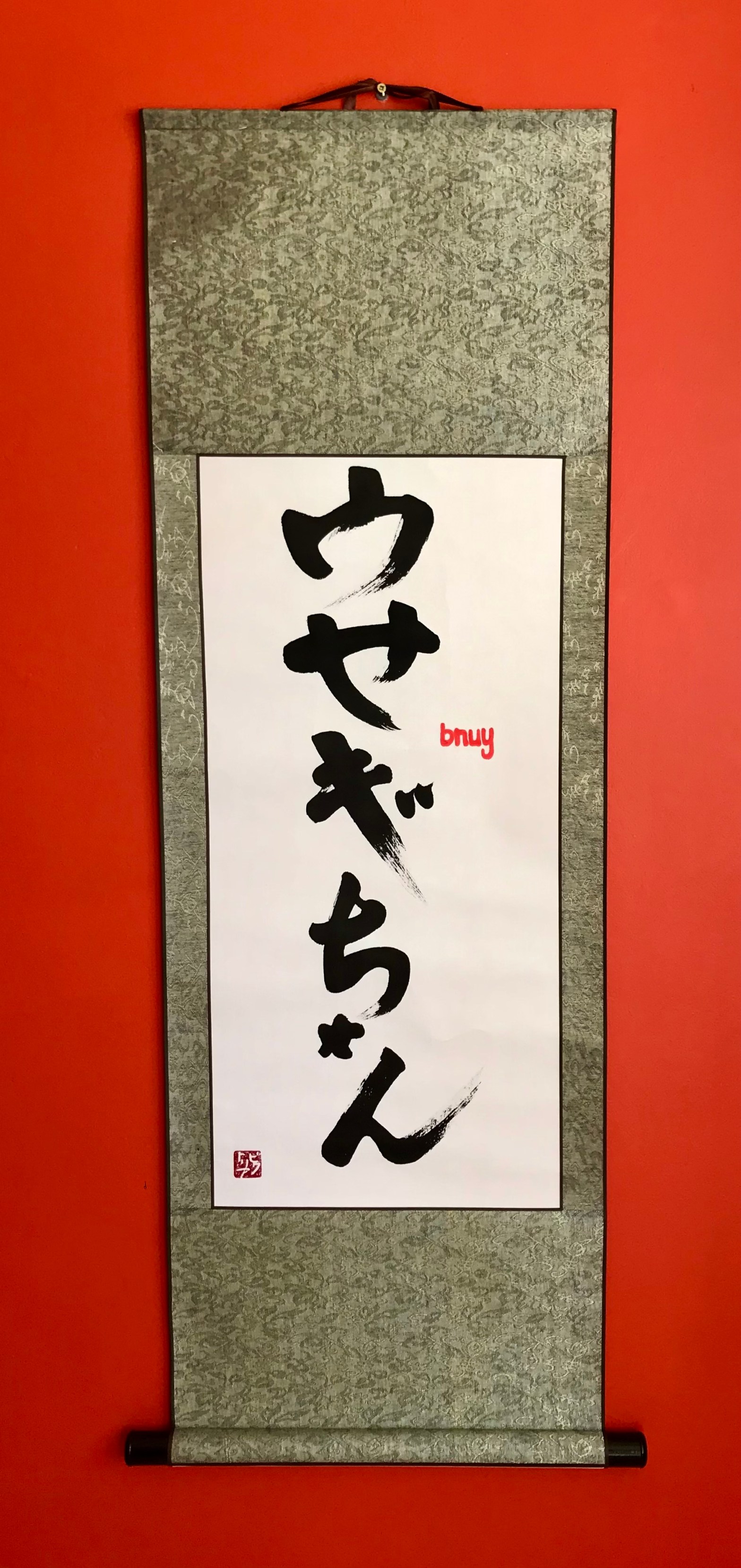
A friend commissioned me to create a Japanese calligraphy piece as a gift for someone who likes the word “bunny”, but always intentionally misspells it “bnuy” or “bnuny”. The question is, how to interpret an English misspelling in Japanese? My solution is as follows: “rabbit” = 「ウサギ」 (“usagi”) 2. Putting 「ちゃん」 (“chan”) after it makesContinueContinue reading “ウサギちゃん bunny (actually “bnuy”…. or maybe “bnuny”…???)”
忠義 (chūgi) “responsibility” – the seventh virtue of 武士道 (bushidō)
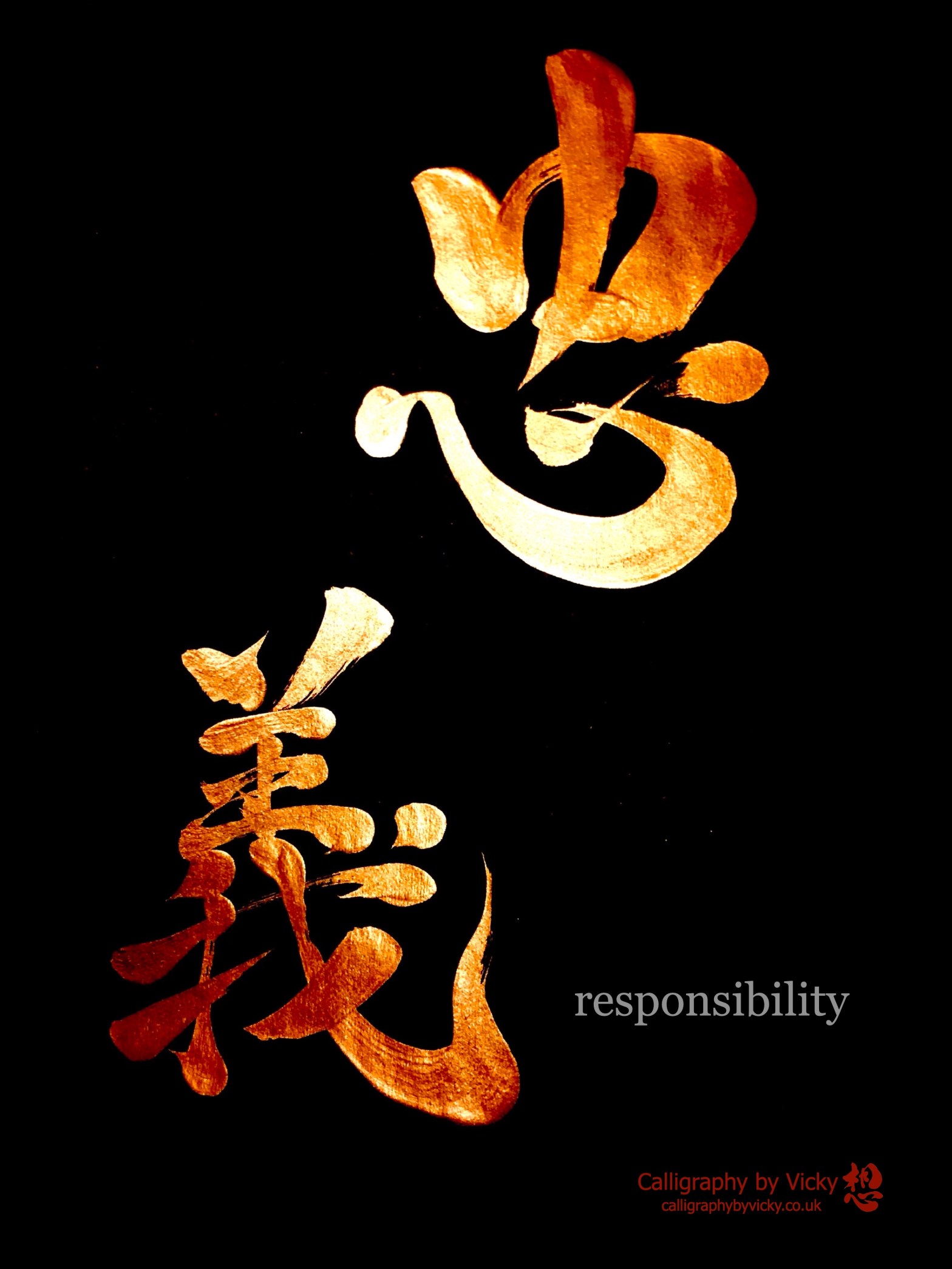
The seventh virtue is “The Duty of Loyalty”, which I have translated as “responsibility”.
In its simplest form, “the Duty of Loyalty” refers to the fierce loyalty that samurai had to their lords and their clan.
I have translated this as “responsibility” because this implies far more than just standing by one’s superiors and coworkers.
We are all part of something bigger than ourselves, be it a family group, a company, or wider society. We all have responsibilities to others. “Responsibility” also means being responsible to oneself and any projects or undertakings that one has agreed to.
名誉 (meiyo) “reputation” – the sixth virtue of 武士道 (bushidō)
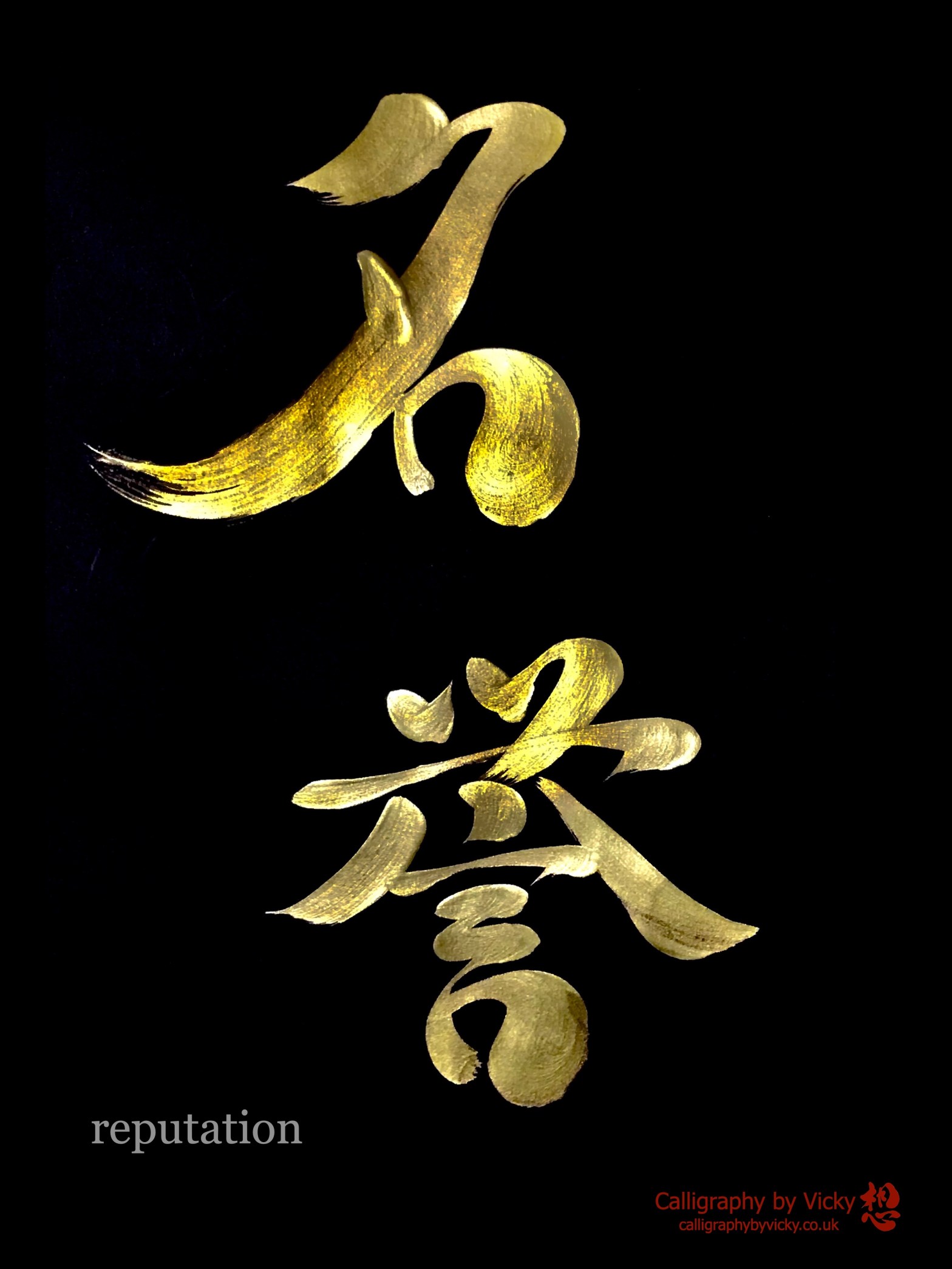
The sixth virtue is “Honour”, which I have translated as “reputation”.
In popular fiction, samurai value honour over life itself. If a samurai was captured in battle, the story goes, he was expected to kill himself rather than suffer the shame of defeat.
Even in modern Western societies, how we are viewed in the eyes of others is integral for successful friendships, business relationships, and other types of human connection.
I have “translated” this virtue as “reputation”, because this is more realistic and nuanced than dividing actions into either “honourable” or “shameful”.
仁 (jin) “compassion” – the third virtue of 武士道 (bushidō)

The third virtue is “Benevolence, the Feeling of Distress”, which I have translated as “Compassion”.
These 8 virtues were first mentioned in Nitobe Inazao’s 1899 book “Bushido: the Soul of Japan”.
Nitobe writes: “Benevolence to the weak, the downtrodden or the vanquished, was ever extolled as peculiarly becoming to a samurai.” He illustrates this by recounting an event from the 12th century in which a warrior slays an adolescent (he’s pretty much compelled to because if he doesn’t do it, his comrades will), and feels so bad about it afterwards that he becomes a wandering monk.
Make of this what you will, but it does illustrate that “benevolence” is more complex than mere kindness. For this reason I have translated this virtue as “compassion”, which is more than kindness; it also requires seeing the “larger picture”, and understanding the world from others’ points of view.
 Calligraphy by Vicky