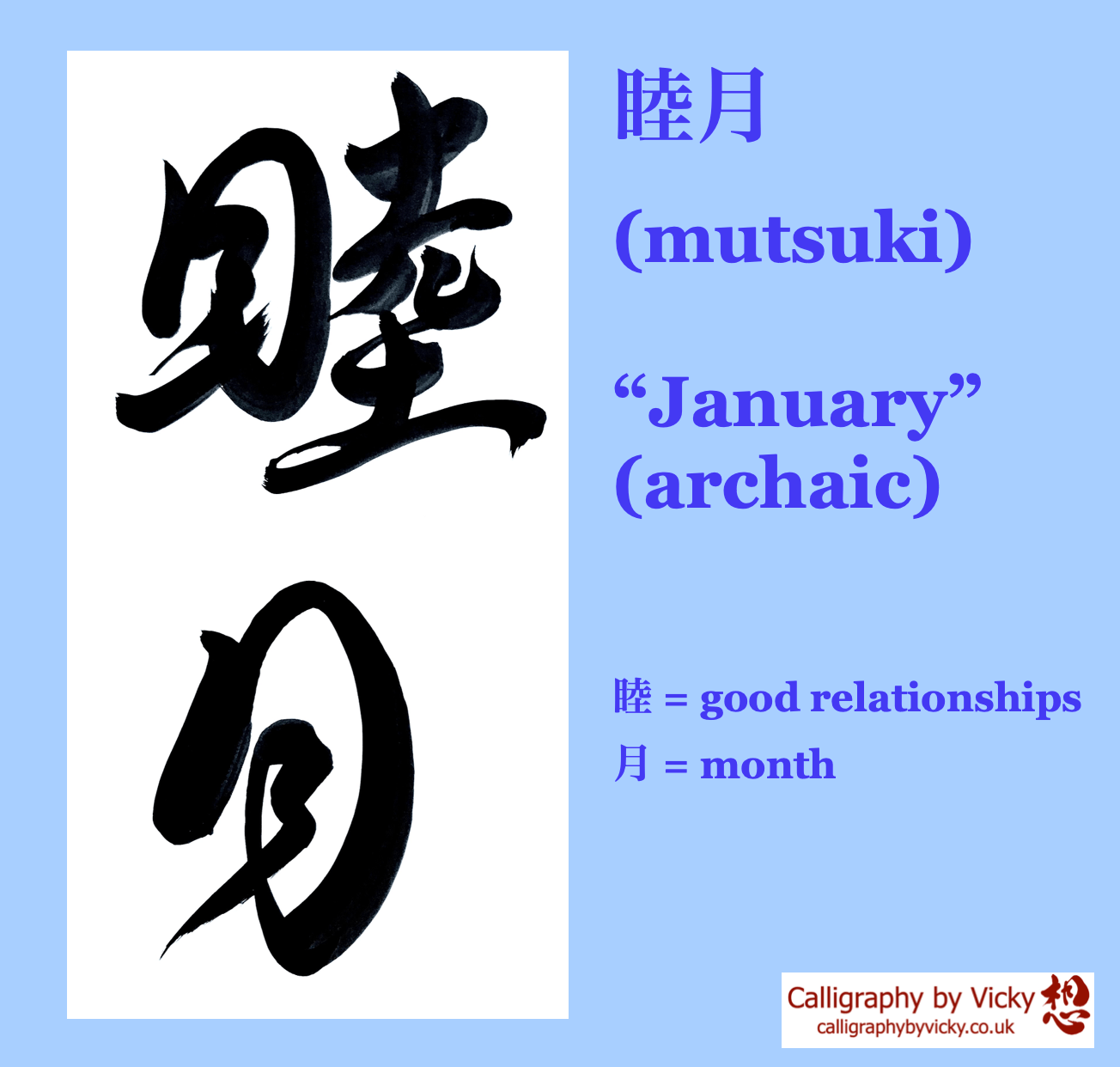
睦 = good relationships 月 = month The modern Japanese word for January is 一 (literally “1st Month”), however in the old-fashioned calendar this was known as 睦月, or “the month for good relationships”. The January New Year’s period is the longest and most important holiday in the Japanese calendar. Most Japanese people visit theirContinueContinue reading “睦月 (mu-tsu-ki) “January” (archaic)”
Tag Archives: Japanese language
辰 (tatsu) “dragon” (in the Chinese zodiac)

2024 is the Year of the Dragon. The usual Japanese way of writing “dragon” is 龍, but if you’re talking about the dragon in the Chinese Zodiac, it’s a different character – 辰. The Year of the Dragon is said to bring growth, abundance and good fortune. Here’s to an abundant and fortunate 2024 🙂
あけおめ! (a-ké-o-mé) “Happy New Year!”
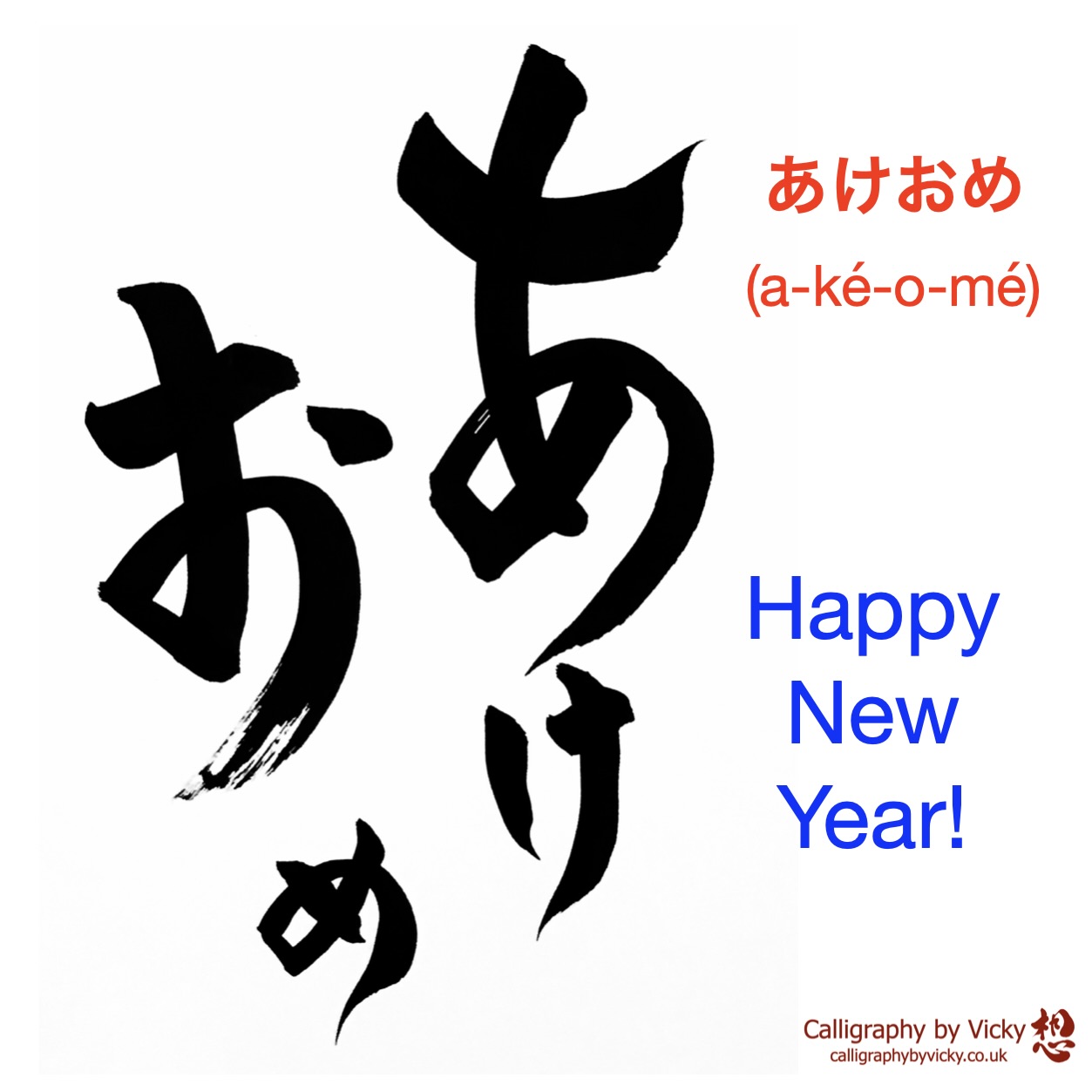
To wish someone “Happy New Year” in Japanese, say: あけましておめでとうございます! (a-ké-ma-shi-té o-mé-dé-tō go-zai-masu) Or, more casually, take the first 2 syllables from each word and say: あけおめ! (a-ké-o-mé)
方と気 Form & Energy
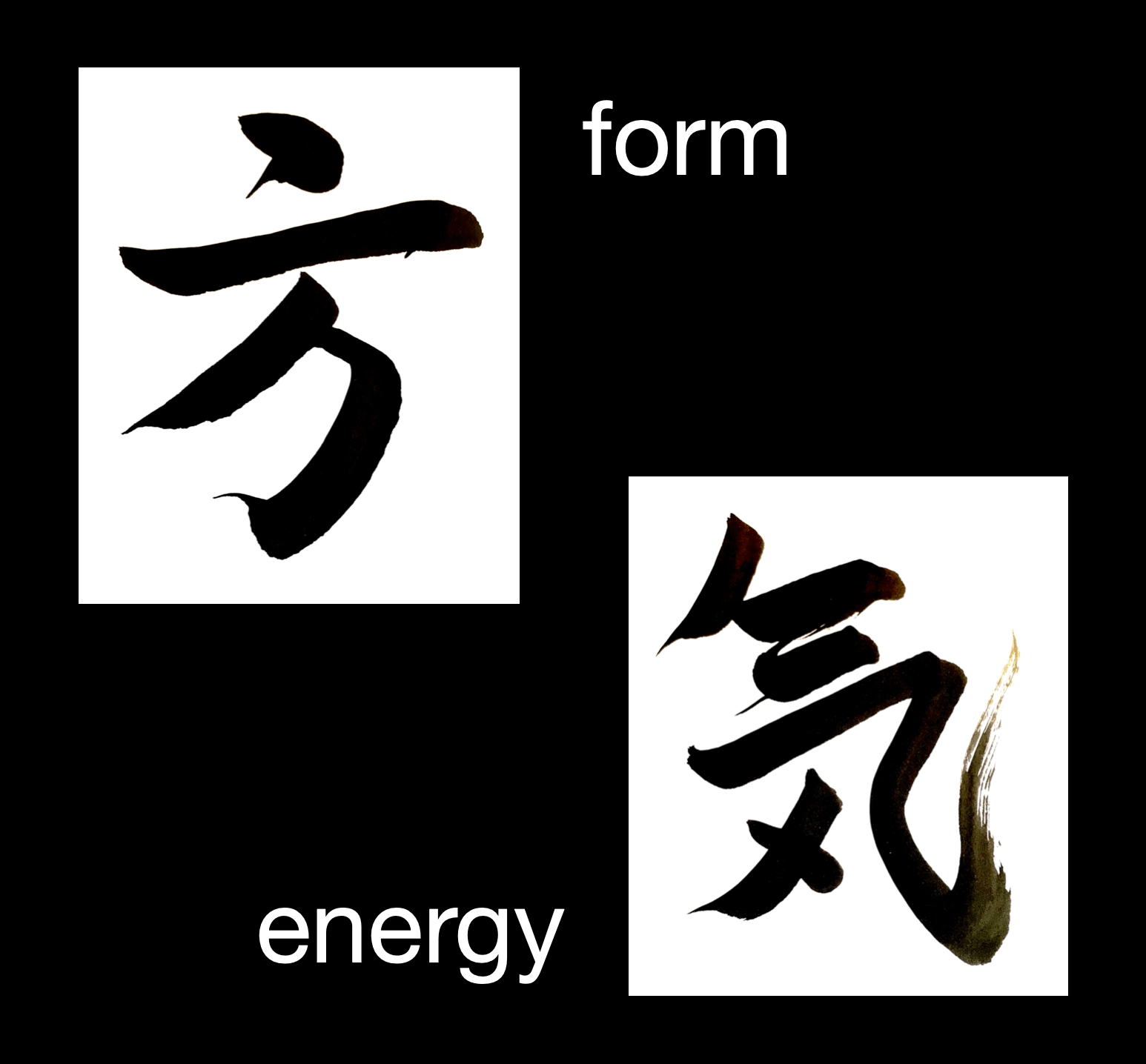
The poet William Blake proposed that two types of people exist: the “energetic creators” and the “rational organizers”, or, as he calls them in The Marriage of Heaven and Hell, the “devils” and “angels”. According to Blake, both are necessary to life. Often both can be found in a single person. He said we should goContinueContinue reading “方と気 Form & Energy”
愛は勝つ (ai wa katsu) “love wins”
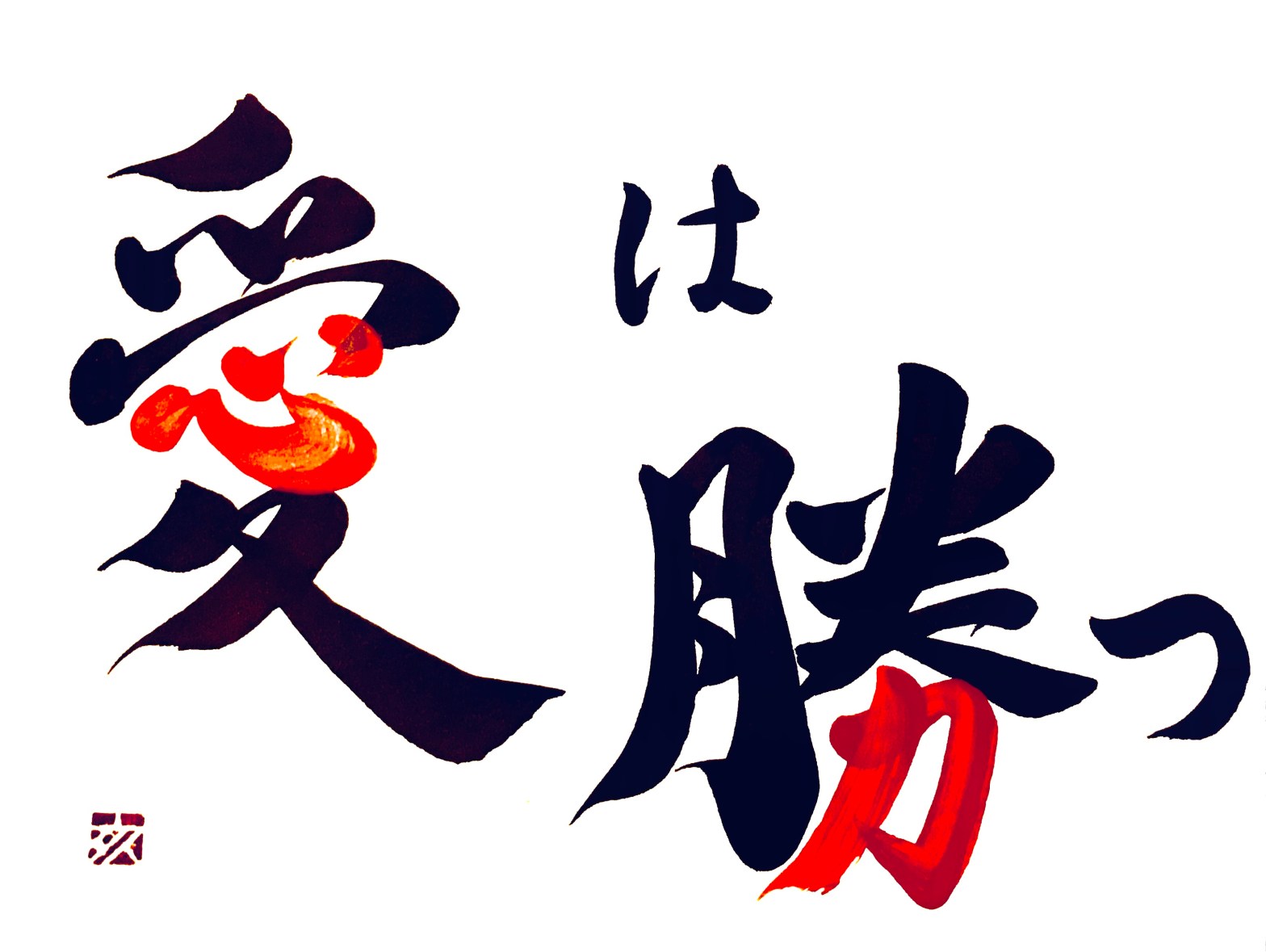
I created this as a commission for a friend who wanted to give it as part of a gift. Before writing, I double checked the Japanese with my Japanese teacher to make sure it sounded natural (I *always* do this – it saves embarrassing mistakes!). She said that as well as sounding natural, it isContinueContinue reading “愛は勝つ (ai wa katsu) “love wins””
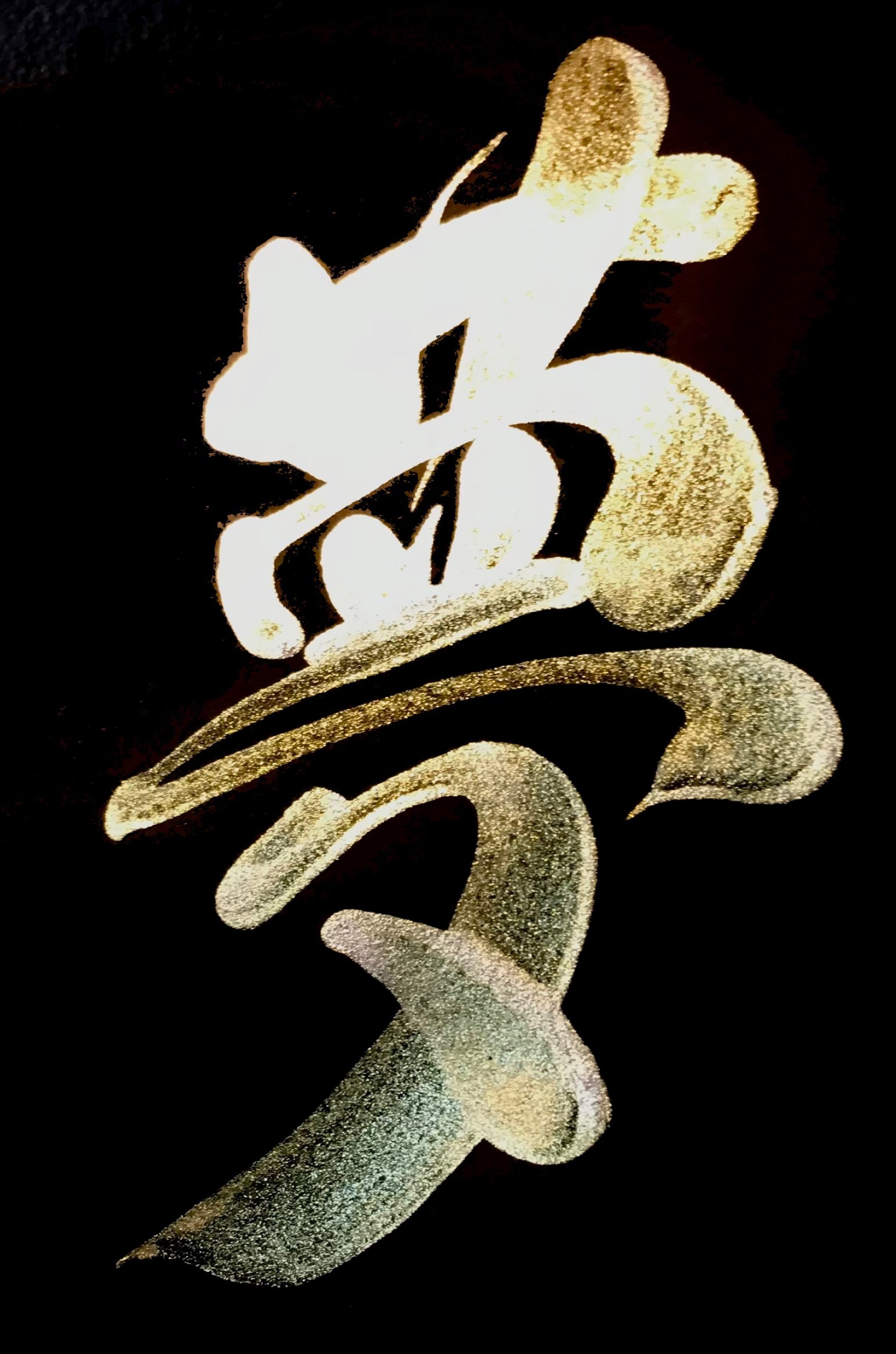
夢 (yu-mé) “dream”

The above artwork is available on my Etsy shop here. WordPress users get 15% off (all my stuff!) with this discount code: WPCODE15 Just enter it when you checkout.
夢 (yumé) “dream”
Do you Know the Meaning of these 10 Emojis?
What emojis can reveal about Japanese history, language and culture Quick question: what does this emoji mean? ♨️ As everyone who has been to Japan will know, it’s a hot spring. Even before emojis were created, this symbol was commonly used in Japan on maps and tourist guides to represent the relaxing hot water facilitiesContinueContinue reading “Do you Know the Meaning of these 10 Emojis?”
菖蒲華 (Ayame hana saku) “Irises bloom”

In ancient times Japanese people divided the year into 72 “micro-seasons”. These seasons were based on natural events such as the weather and appearance of various flora and fauna. Last weekend was 菖蒲華, marking period when irises begin to bloom. You can find out more about Japanese micro-seasons here.
結 (musubi) “relationships”
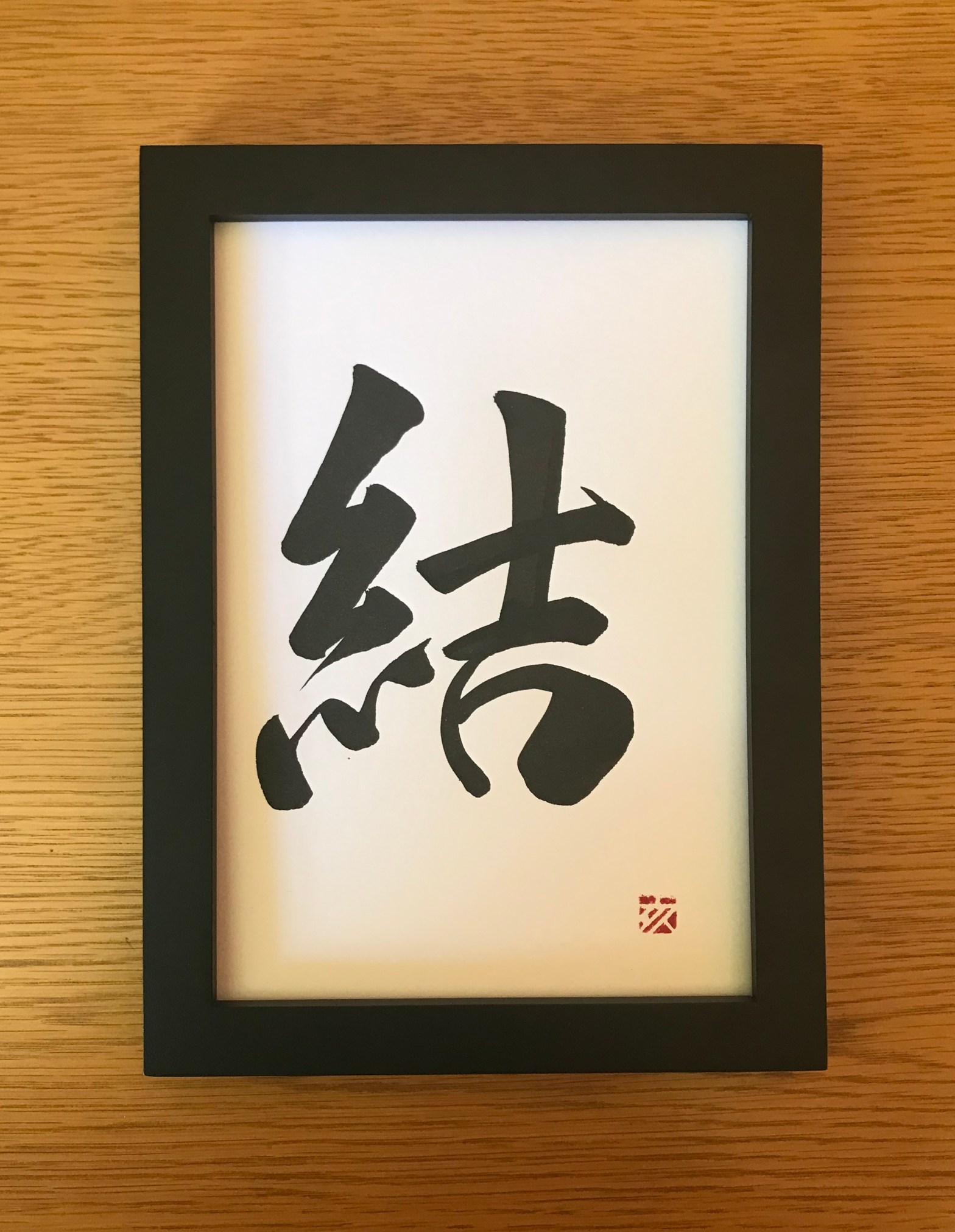
Literally meaning “tying together”, this word can be used to refer to the relationships that tie humans together, in particular romantic relationships. In Japan (as well as China and Korea) lovers who are destined to be together are thought to be joined by the “red thread of fate”. Romantic partners are often depicted with aContinueContinue reading “結 (musubi) “relationships””
 Calligraphy by Vicky