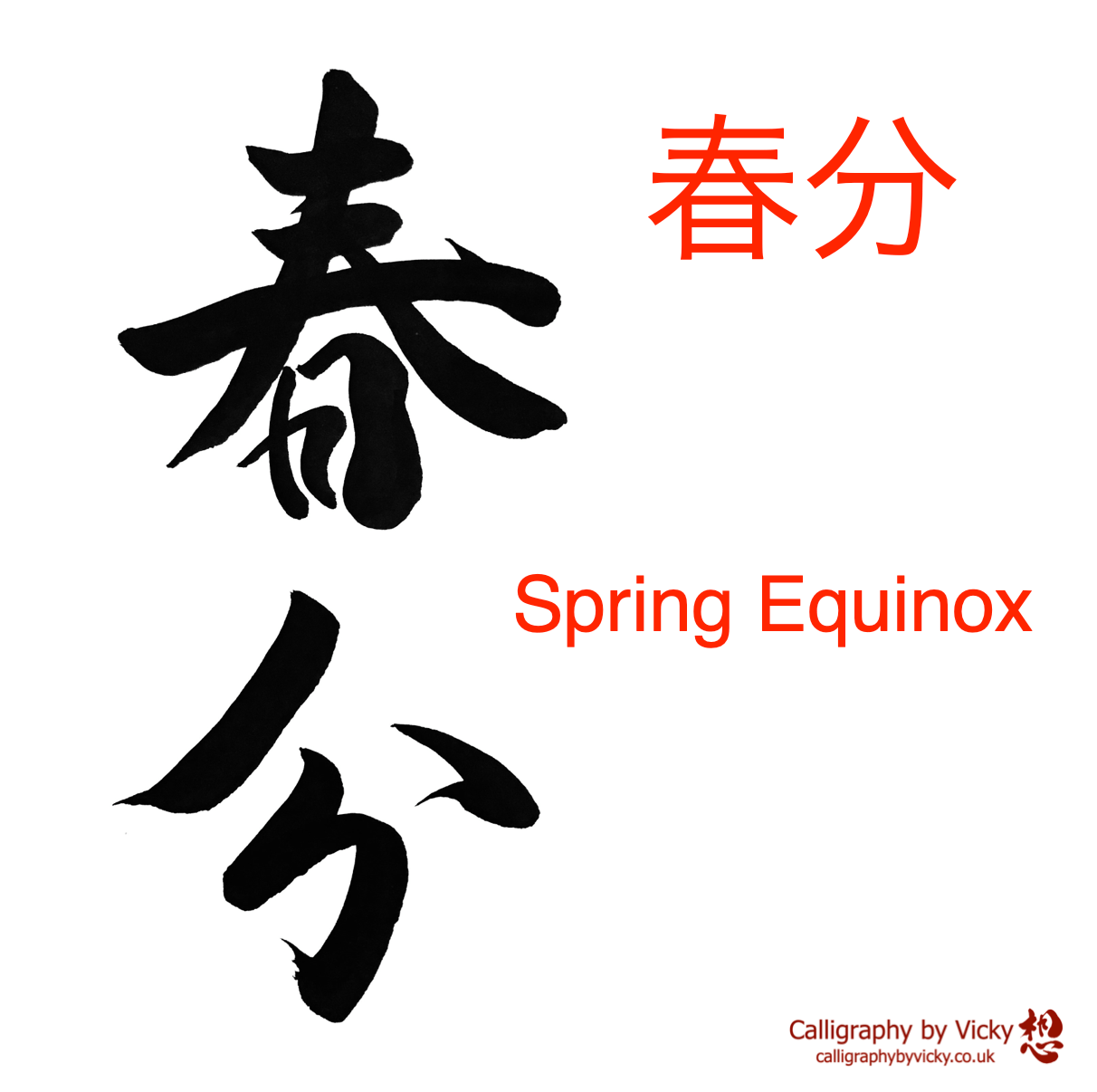
In Japan, Spring Equinox is a national holiday. The week which contains Spring Equinox is called “o-higan”. This has connections with Buddhism, and on this day many people visit spend time with their families and visit their family grave. “Bota-mochi” (rice cake covered in sweet bean paste) is traditionally eaten on this day.
Tag Archives: Japanese language
関 (seki) “barrier, connection”

This kanji character is rarely used on its own, but is often found combined with other characters. For example, 関西 (Kansai) and 関東 (Kanto). Since ancient times there has been a road from Tokyo (the current capital) to Kyoto (the former capital). At the mid-way point there used to be a large gate. This led toContinueContinue reading “関 (seki) “barrier, connection””
弥生 (yayoi) “March” (archaic)

Like many countries, Japan uses a 12-month calendar. The names are very simple. January is literally “Month one”, February is “Month two”, etc. However, before the Meiji Restoration (mid-1800s) it was common to use an older 12-month system. These months’ names referenced the weather and the seasons (similar to the French Revolutionary calendar). The monthContinueContinue reading “弥生 (yayoi) “March” (archaic)”
Which Japanese Camera Company is Named after the Buddhist Goddess of Mercy?

The inspiration for the name of a famous camera company. Image by ftanuki from Pixabay. This article was originally published on Medium here. Mitsubishi. Kikkoman. Nintendo. Many Japanese companies are household names in the West. This article looks at the intriguing background behind the names of five of the most globally successful Japanese brands. Read on to findContinueContinue reading “Which Japanese Camera Company is Named after the Buddhist Goddess of Mercy?”
限 (gen) “boundary, limit”
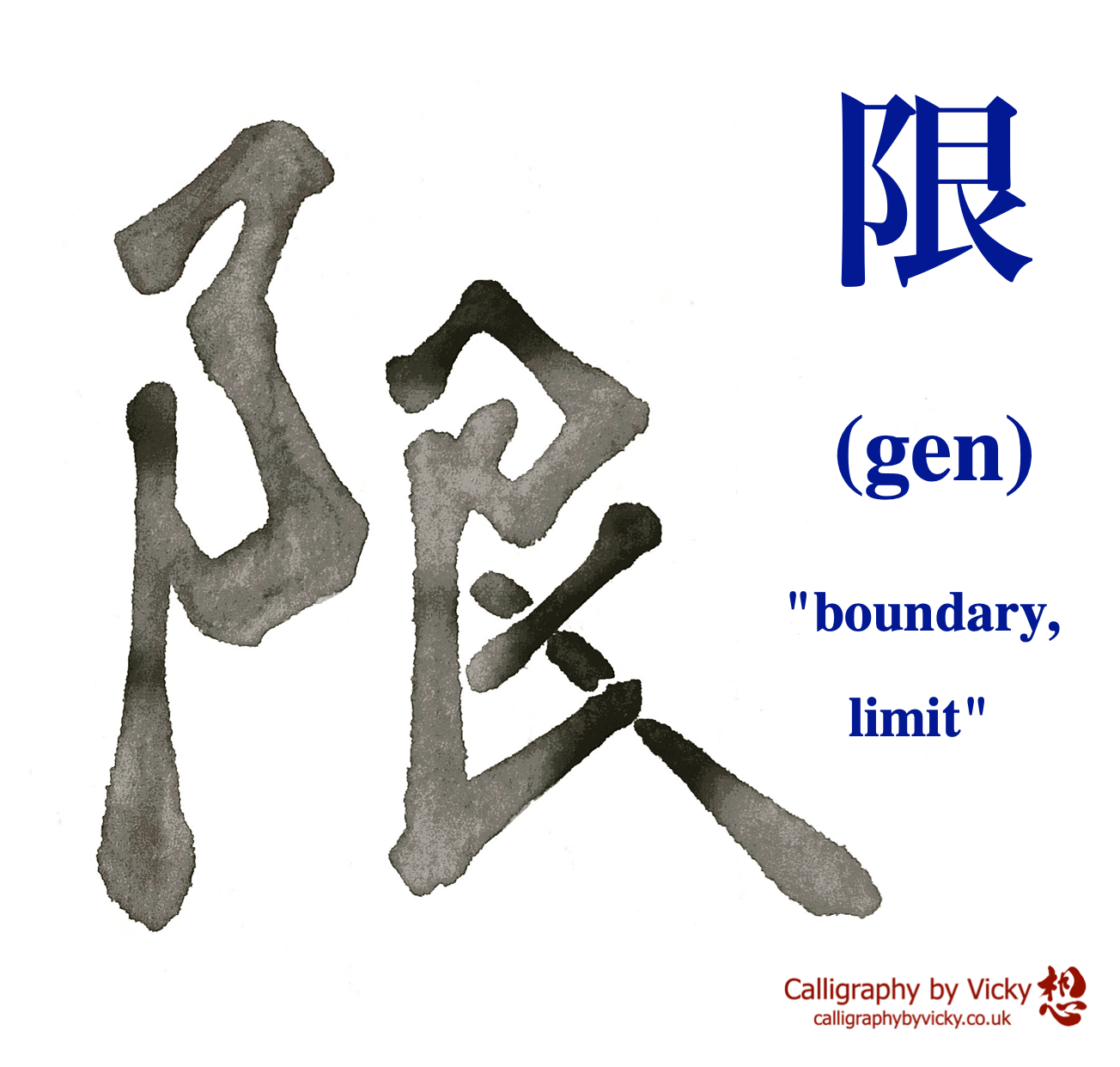
We tend to think of creativity as something that is free from limits. But what if the opposite was also true? The benefit of working within limits is that it is precisely the act of pushing against these limits, stretching them, bending them, playing with them, which leads to interesting artistic expression. In other words,ContinueContinue reading “限 (gen) “boundary, limit””
Three Mindset Shifts that will Fast-Track your Japanese Language Learning

image by andsproject from pixabay Article originally published on Medium in Japonica publication Mindset Shift Level 1: Learning Japanese > Practicing Japanese. A lot. “Learning” is a misnomer. You don’t so much learn a language as practice it. Becoming fluent in a foreign language has less in common with academic study and more with learning a sport, a dance, or a martial art:ContinueContinue reading “Three Mindset Shifts that will Fast-Track your Japanese Language Learning”
如月 (kisaragi) “February” (archaic)
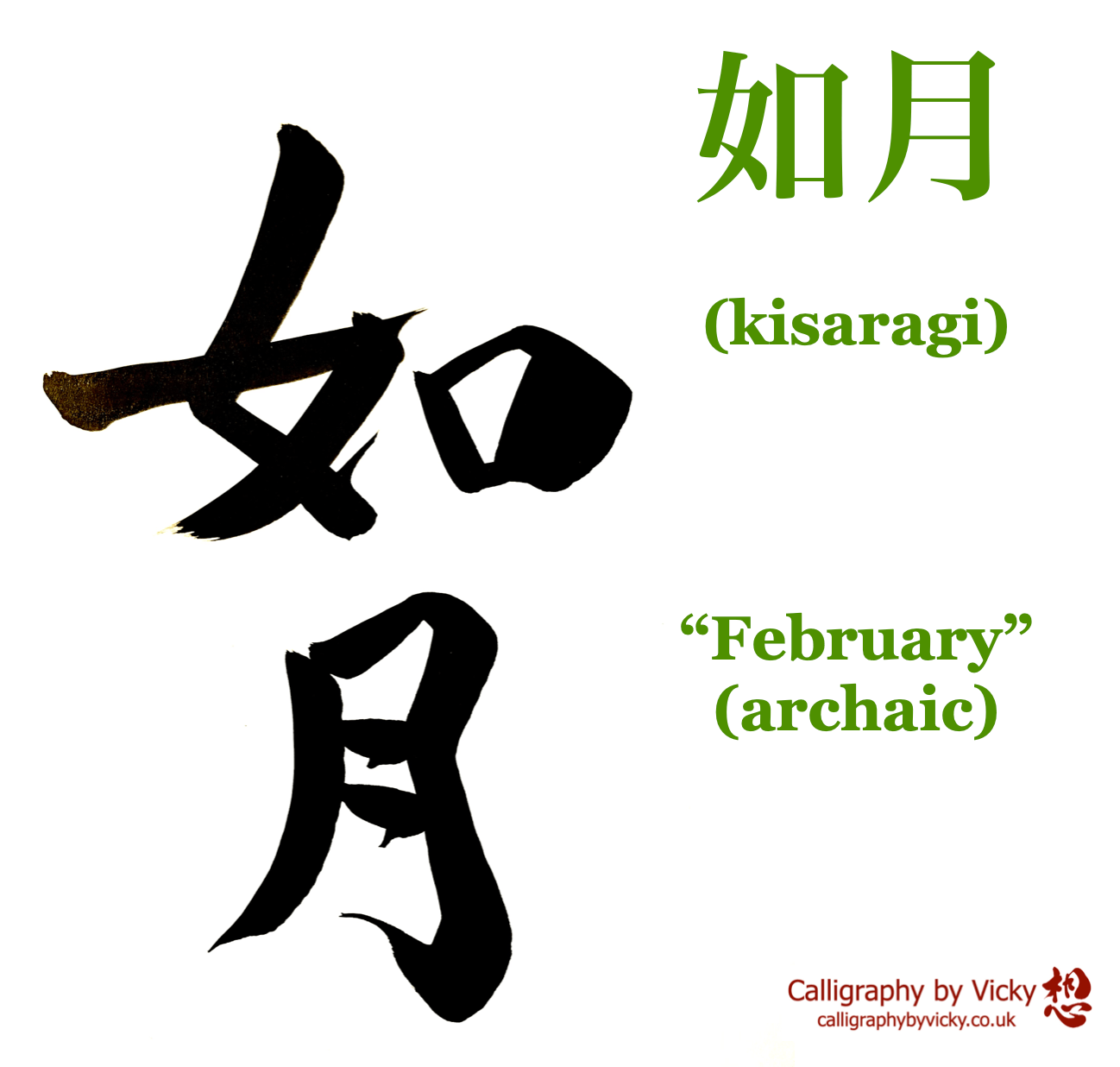
Like many countries, Japan uses a 12-month calendar. The names are very simple. January is literally “Month one” 一月, February is “Month two” 二月, etc. However, before the Meiji Restoration (mid-1800s) it was common to use an older 12-month system. These months’ names referenced the weather and the seasons (similar to the French Revolutionary calendar).ContinueContinue reading “如月 (kisaragi) “February” (archaic)”
Writing foreign names in Japanese
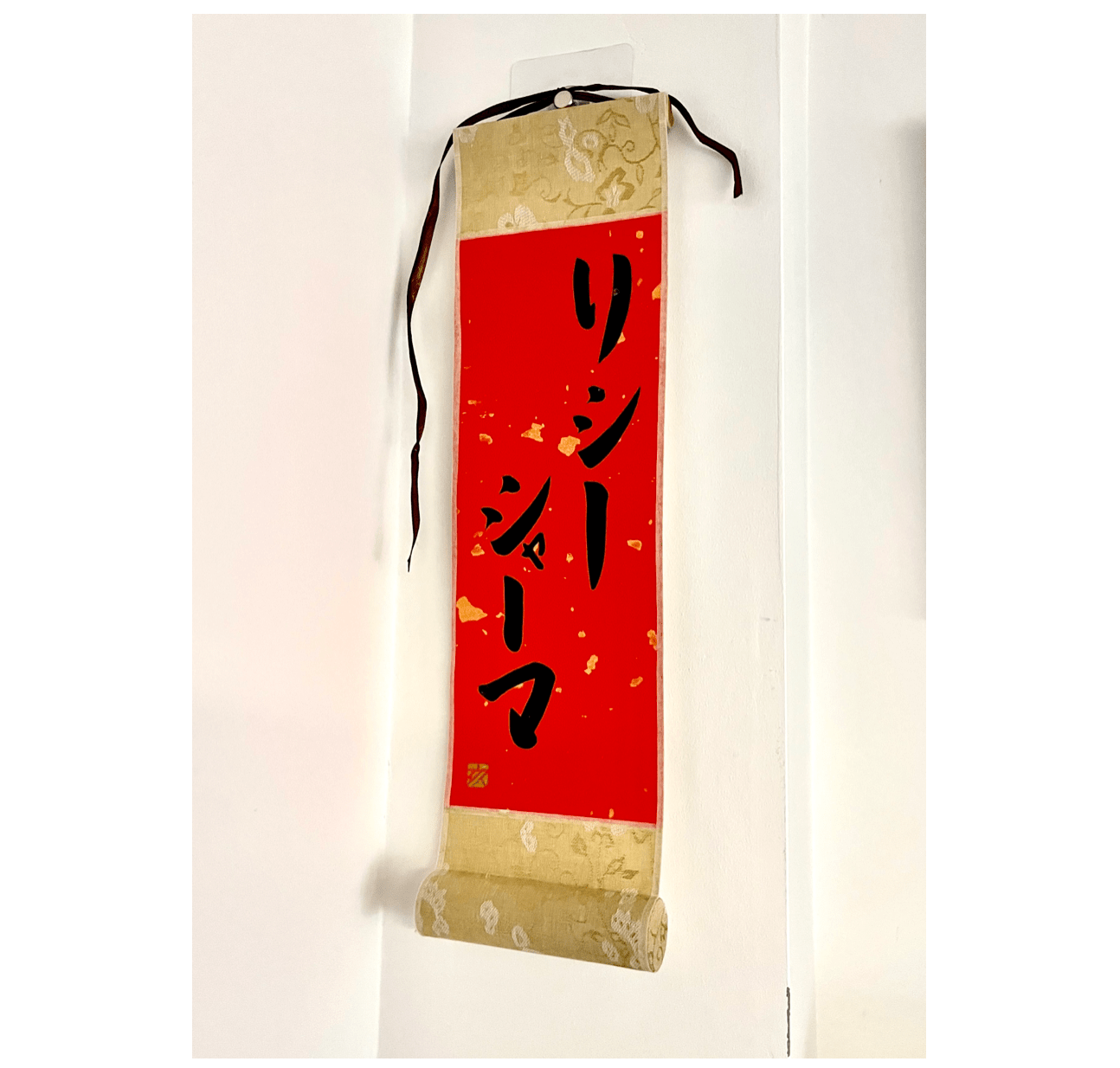
Japanese has a separate writing system for writing foreign words. It’s called katakana and it’s mostly used for foreign loan words such as kōhī (coffee), pan (bread) and gorufu (golf). It’s also used for foreign names. If your name isn’t originally written in kanji (the logographic characters used in Japan, China, and to a lesserContinueContinue reading “Writing foreign names in Japanese”
無限 (mu-gen) “unlimited / no limits”
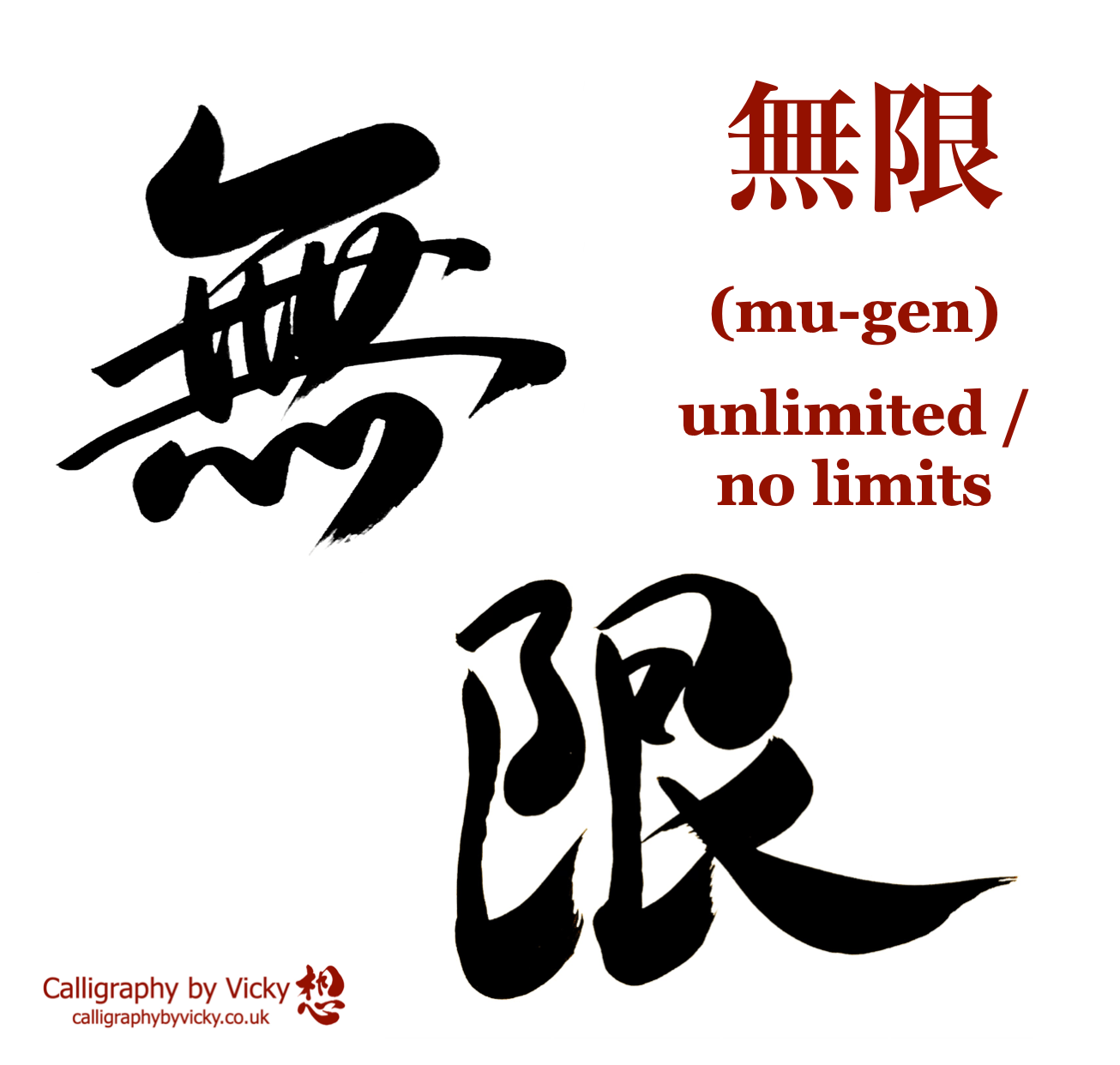
The idea of no limits, or infinity, can represent divine eternal consciousness. It is an important concept in Buddhism, often represented by an endless knot that is strikingly similar to Celtic designs. It can also represent samsara, the endless cycle of death and rebirth. It is similar to the symbol of the ouroboros – theContinueContinue reading “無限 (mu-gen) “unlimited / no limits””
Translating Culture: 5 Intriguing Japanese Words We Need in English

image by Mohamed Hassan, from Pixabay The Internet is full of articles with titles such as “5 untranslatable words in the X language”. This is not one of those articles. I’m not going to claim that any of the words below are “untranslatable”. What I am going to do is introduce five Japanese words thatContinueContinue reading “Translating Culture: 5 Intriguing Japanese Words We Need in English”
 Calligraphy by Vicky