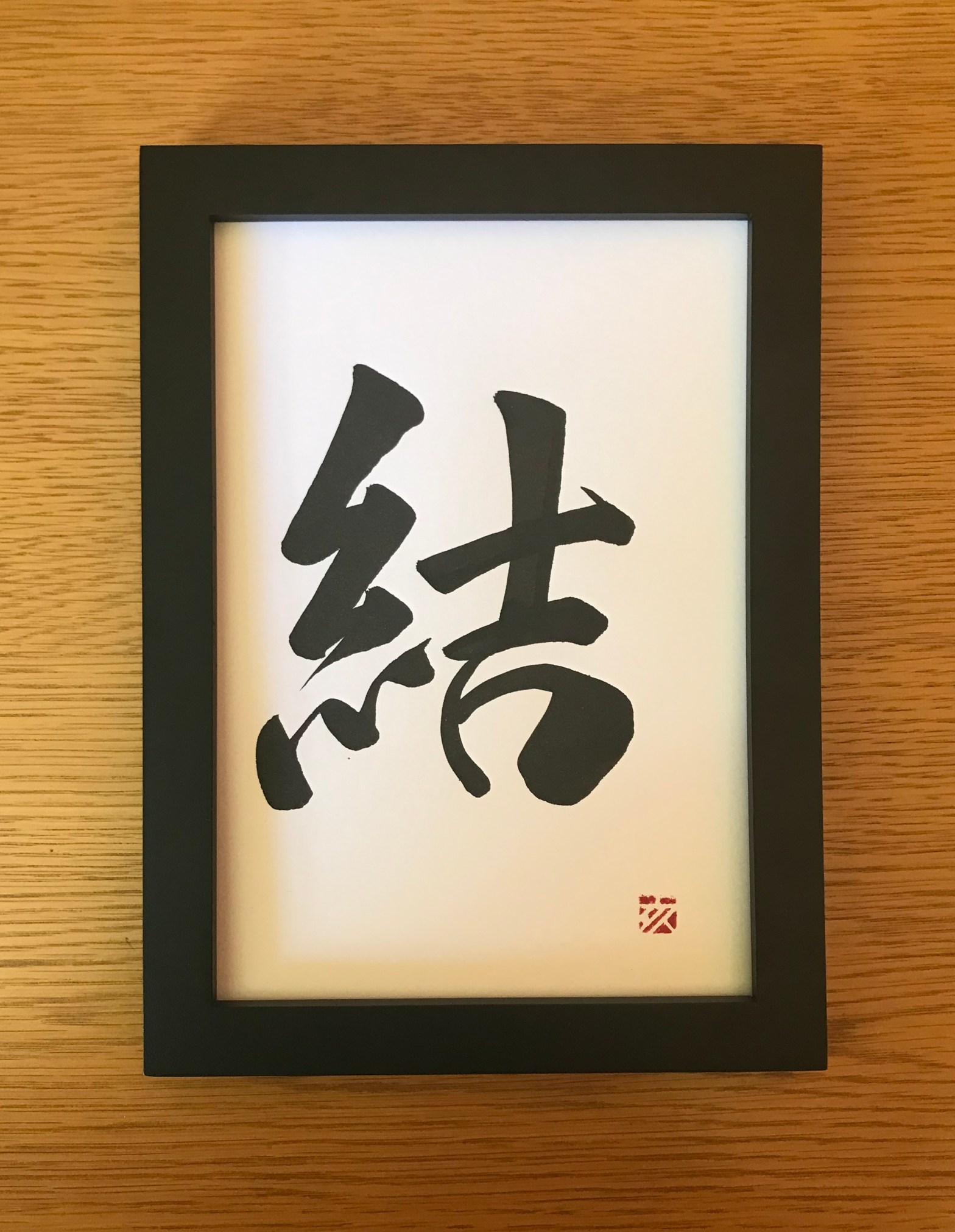
Literally meaning “tying together”, this word can be used to refer to the relationships that tie humans together, in particular romantic relationships. In Japan (as well as China and Korea) lovers who are destined to be together are thought to be joined by the “red thread of fate”. Romantic partners are often depicted with aContinueContinue reading “結 (musubi) “relationships””
Tag Archives: Japan
結 (musubi) “relationships”
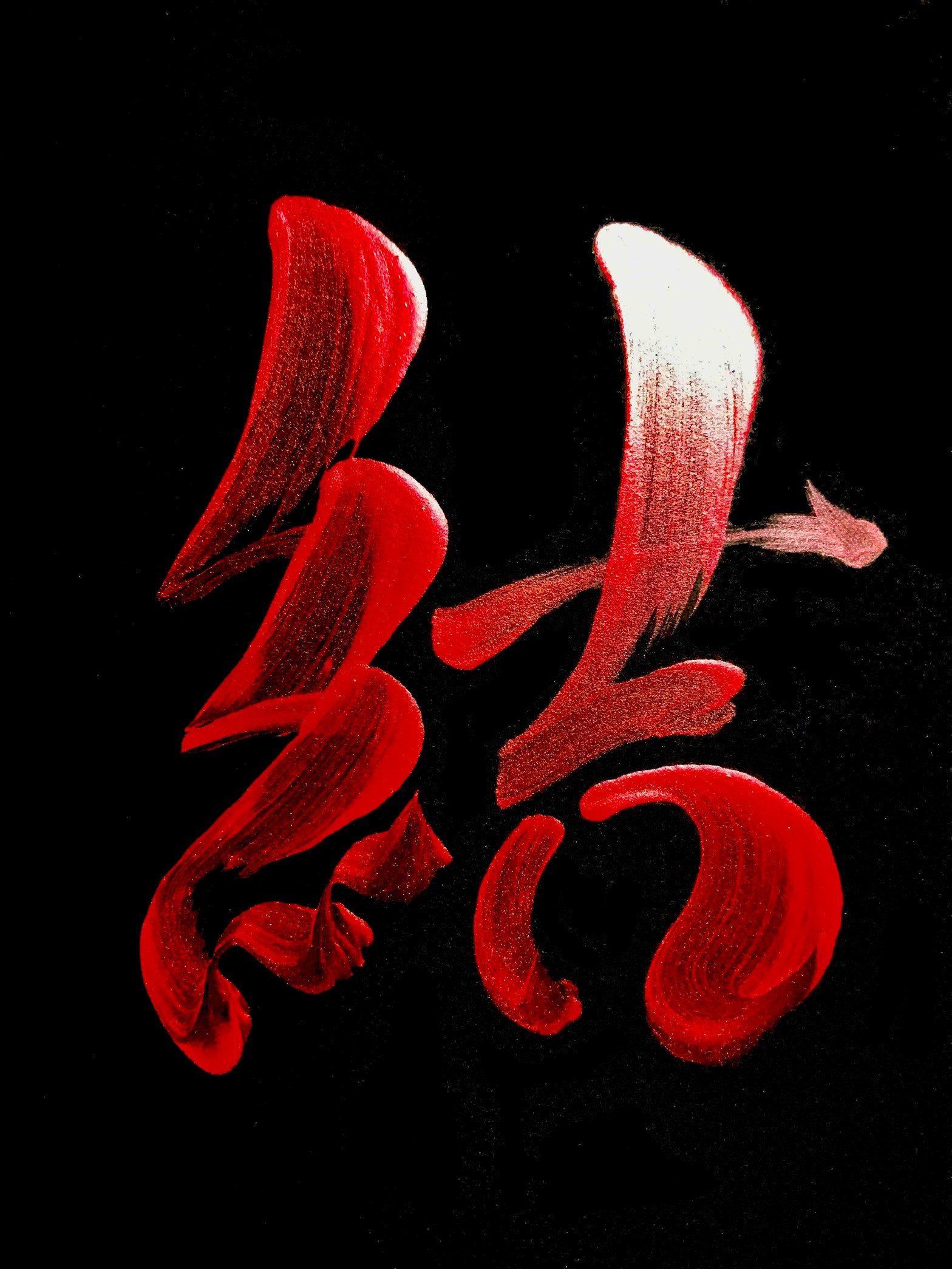
Literally meaning “tying together”, this word can be used to refer to the relationships that tie humans together, in particular romantic relationships. In Japan (as well as China and Korea) lovers who are destined to be together are thought to be joined by the “red thread of fate”. Romantic partners are often depicted with aContinueContinue reading “結 (musubi) “relationships””
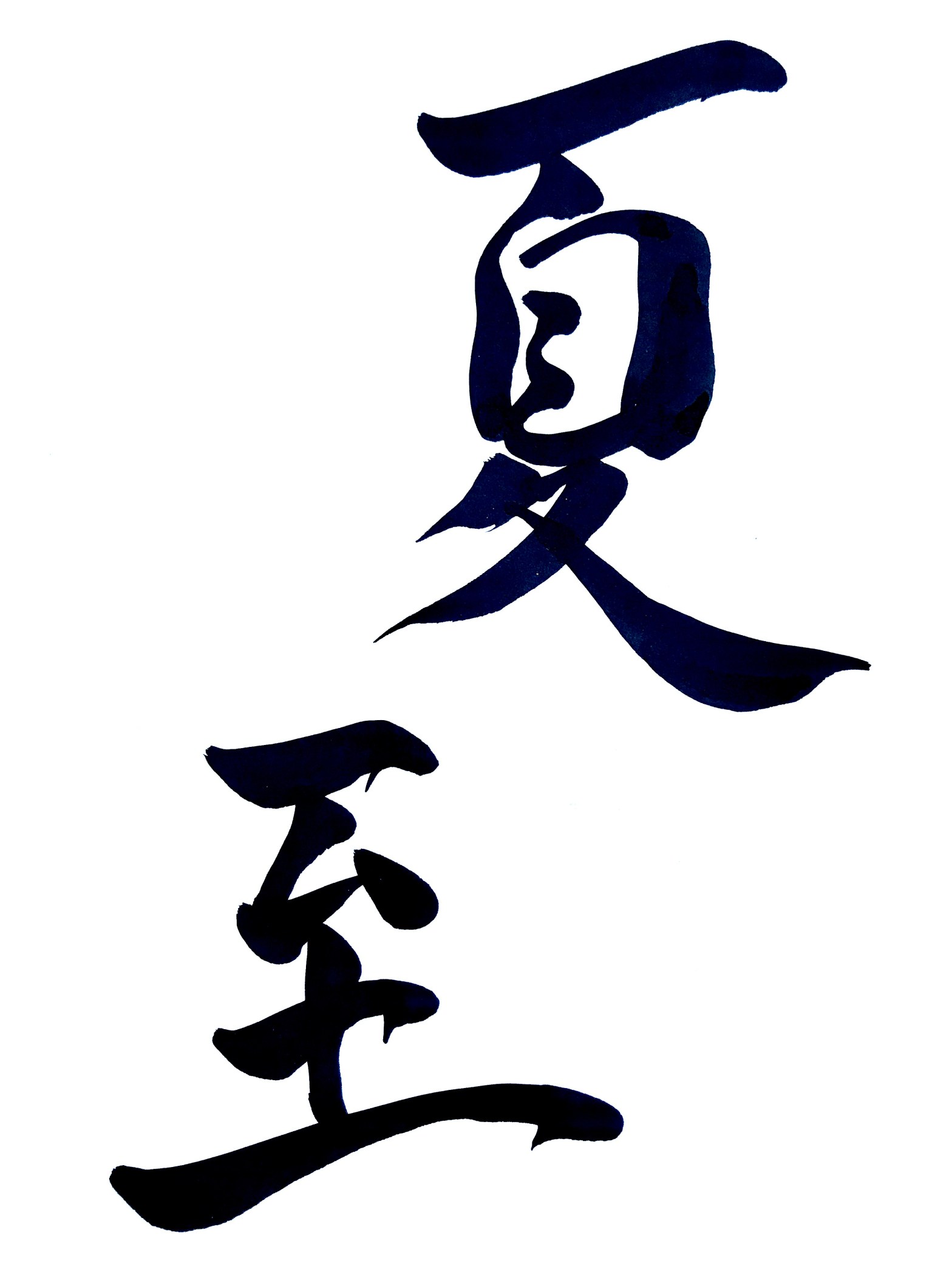
夏至 (ge-shi) “summer solstice”
龍 (ryū) “dragon”
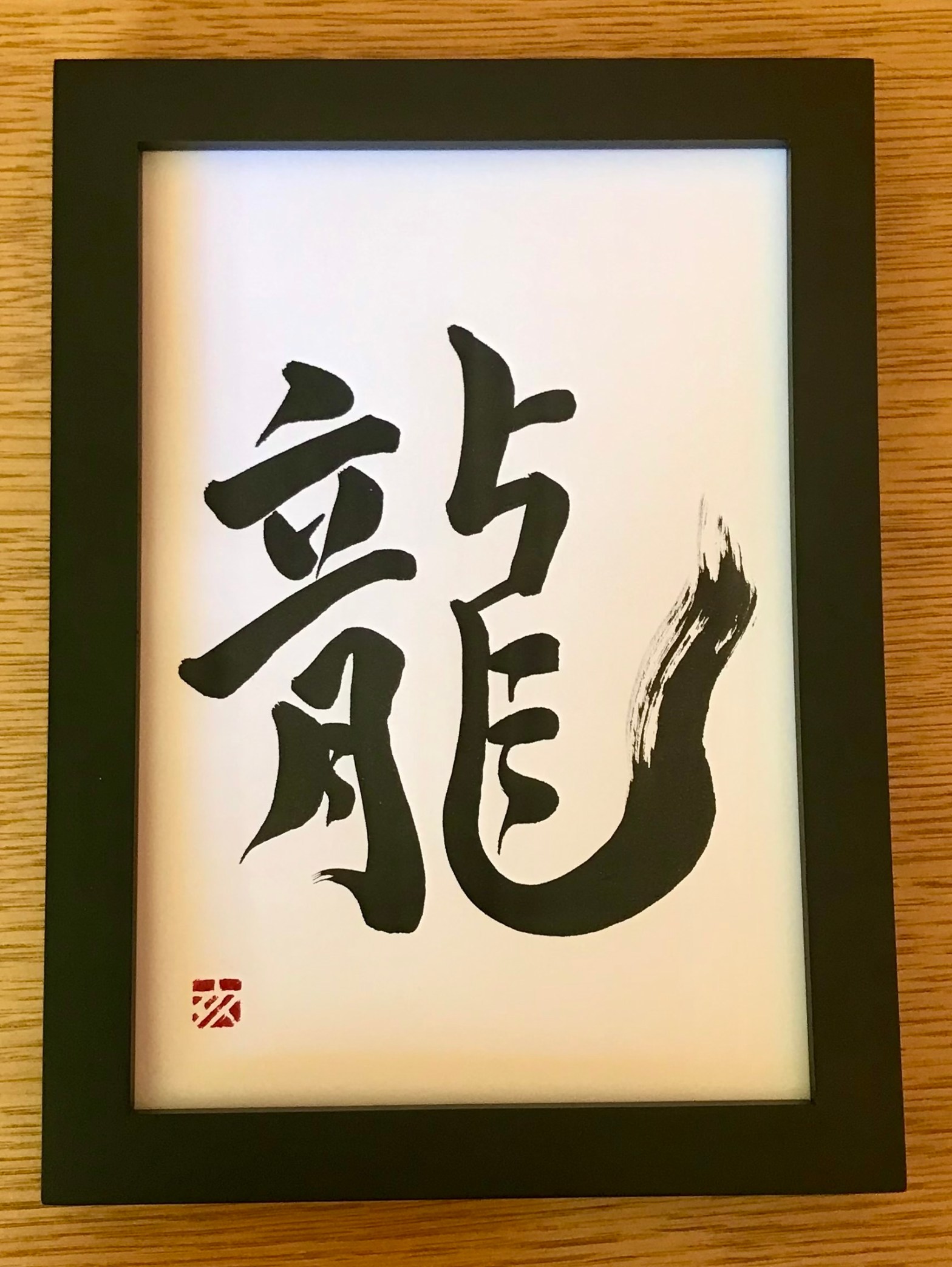
If you visit a shrine or temple in Japan, look up at the ceiling of the main room. Often there will be a painting of a dragon. One reason is that dragons represent the virtue of courage. Another, more superstitious, reason is that dragons are associated with the element of water, and so are aContinueContinue reading “龍 (ryū) “dragon””
How to *REALLY* make friends in Japan
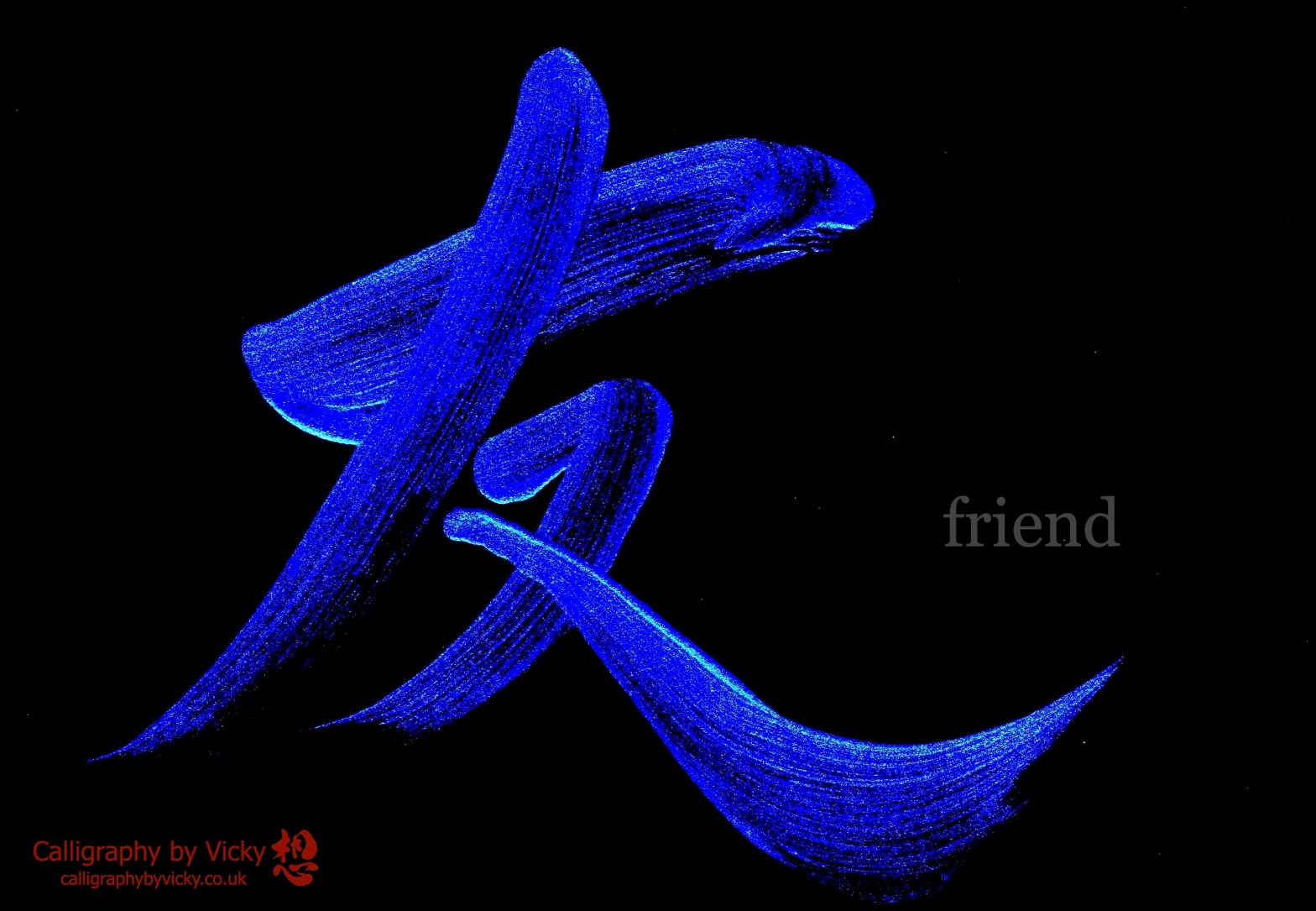
Breaking out of the “gaijin bubble” TL;DR: I’m an introvert and I don’t speak Japanese well, but I made some good friendships via language exchanges. The long version: The “gaijin bubble” If you’ve lived in Japan you’ve probably heard of the “gaijin bubble”. “Gaijin” (外人) is short for “gaikokujin” (外国人), the Japanese word for “foreigner”.ContinueContinue reading “How to *REALLY* make friends in Japan”
恵 (megumi) “blessed”

“Megumi” is often used to describe a situation that is full of something positive. For example, “a field full of flowers” could be said like this: 「花に恵まれたこの野」 (literally, “a field blessed with flowers”). It’s also a fairly common girls’ name.
ウサギちゃん bunny (actually “bnuy”…. or maybe “bnuny”…???)
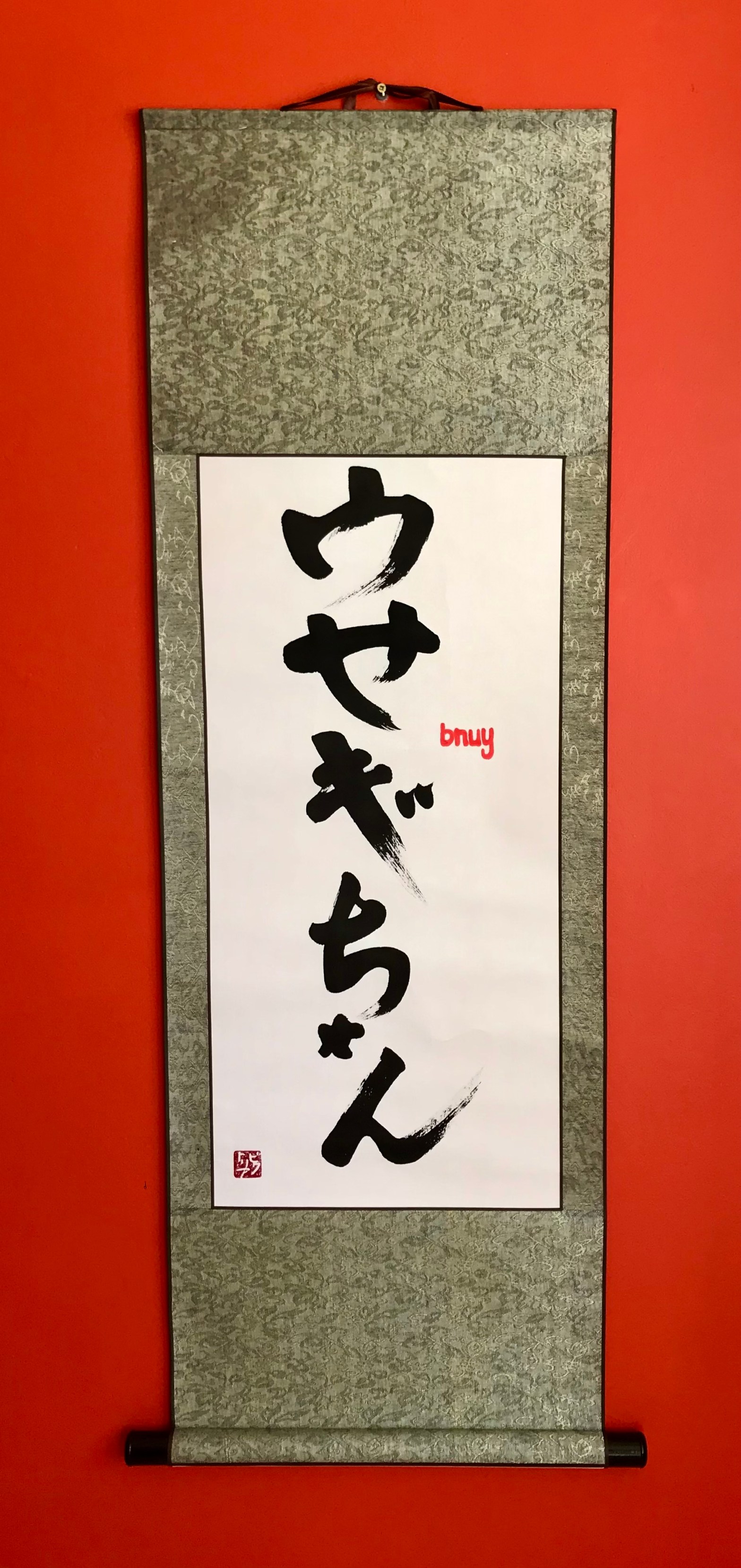
A friend commissioned me to create a Japanese calligraphy piece as a gift for someone who likes the word “bunny”, but always intentionally misspells it “bnuy” or “bnuny”. The question is, how to interpret an English misspelling in Japanese? My solution is as follows: “rabbit” = 「ウサギ」 (“usagi”) 2. Putting 「ちゃん」 (“chan”) after it makesContinueContinue reading “ウサギちゃん bunny (actually “bnuy”…. or maybe “bnuny”…???)”
名誉 (meiyo) “reputation” – the sixth virtue of 武士道 (bushidō)
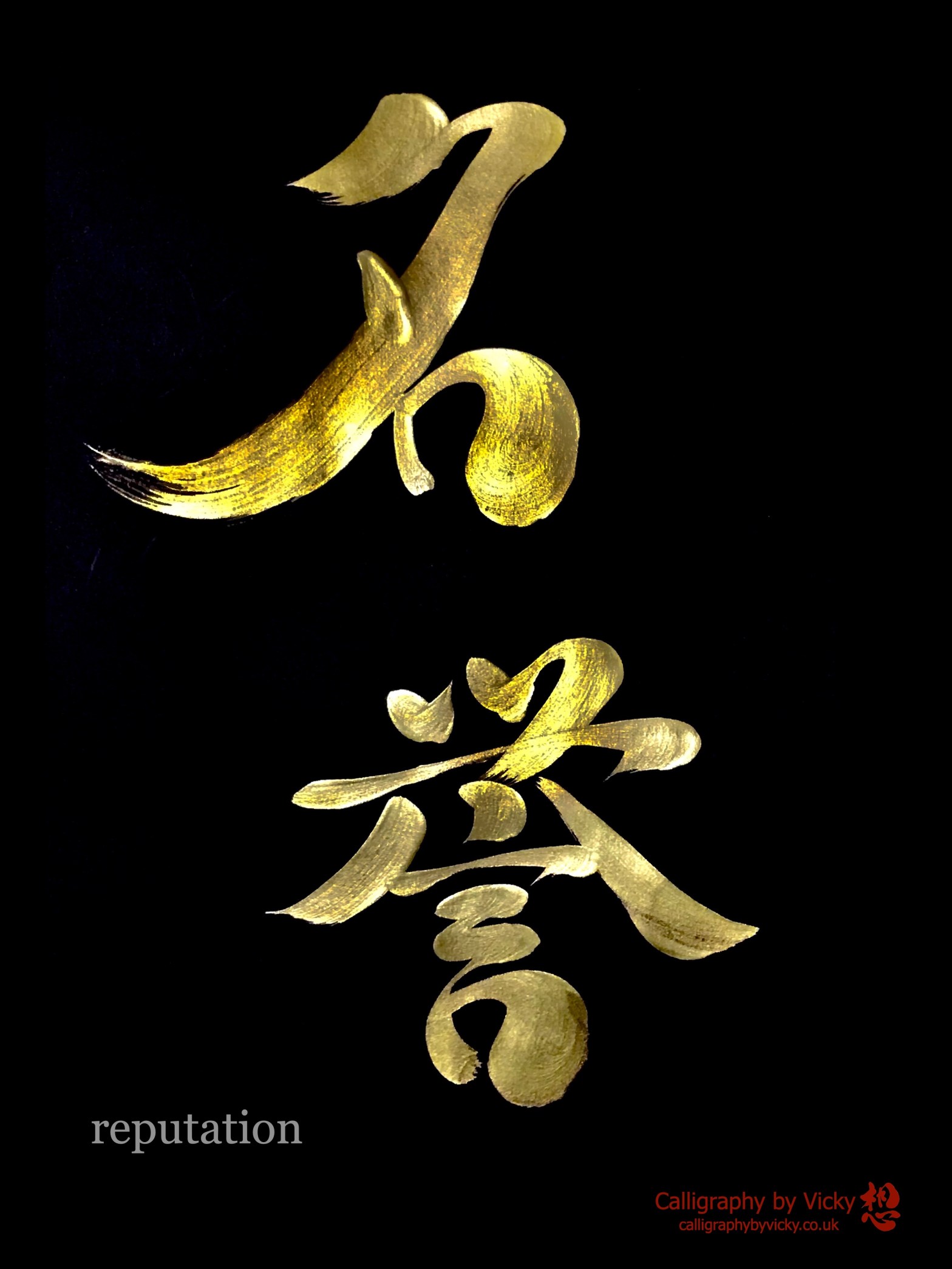
The sixth virtue is “Honour”, which I have translated as “reputation”.
In popular fiction, samurai value honour over life itself. If a samurai was captured in battle, the story goes, he was expected to kill himself rather than suffer the shame of defeat.
Even in modern Western societies, how we are viewed in the eyes of others is integral for successful friendships, business relationships, and other types of human connection.
I have “translated” this virtue as “reputation”, because this is more realistic and nuanced than dividing actions into either “honourable” or “shameful”.
勇 (yū) “courage” – the second virtue of 武士道 (bushidō)
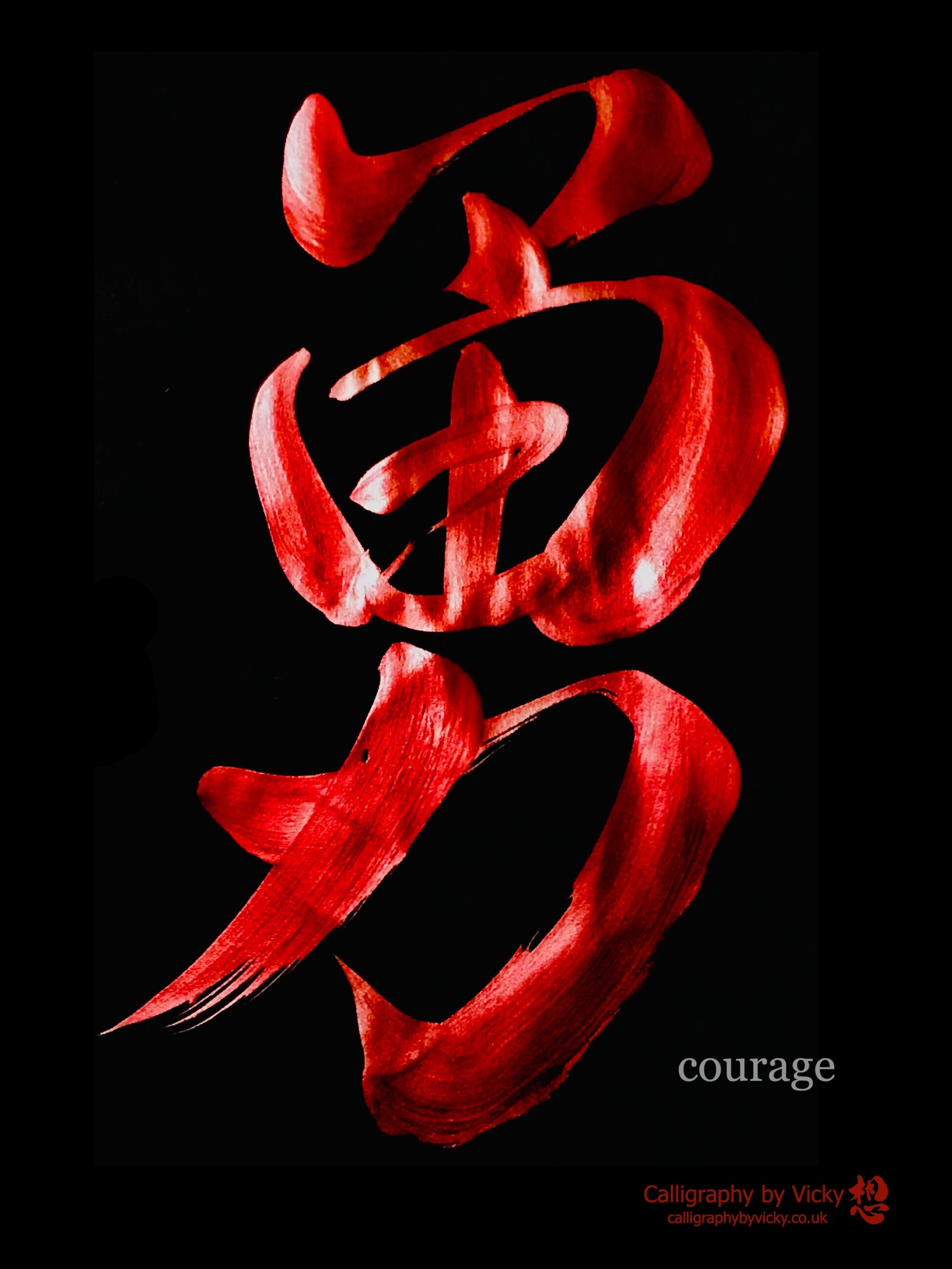
Bushidō comes with a handy list of 8 virtues that one can follow to lead one’s best and most noble life. You may not have been born a samurai, but you can still live like one by following this code.
The second virtue is “Courage, the spirit of Daring and Bearing”.
These 8 virtues were first mentioned in Nitobe Inazao’s 1899 book “Bushido: the Soul of Japan”.
He describes “courage” as “bearing” as well as “daring”, which suggests that courage has a broader meaning than merely courage in battle; it also includes enduring difficult situations.
He goes on to say: “Courage was scarcely deemed worthy to be counted among virtues, unless it was exercised in the cause of Righteousness.” This implies that true courage comes from knowing what is right, having the clear-sightedness to understand one’s own values and to hold by them, whatever the situation. It is necessary for courage to be informed by 義 (gi) integrity .
金 (kin) “Gold” or “Money”
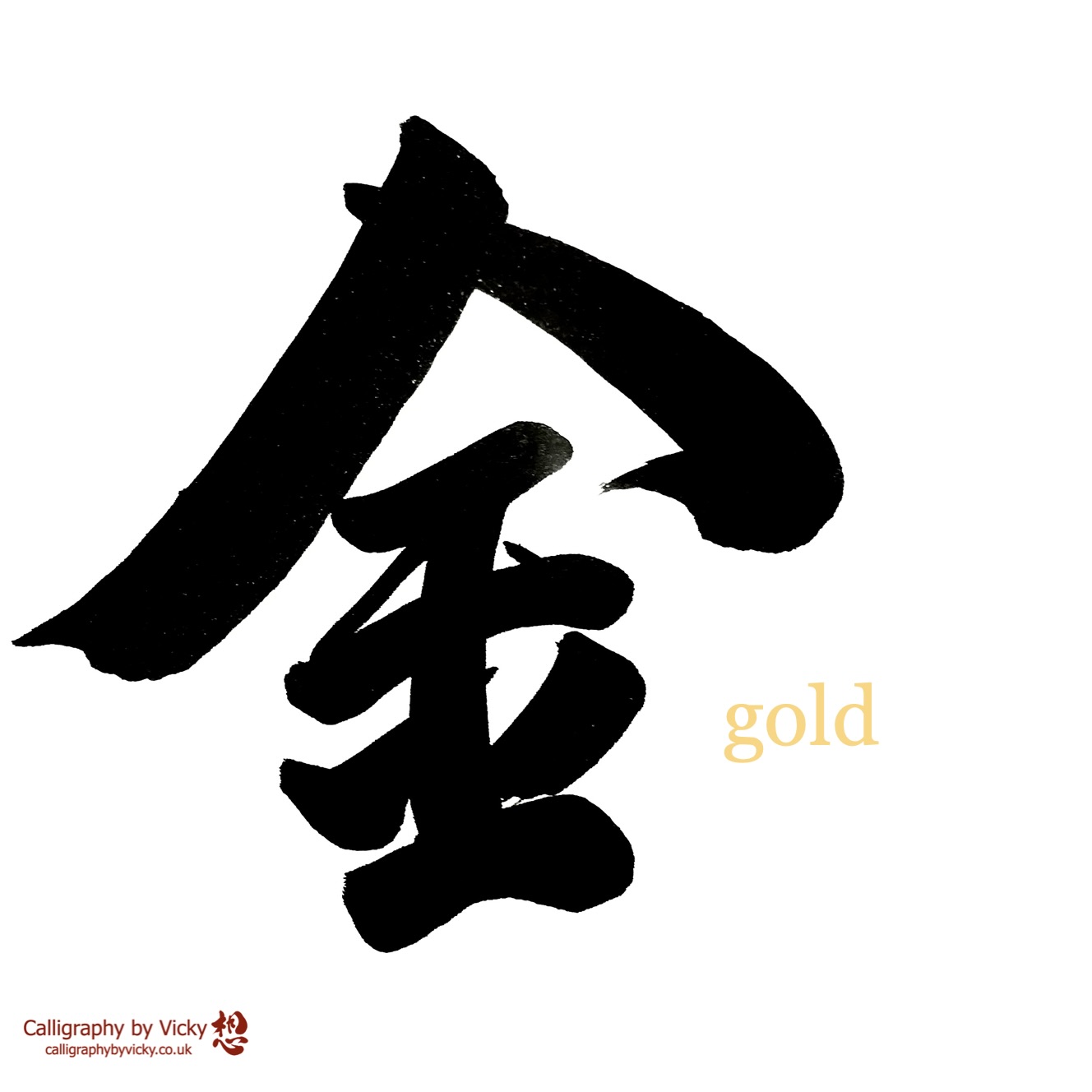
It’s Golden Week in Japan! So I wrote “Gold”. “Golden Week” (Sometimes abbreviated to “GW”) is a week beginning 29th April, containing multiple public holidays in a row. This year, the dates of the holidays are: Saturday 29th April: Showa Day Wednesday 3rd May: Constitution Memorial Day Thursday 4th May: Greenery Day Friday 5th May:ContinueContinue reading “金 (kin) “Gold” or “Money””
 Calligraphy by Vicky