
Like many East Asian countries, Japan uses the 12-animal Chinese zodiac. 2025 is the year of the Snake 🐍 The kanji for “snake” is usually 蛇 (hebi). However the kanji for animals in the Chinese Zodiac are different. Snake is 巳.
Tag Archives: Calligraphy
蛇 (hebi) “snake” 🐍
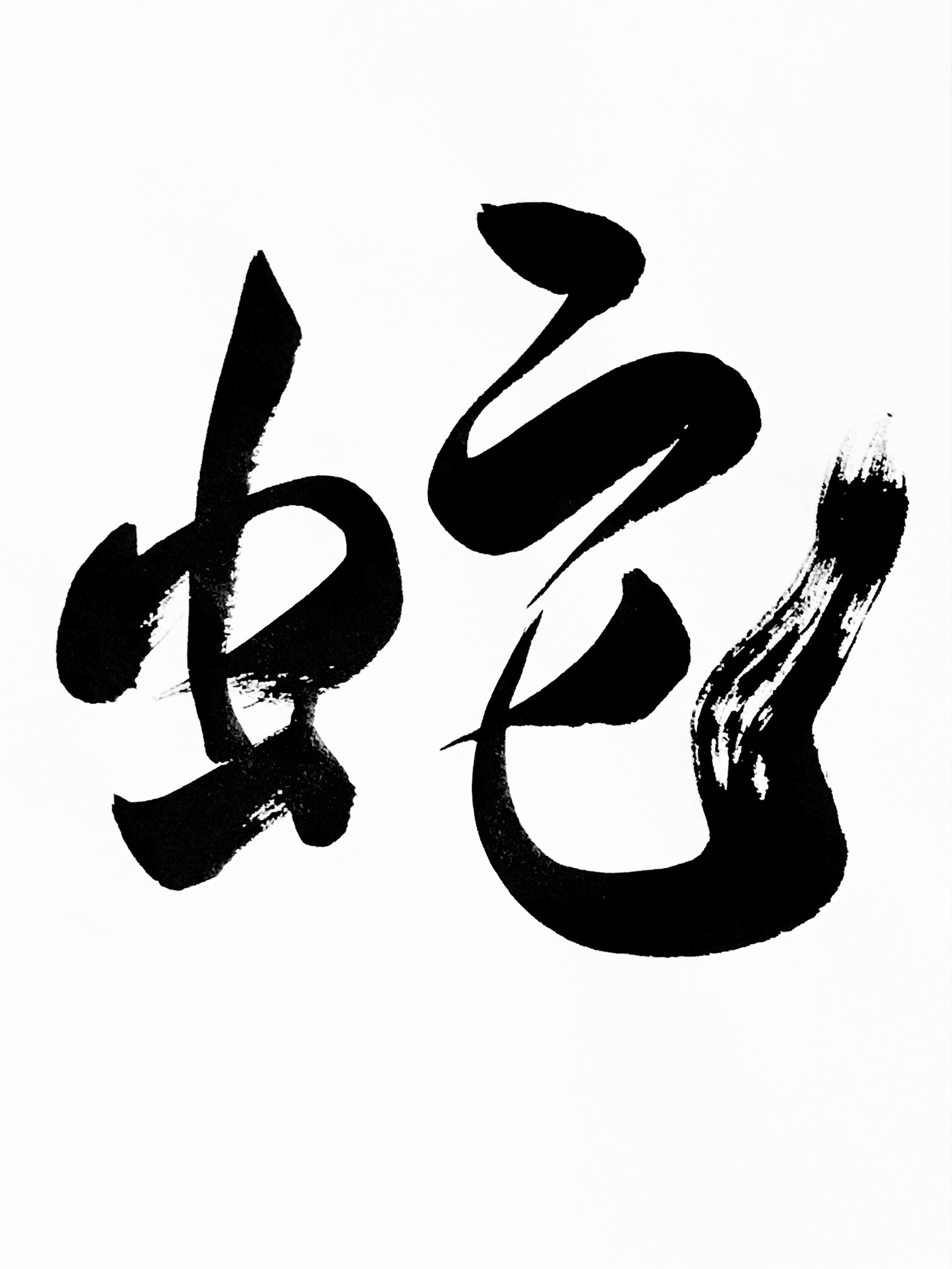
Like many East Asian countries, Japan uses the 12-animal Chinese zodiac. 2025 is the year of the Snake 🐍
冬 (fuyu) “winter”

睦月 (mu-tsu-ki) “January” (archaic)
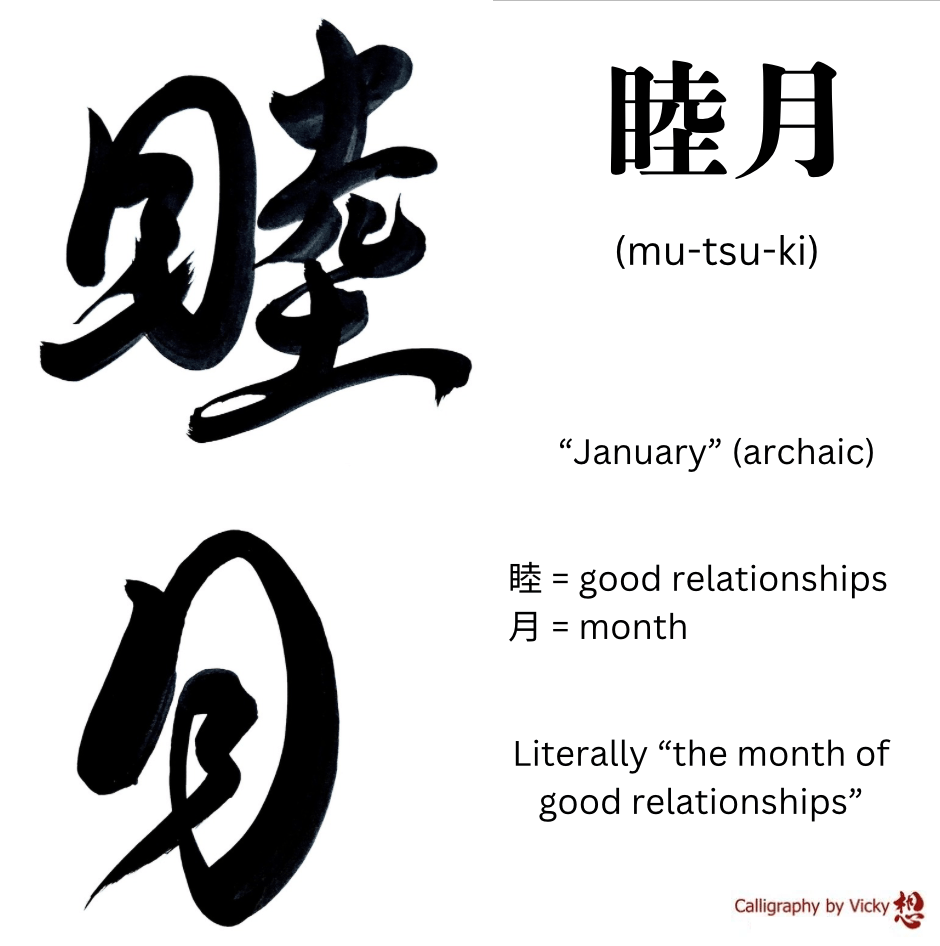
Like many countries, Japan uses a 12-month calendar. The names are very simple. January is literally “Month One”, February is “Month Two”, etc: 一月 = January 二月 = February However, before the Meiji Restoration (mid-1800s) it was common to use an older 12-month system. These months’ names referenced the weather and the seasons (similar toContinueContinue reading “睦月 (mu-tsu-ki) “January” (archaic)”
抱負 (hō-fu) resolution
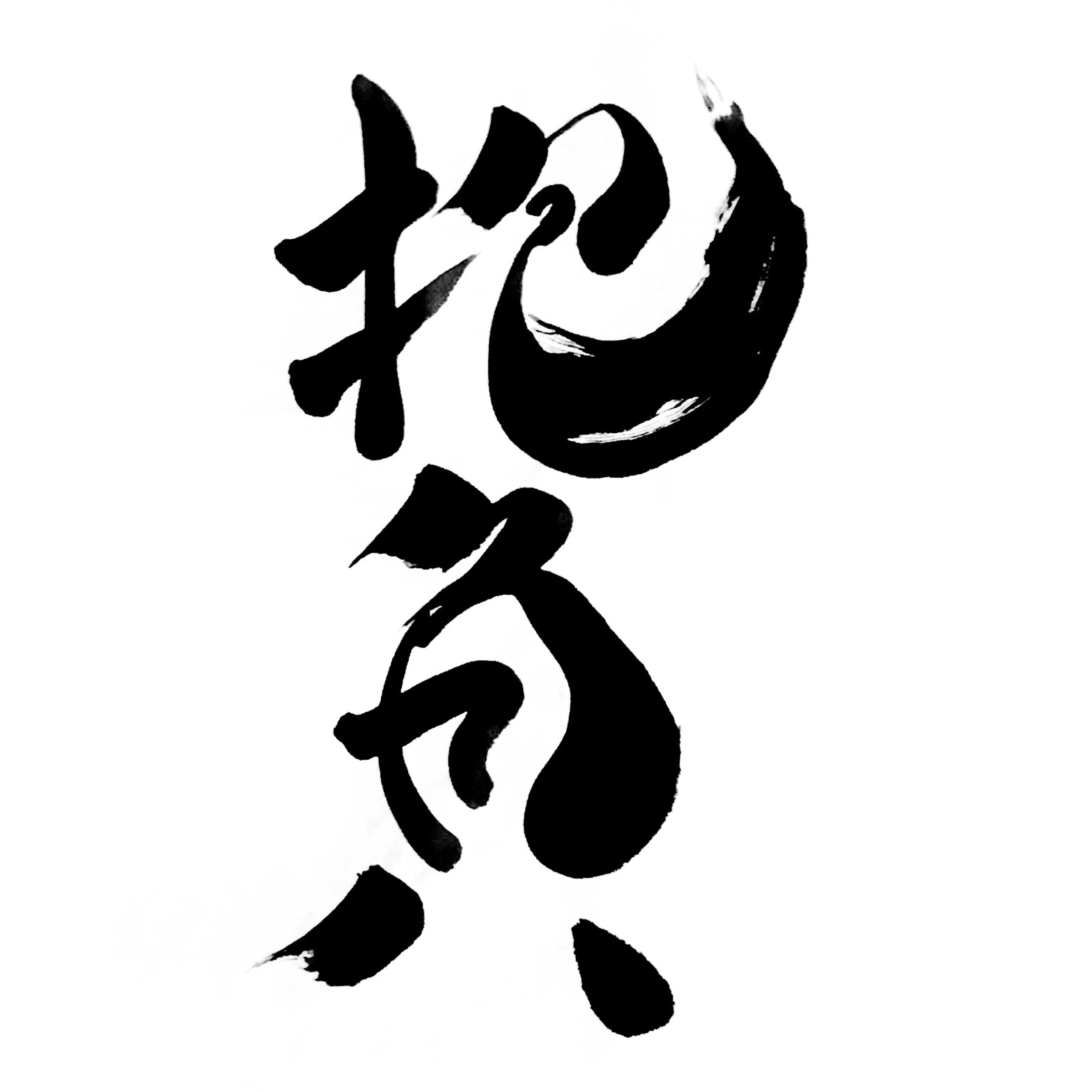
Some more new year’s related vocabulary. New Year’s resolutions are just as popular in Japan as they are in western countries. In Japanese “New Year’s resolution” is 新年の抱負 (shin-nen-hō-fu). 新年 = New Year (see my previous post) 抱負 = resolution What’s your new year’s resolution?
新年 (shin-nen) New Year

The New Year’s holiday is one of the most important times for Japanese people. It’s a time to clean the house, make resolutions, forget the old year, and make a clean start. The kanji should be pretty easy for Japanese learners:新 = new (pronounced “a-ta-ra-shi-i” by itself, and “shin” when in conjunction with other kanji)年ContinueContinue reading “新年 (shin-nen) New Year”
あけおめ (a-ké-o-mé) “Happy New Year”
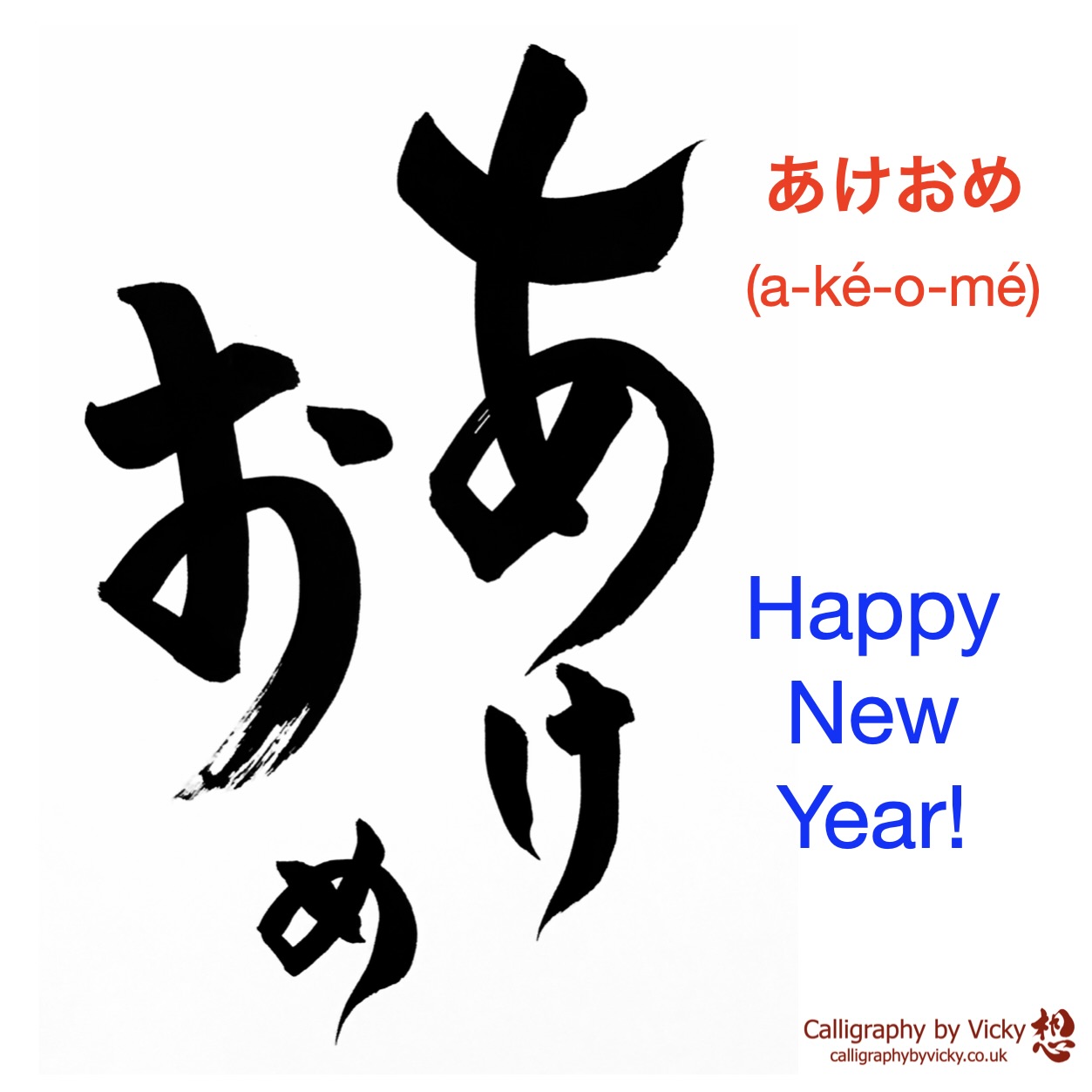
To wish someone “Happy New Year” in Japanese, say: あけましておめでとうございます! (a-ké-ma-shi-té o-mé-dé-tō go-zai-masu) Or, more casually, take the first 2 syllables from each word and say: あけおめ! (a-ké-o-mé)
影 (ka-ge) “shadow”
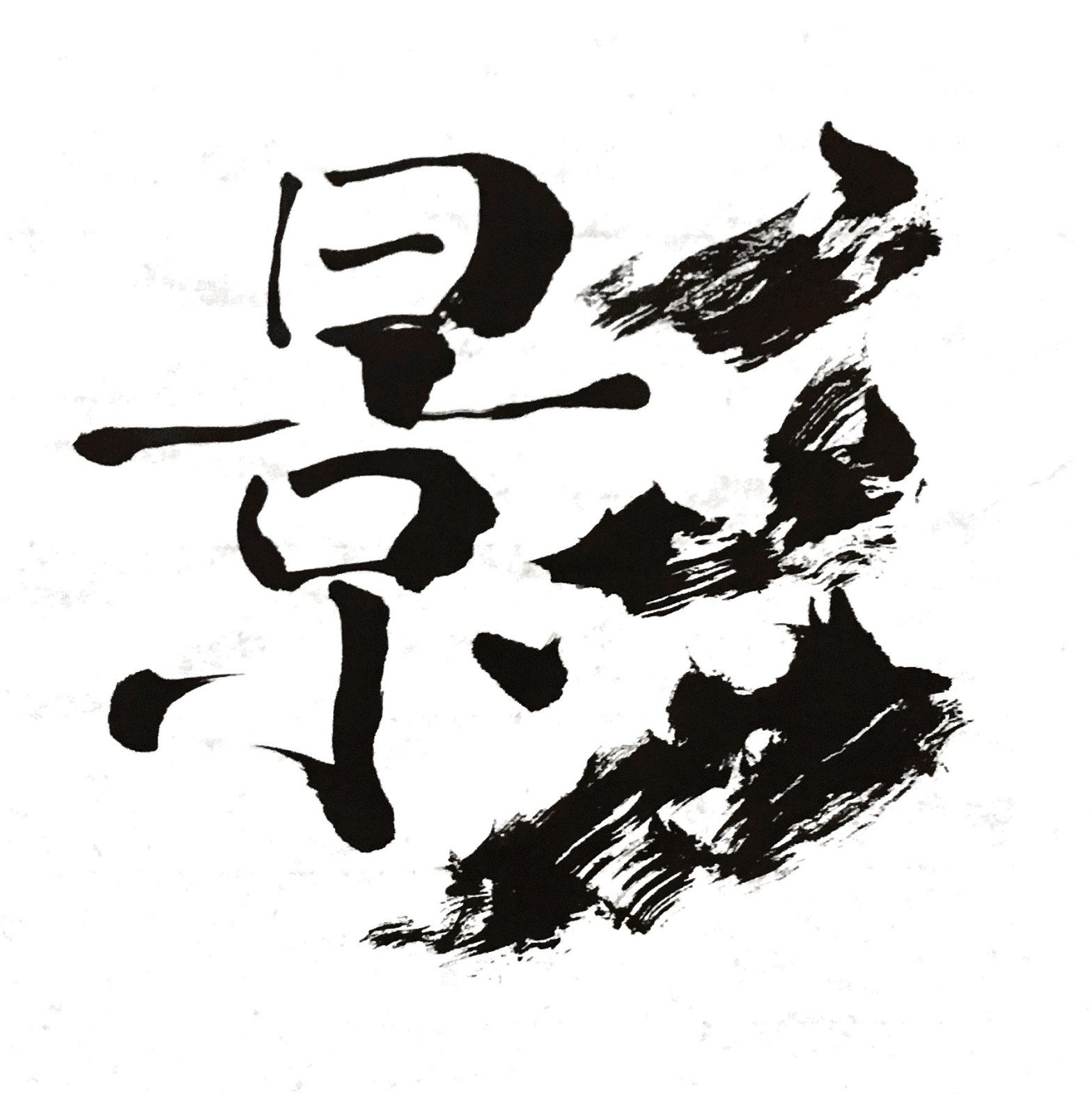
Japanese kanji characters are made up of smaller parts. The left hand side of a kanji is called then “hen”. In the case of 影, the “hen” is 景, which means “scenery” and can be a complete kanji by itself. The right hand side of a kanji is called the “tsukuri”. In this case theContinueContinue reading “影 (ka-ge) “shadow””
桜梅桃李 (ō-bai-tō-ri) “never compare yourself to others”
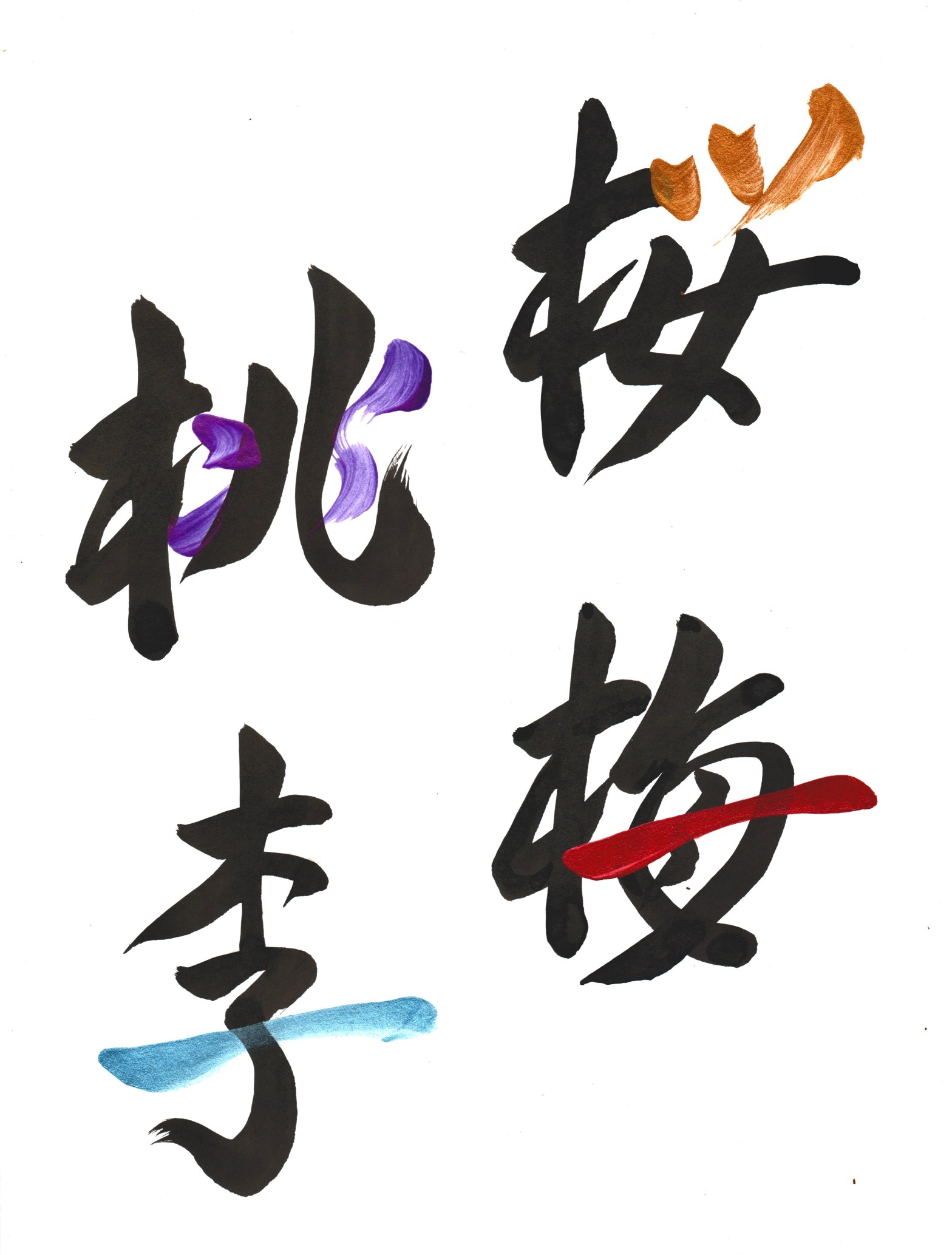
This yo-ji-juku-go (Japanese 4-character idiom) is comprised of 4 beloved Japanese trees. They are: 桜 = cherry (sakura) 梅 = apricot (ume) 桃 = peach (momo) 李 = plum (sumomo) 桜 (sakura) are of course the cherry blossom trees famous for blooming spectacularly and incredibly briefly once a year, usually in April. Sakura trees inContinueContinue reading “桜梅桃李 (ō-bai-tō-ri) “never compare yourself to others””
熊蟄穴 When bears begin to hibernate
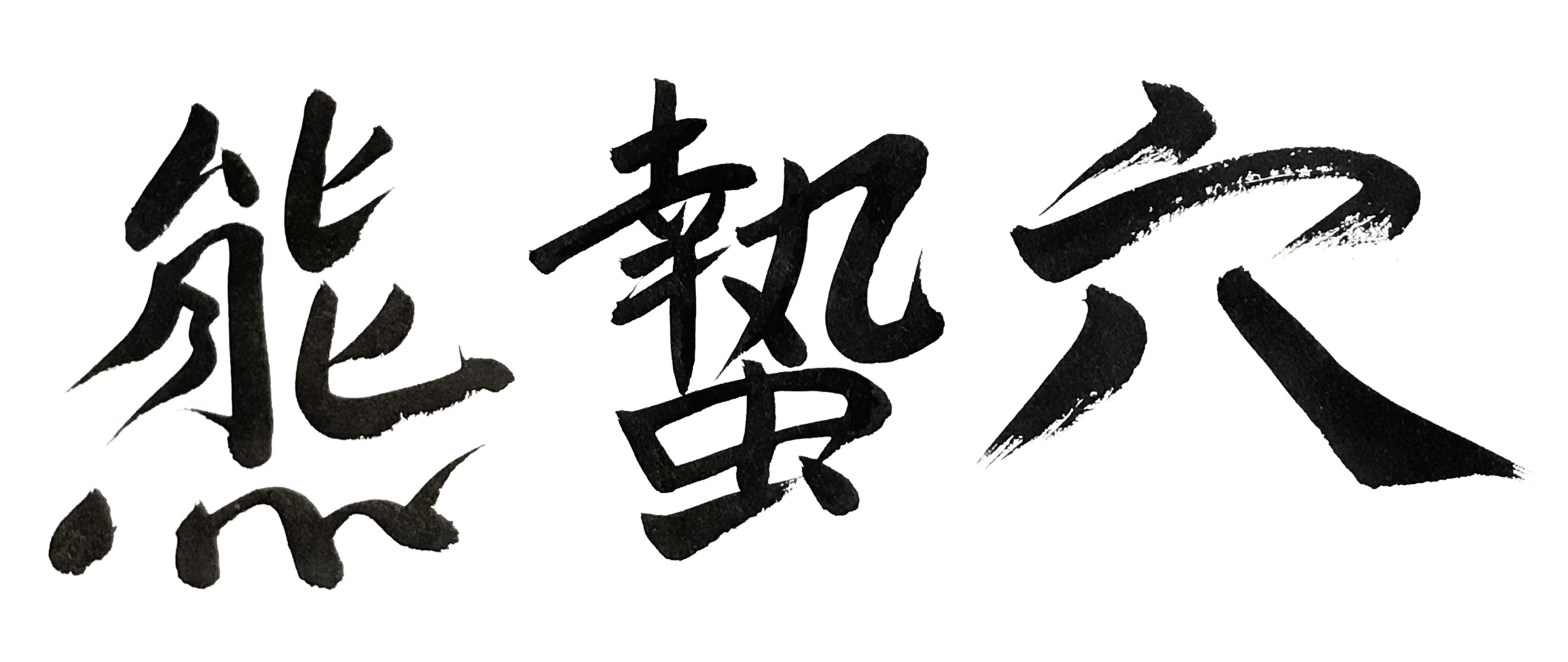
In ancient times Japanese people divided the year into 72 “micro-seasons”. These seasons were based on natural events such as the weather and appearance of various flora and fauna. Today marks the start of 熊蟄穴熊 = bear蟄 = hibernation. (It traditionally refers to the hibernation of insects; the more common word for animal hibernation isContinueContinue reading “熊蟄穴 When bears begin to hibernate”
 Calligraphy by Vicky