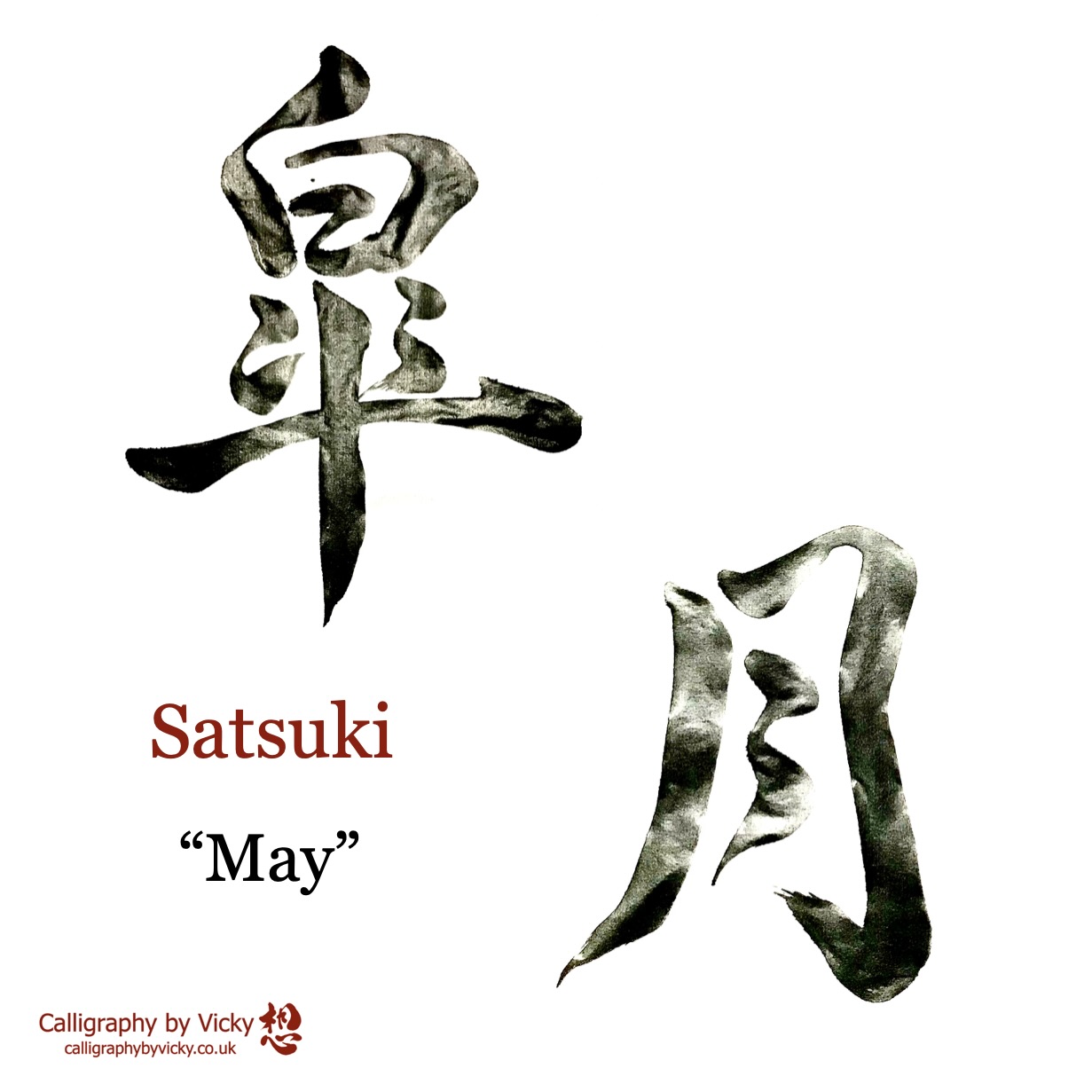
Like many countries, Japan uses a 12-month calendar. The names are very simple. January is 一月 (ichi-gatsu, literally “Month one”), February is 二月 (ni-gatsu, “Month two”), etc. However, before the Meiji Restoration (mid-1800s) it was common to use an older 12-month system. These months’ names referenced the weather and the seasons (similar to the FrenchContinueContinue reading “皐月 (sa-tsu-ki) “May””
Category Archives: Uncategorized
Five Ways Japan is Inconvenient for Foreign Travellers — Food and Drink Edition
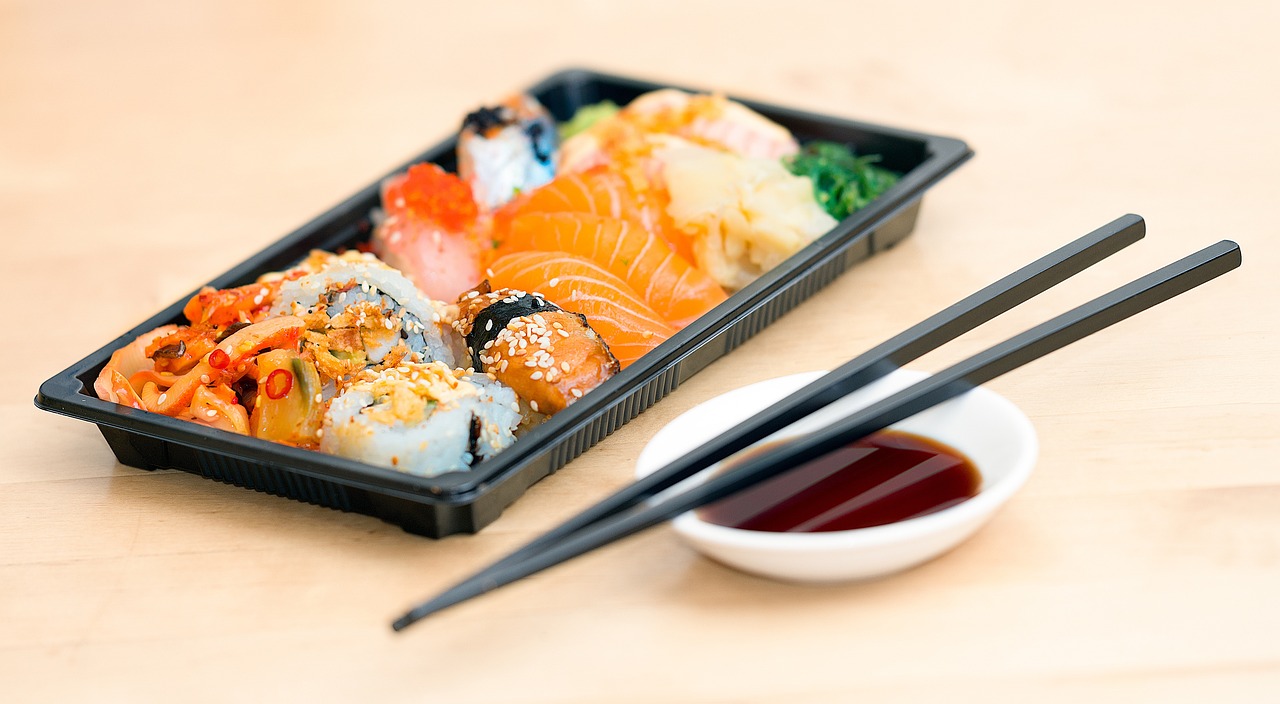
Image by Arek Socha from Pixabay Originally posted on Medium. World-famous for its unique and varied cuisine, Japan is a foodie’s paradise. There are so many must-try dishes, from home-grown dishes such as sushi and udon, to those adopted from other countries such as ramen, curry-rice and tonkatsu (fried pork cutlet). Unfortunately nowhere is perfect, and Japan can present someContinueContinue reading “Five Ways Japan is Inconvenient for Foreign Travellers — Food and Drink Edition”
臥虎藏龍 Crouching Tiger, Hidden Dragon
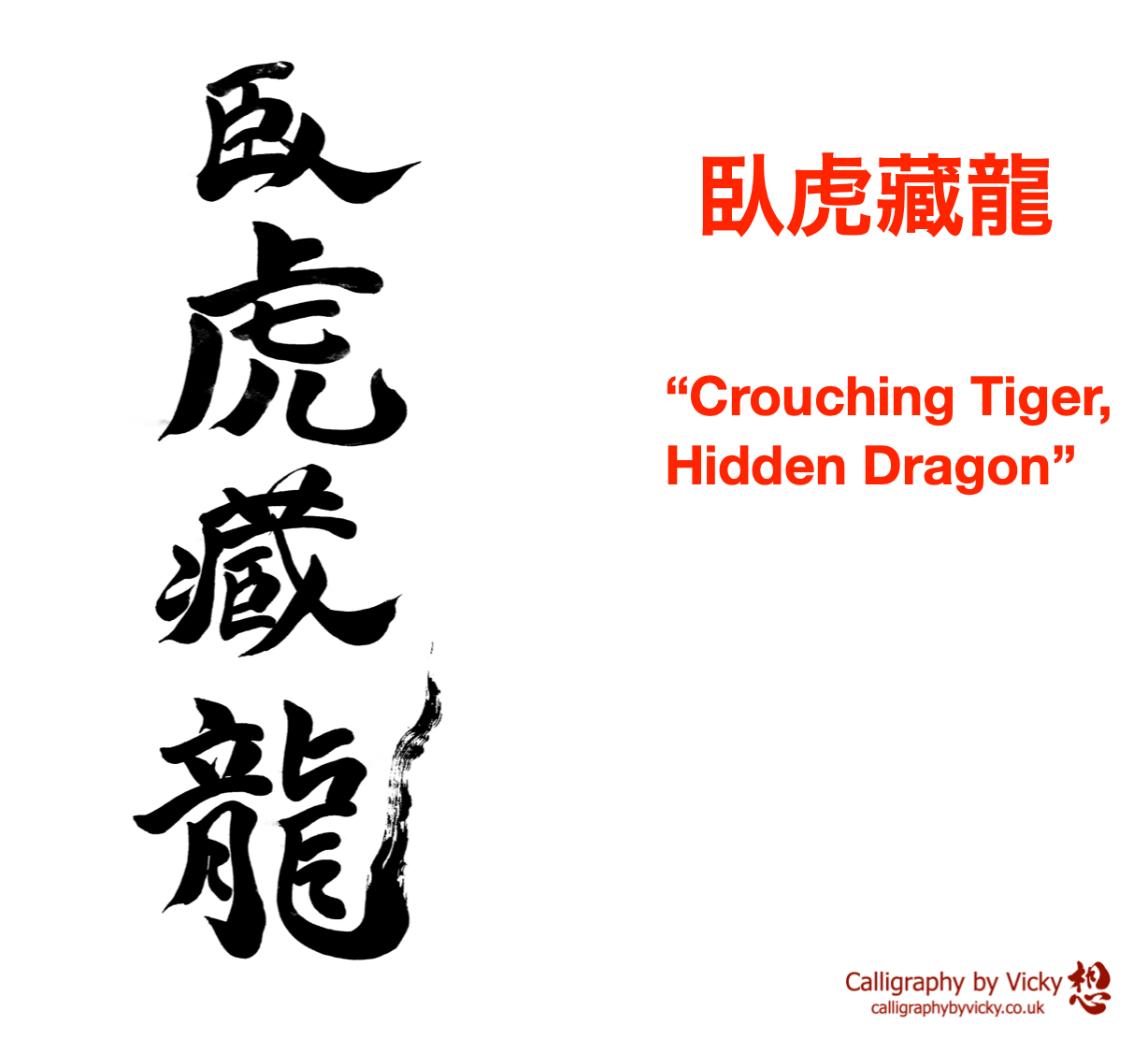
This is a Chinese idiom which describes a place that is full of talented or extraordinary people who remain hidden and undiscovered. It’s also the name of the 2000 Chinese martial arts movie starring the amazing Michelle Yeoh.
卯月(uzuki) “April” (archaic)
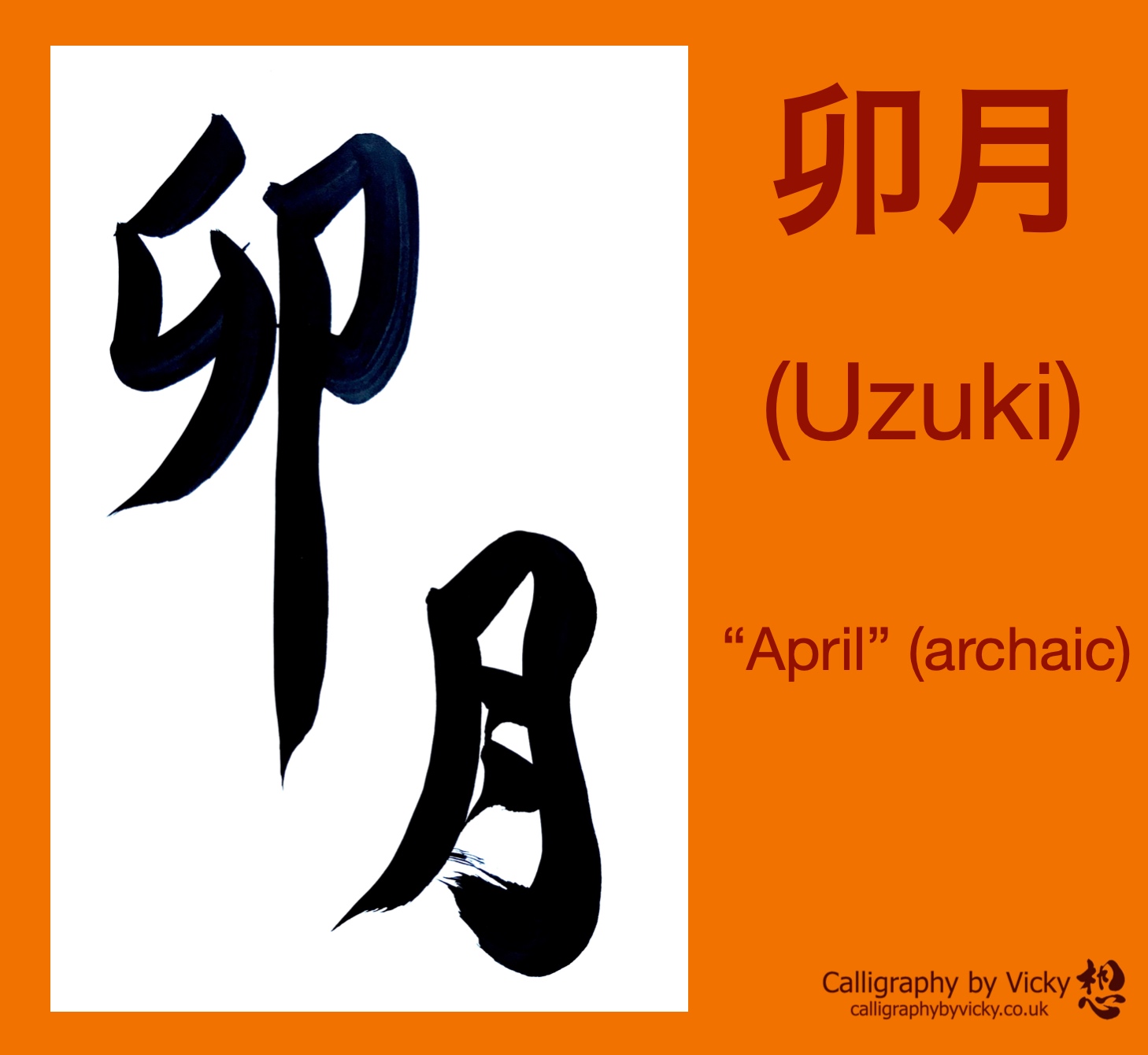
Like many countries, Japan uses a 12-month calendar. The names are very simple. January is literally “Month one” 一月, February is “Month two” 二月, etc. However, before the Meiji Restoration (mid-1800s) it was common to use an older 12-month system. These months’ names referenced the weather and the seasons (similar to the French Revolutionary calendar).ContinueContinue reading “卯月(uzuki) “April” (archaic)”
春分 (shun-bun) “Spring Equinox”
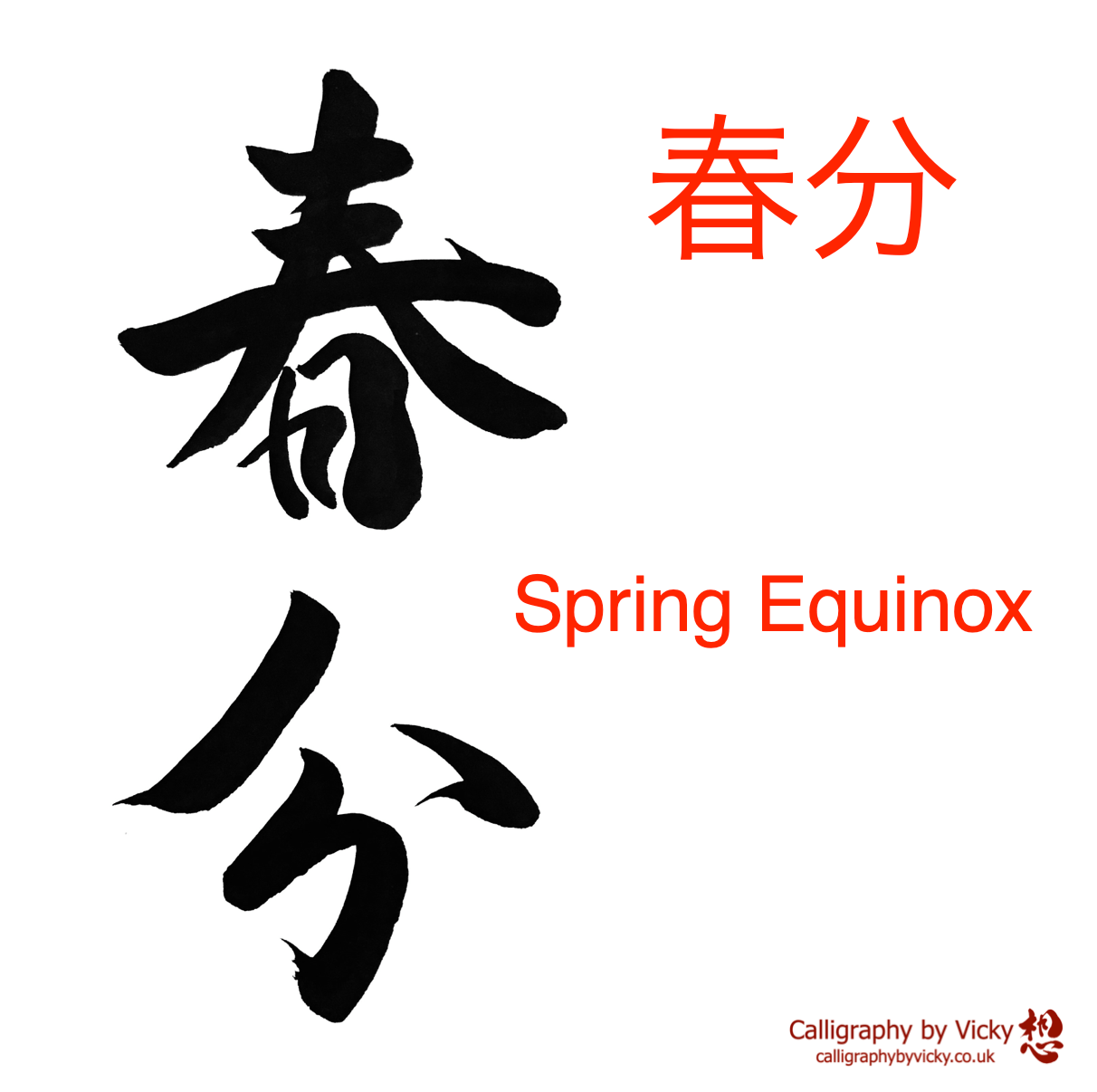
In Japan, Spring Equinox is a national holiday. The week which contains Spring Equinox is called “o-higan”. This has connections with Buddhism, and on this day many people visit spend time with their families and visit their family grave. “Bota-mochi” (rice cake covered in sweet bean paste) is traditionally eaten on this day.
関 (seki) “barrier, connection”

This kanji character is rarely used on its own, but is often found combined with other characters. For example, 関西 (Kansai) and 関東 (Kanto). Since ancient times there has been a road from Tokyo (the current capital) to Kyoto (the former capital). At the mid-way point there used to be a large gate. This led toContinueContinue reading “関 (seki) “barrier, connection””
弥生 (yayoi) “March” (archaic)

Like many countries, Japan uses a 12-month calendar. The names are very simple. January is literally “Month one”, February is “Month two”, etc. However, before the Meiji Restoration (mid-1800s) it was common to use an older 12-month system. These months’ names referenced the weather and the seasons (similar to the French Revolutionary calendar). The monthContinueContinue reading “弥生 (yayoi) “March” (archaic)”
偶然 (gū-zen) “coincidence”
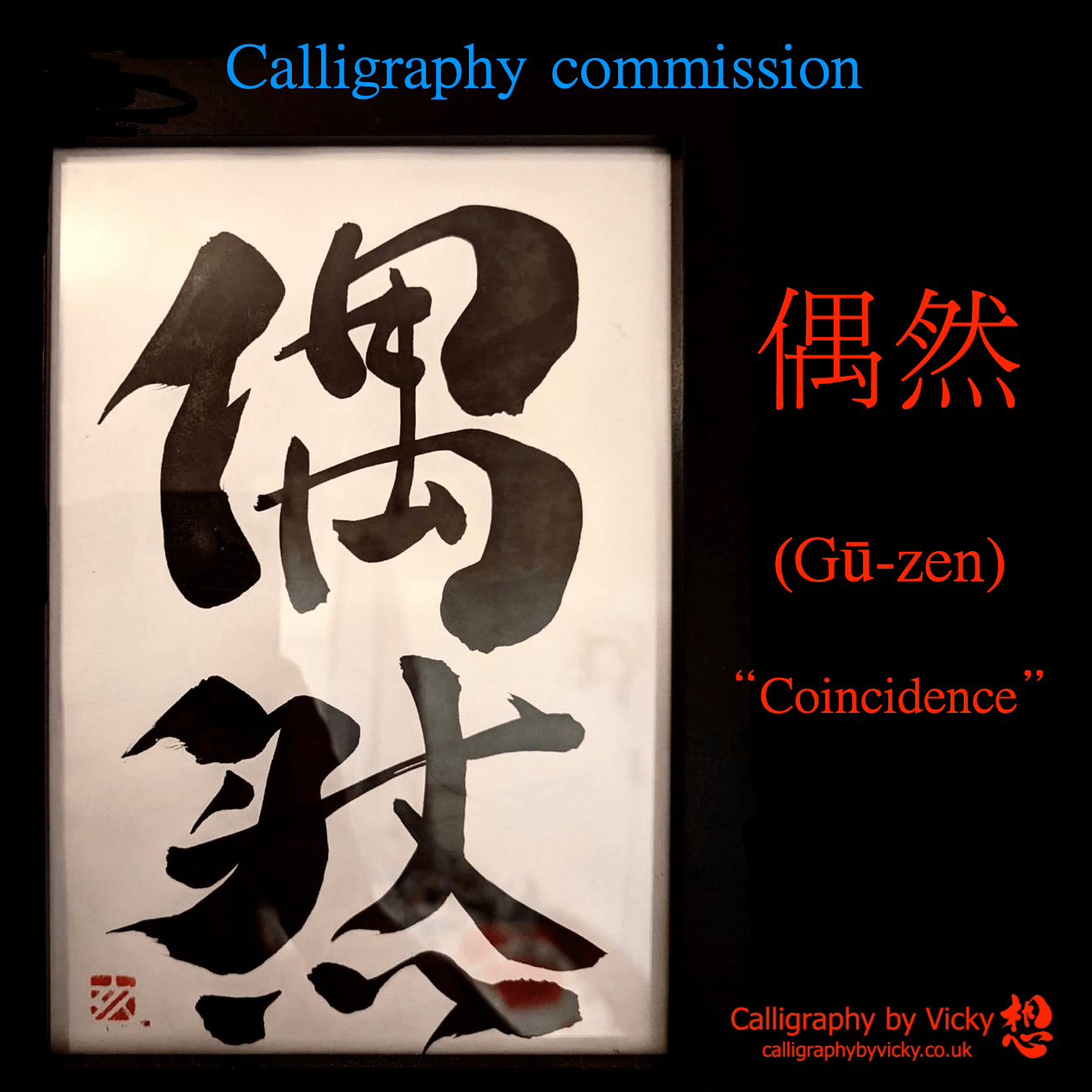
A calligraphy commission for a friend who very much believes in fate.
限 (gen) “boundary, limit”
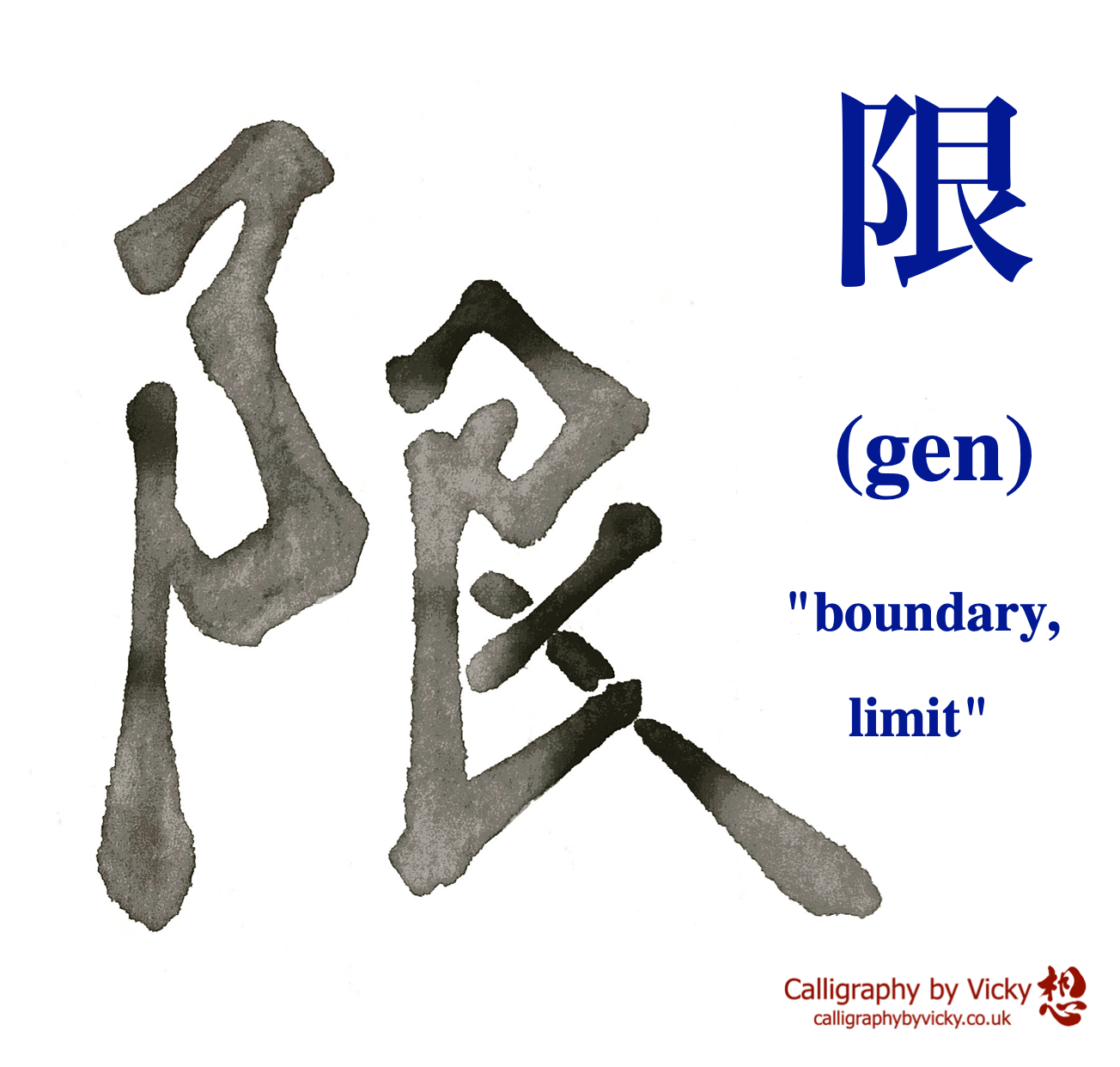
We tend to think of creativity as something that is free from limits. But what if the opposite was also true? The benefit of working within limits is that it is precisely the act of pushing against these limits, stretching them, bending them, playing with them, which leads to interesting artistic expression. In other words,ContinueContinue reading “限 (gen) “boundary, limit””
The Year of the Dragon… or the Year of the Loong?
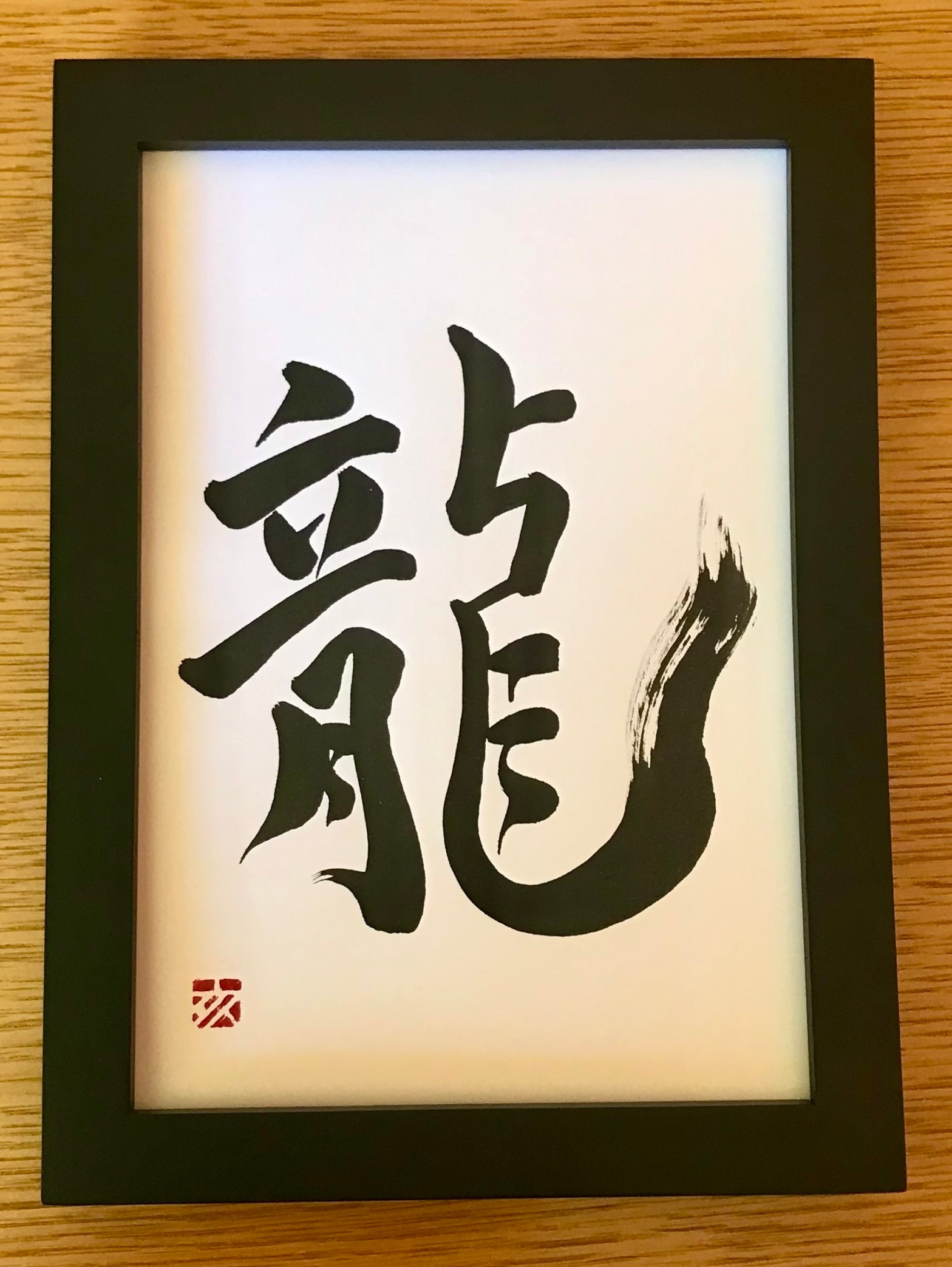
When I was a kid my teacher read a Chinese folk tale about a boy who goes on an adventure with a dragon. Being young and rather blunt-minded I couldn’t help wondering why the dragon didn’t just breathe fire on the boy and eat him. That’s what dragons do, right? Except of course it wasn’tContinueContinue reading “The Year of the Dragon… or the Year of the Loong?”
 Calligraphy by Vicky