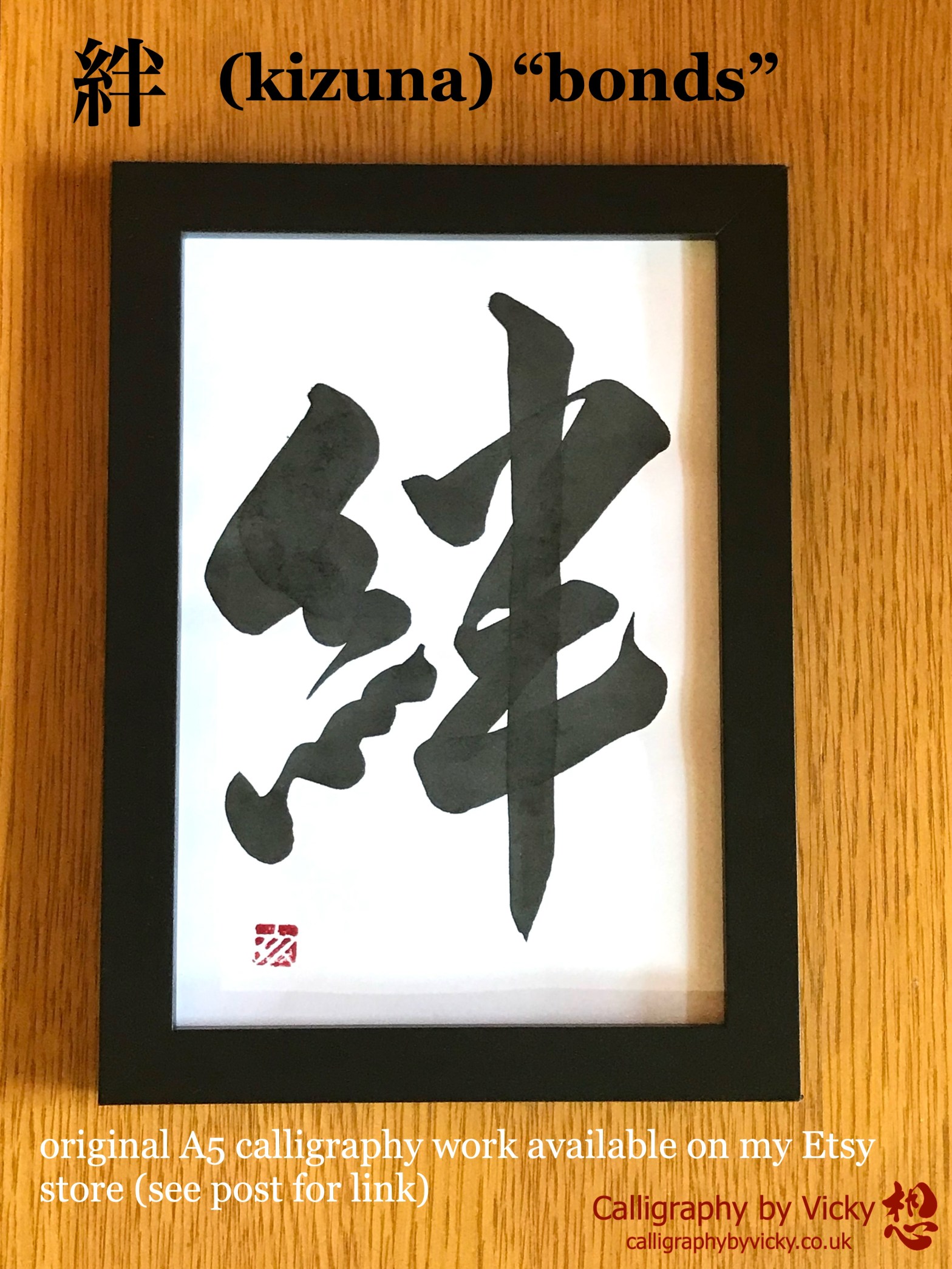
“Kizuna” can refer to any kind of bond, but it usually refers to the bonds that structure human relationships. Although the term “bond” sounds inflexible and unforgiving, in Japan it usually has a positive nuance when used to describe human relationships. Even if the nature of a human relationship leads to a reduction in humanContinueContinue reading “絆 (ki-zu-na) “bonds””
Category Archives: Uncategorized
間 (ma) “emptiness, space, interval”
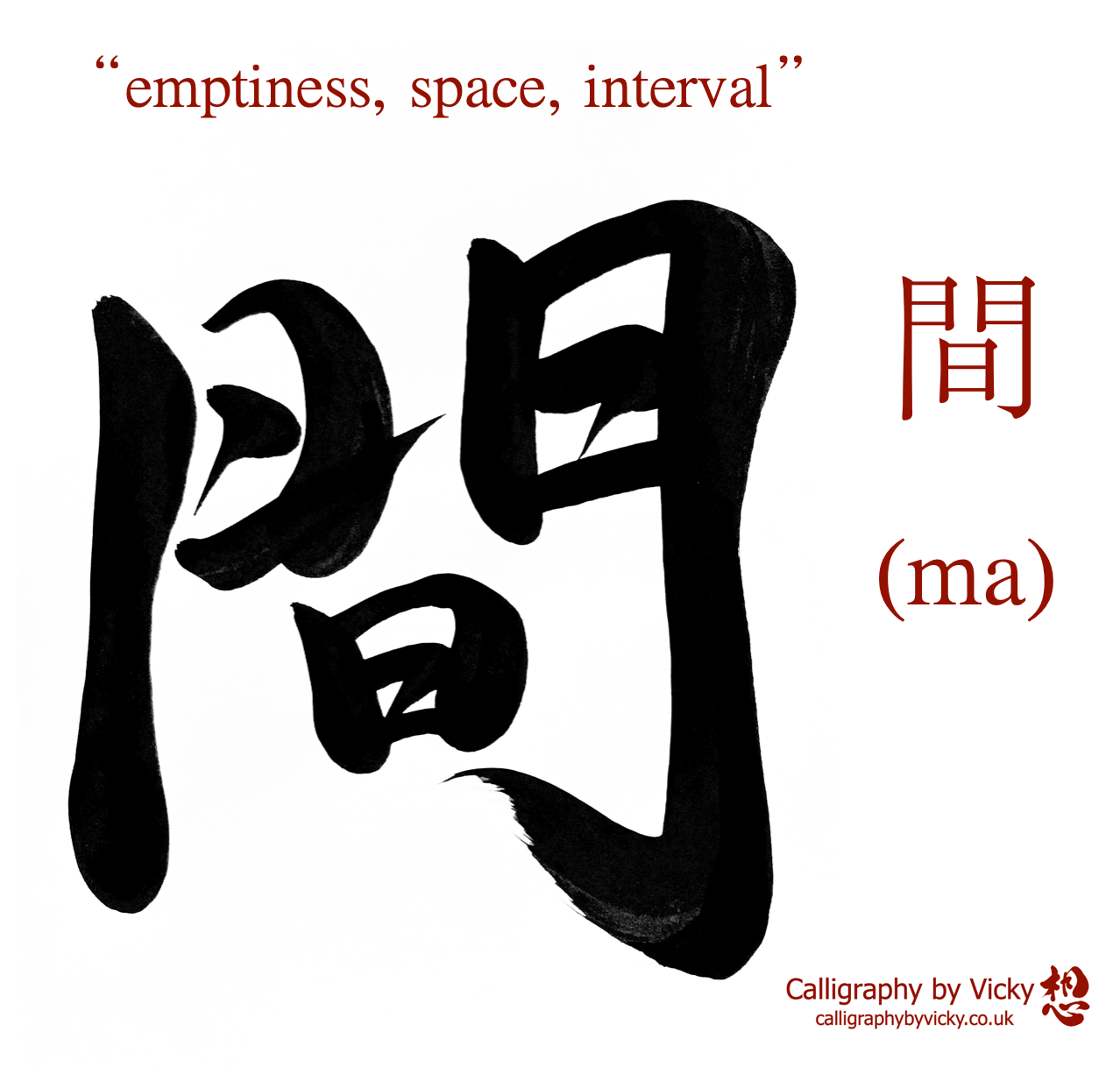
“Though thirty spokes may form the wheel, it is the hole within the hub which gives the wheel utility. It is not the clay the potter throws, which gives the pot its usefulness, but the space within the shape, from which the pot is made. Without a door, the room cannot be entered, and withoutContinueContinue reading “間 (ma) “emptiness, space, interval””
和 (wa) peace
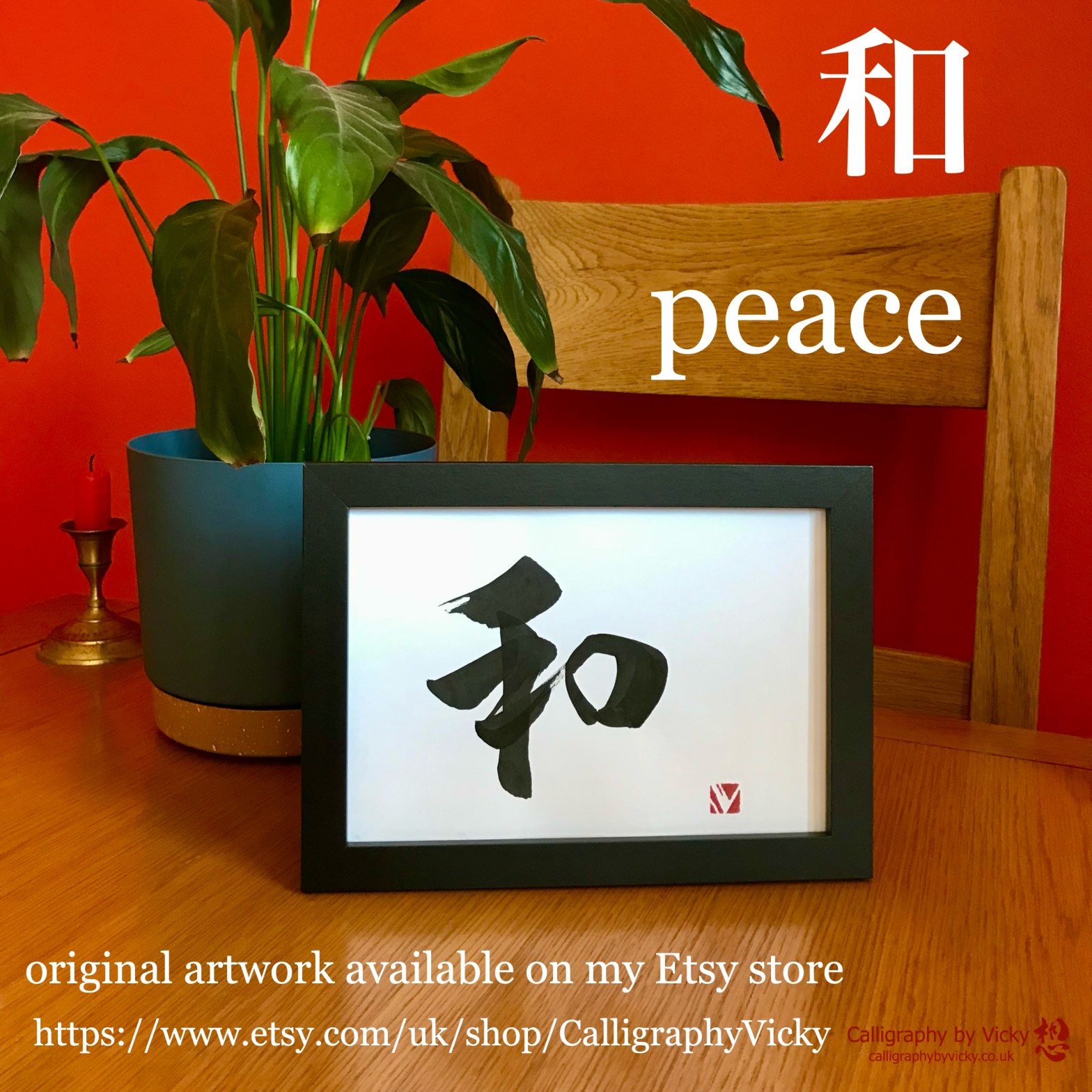
Original shodo (Japanese calligraphy) artwork available here on my Etsy store
文月 (fumizuki) July (archaic)
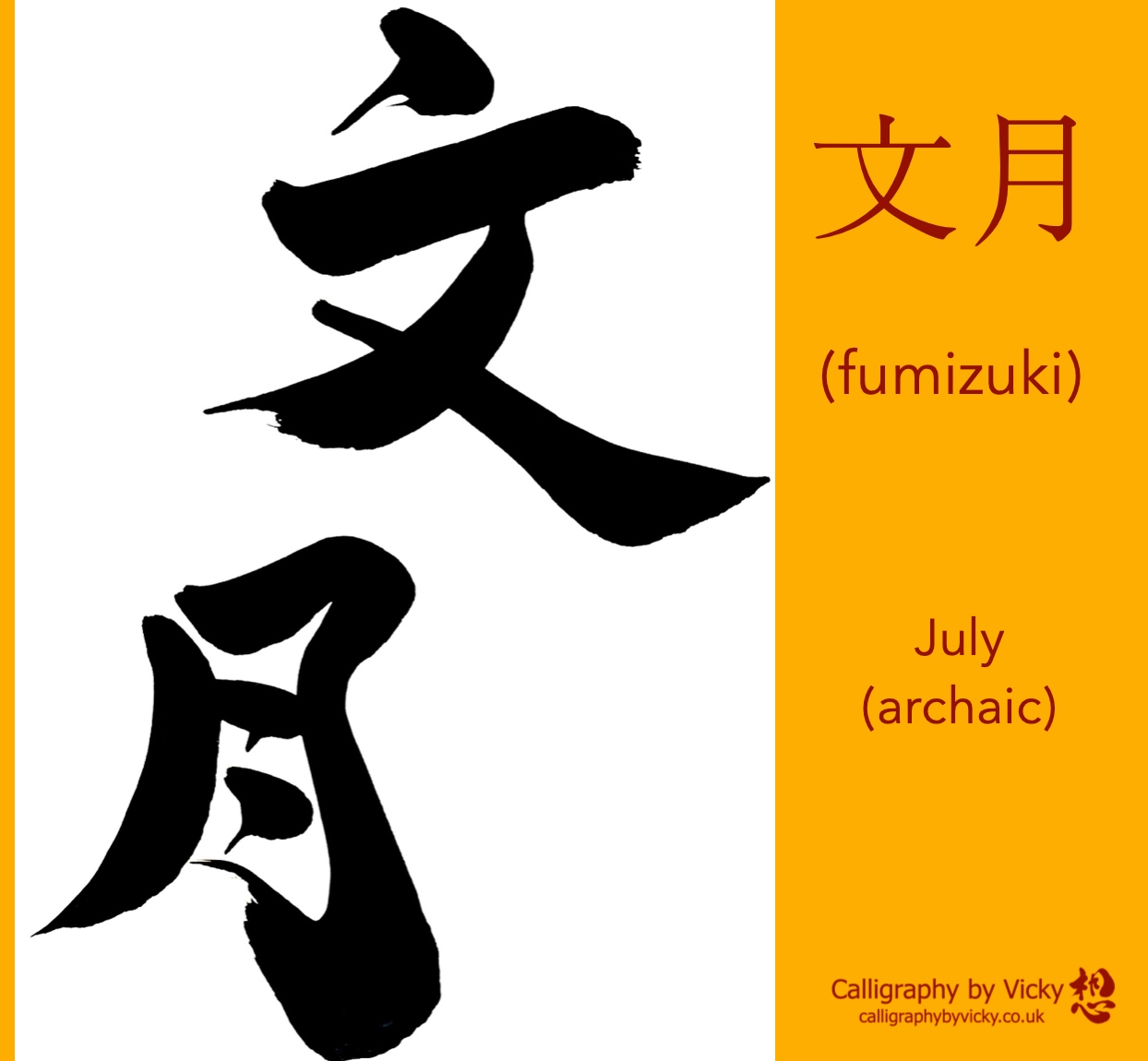
Like many countries, Japan uses a 12-month calendar. The names are very simple. January is literally “Month one”, February is “Month two”, etc. However, before the Meiji Restoration (mid-1800s) it was common to use an older 12-month system. These months’ names referenced the weather and the seasons (similar to the French Revolutionary calendar). July isContinueContinue reading “文月 (fumizuki) July (archaic)”
七夕 (Tanabata) The Japanese star festival
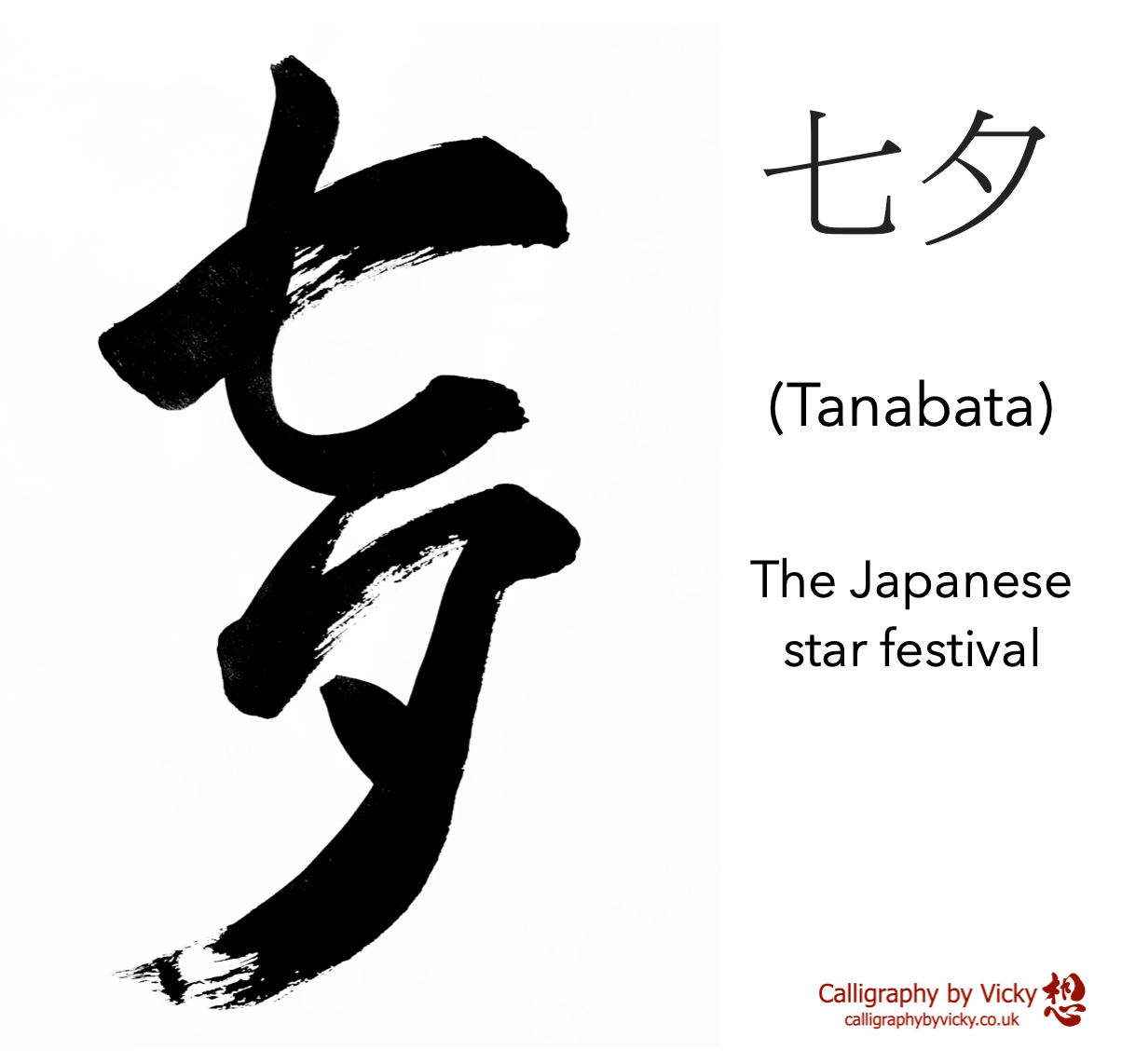
Often translated into English as the “Star Festival”, Tanabata celebrates the annual meeting of the stars Vega and Altair, believed to be separated lovers who are permitted by the gods to meet only once a year. People celebrate this festival by writing wishes on small coloured pieces of paper and tying them to bamboo plants.ContinueContinue reading “七夕 (Tanabata) The Japanese star festival”
菖蒲華 (Ayame hana saku) “Irises bloom”
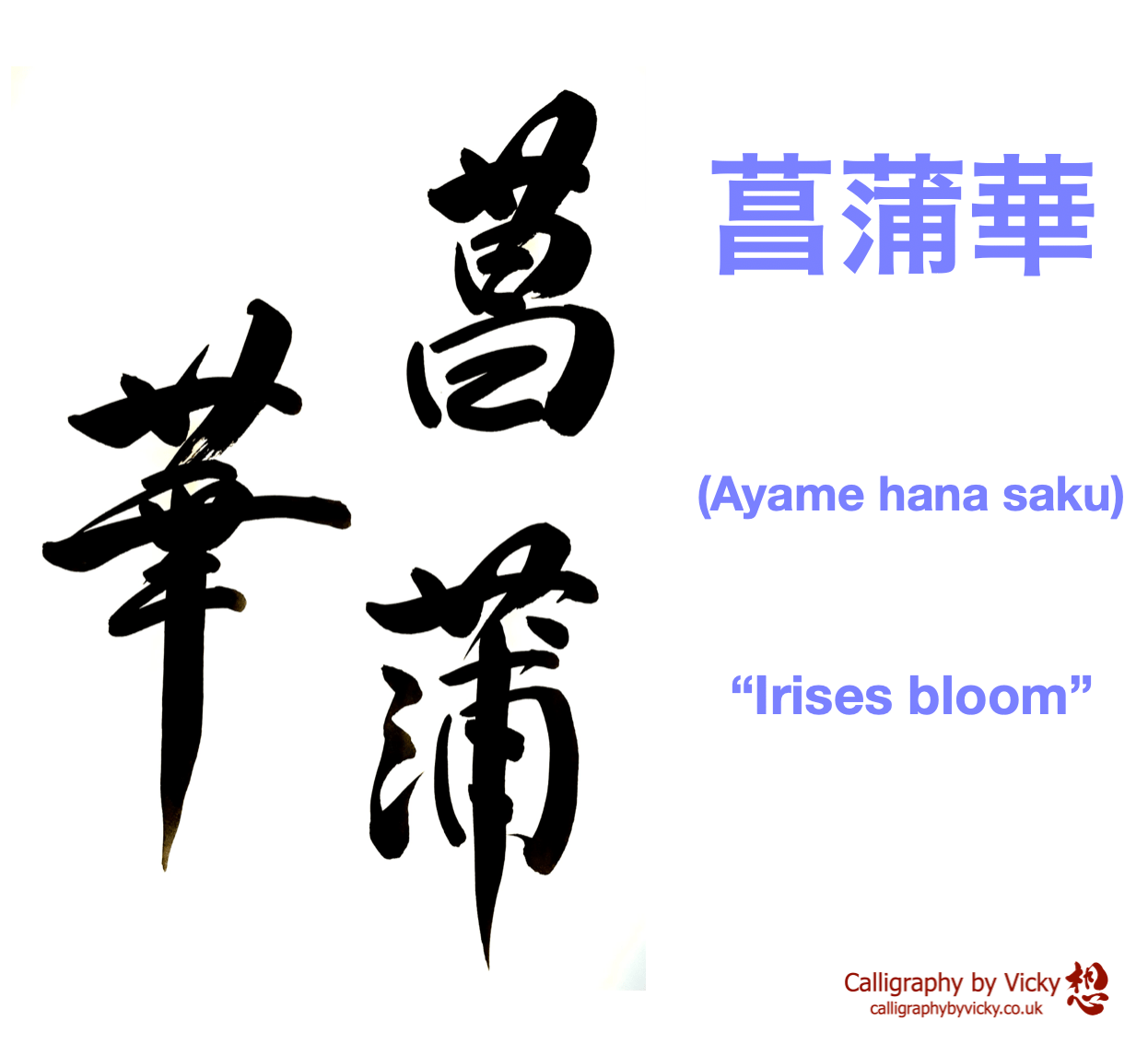
In ancient times Japanese people divided the year into 72 “micro-seasons”. These seasons were based on natural events such as the weather and appearance of various flora and fauna. Later this month it will be 菖蒲華, marking period when irises begin to bloom. You can find out more about Japanese micro-seasons here.
水無月 (mi-na-zuki) “The month of water”
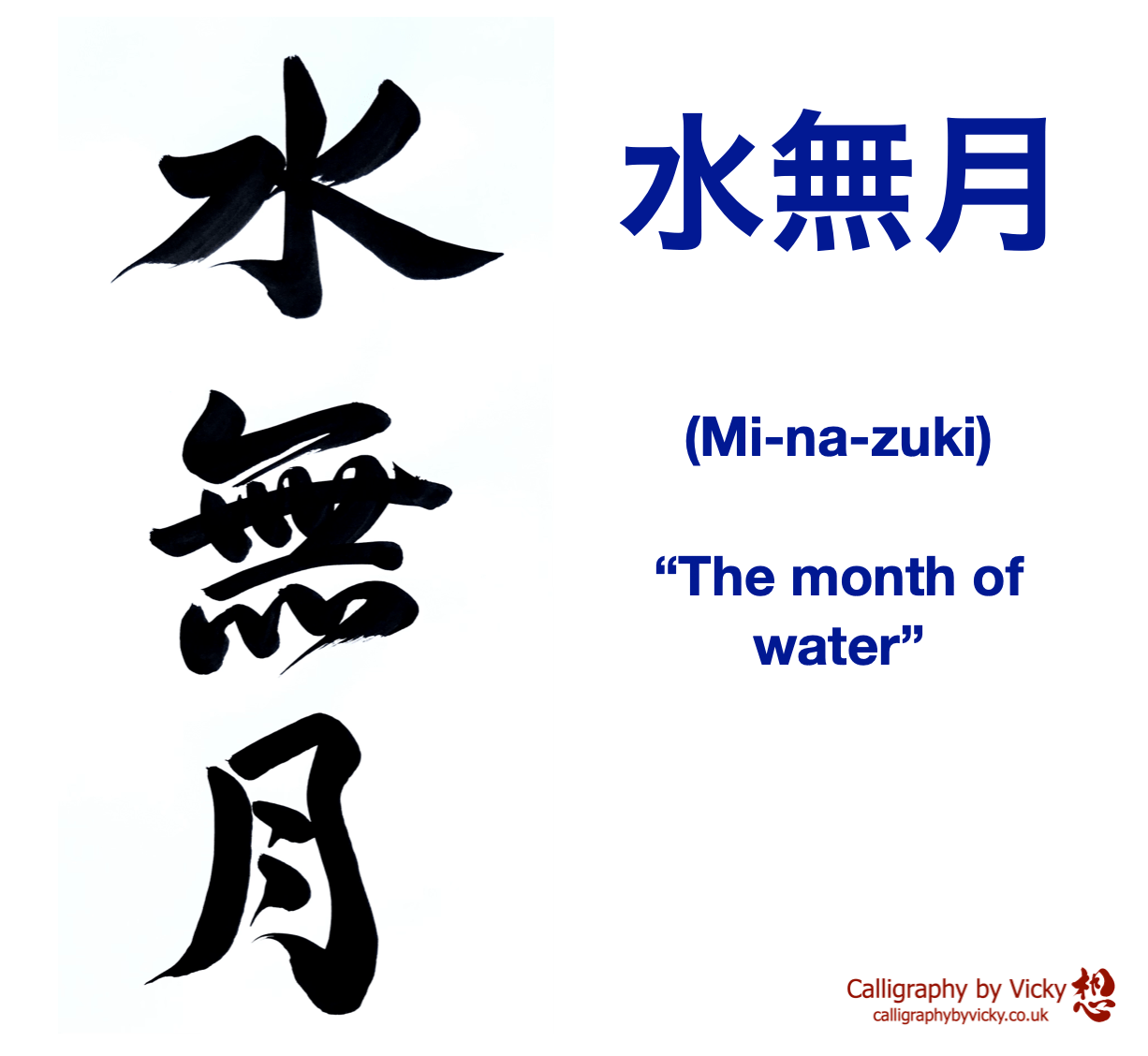
水 = water 無 = not any 月 = month I know, 無 means “not any”, not “of”. So why doesn’t this mean “the month with no water”? According to wikipedia, this 無 is used purely as an ateji, which is a kanji used for its pronunciation rather than its meaning. 無 is pronounced “na”,ContinueContinue reading “水無月 (mi-na-zuki) “The month of water””
道 “road”, “path”, “the way”, “the Tao” (michi/dō)
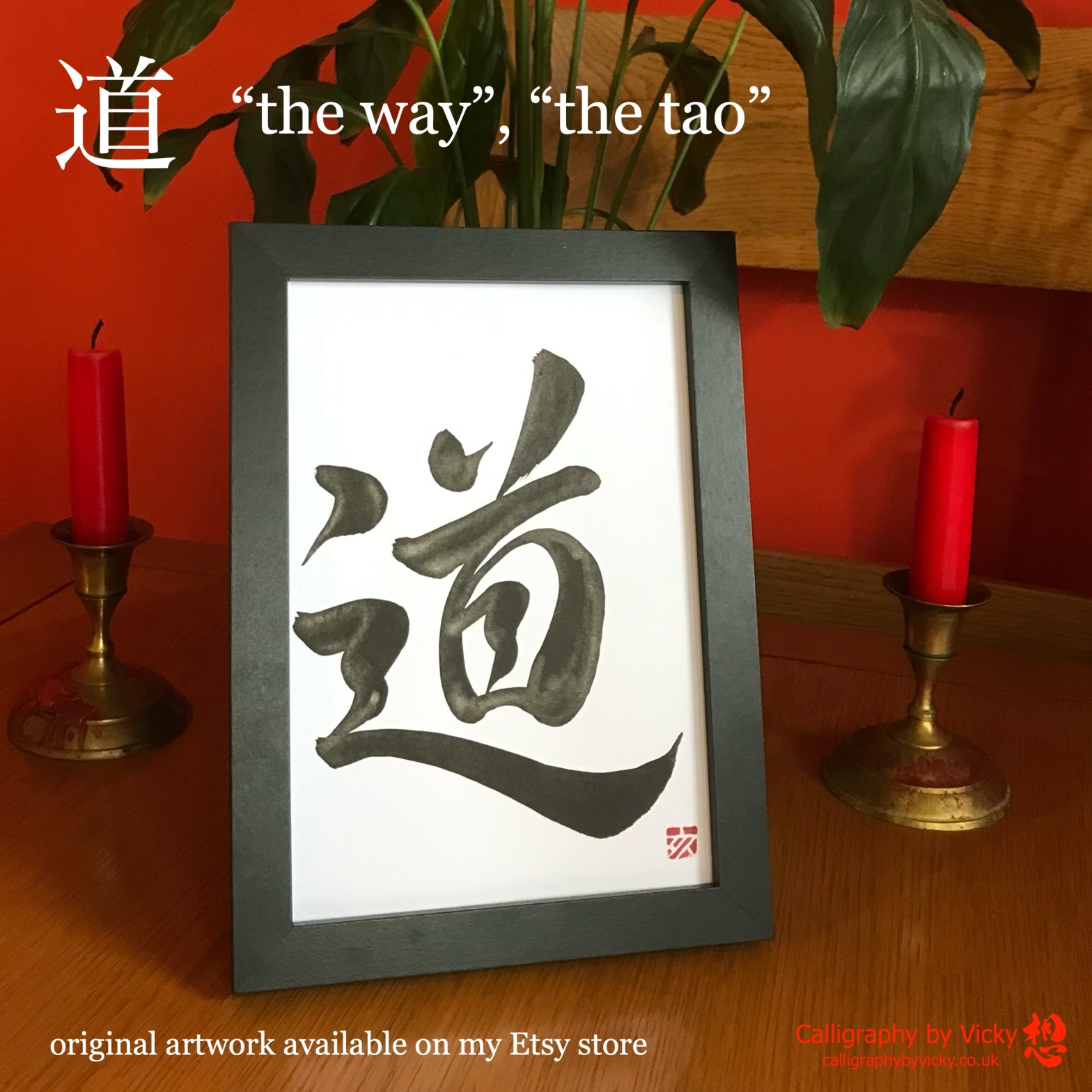
This is the “-dō” of the Japanese martial arts of judo, kendo and aikido, as well as shodo (calligraphy) and sado (tea ceremony). Loosely translated it means “way”, “route”, “path” or “doctrine”. Studying a Japanese art is considered similar to taking a journey up a mountain. The summit is the refinement of oneself, and thereContinueContinue reading “道 “road”, “path”, “the way”, “the Tao” (michi/dō)”
神 (kami) “god/spirit”
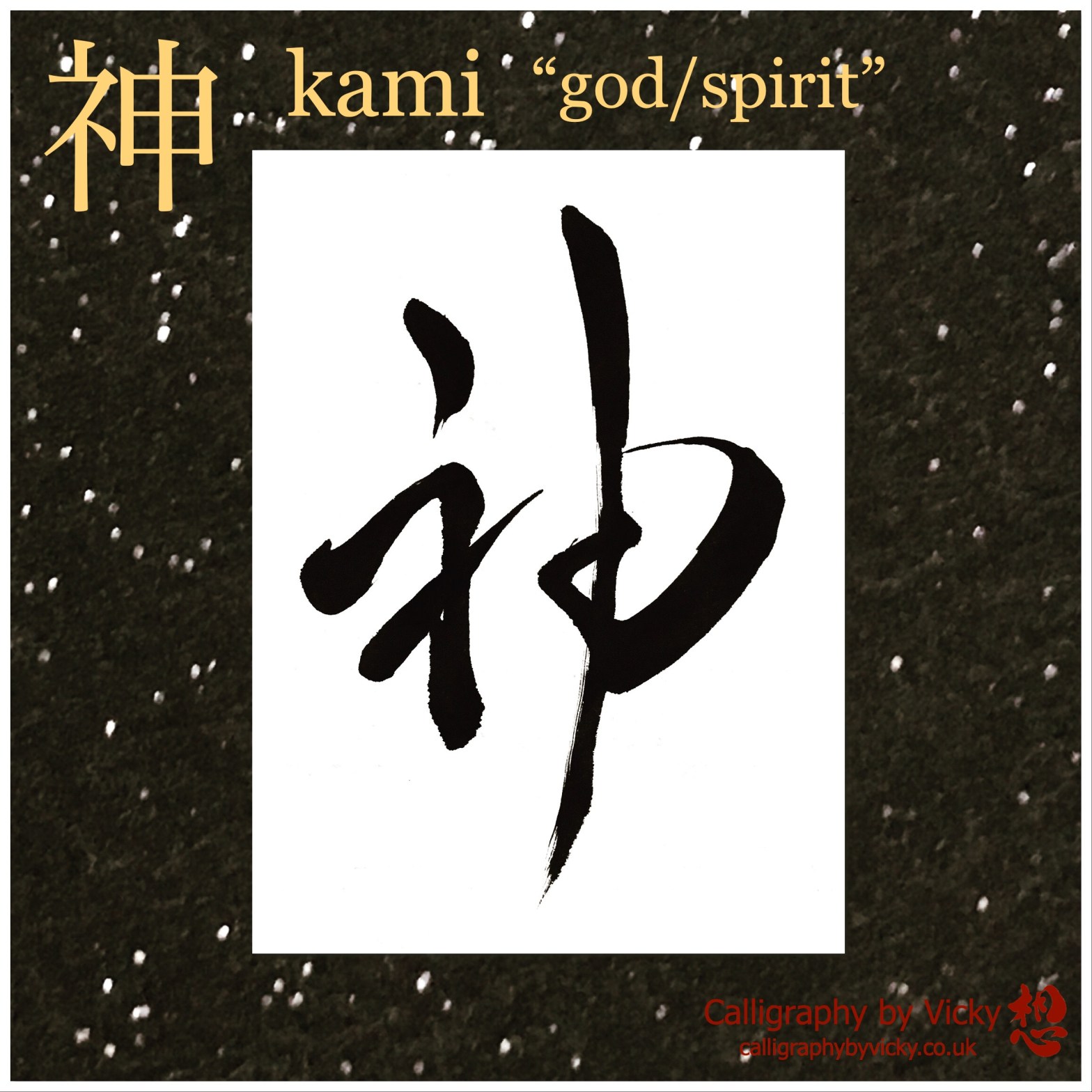
In a previous post I talked about 結 (musubi), the relationships that tie humans together. These 結 musubi refer to the interconnecting energy of the universe. Japanese kami (divine spirits) are thought to be manifestations of this energy.
結 (musu/ketsu) human relations
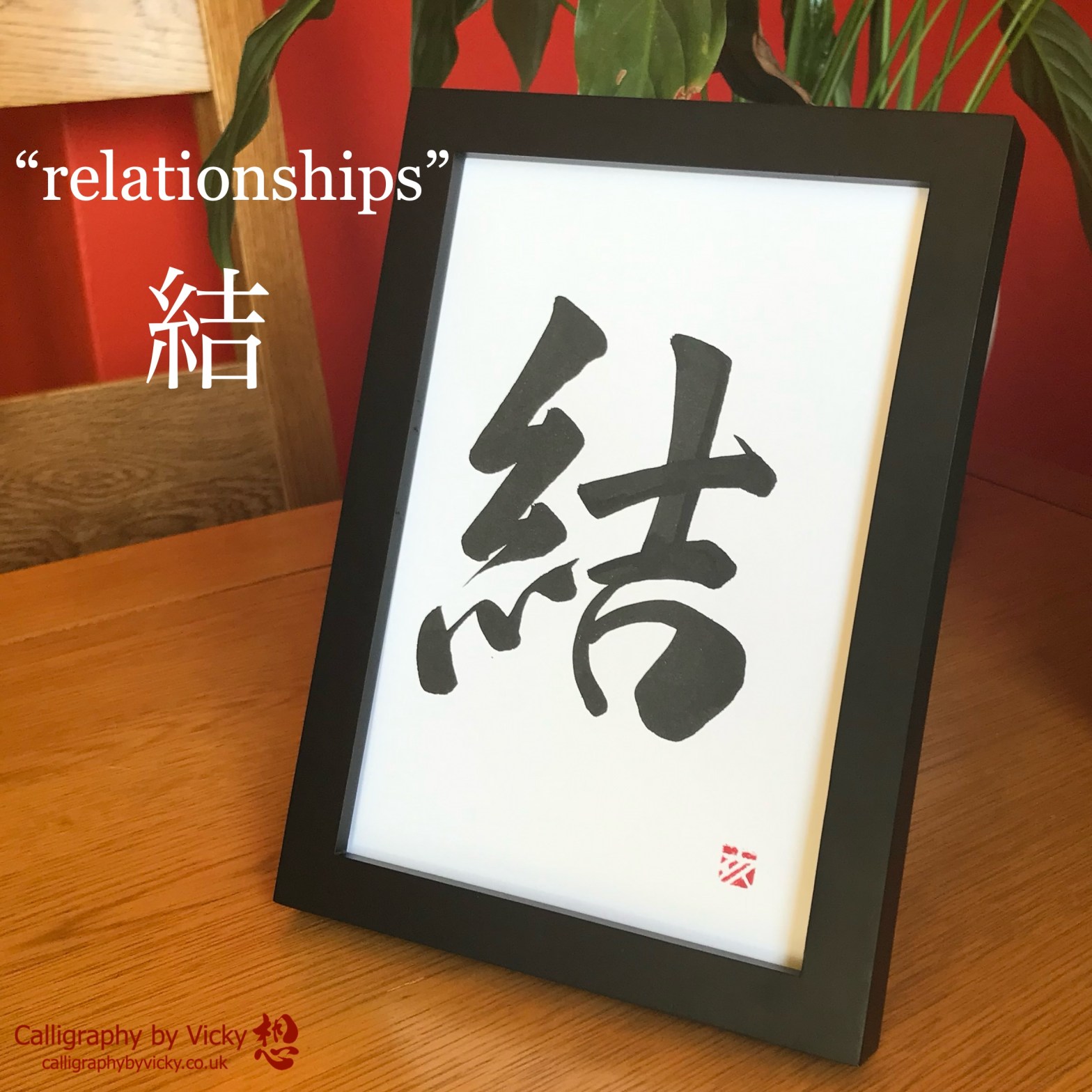
Literally meaning “tying together”, this word can be used to refer to the relationships that tie humans together, in particular romantic relationships. In Japan (as well as China and Korea) lovers who are destined to be together are thought to be joined by the “red thread of fate”. Romantic partners are often depicted with aContinueContinue reading “結 (musu/ketsu) human relations”
 Calligraphy by Vicky