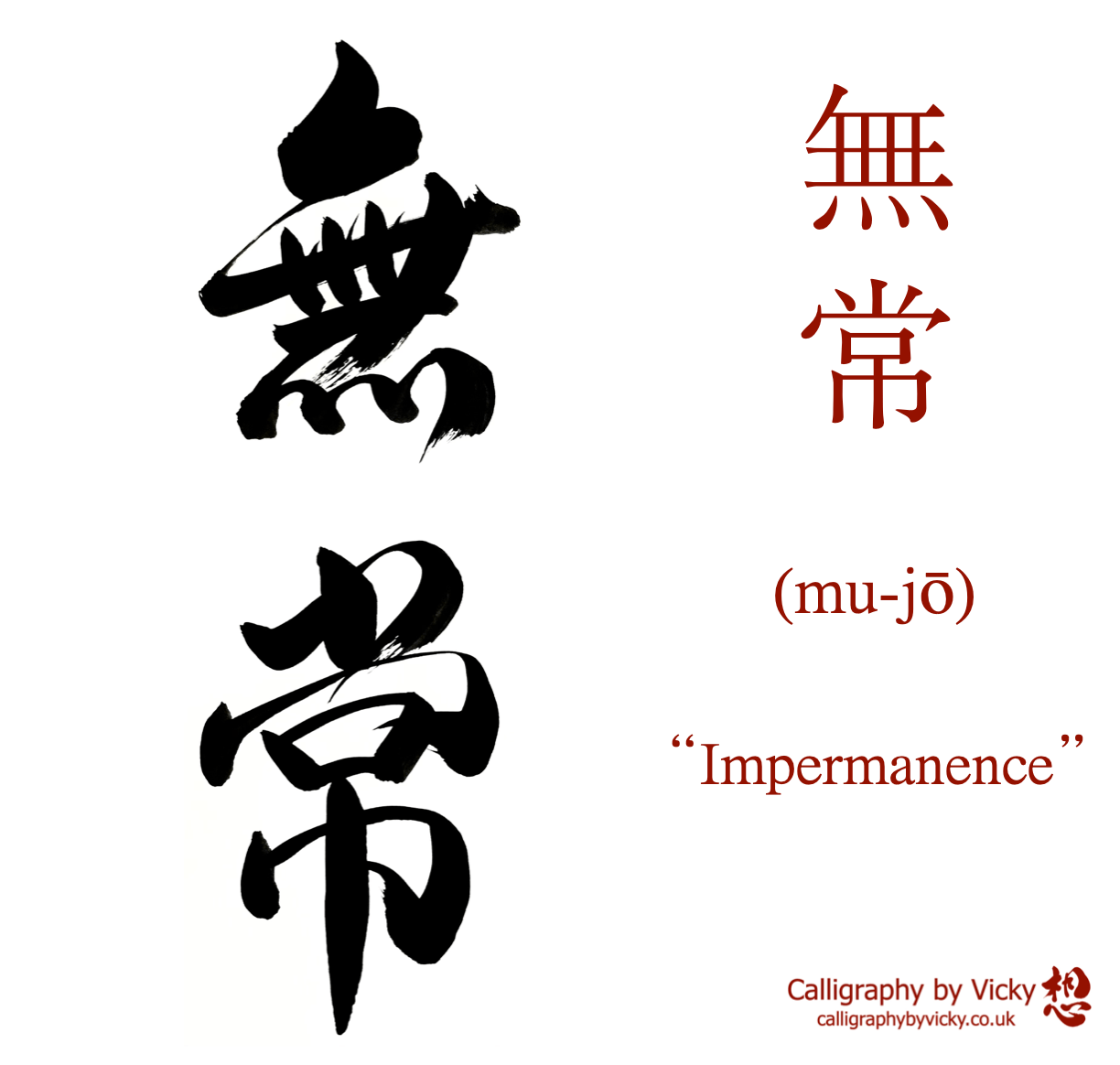
“Western aesthetics is sometimes familiar with simplicity, asymmetry and suggestion, but the idea that beauty lies in its own vanishing is an idea much less common. Perishability remains, however, what [Donald] Keene has called the ‘the most distinctively Japanese aesthetic ideal’. It is certainly among the earliest, being based on the Buddhist concept of “mujō”…ContinueContinue reading “無常 (mu-jō) “impermanence””
Category Archives: Uncategorized
言霊 (kotodama) “word-spirit”

Kotodama refers to the traditional belief that mystical powers dwell in words and names. Just like martial arts practitioners giving out a shout when they make a strike (“ki-ai” – literally “meeting of spirit”) it is believed that sounds can affect our body, mind and souls.
悟 (Satori) “enlightenment”

Satori is the Japanese word for the buddhist concept of enlightenment. It is said that once one has experienced satori, one’s perspective on life is forever changed. The artwork in the above photo is one of my original one-offs. You can own it by purchasing it from my Etsy store here.
秋 (aki) “autumn”

The nights are getting cooler and autumn has arrived in Japan. Japanese people seem to really like acknowledging the changing of the seasons. Restaurant menus (even cheap places) will have autumn-themed menus with pumpkin, chestnuts and mushrooms, and many people enjoy going to parks to admire the autumn leaves. It’s also common for schools toContinueContinue reading “秋 (aki) “autumn””
神無月 (kan-na-zuki) “October” (archaic)
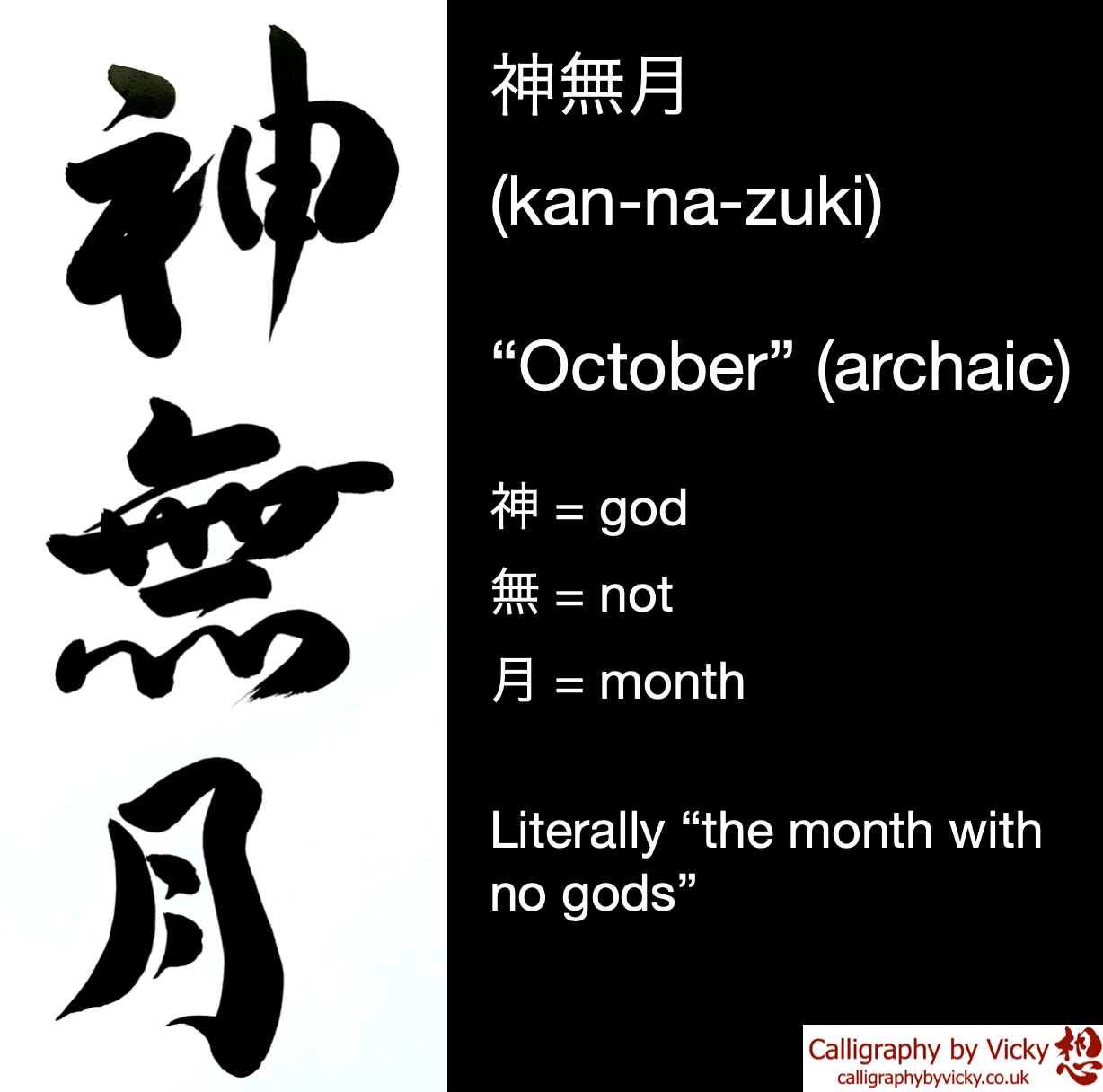
神 = god 無 = not 月 = month The modern Japanese word for October is 十月 (literally “10th Month), however in the old-fashioned calendar is was known as 神無月, or “the month with no gods”. In October, all the gods in Japan (there are believed to be 8 million of them) go to IzumoContinueContinue reading “神無月 (kan-na-zuki) “October” (archaic)”
月見 (Tsukimi) “moon-viewing”

This Sunday will be Moon Viewing Day in Japan. The first full moon in September is considered particularly clear and beautiful, much like the idea of a “harvest moon”. 🎑 🌕 In Japan, Moon Viewing Day is celebrated by eating white dumplings. In China it is celebrated by eating mooncakes – pastries filled with lotusContinueContinue reading “月見 (Tsukimi) “moon-viewing””
月 (tsuki) “moon”
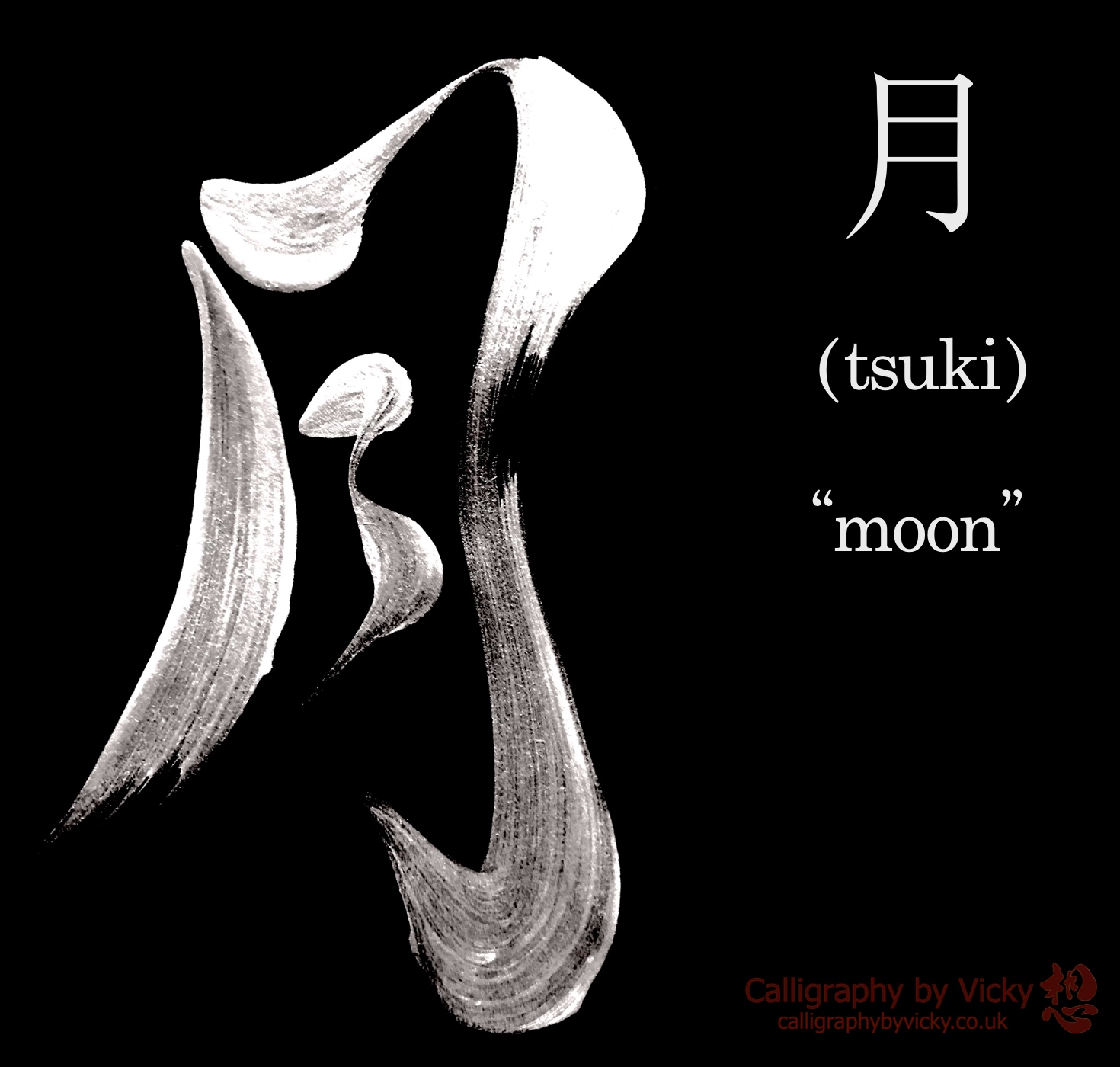
This Sunday will be Moon Viewing Day in Japan. The first full moon in September is considered particularly clear and beautiful, much like the idea of a “harvest moon”. 🎑 🌕
長月 (Nagatsuki) “September” (archaic)
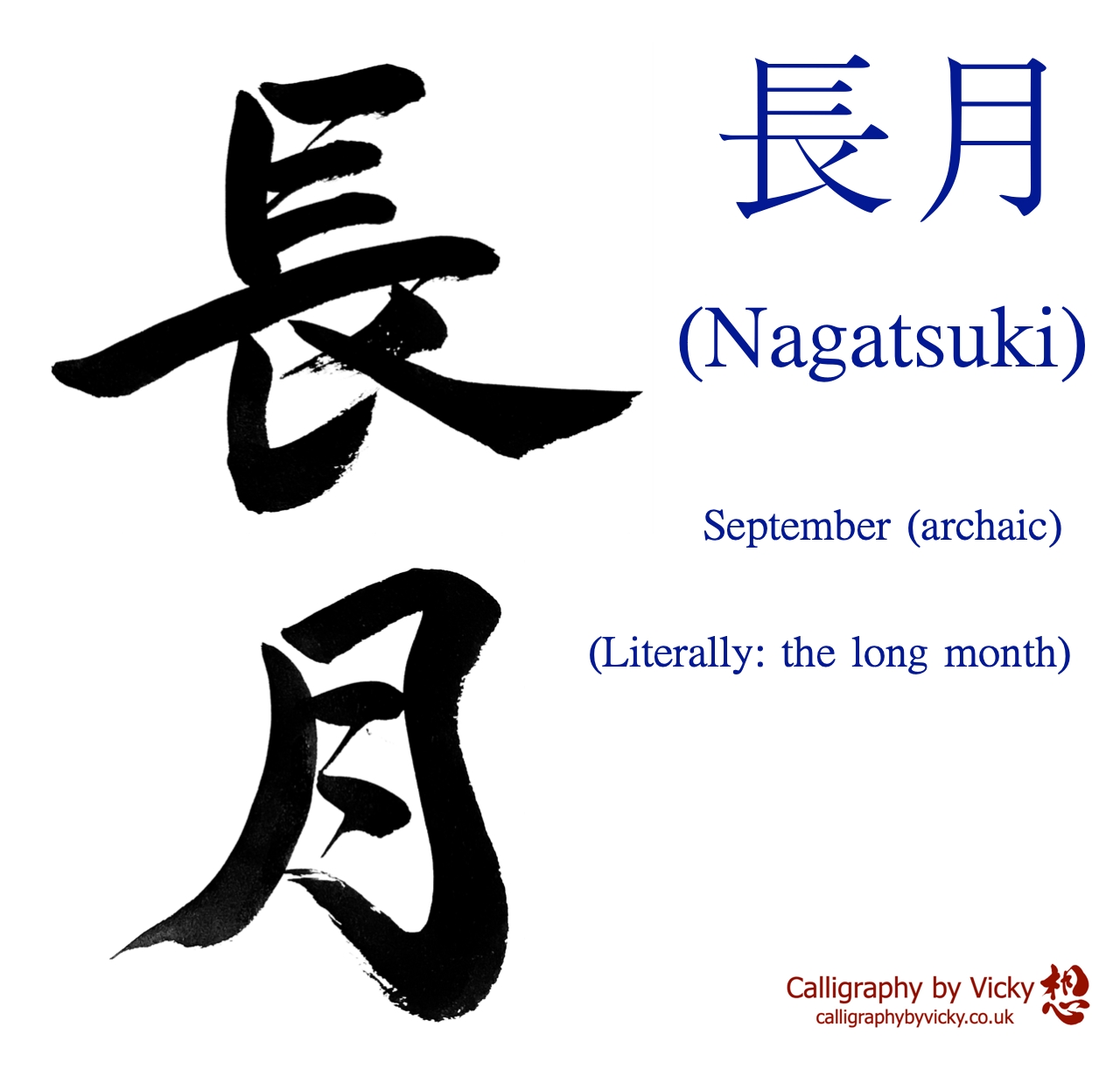
Like many countries, Japan uses a 12-month calendar. The names are very simple. January is literally “Month one”, February is “Month two”, etc: 一月 = January 二月 = February However, before the Meiji Restoration (mid-1800s) it was common to use an older 12-month system. These months’ names referenced the weather and the seasons (similar toContinueContinue reading “長月 (Nagatsuki) “September” (archaic)”
美 “beauty”

The English word “calligraphy” is derived from the Greek word Kalos, meaning “beautiful”. In Japanese the word for calligraphy is shodō. This literally means “the way of writing”, emphasising calligraphy as a philosophical and spiritual pursuit. Nevertheless, beauty is valued in Japanese calligraphy. Some Japanese aesthetic principles which are important to shodō are: 不均整 (Fukinsei)ContinueContinue reading “美 “beauty””
お盆 (o-bon)

Every August Japan celebrates o-bon, the time of year when ancestors return to the world of the living. People celebrate by lighting fires, holding special dances in the town square, and visiting their family graves.
 Calligraphy by Vicky