
Obviously, the new year is a traditional time to start new things. Another option is to continue something old, but look at it anew. In Japanese this is known as 初心 (shoshin), or “Beginner’s Mind”. 初 = for the first time, in the beginning. This is the same kanji as 初め (hajimé), meaning “for theContinueContinue reading “初心 (shoshin) “beginner’s mind””
Category Archives: Uncategorized
道 (dō) “Way”, “Route”, “The Tao”

This is the “-dō” in the Japanese martial arts of judō, kendō and aikidō, as well as shodō (calligraphy), sadō (tea ceremony) and many others. Loosely translated, it means “way”, “route”, “path” or “doctrine”. My calligraphy teacher said that studying a Japanese art is considered similar to taking a journey up a mountain. The summitContinueContinue reading “道 (dō) “Way”, “Route”, “The Tao””
巳 The Year of the Snake

Like many East Asian countries, Japan uses the 12-animal Chinese zodiac. 2025 is the year of the Snake 🐍 The kanji for “snake” is usually 蛇 (hebi). However the kanji for animals in the Chinese Zodiac are different. Snake is 巳.
蛇 (hebi) “snake” 🐍
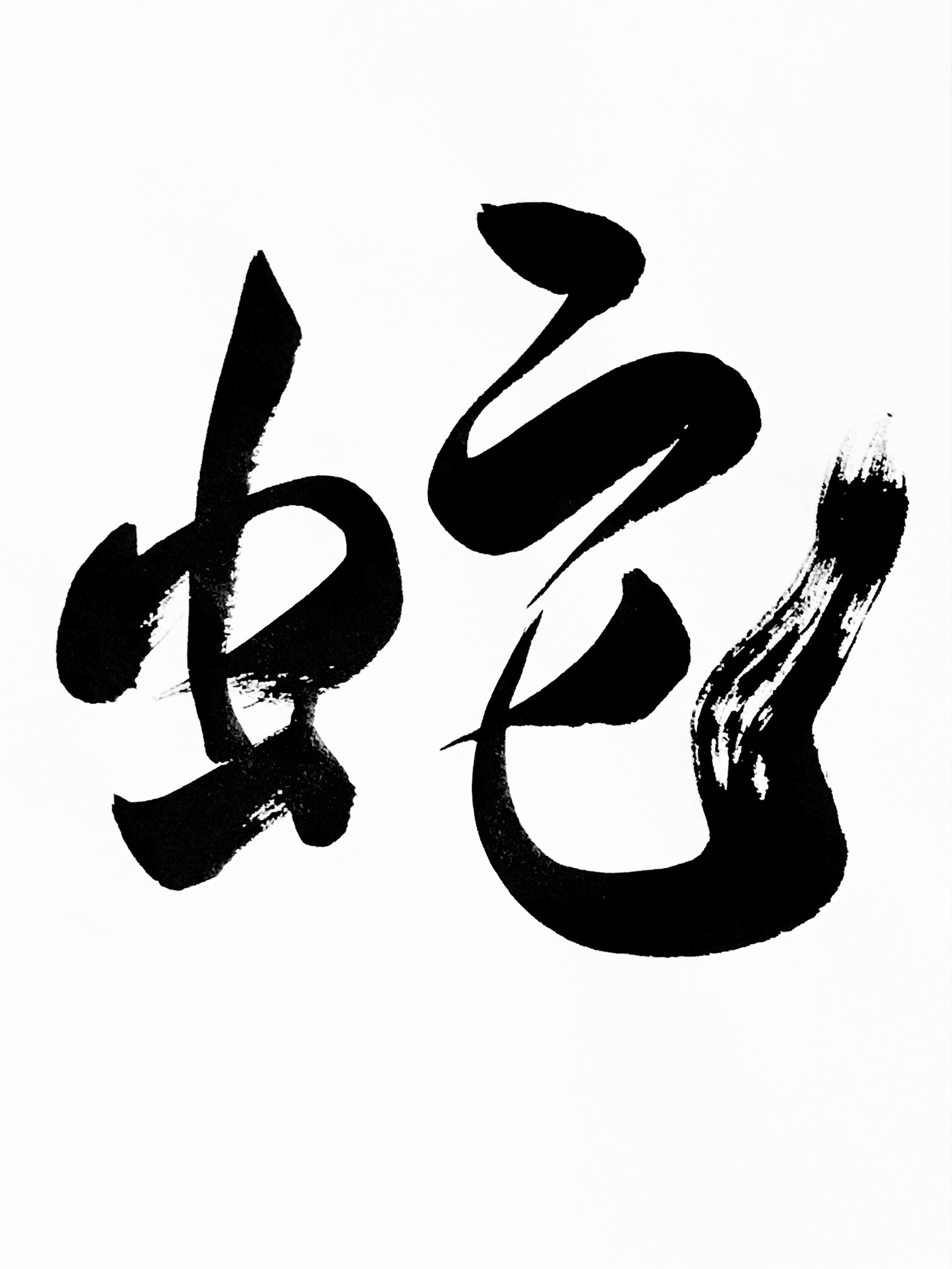
Like many East Asian countries, Japan uses the 12-animal Chinese zodiac. 2025 is the year of the Snake 🐍
冬 (fuyu) “winter”

睦月 (mu-tsu-ki) “January” (archaic)
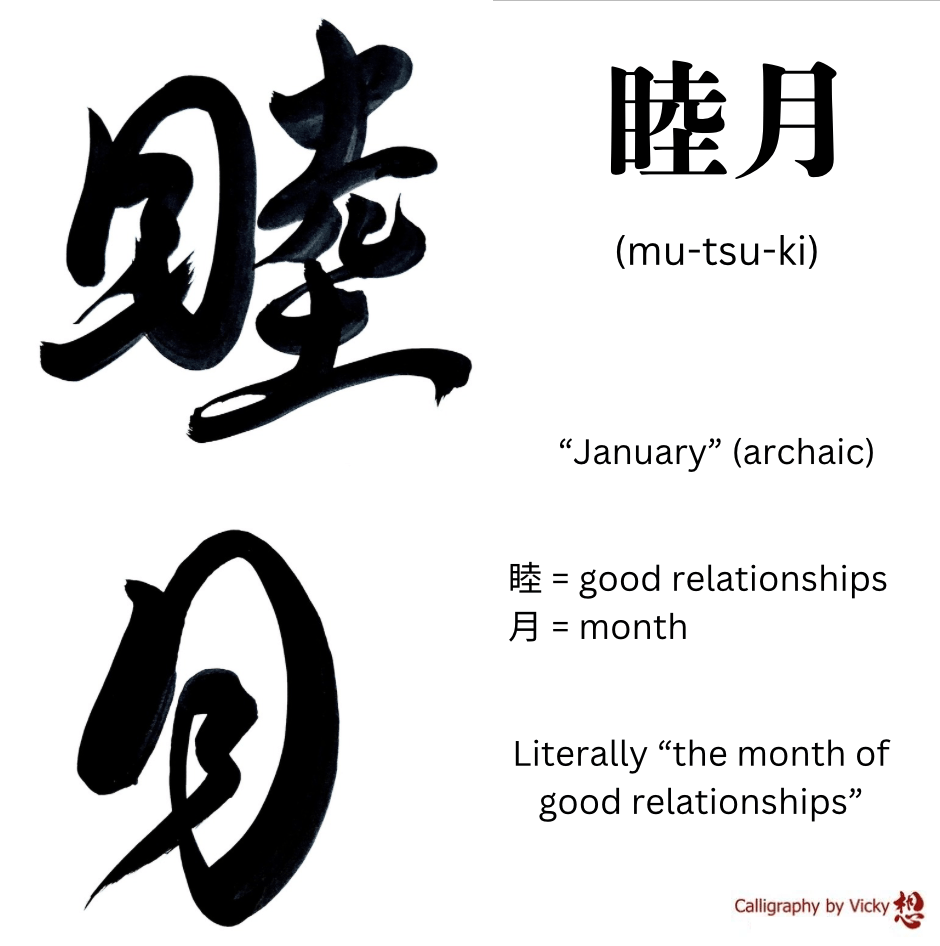
Like many countries, Japan uses a 12-month calendar. The names are very simple. January is literally “Month One”, February is “Month Two”, etc: 一月 = January 二月 = February However, before the Meiji Restoration (mid-1800s) it was common to use an older 12-month system. These months’ names referenced the weather and the seasons (similar toContinueContinue reading “睦月 (mu-tsu-ki) “January” (archaic)”
抱負 (hō-fu) resolution
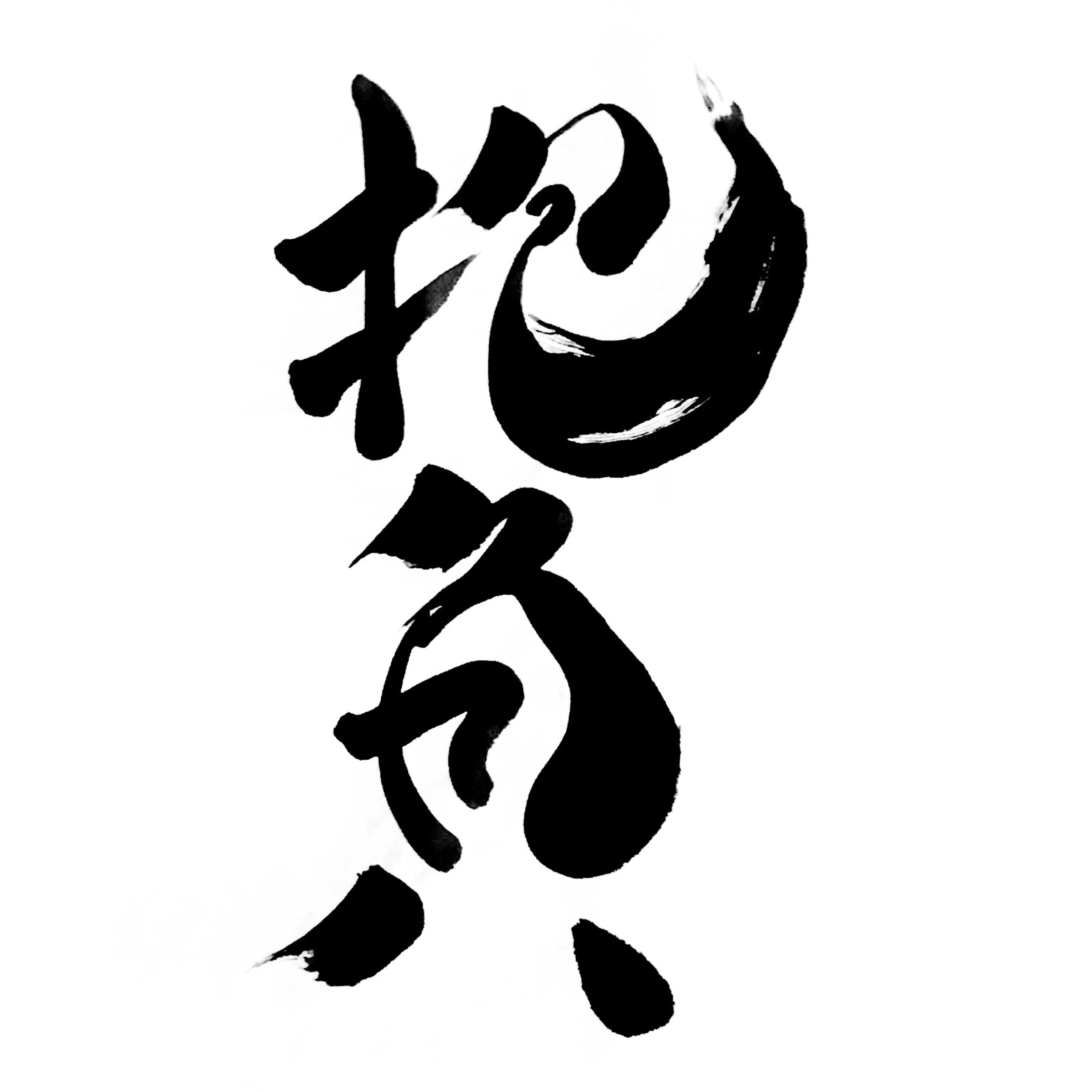
Some more new year’s related vocabulary. New Year’s resolutions are just as popular in Japan as they are in western countries. In Japanese “New Year’s resolution” is 新年の抱負 (shin-nen-hō-fu). 新年 = New Year (see my previous post) 抱負 = resolution What’s your new year’s resolution?
新年 (shin-nen) New Year

The New Year’s holiday is one of the most important times for Japanese people. It’s a time to clean the house, make resolutions, forget the old year, and make a clean start. The kanji should be pretty easy for Japanese learners:新 = new (pronounced “a-ta-ra-shi-i” by itself, and “shin” when in conjunction with other kanji)年ContinueContinue reading “新年 (shin-nen) New Year”
熊蟄穴 When bears begin to hibernate
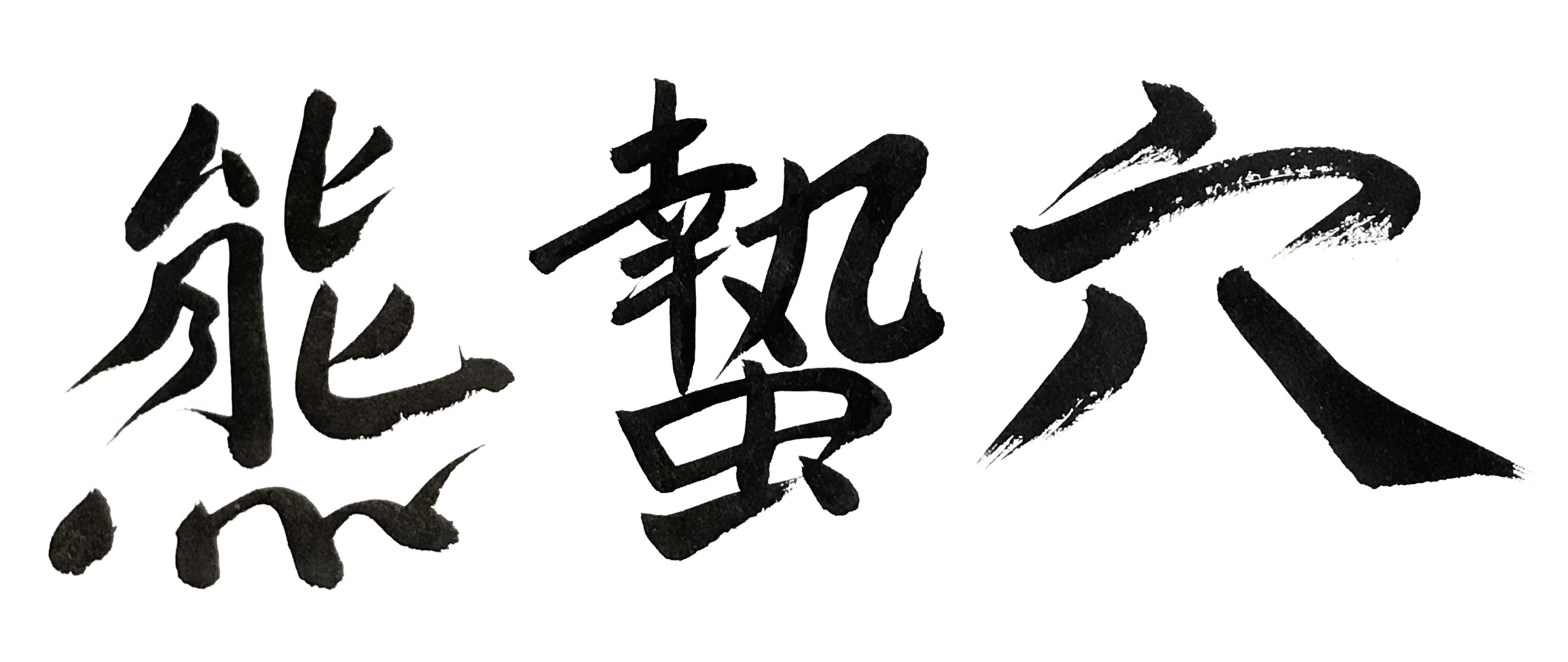
In ancient times Japanese people divided the year into 72 “micro-seasons”. These seasons were based on natural events such as the weather and appearance of various flora and fauna. Today marks the start of 熊蟄穴熊 = bear蟄 = hibernation. (It traditionally refers to the hibernation of insects; the more common word for animal hibernation isContinueContinue reading “熊蟄穴 When bears begin to hibernate”
師走 (shiwasu) “December” (archaic)

Like many countries, Japan uses a 12-month calendar. The names are very simple. January is literally “Month one” 一月, February is “Month two” 二月, etc. However, before the Meiji Restoration (mid-1800s) it was common to use an older 12-month system. These months’ names referenced the weather and the seasons (similar to the French Revolutionary calendar).ContinueContinue reading “師走 (shiwasu) “December” (archaic)”
 Calligraphy by Vicky