
A recent commission of the kanji for “coffee”, to be rendered as a tattoo. I love seeing how my clients use my artwork 🙂 Japanese language students will notice that “coffee” is usually written in katakana these days: 「コーヒー」 , however the kanji is still used in situations where a traditional atmosphere is desired, forContinueContinue reading “Calligraphy tattoo commission – 珈琲 (kōhī) “coffee””
Author Archives: Vicky
If You Love Studio Ghibli, Don’t Miss These 3 Anime Directors

Studio Ghibli movies aren’t the only Japanese animated movies to receive Oscar nominations. Photo by Samuel Ramos from Unsplash. Many of the most internationally famous Japanese animated movies come from the legendary Studio Ghibli. Headed by Hayao Miyazaki, Ghibli has produced such beloved masterpieces as My Neighbor Totoro, Spirited Awayand Howl’s Moving Castle. Miyazaki recently came out ofContinueContinue reading “If You Love Studio Ghibli, Don’t Miss These 3 Anime Directors”
Four MORE ways in which Japan is really inconvenient for foreign travellers

It looks good, but it may get you refused entry from hot springs. Image by Steven Erixon, Unsplash. Whether it’s the obscenely punctual public transport systems, the super-efficient customer service, the health system that really works, or the ubiquitous convenience stores, Japan is rightfully famous for taking convenience to a whole other level. Unfortunately, nowhereContinueContinue reading “Four MORE ways in which Japan is really inconvenient for foreign travellers”
Translating Culture: 5 Intriguing Japanese Words We Need in English

image by Mohamed Hassan, from Pixabay The Internet is full of articles with titles such as “5 untranslatable words in the X language”. This is not one of those articles. I’m not going to claim that any of the words below are “untranslatable”. What I am going to do is introduce five Japanese words thatContinueContinue reading “Translating Culture: 5 Intriguing Japanese Words We Need in English”
睦月 (mu-tsu-ki) “January” (archaic)
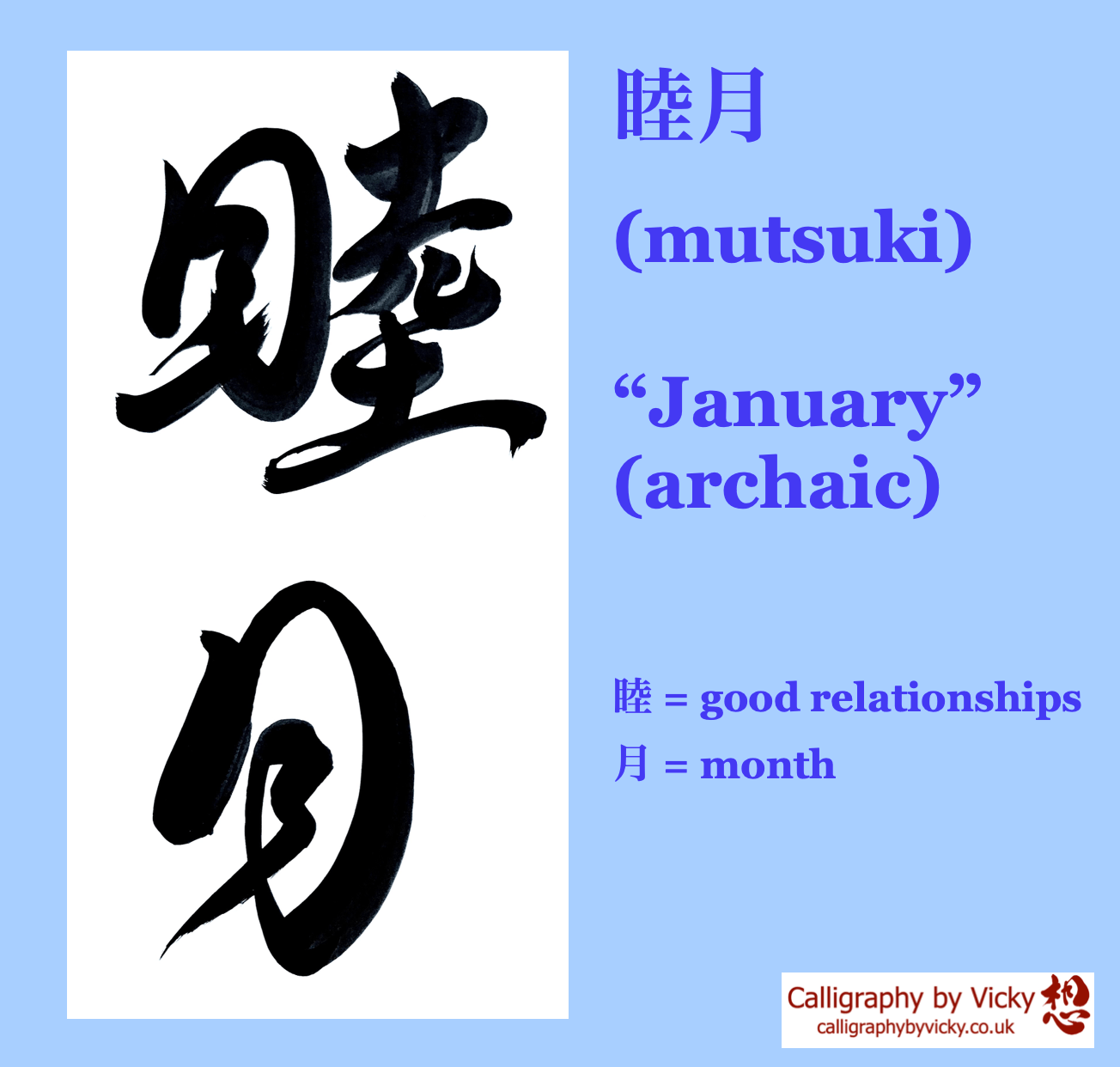
睦 = good relationships 月 = month The modern Japanese word for January is 一 (literally “1st Month”), however in the old-fashioned calendar this was known as 睦月, or “the month for good relationships”. The January New Year’s period is the longest and most important holiday in the Japanese calendar. Most Japanese people visit theirContinueContinue reading “睦月 (mu-tsu-ki) “January” (archaic)”
辰 (tatsu) “dragon” (in the Chinese zodiac)

2024 is the Year of the Dragon. The usual Japanese way of writing “dragon” is 龍, but if you’re talking about the dragon in the Chinese Zodiac, it’s a different character – 辰. The Year of the Dragon is said to bring growth, abundance and good fortune. Here’s to an abundant and fortunate 2024 🙂
あけおめ! (a-ké-o-mé) “Happy New Year!”
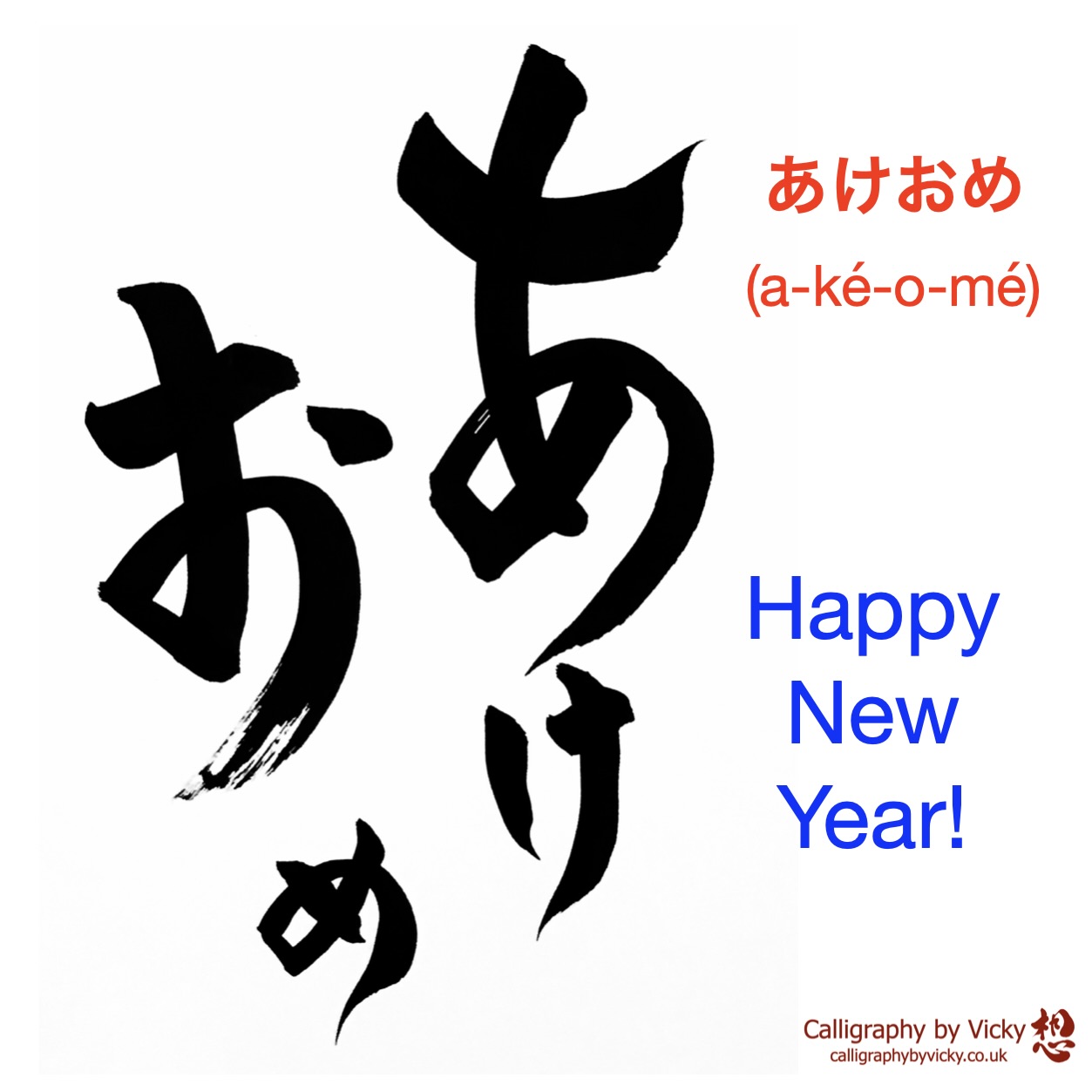
To wish someone “Happy New Year” in Japanese, say: あけましておめでとうございます! (a-ké-ma-shi-té o-mé-dé-tō go-zai-masu) Or, more casually, take the first 2 syllables from each word and say: あけおめ! (a-ké-o-mé)
師走 (shiwasu) “December” (archaic)
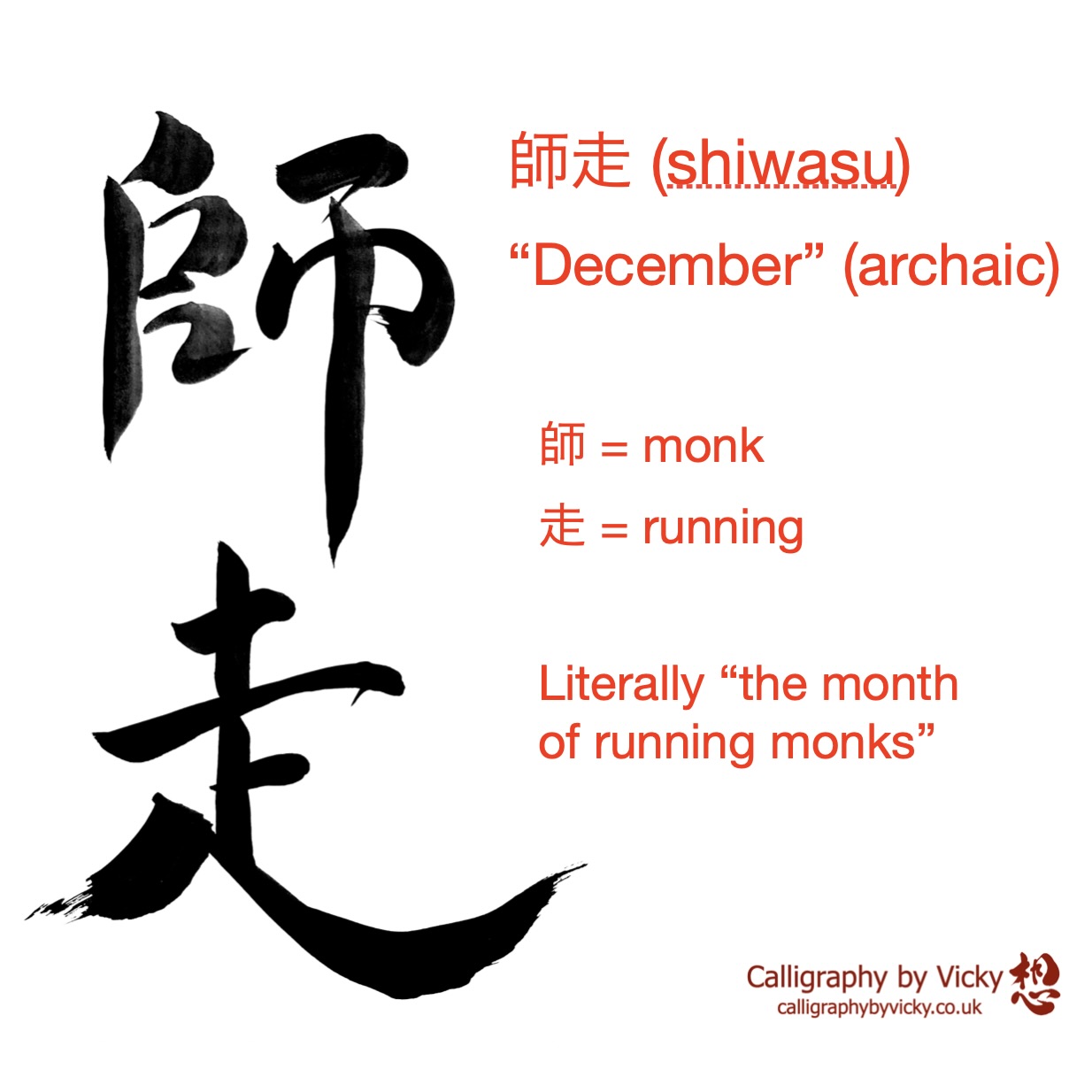
師 can refer to a teacher, a mentor, often in a religious sense. In this word, it means a monk. In December, monks are super busy preparing for the New Year’s festival, hence why the last month of the year is literally “the month of running monks”.
秋 (aki) “autumn”

According to many of my students, Japan didn’t really have much of an autumn this year. Instead of having four equally long seasons, Japan is starting to have long summers, long winters, and too-short springs and autumns. Which is a shame because autumn is a lovely season when many people like to go an admireContinueContinue reading “秋 (aki) “autumn””
陰陽 (in-yō) “yin-yang”

Yin is dark, cold, receptive, magnetic. Yang is light, hot, giving, active. Yin and Yang are relative. The element of water is usually considered very Yin, but fast-moving water is Yang compared to still water. Both are present in everything. Rather than being opposites, they are two sides of the same coin. A cup isContinueContinue reading “陰陽 (in-yō) “yin-yang””
 Calligraphy by Vicky