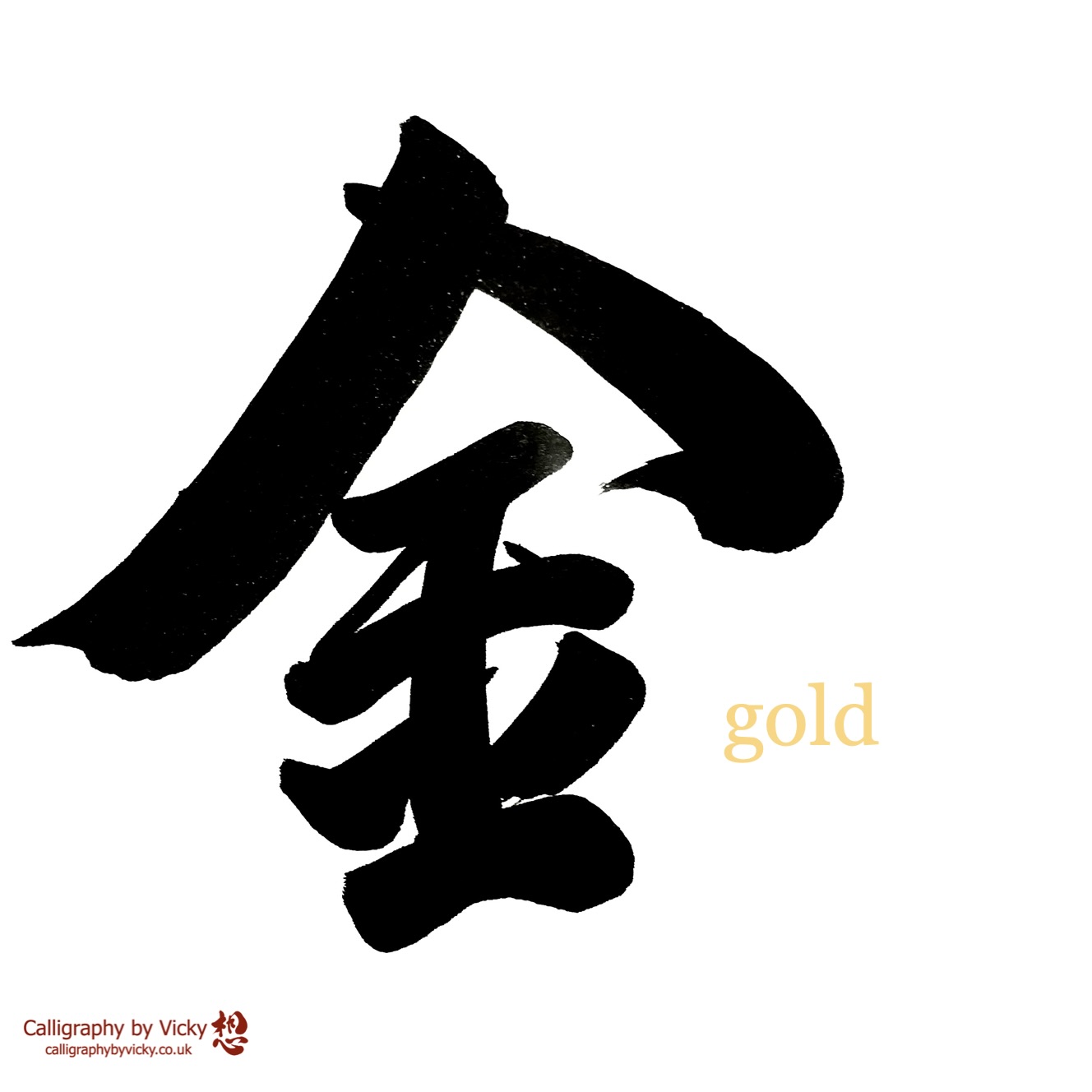
It’s Golden Week in Japan! So I wrote “Gold”. “Golden Week” (Sometimes abbreviated to “GW”) is a week beginning 29th April, containing multiple public holidays in a row. This year, the dates of the holidays are: Saturday 29th April: Showa Day Wednesday 3rd May: Constitution Memorial Day Thursday 4th May: Greenery Day Friday 5th May:ContinueContinue reading “金 (kin) “Gold” or “Money””
Tag Archives: japanese culture
皐月 (sa-tsu-ki) “May”
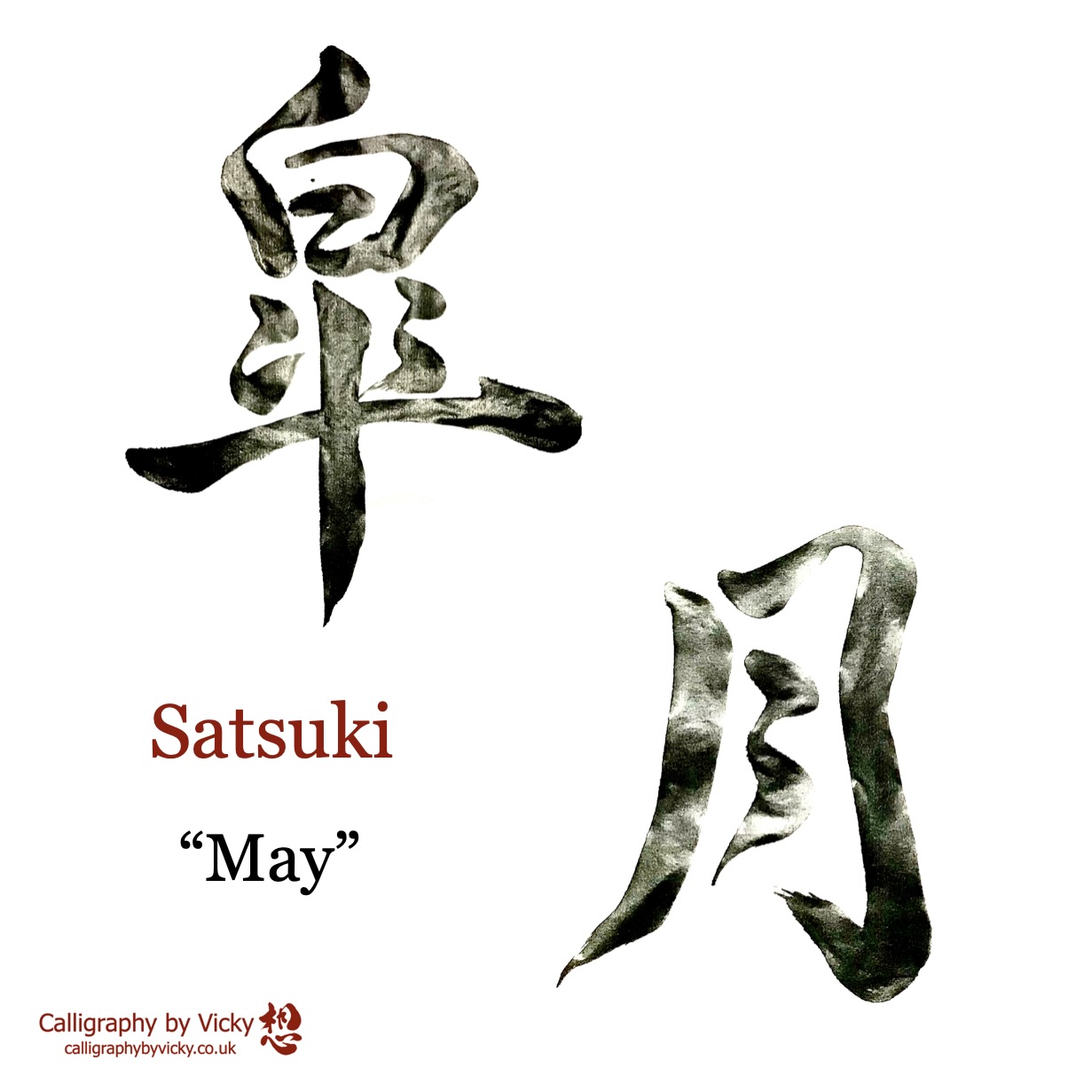
Like many countries, Japan uses a 12-month calendar. The names are very simple. January is 一月 (ichi-gatsu, literally “Month one”), February is 二月 (ni-gatsu, “Month two”), etc. However, before the Meiji Restoration (mid-1800s) it was common to use an older 12-month system. These months’ names referenced the weather and the seasons (similar to the FrenchContinueContinue reading “皐月 (sa-tsu-ki) “May””
The eight virtues of Bushidō – were they ever really a thing?
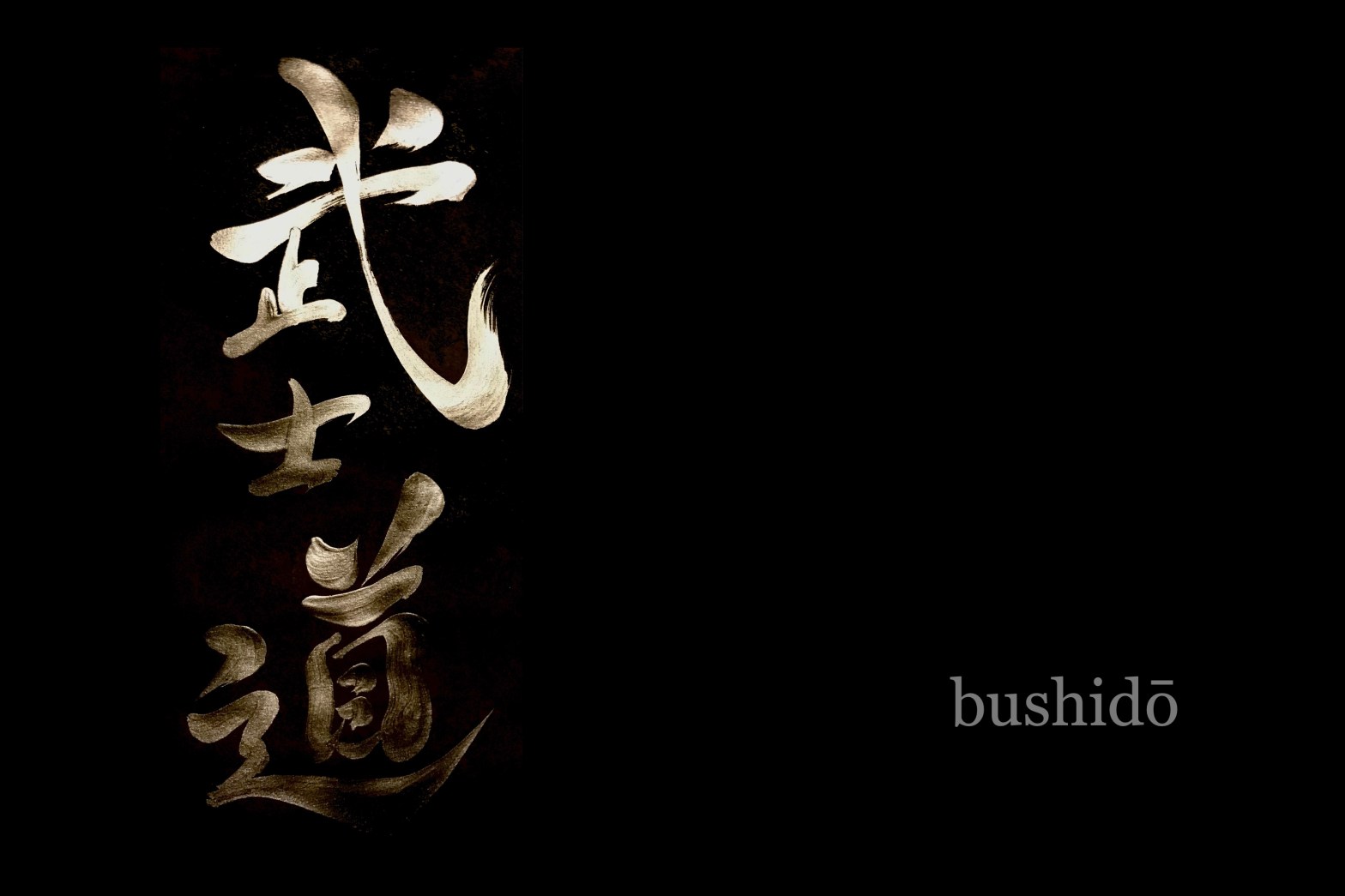
Bushidō. Often referred to as “the samurai code of chivalry”, it stirs up images of noble and fearless warriors, fiercely loyal to their comrades, living and dying by the sword, choosing death over dishonour.
There is no doubt that the way of the samurai continues to have a hold on the public imagination. But what exactly was bushidō?
桜梅桃李 (ō-bai-tō-ri) “never compare yourself to others”

桜 = cherry (sakura) 梅 = apricot (ume) 桃 = peach (momo) 李 = plum (sumomo) Each of these beloved trees blooms in its own time and in its own unique way.
桜 (sakura) “cherry blossom”
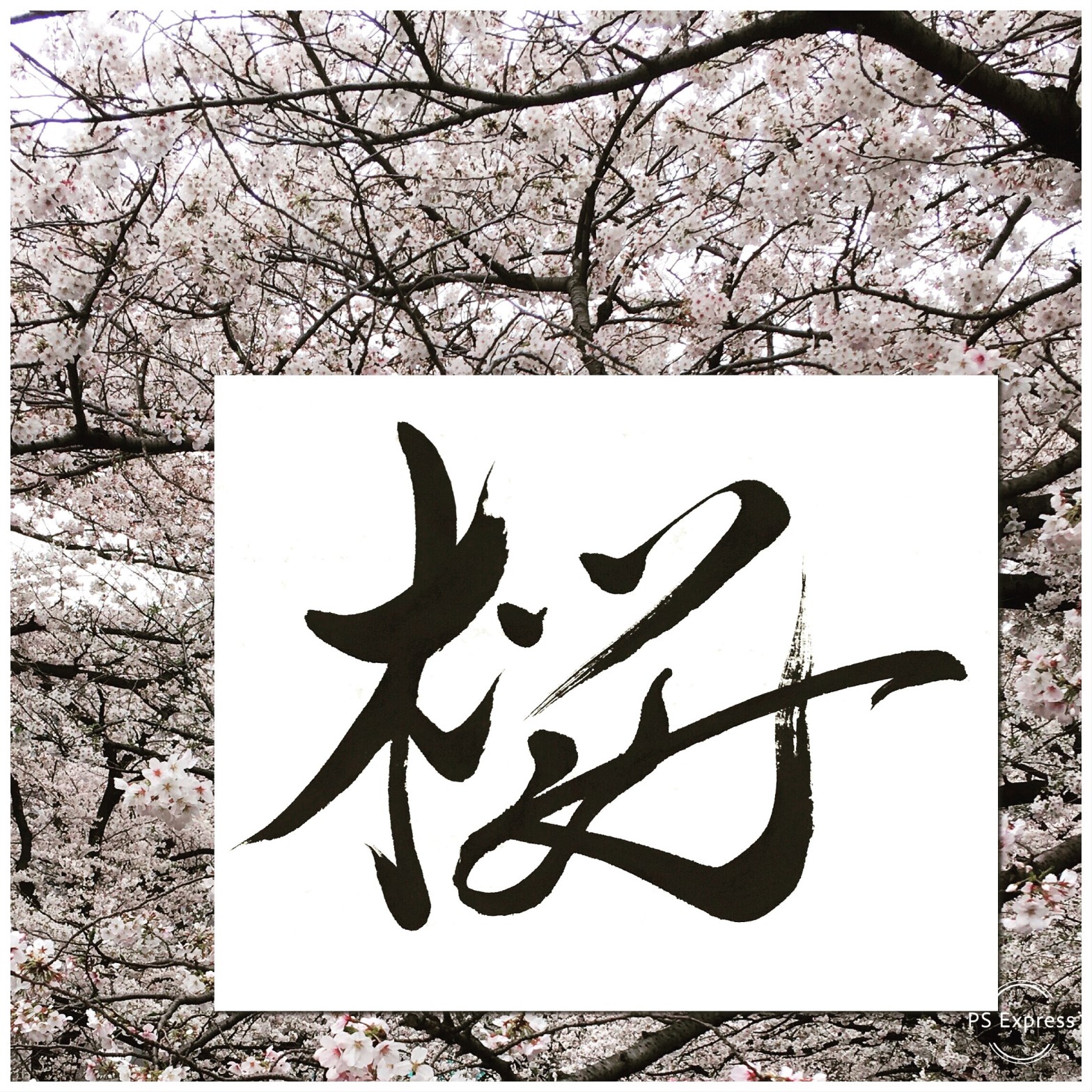
Here’s some seasonal calligraphy. It’s cherry blossom season in most of Japan at the moment. Cherry blossom is a sign of new life and new beginnings. In Japan the academic year begins in April, when the cherry blossoms are in full bloom. I took this picture on the banks of the Meguro River, a veryContinueContinue reading “桜 (sakura) “cherry blossom””
美 (bi) “beauty”
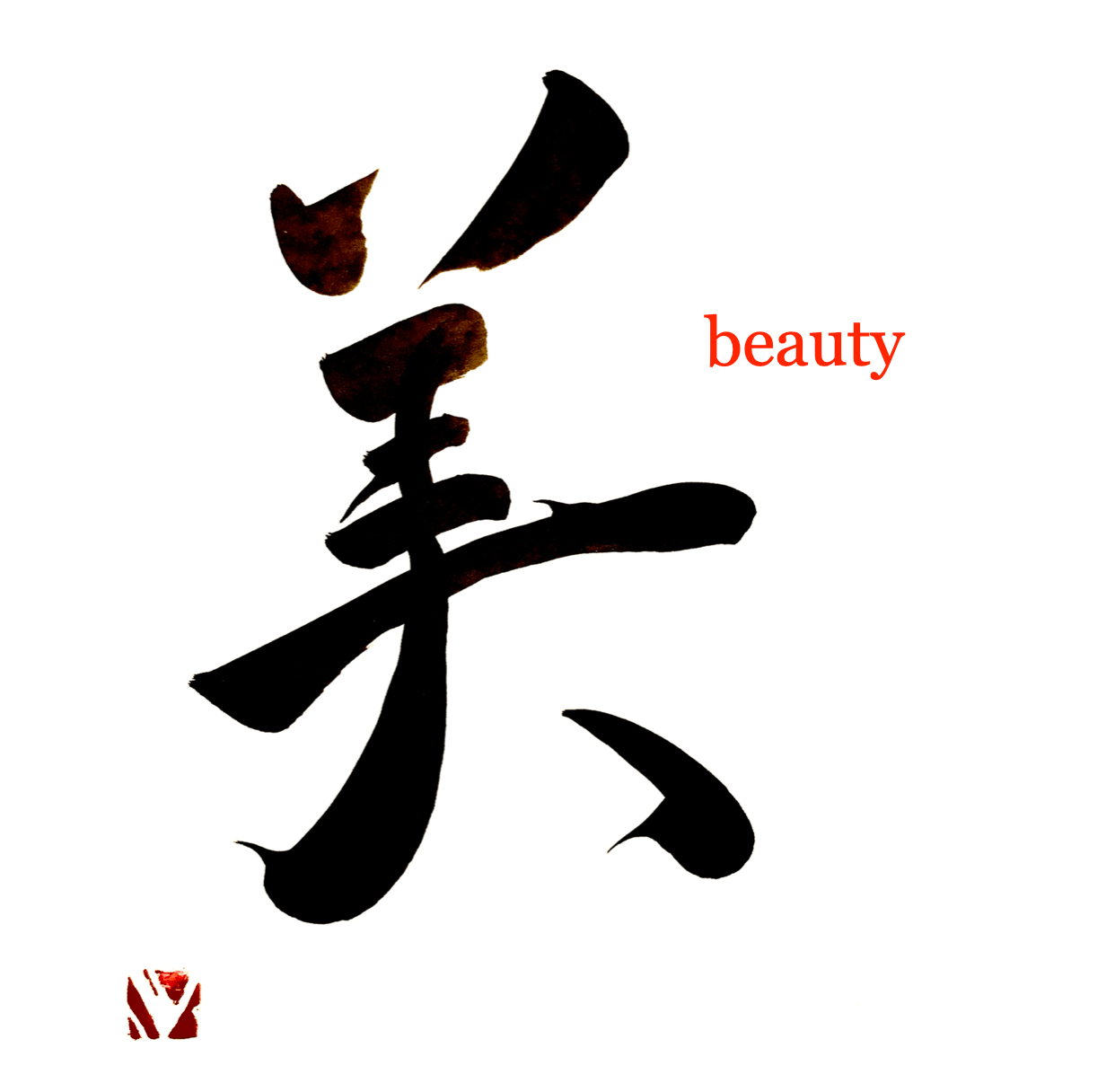
The original of this work is available to purchase here on my Etsy site. WordPress users get 15% off with this code: WPCODE15 In Japan, calligraphy works of meaningful characters or phrases are displayed in homes, offices, temples and dōjōs as decoration and to provide inspiration. If you would like to own some Japanese calligraphy artworkContinueContinue reading “美 (bi) “beauty””
生き甲斐 (ikigai) “reason for living” – is it actually a legit Japanese concept?

Now in the Oxford English Dictionary, “Ikigai” is defined as “a motivating force; something or someone that gives a person a sense of purpose or a reason for living”. You’ve probably heard of it. It’s been promoted world-wide as an ancient Japanese formula for leading a good life. However, as someone who lived and worked in JapanContinueContinue reading “生き甲斐 (ikigai) “reason for living” – is it actually a legit Japanese concept?”
心 (kokoro) “heart-mind”
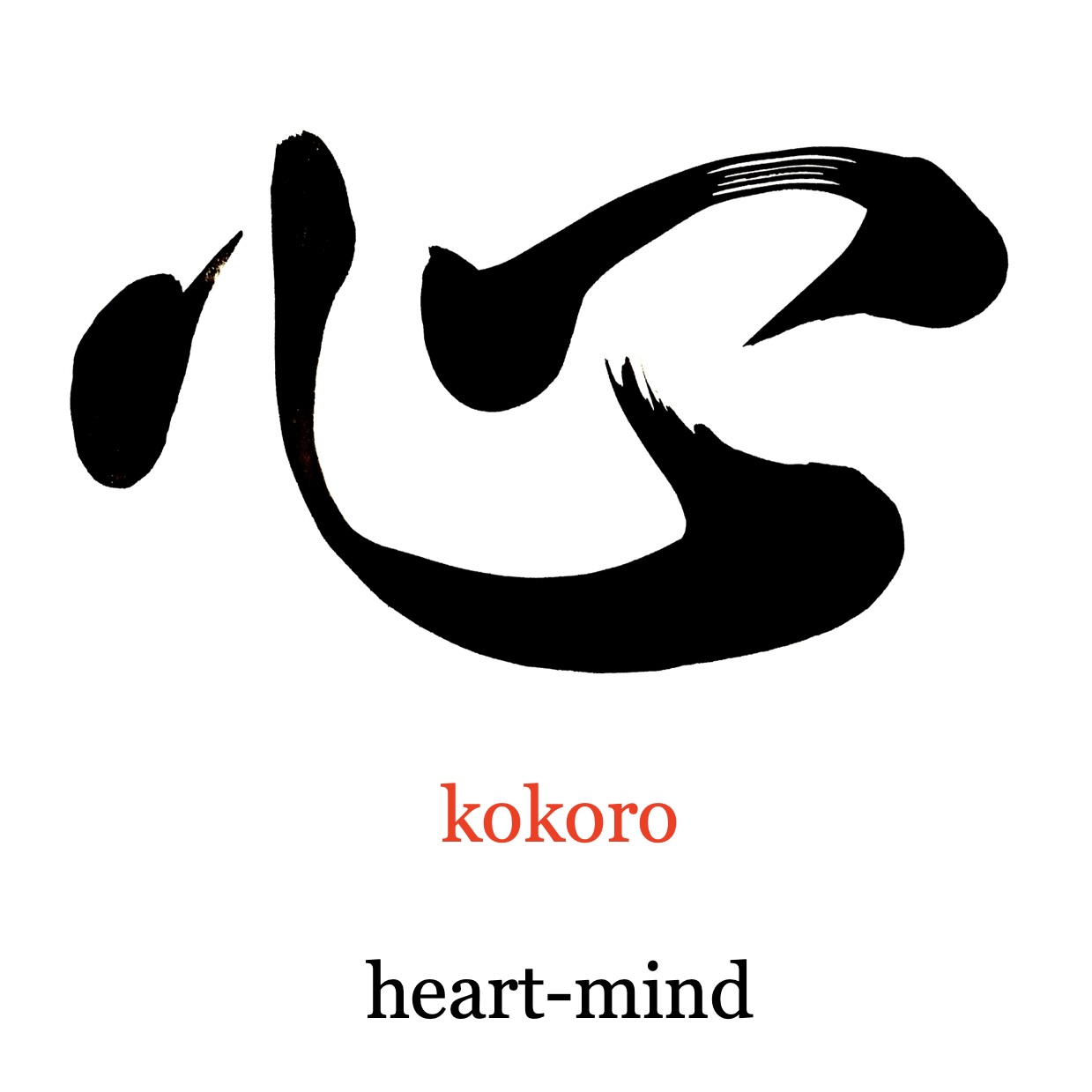
“Kokoro” can be translated variously as “heart,” “mind,” “spirit,” or “soul.” It refers to the innermost essence or core of a person, encompassing their emotions, thoughts, and beliefs. However, “kokoro” can also refer to a wider range of concepts, including the feelings and emotions of others, the collective consciousness or spirit of a group, andContinueContinue reading “心 (kokoro) “heart-mind””
悟 (satori) “enlightenment”
Satori (enlightenment) is often described as a sudden and profound realisation that goes beyond ordinary knowledge or understanding. It is a state of consciousness in which the individual transcends the limits of the ego and experiences a deep sense of oneness with the universe. Satori is not a fixed or permanent state, but rather aContinueContinue reading “悟 (satori) “enlightenment””
絆 (ki-zu-na) “bonds”
“Kizuna” can refer to any kind of bond, but it usually refers to the bonds that structure human relationships. Although the term “bond” sounds inflexible and unforgiving, in Japan it usually has a positive nuance when used to describe human relationships. Even if the nature of a human relationship leads to a reduction in humanContinueContinue reading “絆 (ki-zu-na) “bonds””
 Calligraphy by Vicky