
According to many of my students, Japan didn’t really have much of an autumn this year. Instead of having four equally long seasons, Japan is starting to have long summers, long winters, and too-short springs and autumns. Which is a shame because autumn is a lovely season when many people like to go an admireContinueContinue reading “秋 (aki) “autumn””
Tag Archives: Japan
陰陽 (in-yō) “yin-yang”

Yin is dark, cold, receptive, magnetic. Yang is light, hot, giving, active. Yin and Yang are relative. The element of water is usually considered very Yin, but fast-moving water is Yang compared to still water. Both are present in everything. Rather than being opposites, they are two sides of the same coin. A cup isContinueContinue reading “陰陽 (in-yō) “yin-yang””
神無月 (kan-na-zuki) – “October” (archaic)
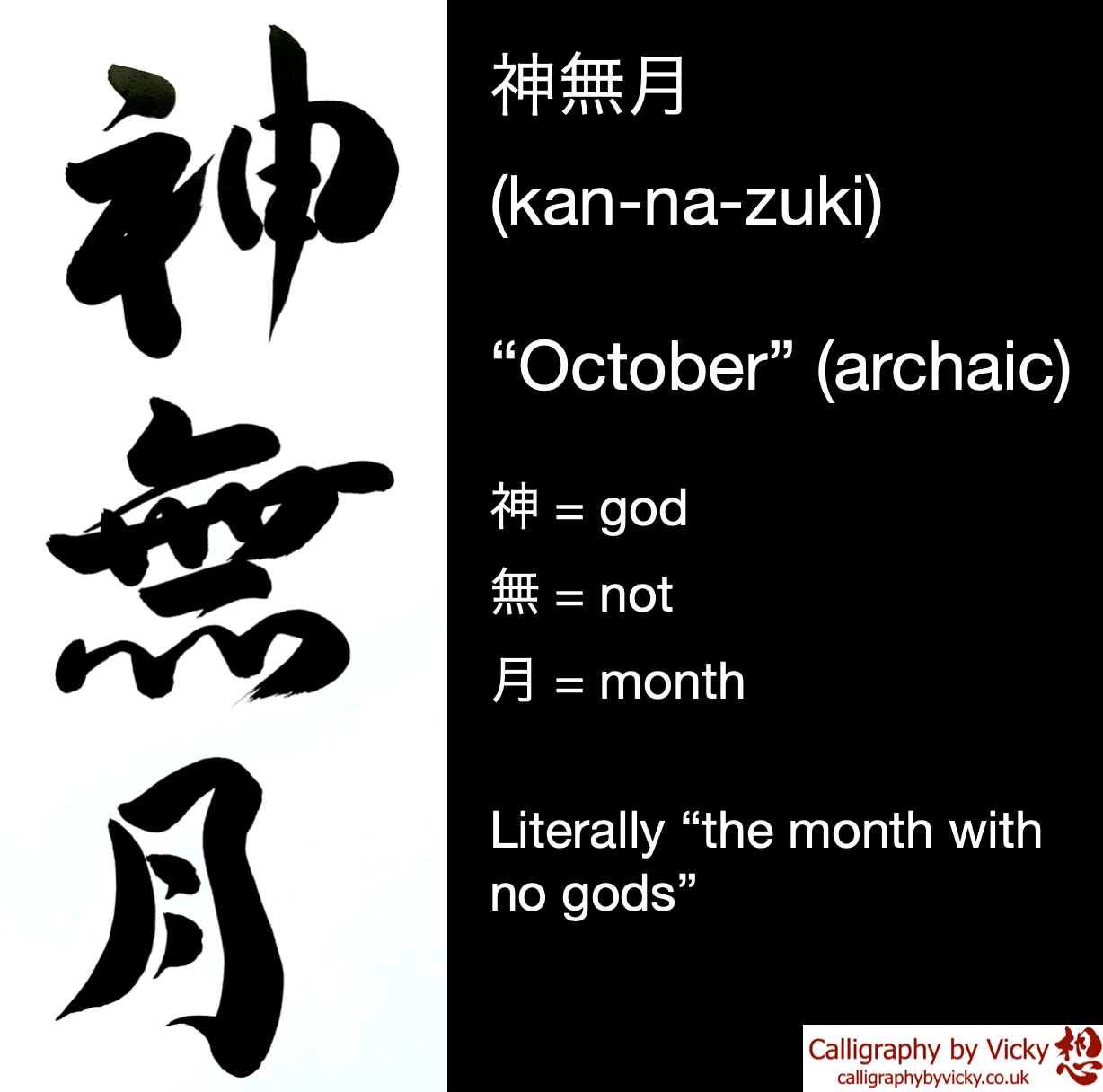
神 = god無 = not月 = month The modern Japanese word for October is 十月 (literally “10th Month), however in the old-fashioned calendar is was known as 神無月, or “the month with no gods”. This is because in October, all the gods in Japan (there are believed to be 8 million of them) go toContinueContinue reading “神無月 (kan-na-zuki) – “October” (archaic)”
Four Ways in which Japan is Really Inconvenient for Foreign Travellers

Whether it’s the obscenely punctual public transport systems, the super-efficient customer service, the health system that really works, or the eponymous convenience stores, Japan is rightfully famous for taking convenience to a whole other level. Unfortunately, nowhere is perfect. Even Japan can be inconvenient at times. In this article I’m going to introduce four waysContinueContinue reading “Four Ways in which Japan is Really Inconvenient for Foreign Travellers”
The Unique Challenges of Renting in Japan — Part 3

Part 3: Dealing with application process In my home country of the UK, renting is a pretty simple affair. It’s not uncommon to be able to sign the contract on the same day as the viewing. Not so in Japan! Renting an apartment in Japan can potentially be a long, complicated and drawn-out process; especiallyContinueContinue reading “The Unique Challenges of Renting in Japan — Part 3”
方と気 Form & Energy
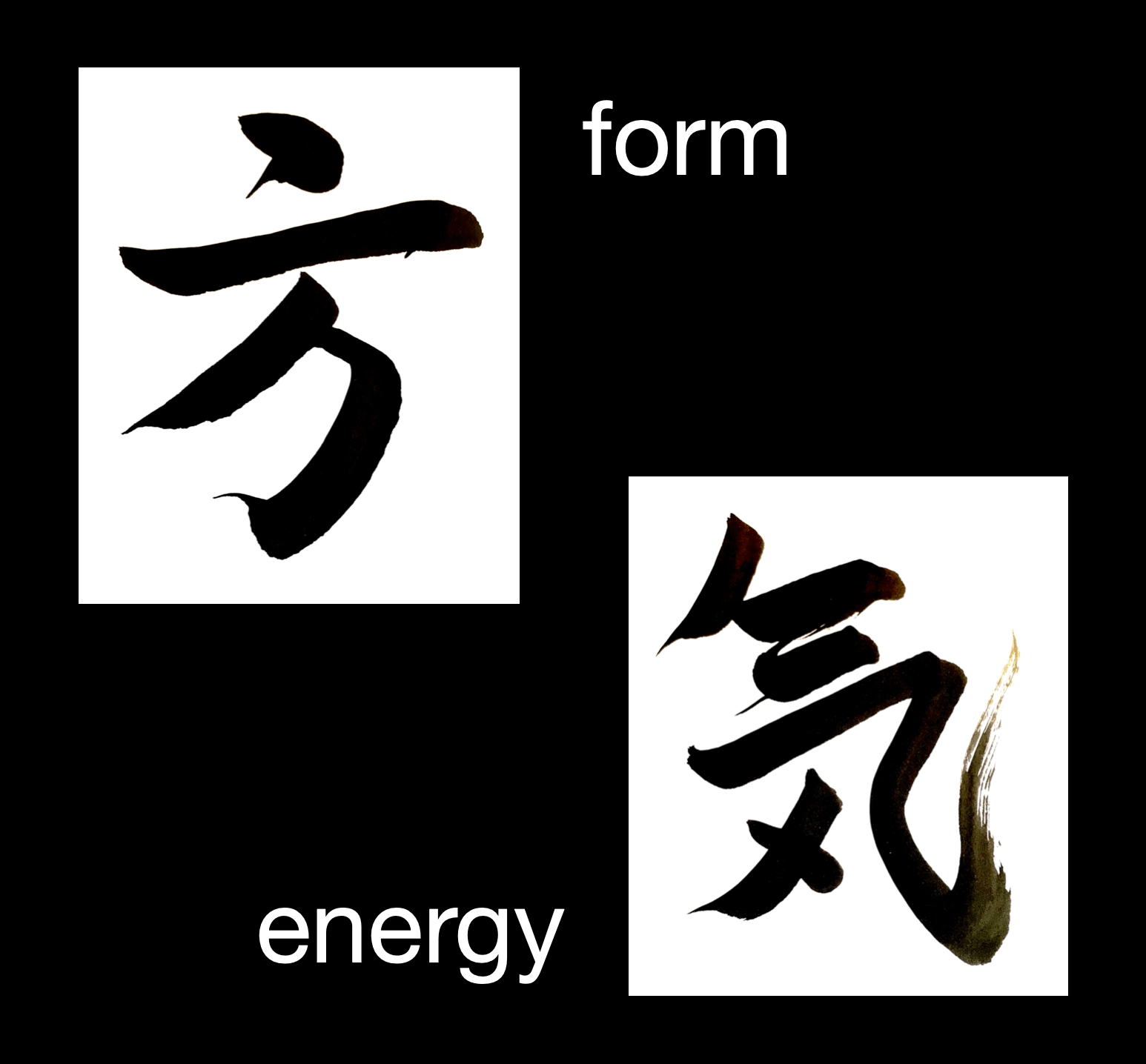
The poet William Blake proposed that two types of people exist: the “energetic creators” and the “rational organizers”, or, as he calls them in The Marriage of Heaven and Hell, the “devils” and “angels”. According to Blake, both are necessary to life. Often both can be found in a single person. He said we should goContinueContinue reading “方と気 Form & Energy”
The Unique Challenges of Renting in Japan — Part 2

Part 2: Understanding Japanese apartment adverts In my home country of the UK, renting is a pretty simple affair. It’s not uncommon to be able to sign the contract on the same day as the viewing. Not so in Japan! Renting an apartment in Japan can potentially be a long, complicated and drawn-out process; especiallyContinueContinue reading “The Unique Challenges of Renting in Japan — Part 2”
心 (kokoro) “heart”

心 (kokoro) “heart”
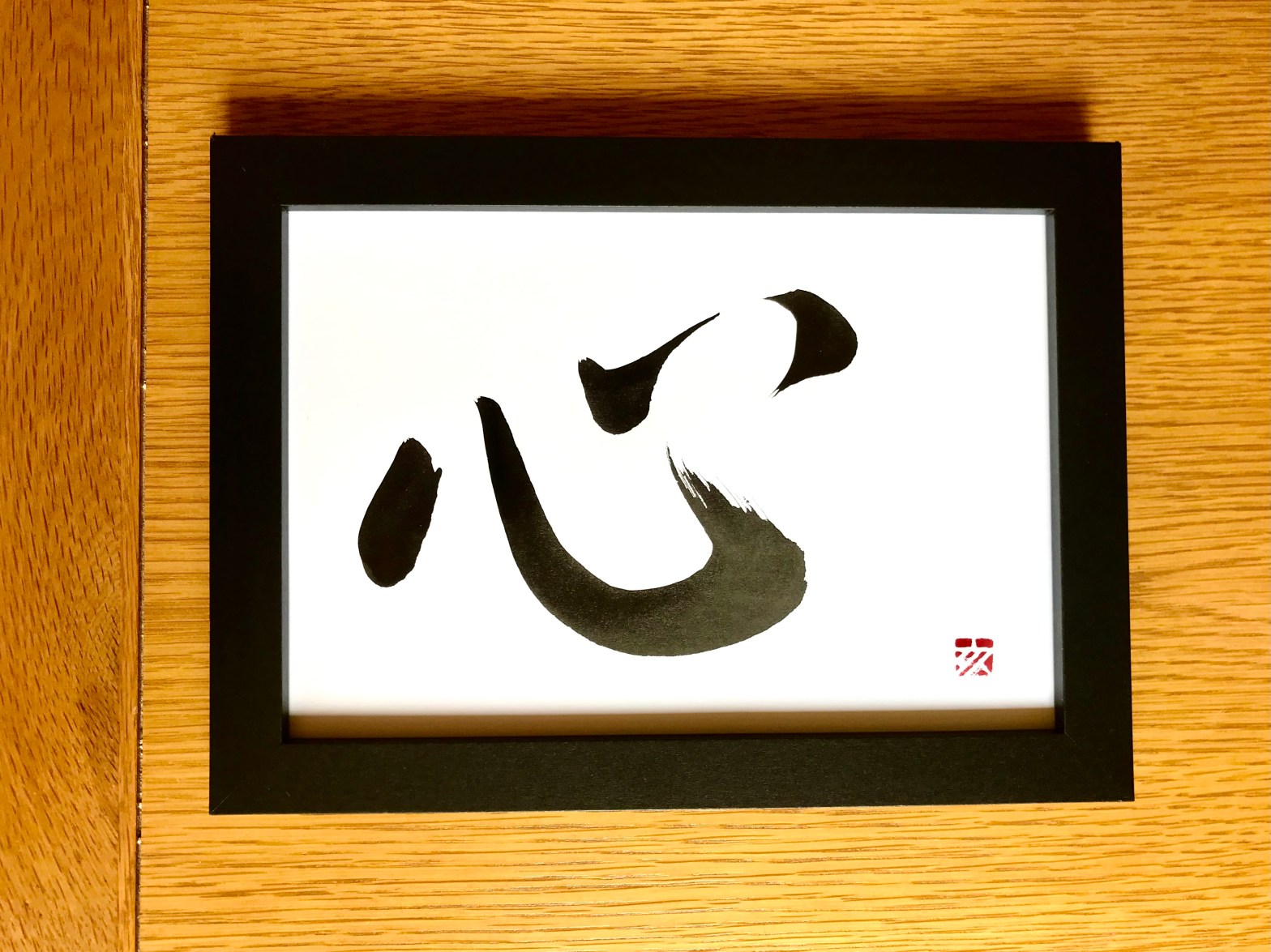
The above artwork is available on my Etsy shop here. WordPress users get 15% off (all my stuff!) with this discount code: WPCODE15 Just enter it when you checkout.
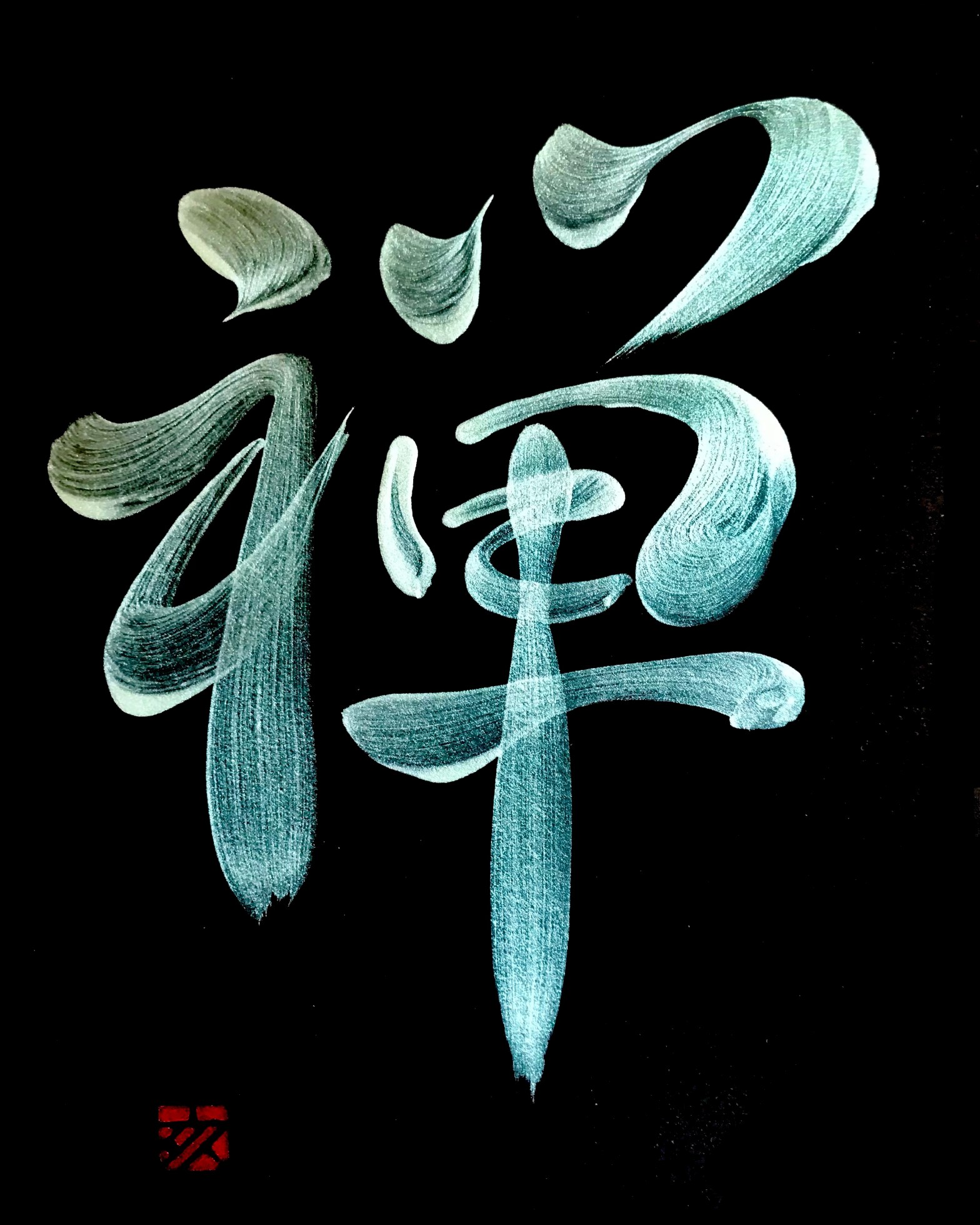
 Calligraphy by Vicky