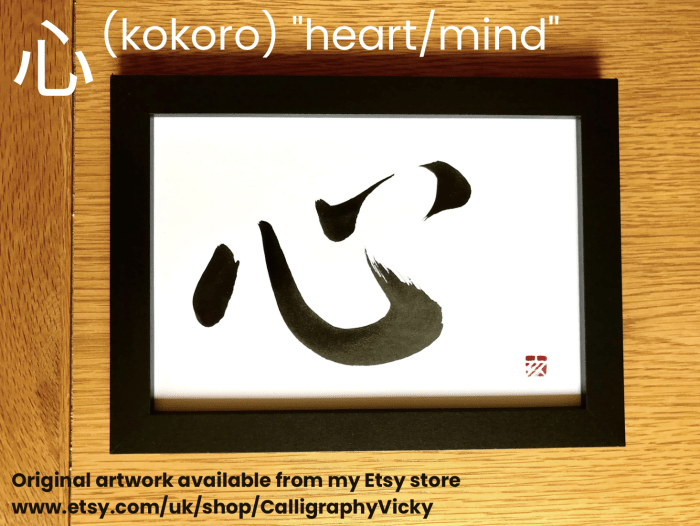
Unlike in English, where “heart” and “mind” are typically separated (emotion vs. logic), 心 kokoro refers to both feelings and thoughts, and even one’s will or intent. It combines thoughts, feelings, intentions and even morality in a way that the English word “heart” does not, which is probably why the translators of Natsume Soseki’s famous novel Kokoro chose to leaveContinueContinue reading “心 (kokoro) “heart/mind””
Category Archives: Japanese concepts
言霊 (koto-dama) “word-spirit”
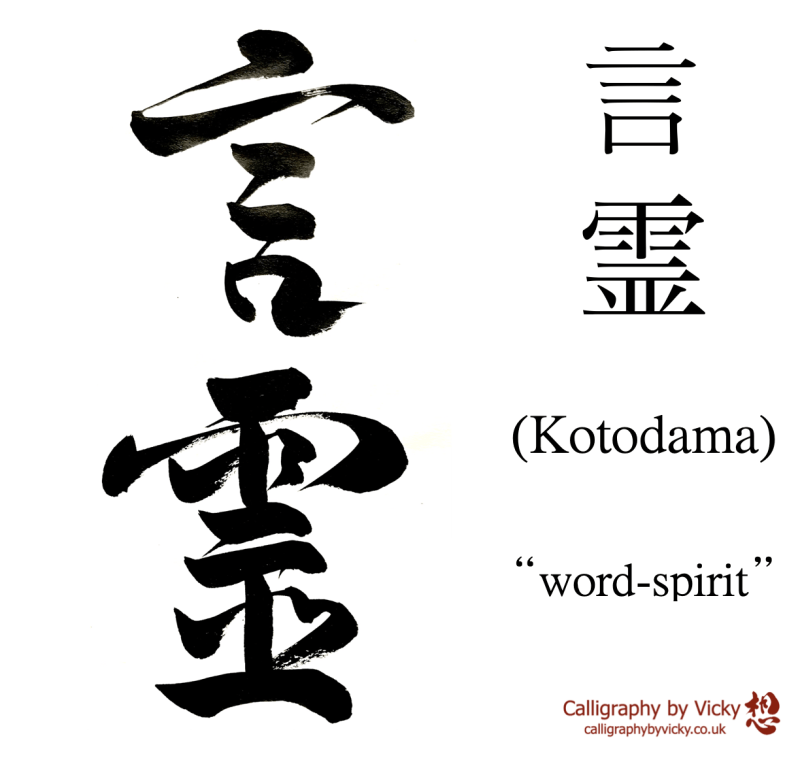
Koto-dama 言霊 is a traditional belief that mystical powers dwell in words and names. Just like martial arts practitioners giving out a shout when they make a strike (“ki-ai!” – literally “meeting of spirit”) it is believed that sounds can affect our body, mind and soul.
陰陽 (in-yō) “yin-yang”
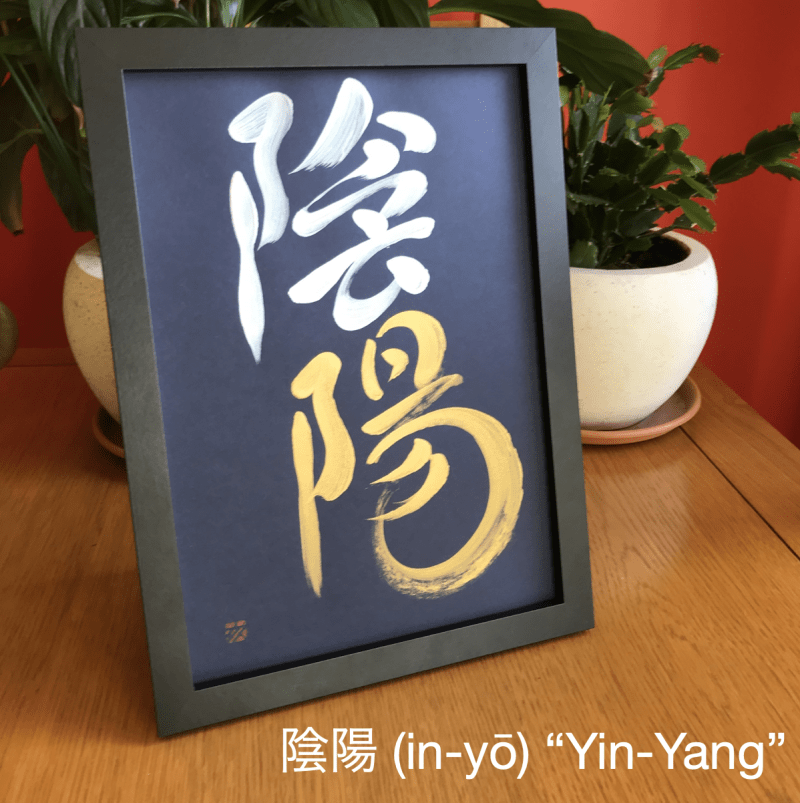
Yin is dark, cold, receptive, magnetic. Yang is light, hot, giving, active. Yin and Yang are relative. The element of water is usually considered very Yin, but fast-moving water is Yang compared to still water. Both are present in everything. Rather than being opposites, they are two sides of the same coin. A cup isContinueContinue reading “陰陽 (in-yō) “yin-yang””
積読 / 積ん読 tsundoku “The act of buying books and letting them pile up unread” 📚
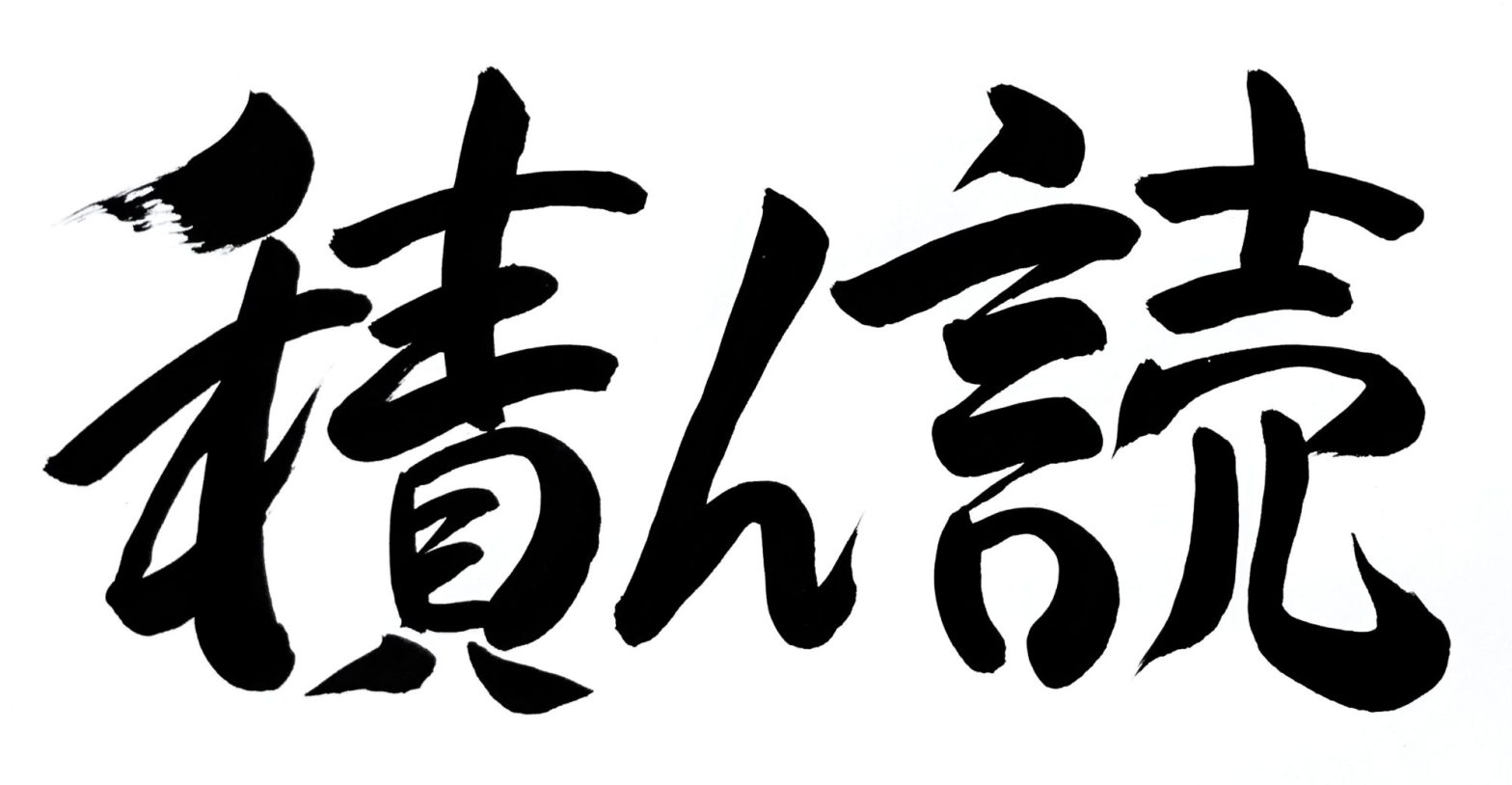
Another case of “the Japanese language has a word for that”! The 2 kanji in this useful word are: 積 This comes from the word 積んでおく, meaning “to let something pile up”. 読 Which comes from the noun 読書 (dokusho), meaning “reading”. Japanese learners will recognise this kanji from 読む (yomu) “to read”.
関 (seki) “barrier, connection”
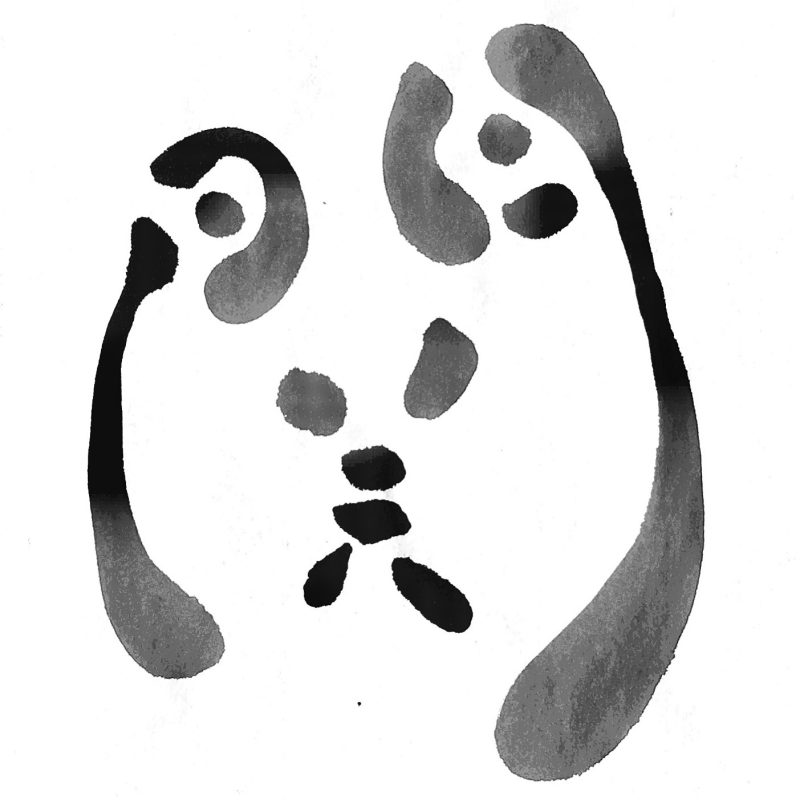
Rarely used on its own, this kanji is often found used in combination. Arguably the most famous examples are 関西 (Kansai) and 関東 (Kanto). Since ancient times there has been a road from Tokyo (the current capital) to Kyoto (the former capital). At the mid-way point there used to be a large barrier. This led toContinueContinue reading “関 (seki) “barrier, connection””
恩 (on) “favour, gratitude, obligation”
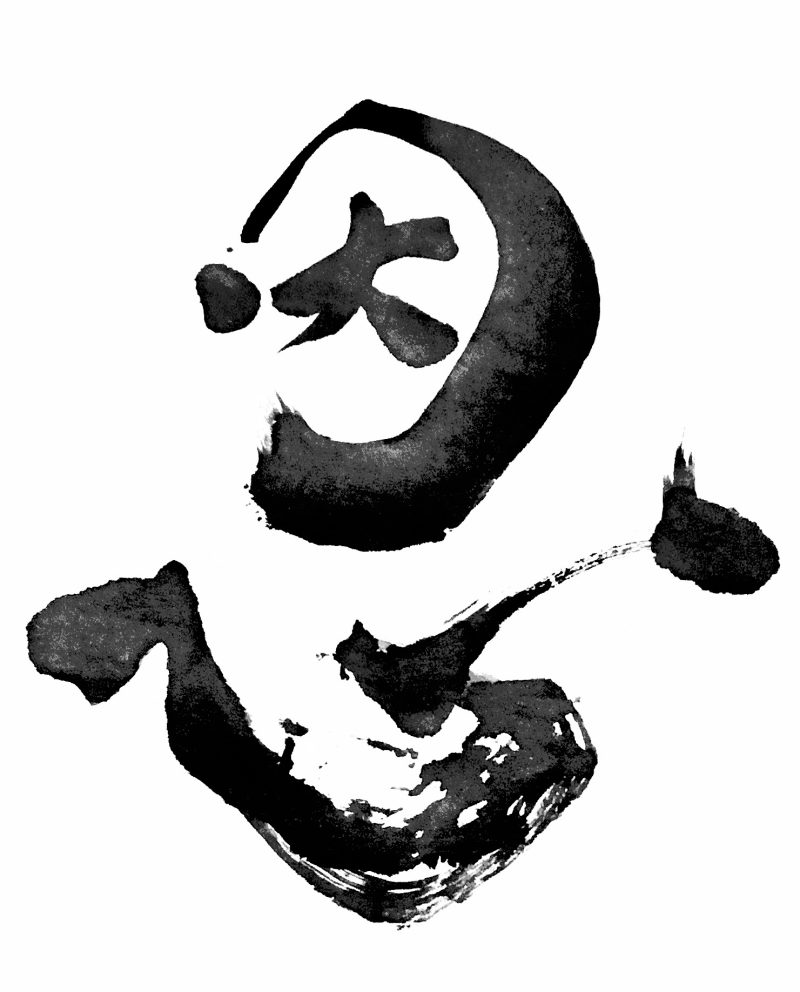
“On” is the concept of having received a great favour, feeling grateful, and knowing that you owe somebody a lot. The way it is used in Japanese makes it seem like less of a subjective feeling, and more of a tangible object, like a thing that you now possess because somebody helped you greatly. InContinueContinue reading “恩 (on) “favour, gratitude, obligation””
神 (kami) “god”/“divine spirit”
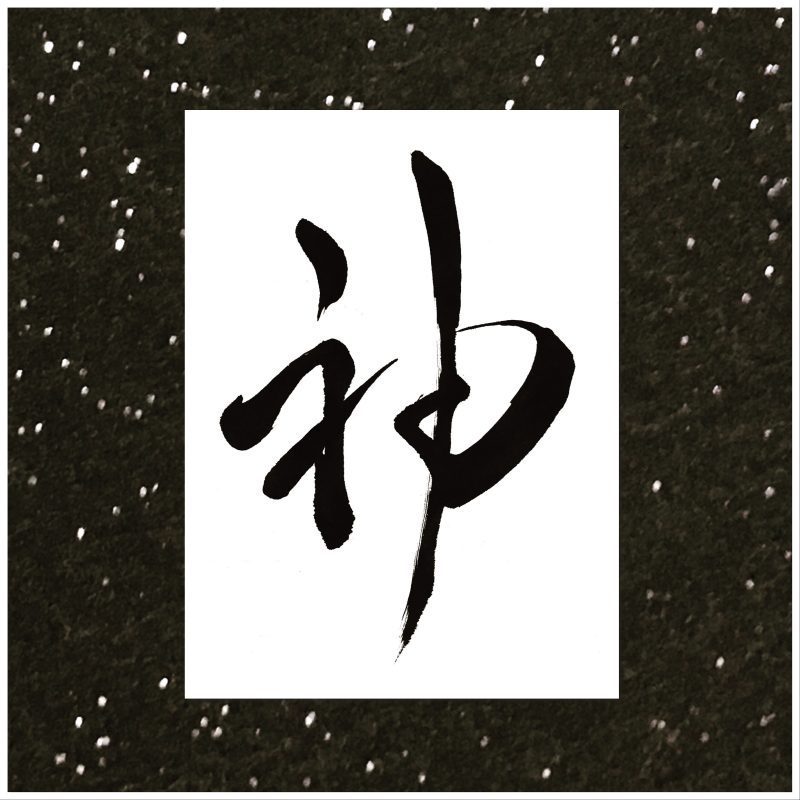
Often translated as “god”, a Japanese kami is closer to the concept of a spirit. They are (mostly) not considered to be omniscient nor omnipotent, but rather they influence the human world within a certain capacity. They are believed to be manifestations of musubi, the interconnecting energy of the universe. It is often said thatContinueContinue reading “神 (kami) “god”/“divine spirit””
結 (musubi) “human relations”
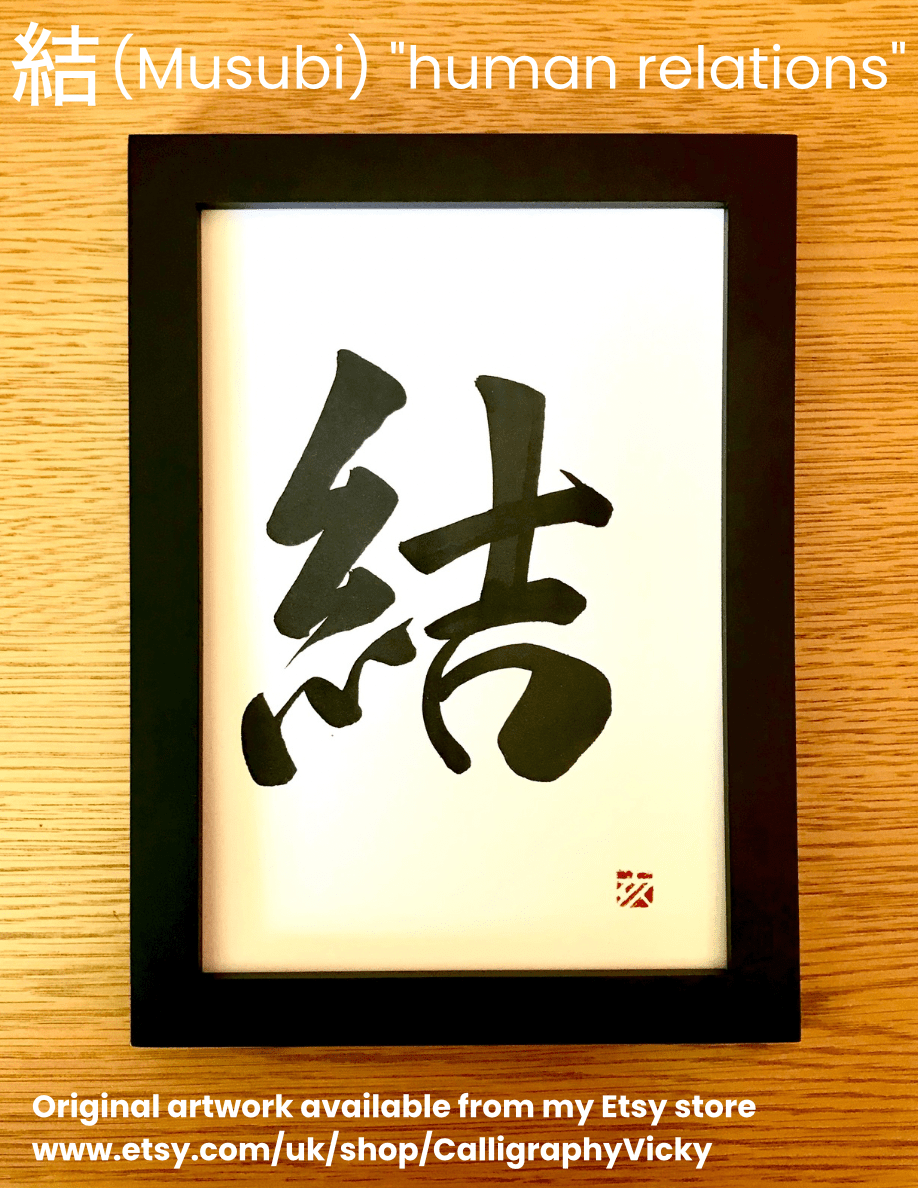
Literally meaning “tying together”, this word can be used to refer to the relationships that tie humans together, in particular romantic relationships. In Japan (as well as China and Korea) lovers who are destined to be together are thought to be joined by the “red thread of fate”. Romantic partners are often depicted with aContinueContinue reading “結 (musubi) “human relations””
間 (ma) “emptiness, space, interval”
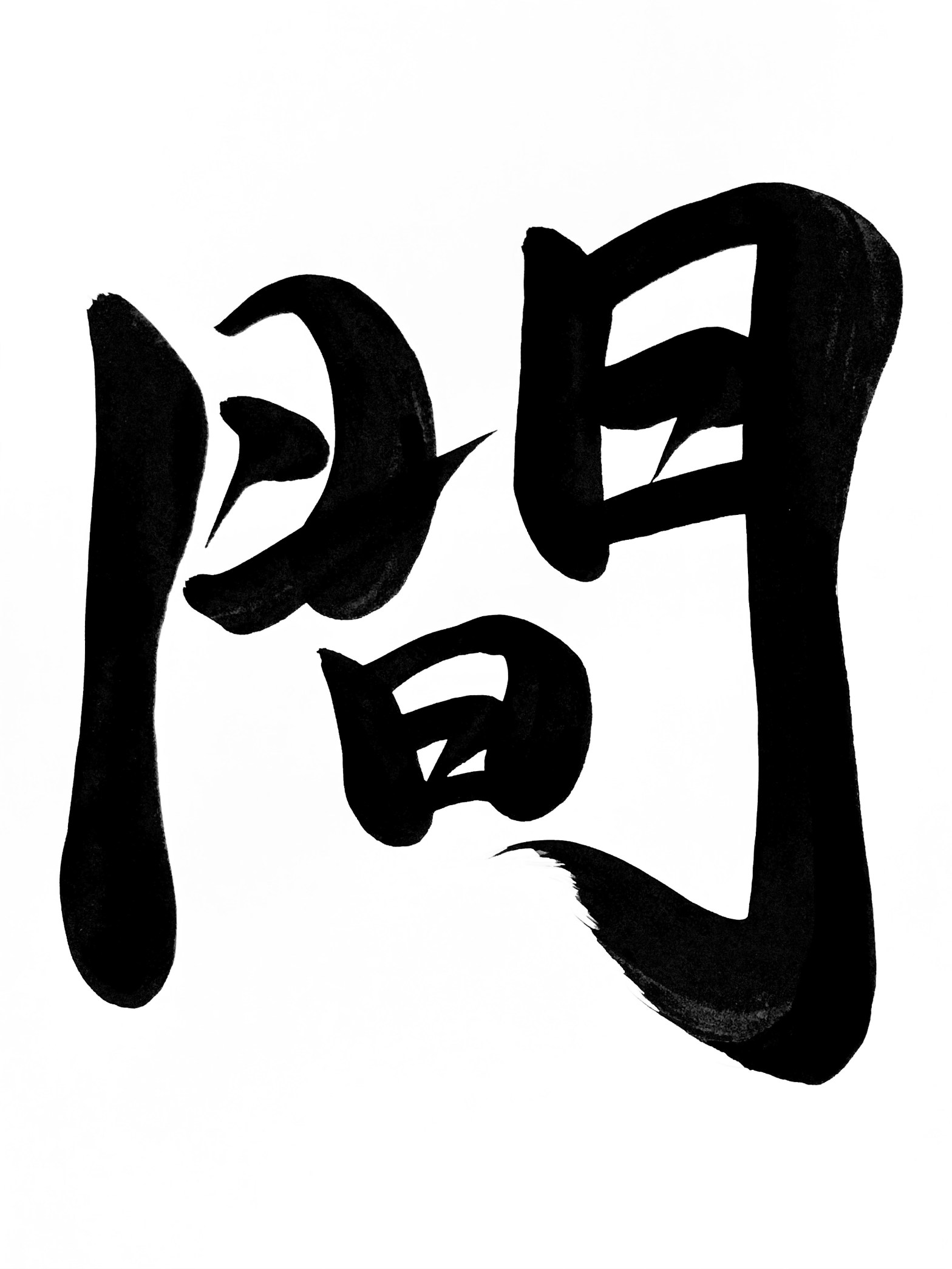
I told Miyazaki I love the “gratuitous motion” in his films; instead of every movement being dictated by the story, sometimes people will just sit for a moment, or they will sigh, or look in a running stream, or do something extra, not to advance the story but only to give the sense of timeContinueContinue reading “間 (ma) “emptiness, space, interval””
 Calligraphy by Vicky